Gedeon Trevor, Parry Joanne, Völlm Birgit
NHSHSW Rampton High Secure Hospital, Retford, United Kingdom.
Wathwood Hospital, Rotherham, United Kingdom.
Front Psychiatry. 2019 Feb 27;10:76. doi: 10.3389/fpsyt.2019.00076. eCollection 2019.
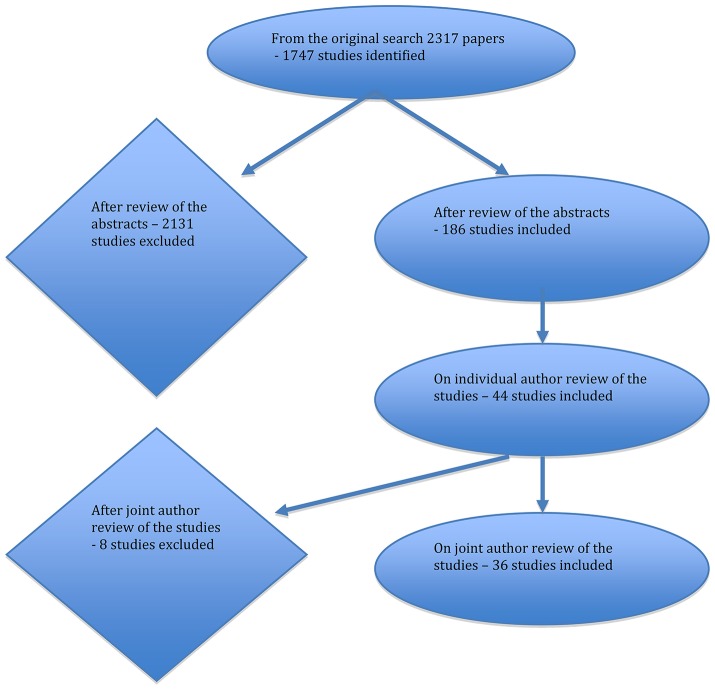
Antisocial personality disorder is an enduring mental disorder associated with significant disease burden and treatment difficulties. This is apparent within forensic populations. There is growing evidence to suggest that treatment with oxytocin could have some benefit in treating a range of psychiatric disorders. There are no reviews studying the use of oxytocin for patients with ASPD. We aim to present the first literature review on the use of oxytocin in patients with ASPD. We searched relevant databases for original research on effect of oxytocin upon persons with a diagnosis of ASPD or healthy participants with symptoms seen in ASPD. Studies were included if they included healthy participants that evaluated the effect of oxytocin on symptoms relevant to ASPD, including empathy, inhibitory control, compliance, conformity, aggression, violence, and moral responsibility. Thirty-six studies were included. There were a range of study designs, including randomized controlled trials, double blinded, single blinded, and unblinded controlled trials. The sample sizes in studies ranged from 20 to 259 participants. Studies looked at participants with a diagnosis of ASPD and participants with symptoms relevant to ASPD, including empathy, inhibitory control, compliance, conformity, aggression, violence, and moral responsibility. Oxytocin was found to demonstrate diversified effects, in most cases being associated with socially positive or non-criminogenic behaviors. However, some studies found opposite, and non-desirable, effects, e.g., an increase in violent inclinations to partners. The two studies looking at participants with ASPD had a number of limitations and had conflicting results on the impact that OT has on aggression in ASPD. This is the first systematic literature review exploring the potential use of oxytocin in managing ASPD and the symptoms of ASPD. It is apparent that there is a body of evidence addressing related symptoms in healthy individuals. There were diversified effects with oxytocin showing some benefits in promoting positive effects on symptoms of ASPD, but there were also studies showing non-desirable effects. It is difficult to draw any direct inferences from healthy control studies. Further high quality large sample studies are required to explore the effects of oxytocin in those with ASPD.
反社会型人格障碍是一种持久性精神障碍,伴有重大疾病负担和治疗困难。这在法医群体中很明显。越来越多的证据表明,使用催产素进行治疗可能对一系列精神障碍有一定益处。目前尚无关于催产素用于反社会型人格障碍患者的综述。我们旨在呈现第一篇关于催产素用于反社会型人格障碍患者的文献综述。我们在相关数据库中搜索关于催产素对被诊断为反社会型人格障碍的人或有反社会型人格障碍相关症状的健康参与者影响的原始研究。如果研究纳入了评估催产素对与反社会型人格障碍相关症状(包括同理心、抑制控制、顺从、从众、攻击、暴力和道德责任)影响的健康参与者,则将其纳入。共纳入36项研究。研究设计多样,包括随机对照试验、双盲、单盲和非盲对照试验。研究中的样本量从20名到259名参与者不等。研究观察了被诊断为反社会型人格障碍的参与者以及有与反社会型人格障碍相关症状(包括同理心、抑制控制、顺从、从众、攻击、暴力和道德责任)的参与者。结果发现,催产素表现出多样化的效果,在大多数情况下与社会积极或非犯罪行为相关。然而,一些研究发现了相反的、不良的效果,例如对伴侣暴力倾向增加。两项针对反社会型人格障碍参与者的研究存在一些局限性,并且在催产素对反社会型人格障碍攻击行为的影响方面结果相互矛盾。这是第一篇系统的文献综述,探讨了催产素在管理反社会型人格障碍及其症状方面的潜在用途。显然,有一批证据涉及健康个体的相关症状。催产素产生了多样化的效果,显示出对反社会型人格障碍症状有一些积极影响,但也有研究显示出不良效果。很难从健康对照研究中得出任何直接推论。需要进一步开展高质量的大样本研究来探索催产素对反社会型人格障碍患者的影响。