Department of Biochemical Sciences, Sapienza University of Rome, Rome, Italy.
Department of Biochemical Sciences, Sapienza University of Rome, Rome, Italy; Universidad Autònoma de Chile, Instituto de Ciencias Biomédicas, Facultad de alud, Providencia, Santiago, Chile.
Redox Biol. 2019 May;23:101162. doi: 10.1016/j.redox.2019.101162. Epub 2019 Mar 9.
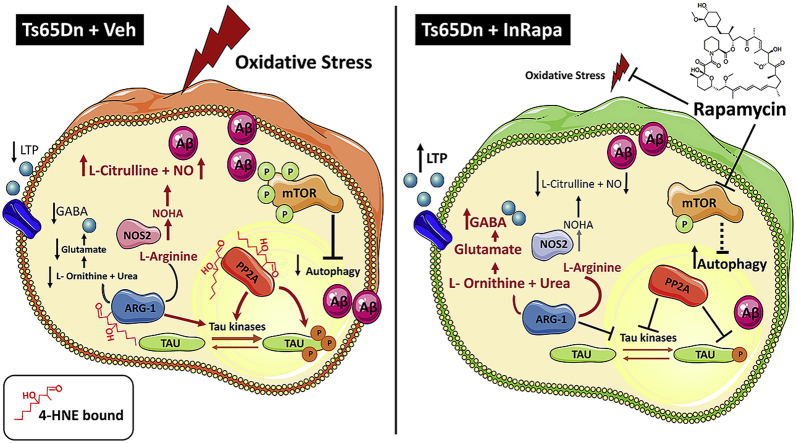
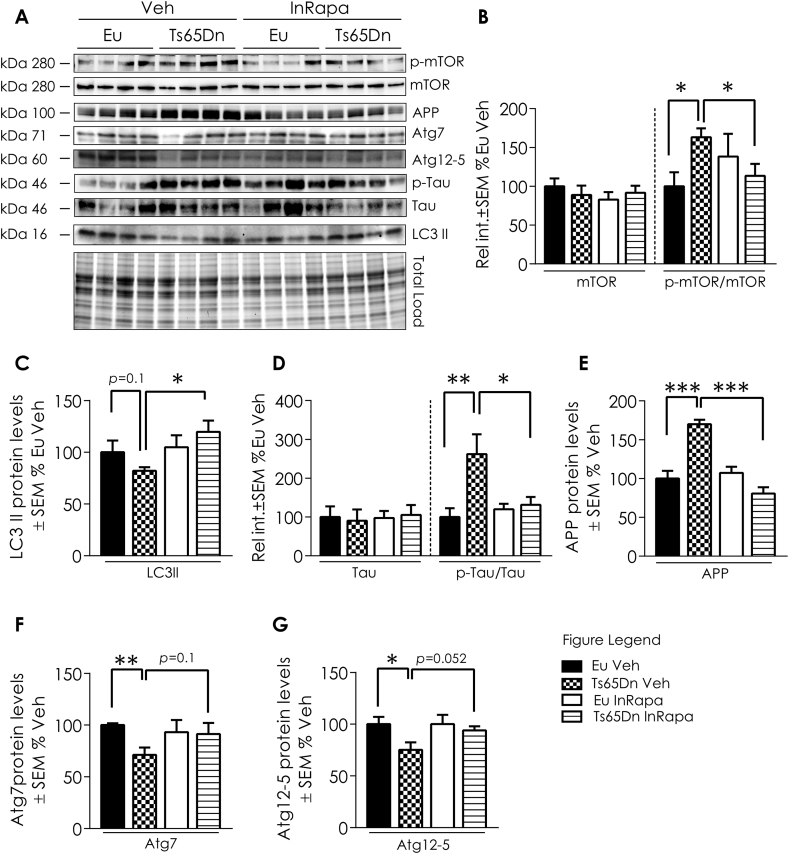
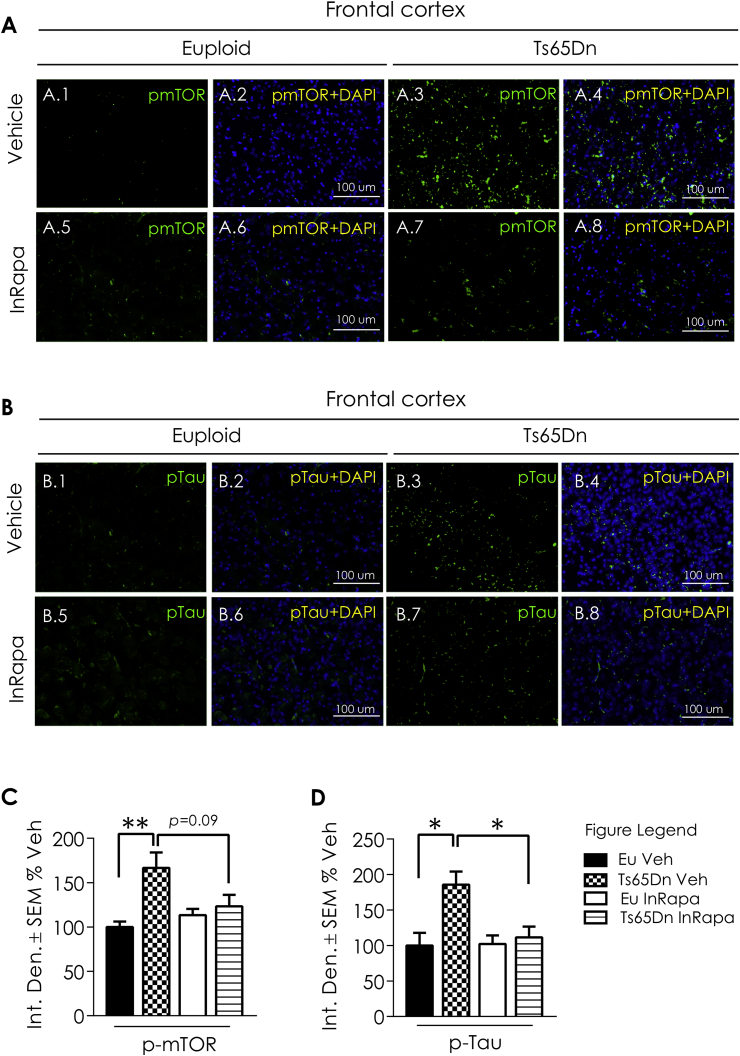
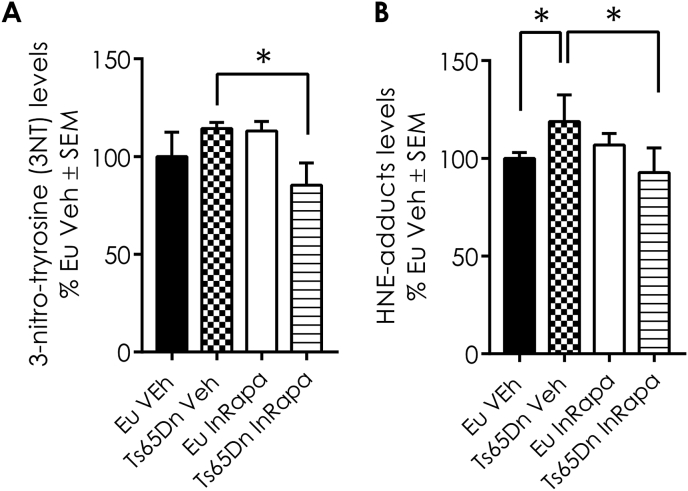
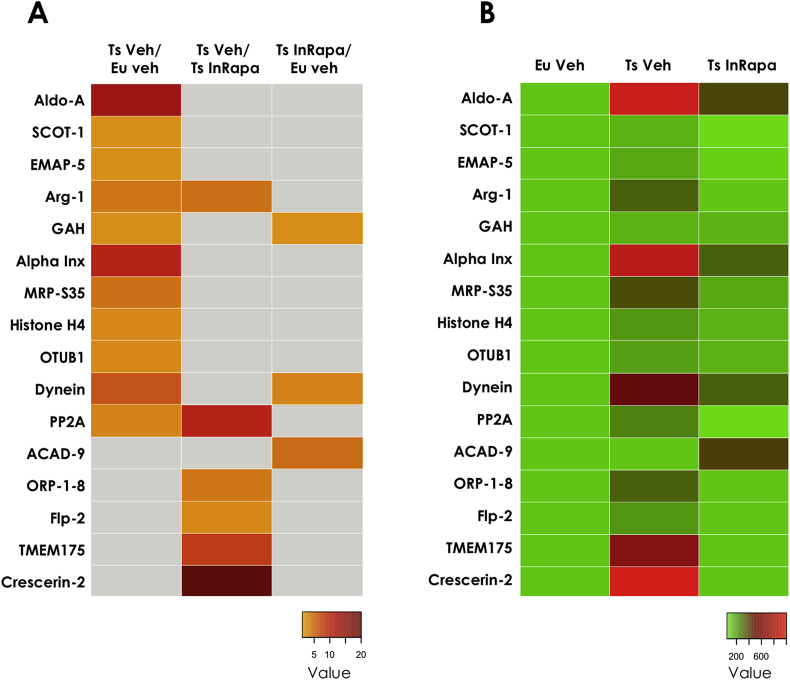
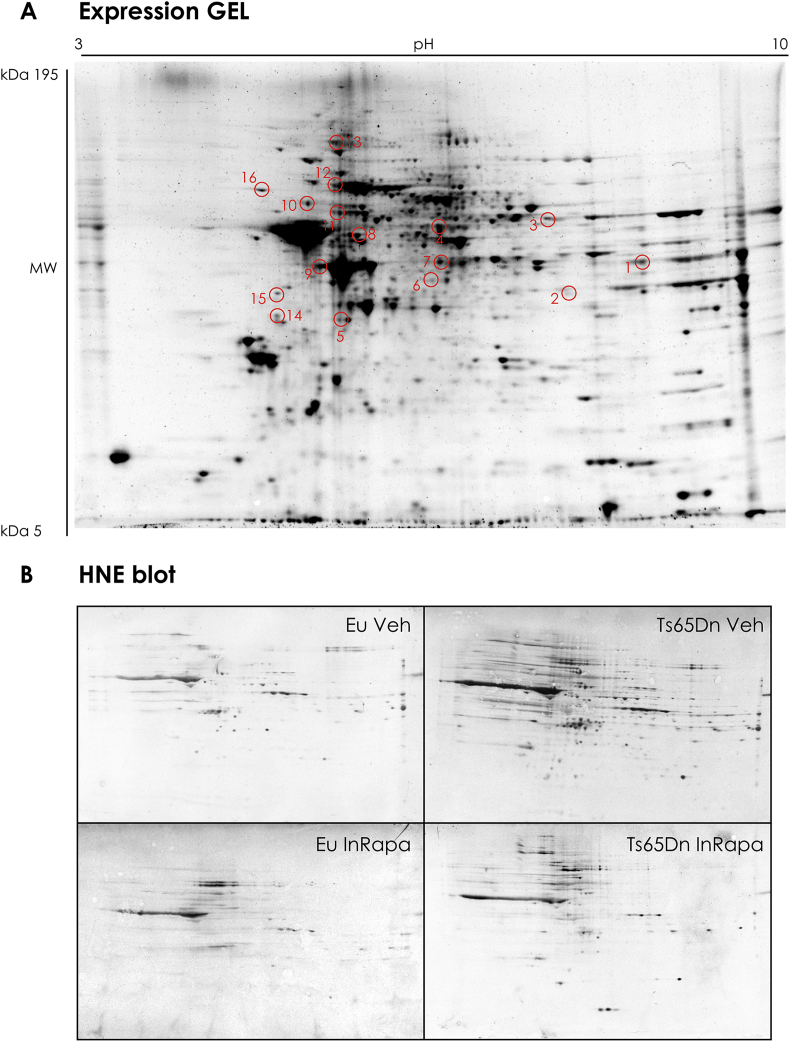
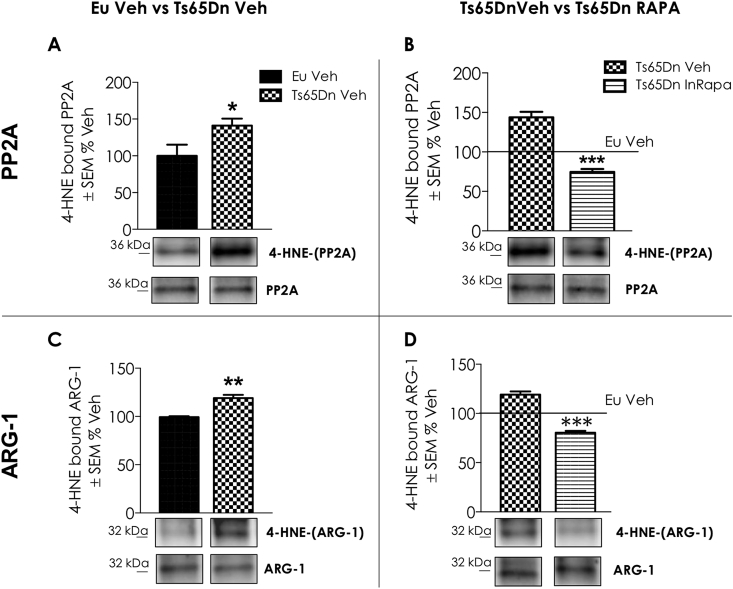
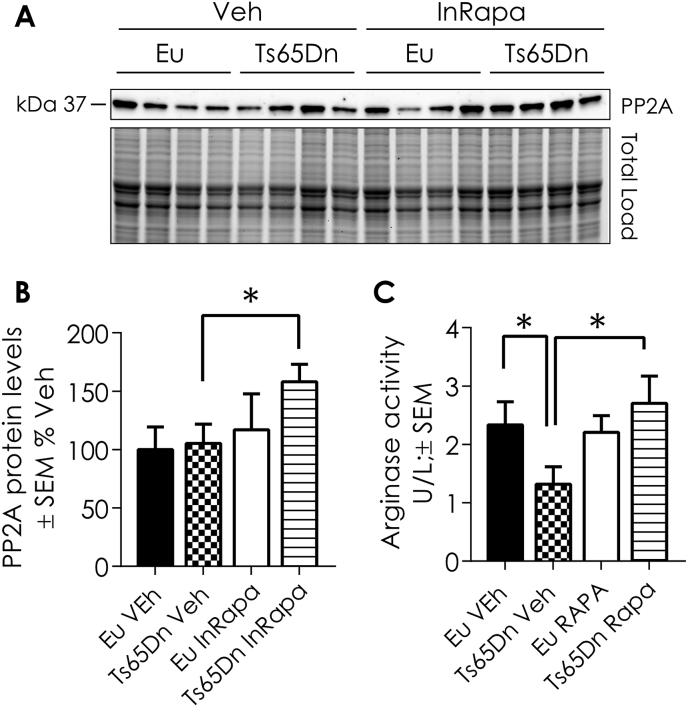
Increasing evidences support the notion that the impairment of intracellular degradative machinery is responsible for the accumulation of oxidized/misfolded proteins that ultimately results in the deposition of protein aggregates. These events are key pathological aspects of "protein misfolding diseases", including Alzheimer disease (AD). Interestingly, Down syndrome (DS) neuropathology shares many features with AD, such as the deposition of both amyloid plaques and neurofibrillary tangles. Studies from our group and others demonstrated, in DS brain, the dysfunction of both proteasome and autophagy degradative systems, coupled with increased oxidative damage. Further, we observed the aberrant increase of mTOR signaling and of its down-stream pathways in both DS brain and in Ts65Dn mice. Based on these findings, we support the ability of intranasal rapamycin treatment (InRapa) to restore mTOR pathway but also to restrain oxidative stress resulting in the decreased accumulation of lipoxidized proteins. By proteomics approach, we were able to identify specific proteins that showed decreased levels of HNE-modification after InRapa treatment compared with vehicle group. Among MS-identified proteins, we found that reduced oxidation of arginase-1 (ARG-1) and protein phosphatase 2A (PP2A) might play a key role in reducing brain damage associated with synaptic transmission failure and tau hyperphosphorylation. InRapa treatment, by reducing ARG-1 protein-bound HNE levels, rescues its enzyme activity and conceivably contribute to the recovery of arginase-regulated functions. Further, it was shown that PP2A inhibition induces tau hyperphosphorylation and spatial memory deficits. Our data suggest that InRapa was able to rescue PP2A activity as suggested by reduced p-tau levels. In summary, considering that mTOR pathway is a central hub of multiple intracellular signaling, we propose that InRapa treatment is able to lower the lipoxidation-mediated damage to proteins, thus representing a valuable therapeutic strategy to reduce the early development of AD pathology in DS population.
越来越多的证据支持这样一种观点,即细胞内降解机制的损伤导致氧化/错误折叠蛋白的积累,最终导致蛋白聚集体的沉积。这些事件是“蛋白错误折叠疾病”的关键病理方面,包括阿尔茨海默病(AD)。有趣的是,唐氏综合征(DS)的神经病理学与 AD 有许多共同特征,例如淀粉样斑块和神经原纤维缠结的沉积。我们小组和其他小组的研究表明,在 DS 大脑中,蛋白酶体和自噬降解系统的功能失调,同时伴有氧化损伤的增加。此外,我们观察到 mTOR 信号及其下游途径在 DS 大脑和 Ts65Dn 小鼠中异常增加。基于这些发现,我们支持鼻内雷帕霉素治疗(InRapa)能够恢复 mTOR 途径,同时抑制氧化应激,从而减少脂质氧化蛋白的积累。通过蛋白质组学方法,我们能够鉴定出特定的蛋白质,这些蛋白质在 InRapa 治疗后与载体组相比,HNE 修饰水平降低。在 MS 鉴定的蛋白质中,我们发现精氨酸酶-1(ARG-1)和蛋白磷酸酶 2A(PP2A)的氧化还原水平降低可能在降低与突触传递失败和 tau 过度磷酸化相关的脑损伤方面发挥关键作用。InRapa 治疗通过降低 ARG-1 蛋白结合的 HNE 水平,恢复其酶活性,并可能有助于恢复 ARG 调节功能。此外,研究表明 PP2A 抑制诱导 tau 过度磷酸化和空间记忆缺陷。我们的数据表明,InRapa 能够恢复 PP2A 活性,如 p-tau 水平降低所示。总之,鉴于 mTOR 途径是多种细胞内信号的中心枢纽,我们提出 InRapa 治疗能够降低脂氧化介导的蛋白损伤,因此是一种有价值的治疗策略,可以减少 DS 人群中 AD 病理的早期发展。