Toyoda Yu, Takada Tappei, Suzuki Hiroshi
Department of Pharmacy, The University of Tokyo Hospital, Faculty of Medicine, The University of Tokyo, Tokyo, Japan.
Front Pharmacol. 2019 Mar 5;10:208. doi: 10.3389/fphar.2019.00208. eCollection 2019.
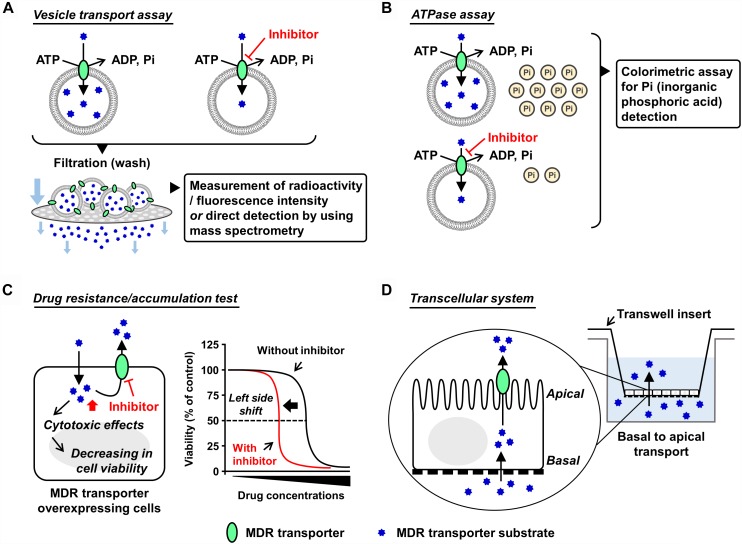
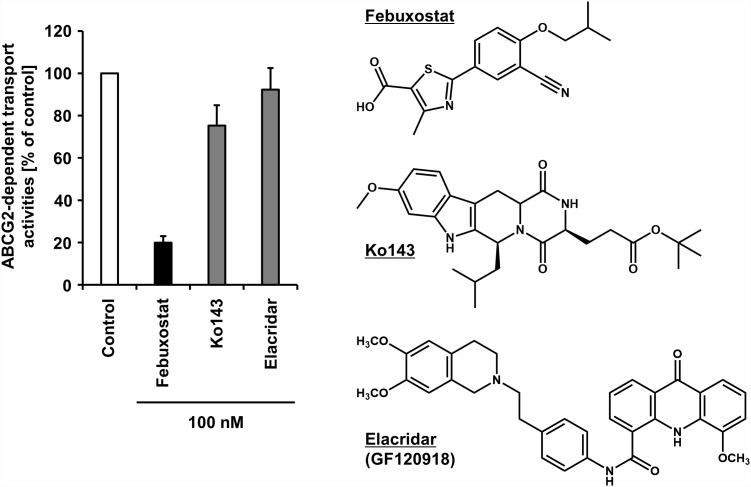
The ATP-binding cassette transporter G2 (ABCG2; also known as breast cancer resistance protein, BCRP) has been suggested to be involved in clinical multidrug resistance (MDR) in cancer like other ABC transporters such as ABCB1 (-glycoprotein). As an efflux pump exhibiting a broad substrate specificity localized on cellular plasma membrane, ABCG2 excretes a variety of endogenous and exogenous substrates including chemotherapeutic agents, such as mitoxantrone and several tyrosine kinase inhibitors. Moreover, in the normal tissues, ABCG2 is expressed on the apical membranes and plays a pivotal role in tissue protection against various xenobiotics. For this reason, ABCG2 is recognized to be an important determinant of the pharmacokinetic characteristics of its substrate drugs. Although the clinical relevance of reversing the ABCG2-mediated MDR has been inconclusive, an appropriate modulation of ABCG2 function during chemotherapy should logically enhance the efficacy of anti-cancer agents by overcoming the MDR phenotype and/or improving their pharmacokinetics. To confirm this possibility, considerable efforts have been devoted to developing ABCG2 inhibitors, although there is no clinically available substance for this purpose. As a clue for addressing this issue, this mini-review provides integrated information covering the technical backgrounds necessary to evaluate the ABCG2 inhibitory effects on the target compounds and a current update on the ABCG2 inhibitors. This essentially includes our recent findings, as we serendipitously identified febuxostat, a well-used agent for hyperuricemia as a strong ABCG2 inhibitor, that possesses some promising potentials. We hope that an overview described here will add value to further studies involving in the multidrug transporters.
三磷酸腺苷结合盒转运体G2(ABCG2;也称为乳腺癌耐药蛋白,BCRP)被认为与癌症的临床多药耐药(MDR)有关,就像其他ABC转运体如ABCB1(P-糖蛋白)一样。作为一种定位于细胞质膜上、底物特异性广泛的外排泵,ABCG2可排出多种内源性和外源性底物,包括化疗药物,如米托蒽醌和几种酪氨酸激酶抑制剂。此外,在正常组织中,ABCG2表达于顶端膜上,在组织抵御各种外源性物质方面发挥关键作用。因此,ABCG2被认为是其底物药物药代动力学特征的重要决定因素。尽管逆转ABCG2介导的MDR的临床相关性尚无定论,但在化疗期间对ABCG2功能进行适当调节,从逻辑上讲,应能通过克服MDR表型和/或改善其药代动力学来提高抗癌药物的疗效。为了证实这种可能性,人们投入了大量精力来开发ABCG2抑制剂,尽管目前尚无用于此目的的临床可用药物。作为解决这一问题的线索,本综述提供了综合信息,涵盖评估目标化合物ABCG2抑制作用所需的技术背景以及ABCG2抑制剂的最新进展。这主要包括我们最近的发现,因为我们意外地发现,一种常用的高尿酸血症治疗药物非布索坦是一种强力ABCG2抑制剂,具有一些有前景的潜力。我们希望这里描述的概述将为涉及多药转运体的进一步研究增添价值。