Department of Toxicology, Collegium Medicum, Jagiellonian University, Medyczna 9, PL 30-688 Kraków, Poland.
Department of Drug Addiction Pharmacology, Institute of Pharmacology, Polish Academy of Sciences, Smętna 12, PL 31-343 Kraków, Poland.
Molecules. 2019 Mar 21;24(6):1125. doi: 10.3390/molecules24061125.
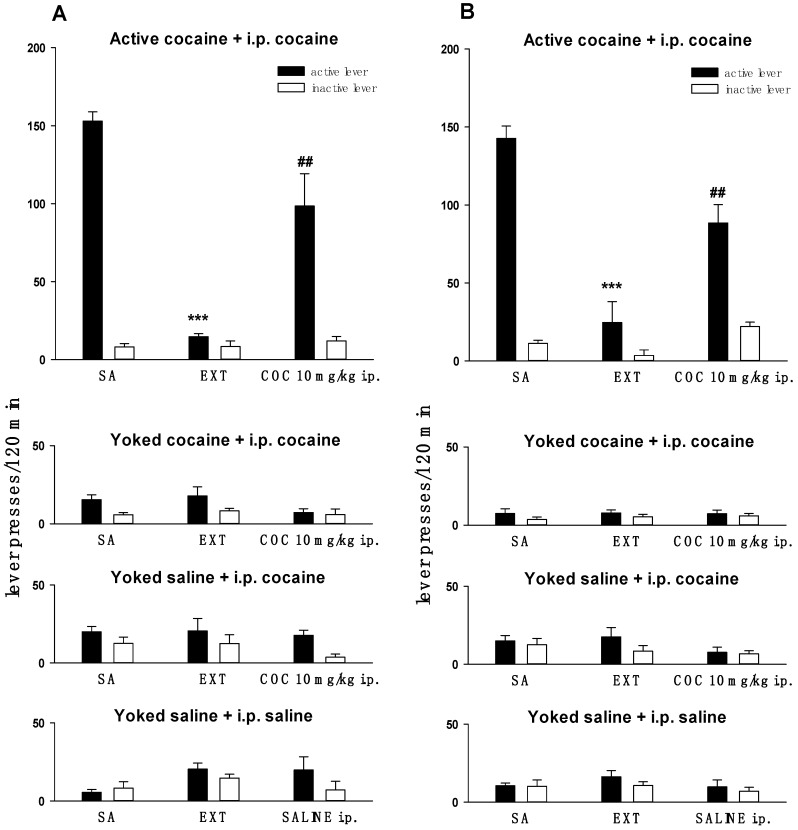
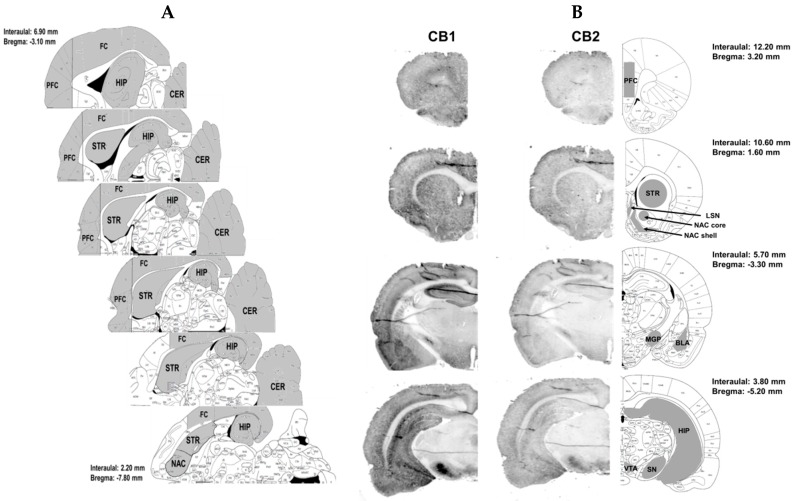
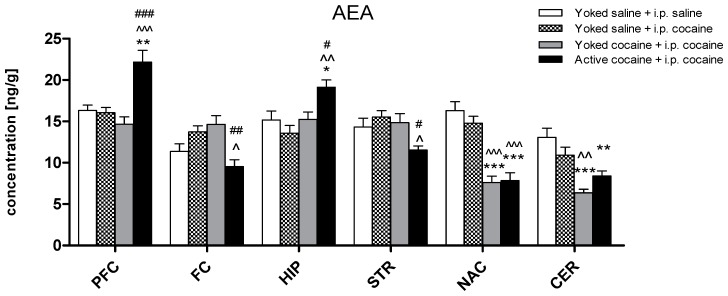
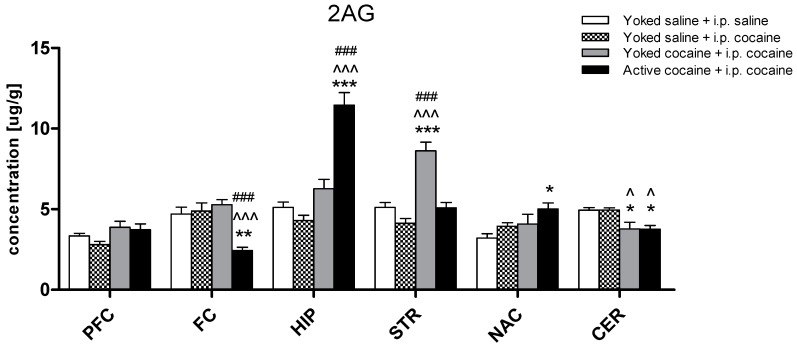
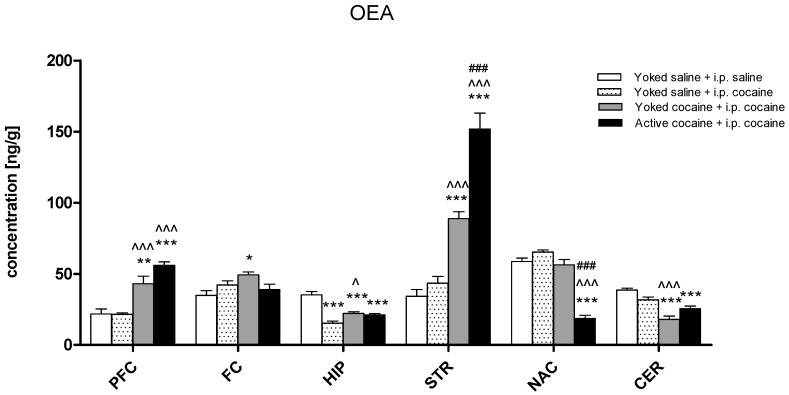
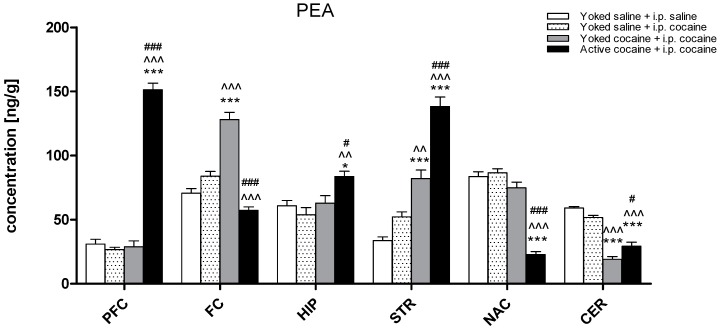
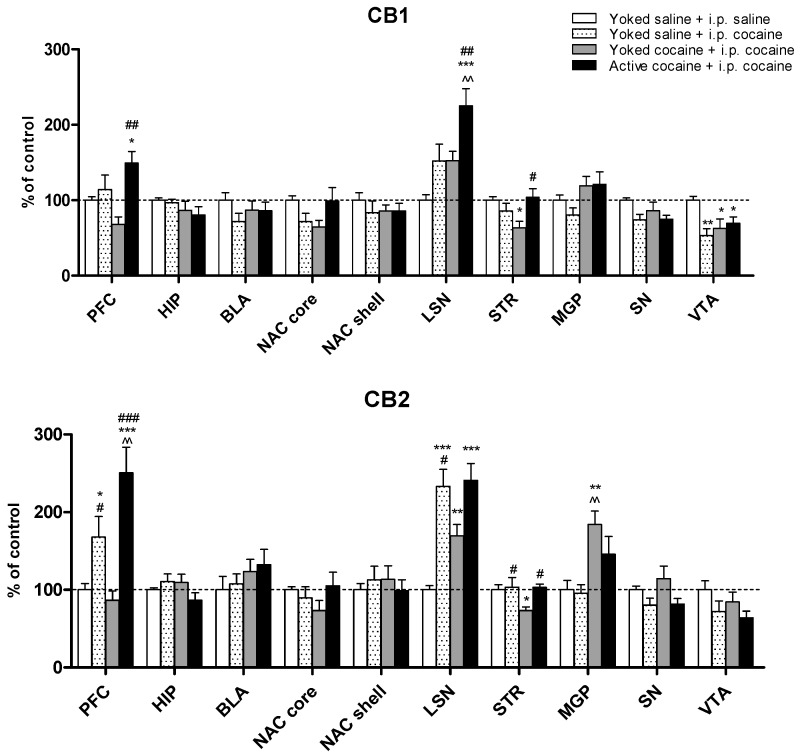
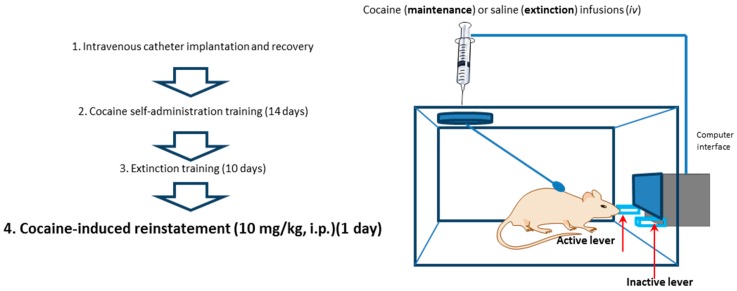
There is strong support for the role of the endocannabinoid system and the noncannabinoid lipid signaling molecules, -acylethanolamines (NAEs), in cocaine reward and withdrawal. In the latest study, we investigated the changes in the levels of the above molecules and expression of cannabinoid receptors (CB1 and CB2) in several brain regions during cocaine-induced reinstatement in rats. By using intravenous cocaine self-administration and extinction procedures linked with yoked triad controls, we found that a priming dose of cocaine (10 mg/kg, i.p.) evoked an increase of the anadamide (AEA) level in the hippocampus and prefrontal cortex only in animals that had previously self-administered cocaine. In the same animals, the level of 2-arachidonoylglycerol (2-AG) increased in the hippocampus and nucleus accumbens. Moreover, the drug-induced relapse resulted in a potent increase in NAEs levels in the cortical areas and striatum and, at the same time, a decrease in the tissue levels of oleoylethanolamide (OEA) and palmitoylethanolamide (PEA) was noted in the nucleus accumbens, cerebellum, and/or hippocampus. At the level of cannabinoid receptors, a priming dose of cocaine evoked either upregulation of the CB1 and CB2 receptors in the prefrontal cortex and lateral septal nuclei or downregulation of the CB1 receptors in the ventral tegmental area. In the medial globus pallidus we observed the upregulation of the CB2 receptor only after yoked chronic cocaine treatment. Our findings support that in the rat brain, the endocannabinoid system and NAEs are involved in cocaine induced-reinstatement where these molecules changed in a region-specific manner and may represent brain molecular signatures for the development of new treatments for cocaine addiction.
强烈支持内源性大麻素系统和非大麻素脂质信号分子, -酰基乙醇胺(NAE),在可卡因奖赏和戒断中的作用。在最新的研究中,我们研究了几种脑区中上述分子水平的变化和大麻素受体(CB1 和 CB2)的表达,这些脑区在大鼠可卡因诱发的复吸中。通过使用静脉内可卡因自我给药和与对偶三联体对照相关的消退程序,我们发现,在以前自我给药可卡因的动物中,可卡因(10mg/kg,ip)的引发剂量仅会引起海马体和前额叶皮层中花生四烯酸(AEA)水平的增加。在相同的动物中,2-花生四烯酰甘油(2-AG)的水平在海马体和伏隔核中增加。此外,药物引起的复发导致皮质区和纹状体中 NAEs 水平的强烈增加,同时,在伏隔核、小脑和/或海马体中观察到油酸乙醇酰胺(OEA)和棕榈酸乙醇酰胺(PEA)的组织水平降低。在大麻素受体水平上,可卡因的引发剂量可上调前额叶皮层和外侧隔核中的 CB1 和 CB2 受体,或下调腹侧被盖区中的 CB1 受体。在中脑 globus pallidus 中,我们仅在对偶慢性可卡因处理后观察到 CB2 受体的上调。我们的发现支持在大鼠大脑中,内源性大麻素系统和 NAE 参与可卡因诱导的复吸,这些分子以特定区域的方式变化,并且可能代表可卡因成瘾新治疗方法的脑分子特征。