Department of Toxicology and Cancer Biology, University of Kentucky, Lexington, Kentucky, United States of America.
Lucille P. Markey Cancer Center, University of Kentucky, Lexington, Kentucky, United States of America.
PLoS One. 2019 Mar 27;14(3):e0211134. doi: 10.1371/journal.pone.0211134. eCollection 2019.
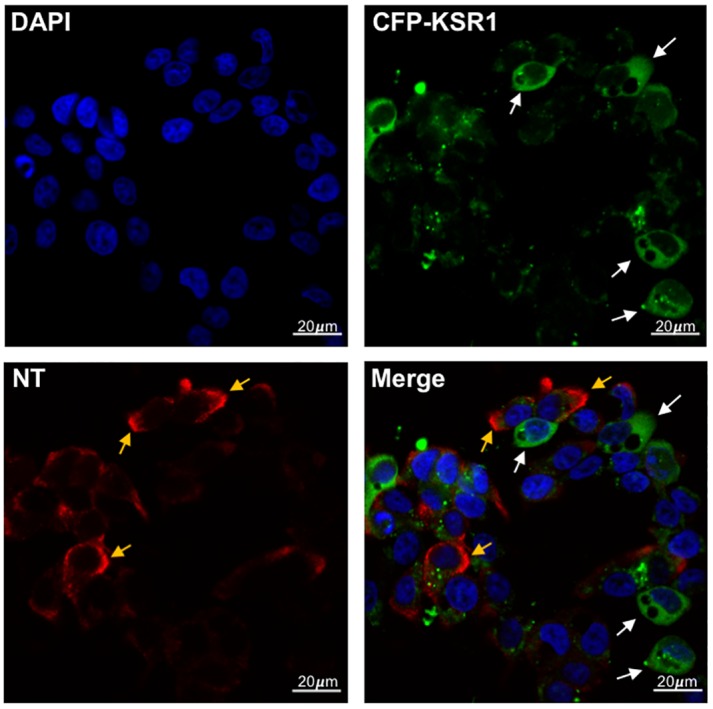
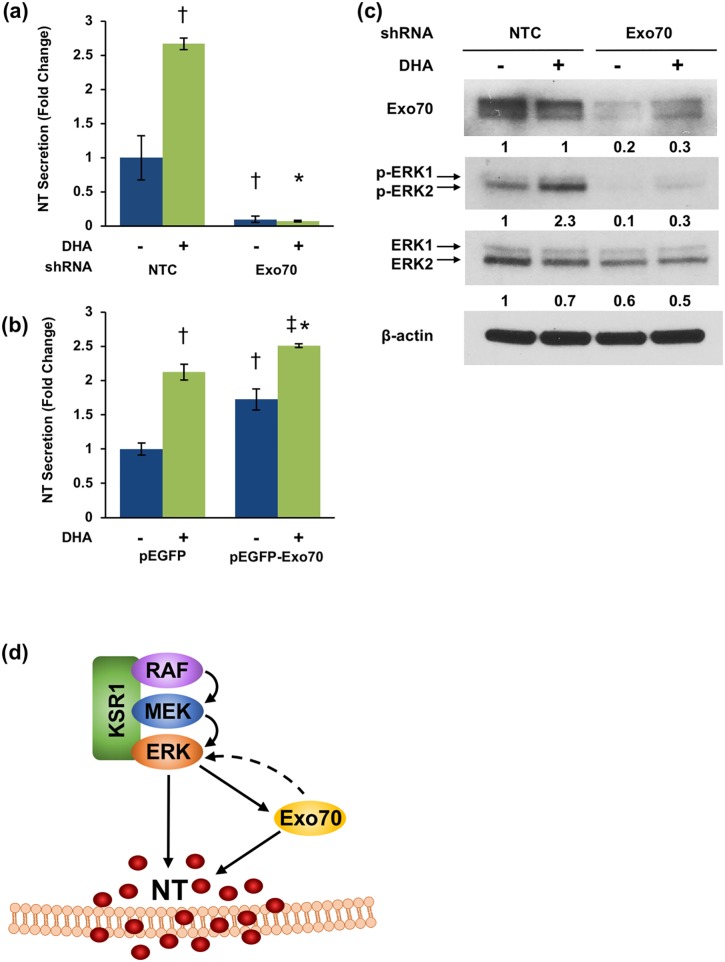
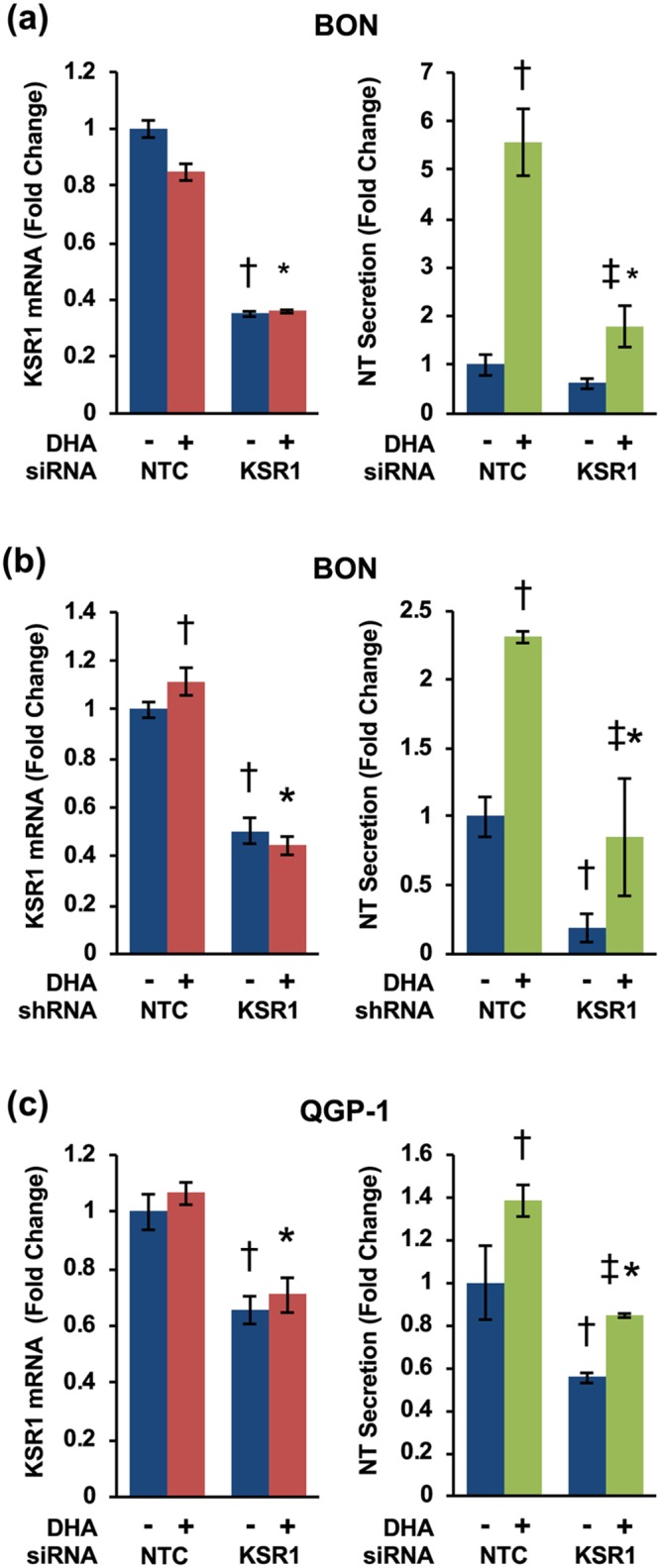
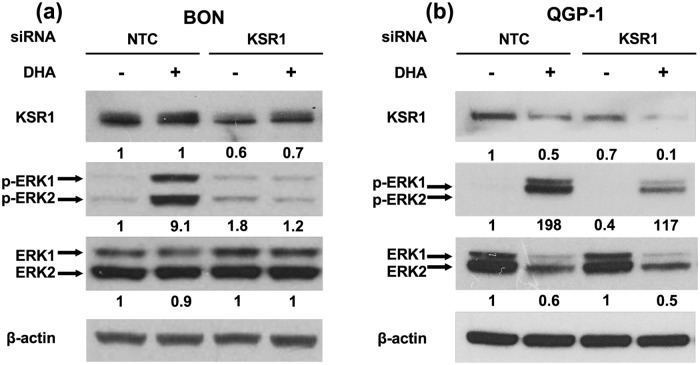
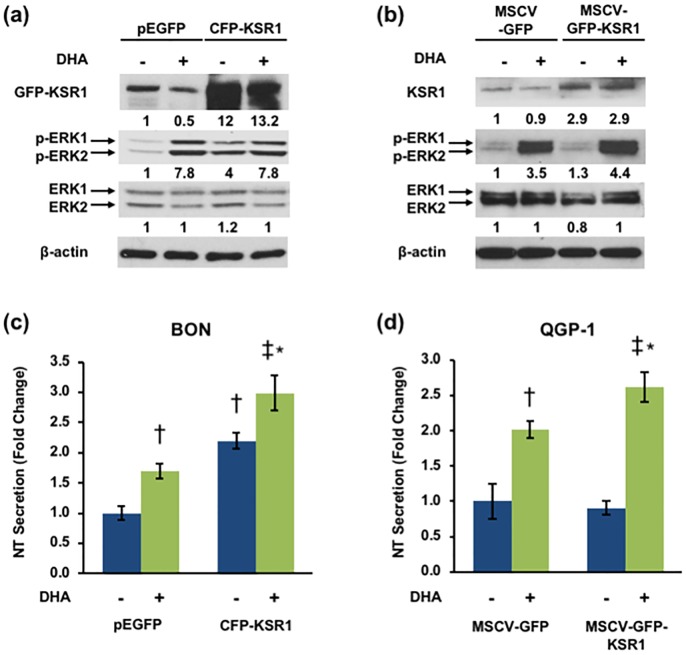
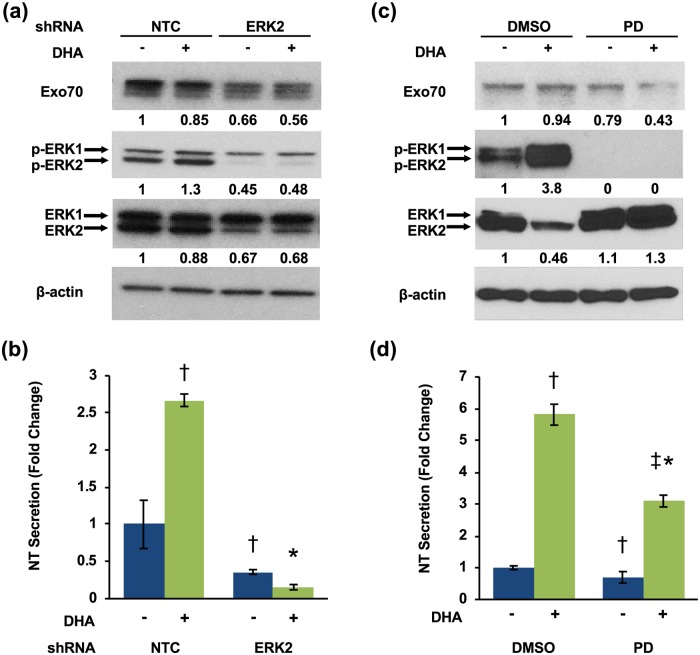
Neurotensin is a peptide hormone released from enteroendocrine cells in the small intestine in response to fat ingestion. Although the mechanisms regulating neurotensin secretion are still incompletely understood, our recent findings implicate a role for extracellular signal-regulated kinase 1 and 2 as positive regulators of free fatty acid-stimulated neurotensin secretion. Previous studies have shown that kinase suppressor of Ras 1 acts as a molecular scaffold of the Raf/MEK/extracellular signal-regulated kinase 1 and 2 kinase cascade and regulates intensity and duration of extracellular signal-regulated kinase 1 and 2 signaling. Here, we demonstrate that inhibition of kinase suppressor of Ras 1 attenuates neurotensin secretion and extracellular signal-regulated kinase 1 and 2 signaling in human endocrine cells. Conversely, we show that overexpression of kinase suppressor of Ras 1 enhances neurotensin secretion and extracellular signal-regulated kinase 1 and 2 signaling. We also show that inhibition of extracellular signal-regulated kinase 2 and exocyst complex component 70, a substrate of extracellular signal-regulated kinase 2 and mediator of secretory vesicle exocytosis, potently inhibits basal and docosahexaenoic acid-stimulated neurotensin secretion, whereas overexpression of exocyst complex component 70 enhances basal and docosahexaenoic acid-stimulated neurotensin secretion. Together, our findings demonstrate a role for kinase suppressor of Ras 1 as a positive regulator of neurotensin secretion from human endocrine cells and indicate that this effect is mediated by the extracellular signal-regulated kinase 1 and 2 signaling pathway. Moreover, we reveal a novel role for exocyst complex component 70 in regulation of neurotensin vesicle exocytosis through its interaction with the extracellular signal-regulated kinase 1 and 2 signaling pathway.
神经降压素是一种肽类激素,从小肠的肠内分泌细胞中释放出来,以响应脂肪的摄入。尽管调节神经降压素分泌的机制仍不完全清楚,但我们最近的研究结果表明,细胞外信号调节激酶 1 和 2 作为游离脂肪酸刺激神经降压素分泌的正调节剂发挥作用。先前的研究表明,Ras 激酶抑制剂 1 作为 Raf/MEK/细胞外信号调节激酶 1 和 2 激酶级联的分子支架,调节细胞外信号调节激酶 1 和 2 信号的强度和持续时间。在这里,我们证明了 Ras 激酶抑制剂 1 的抑制作用减弱了人内分泌细胞中的神经降压素分泌和细胞外信号调节激酶 1 和 2 信号。相反,我们表明 Ras 激酶抑制剂 1 的过表达增强了神经降压素分泌和细胞外信号调节激酶 1 和 2 信号。我们还表明,细胞外信号调节激酶 2 和外泌体复合物成分 70 的抑制,细胞外信号调节激酶 2 的底物和分泌囊泡出胞的介质,强烈抑制基础和二十二碳六烯酸刺激的神经降压素分泌,而外泌体复合物成分 70 的过表达增强了基础和二十二碳六烯酸刺激的神经降压素分泌。总之,我们的研究结果表明 Ras 激酶抑制剂 1 作为人内分泌细胞中神经降压素分泌的正调节剂发挥作用,并表明这种作用是通过细胞外信号调节激酶 1 和 2 信号通路介导的。此外,我们揭示了外泌体复合物成分 70 通过与细胞外信号调节激酶 1 和 2 信号通路相互作用,在调节神经降压素囊泡出胞中的新作用。