Jhpiego, 1615 Thames St, Baltimore, MD, 21231, USA.
Nakawa Division, Plot 36, Lower Naguru, East Road, Kampala, Uganda.
Hum Resour Health. 2019 Mar 29;17(1):24. doi: 10.1186/s12960-019-0350-z.
Postpartum hemorrhage and neonatal asphyxia are leading causes of maternal and neonatal mortality, respectively, that occur relatively rarely in low-volume health facilities in sub-Saharan Africa. Rare occurrence of cases may limit the readiness and skills that individual birth attendants have to address complications. Evidence suggests that simulator-based training and practice sessions can help birth attendants maintain these life-saving skills; one approach is called "low-dose, high-frequency" (LDHF). The objective of this evaluation is to determine the facilitating factors and barriers to participation in LDHF practice, using qualitative and quantitative information.
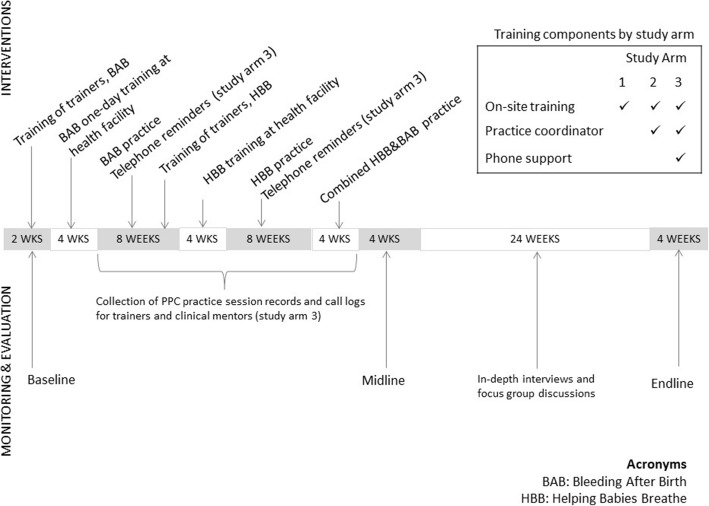
A trial in 125 facilities in Uganda compared three strategies of support for LDHF practice to improve retention of skills in prevention and treatment of postpartum hemorrhage and neonatal asphyxia. Birth attendants kept written logs of their simulator-based practice sessions, which were entered into a database, then analyzed using Stata to compare frequency of practice by the study arm. The evaluation also included 29 in-depth interviews and 19 focus group discussions with birth attendants and district trainers. Transcripts were entered in Atlas.ti software for coding, then analyzed using content analysis to identify factors that motivated or discouraged simulator-based practice.
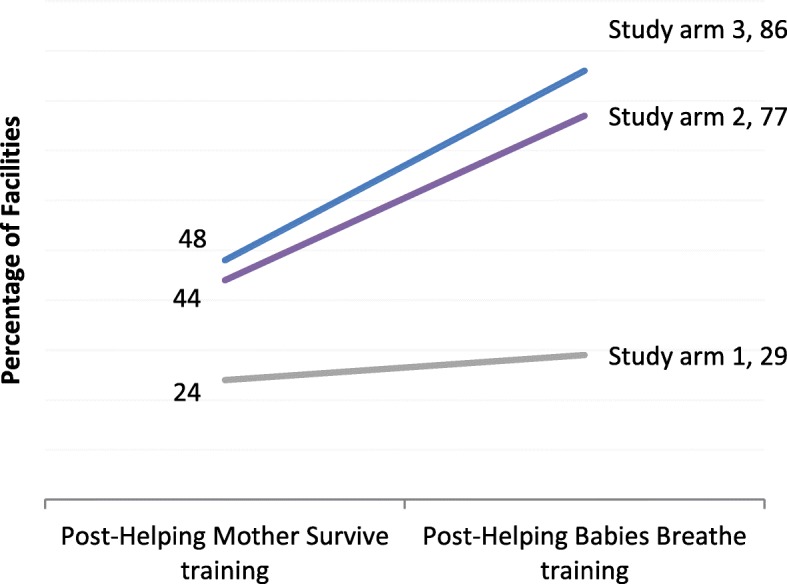
Practice log data indicated that simulator-based practice sessions occurred more frequently in facilities where one or two practice coordinators helped schedule and lead the practice sessions and in health centers compared to hospitals. The qualitative data suggest that birth attendants who practiced more were motivated by a desire to maintain skills and be prepared for emergencies, external recognition, and establishing a set schedule. Barriers to consistent practice included low staffing levels, heavy workloads, and a sense that competency can be maintained through routine clinical care alone. Some facilities described norms around continuing education and some did not.
Designating practice coordinators to lead their peers in simulator-based practice led to more consistent skills practice within frontline health facilities. Ongoing support, scheduling of practice sessions, and assessment and communication of motivation factors may help sustain LDHF practice and similar forms of continuing professional development.
Registered with clinicaltrials.gov #NCT03254628 on August 18, 2018 (registered retrospectively).
产后出血和新生儿窒息分别是导致孕产妇和新生儿死亡的主要原因,在撒哈拉以南非洲的低容量卫生机构中,这两种情况的发生率相对较低。病例的罕见发生可能限制了个别分娩助手处理并发症的准备和技能。有证据表明,基于模拟器的培训和实践课程可以帮助分娩助手保持这些救生技能;一种方法称为“低剂量、高频次”(LDHF)。本评价的目的是利用定性和定量信息,确定参与 LDHF 实践的促进因素和障碍。
乌干达的一项 125 个机构的试验比较了支持 LDHF 实践的三种策略,以改善预防和治疗产后出血和新生儿窒息方面的技能保留。分娩助手将他们的基于模拟器的实践记录在书面日志中,这些日志被输入数据库,然后使用 Stata 进行分析,以比较研究臂的实践频率。评估还包括对分娩助手和区培训师进行的 29 次深入访谈和 19 次焦点小组讨论。将转录本输入 Atlas.ti 软件进行编码,然后使用内容分析进行分析,以确定激励或阻碍基于模拟器实践的因素。
实践日志数据表明,在有一名或两名实践协调员帮助安排和领导实践课程的机构以及在保健中心,而不是在医院,基于模拟器的实践课程更频繁地进行。定性数据表明,更多实践的分娩助手的动机是保持技能和为紧急情况做好准备、获得外部认可以及建立固定时间表。实践的持续障碍包括人员配备水平低、工作量大以及仅通过常规临床护理就可以保持能力的感觉。一些机构描述了继续教育培训方面的规范,而有些机构则没有。
指定实践协调员来领导基于模拟器的同行实践,导致一线卫生机构内的技能实践更加一致。持续的支持、实践课程的安排以及对激励因素的评估和沟通,可能有助于维持 LDHF 实践和类似形式的专业发展。
2018 年 8 月 18 日在 clinicaltrials.gov 注册#NCT03254628(追溯注册)。