Lin Chih-Chung, Hsiao Li-Der, Cho Rou-Ling, Yang Chuen-Mao
Department of Anesthetics, Chang Gung Memorial Hospital at Linkuo, Kwei-San, Tao-Yuan 333, Taiwan.
Department of Anesthetics, College of Medicine, Chang Gung University, Kwei-San, Tao-Yuan 333, Taiwan.
J Clin Med. 2019 Mar 30;8(4):436. doi: 10.3390/jcm8040436.
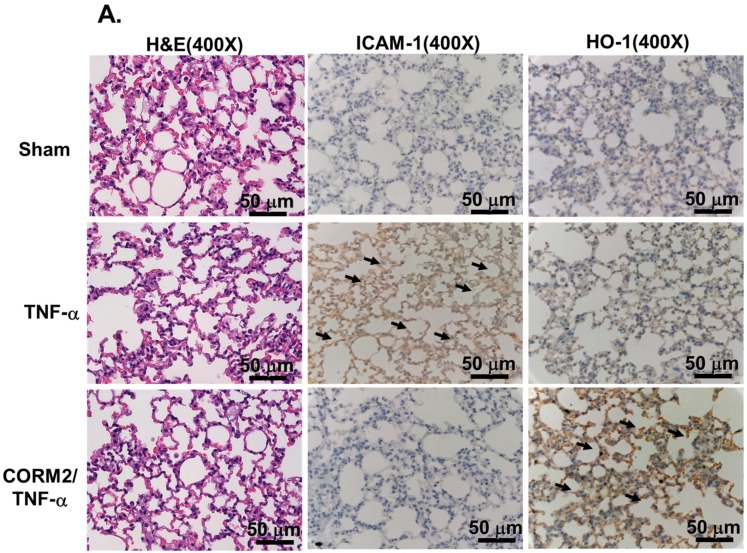
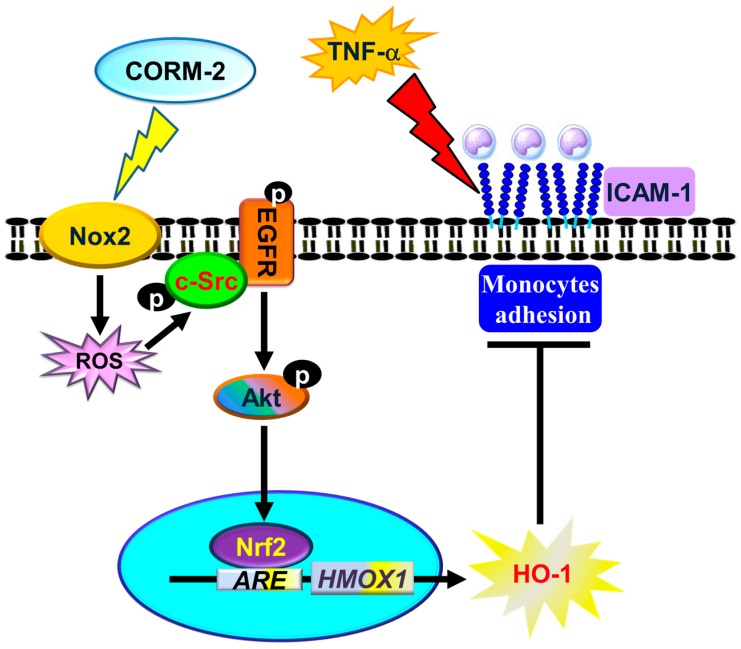
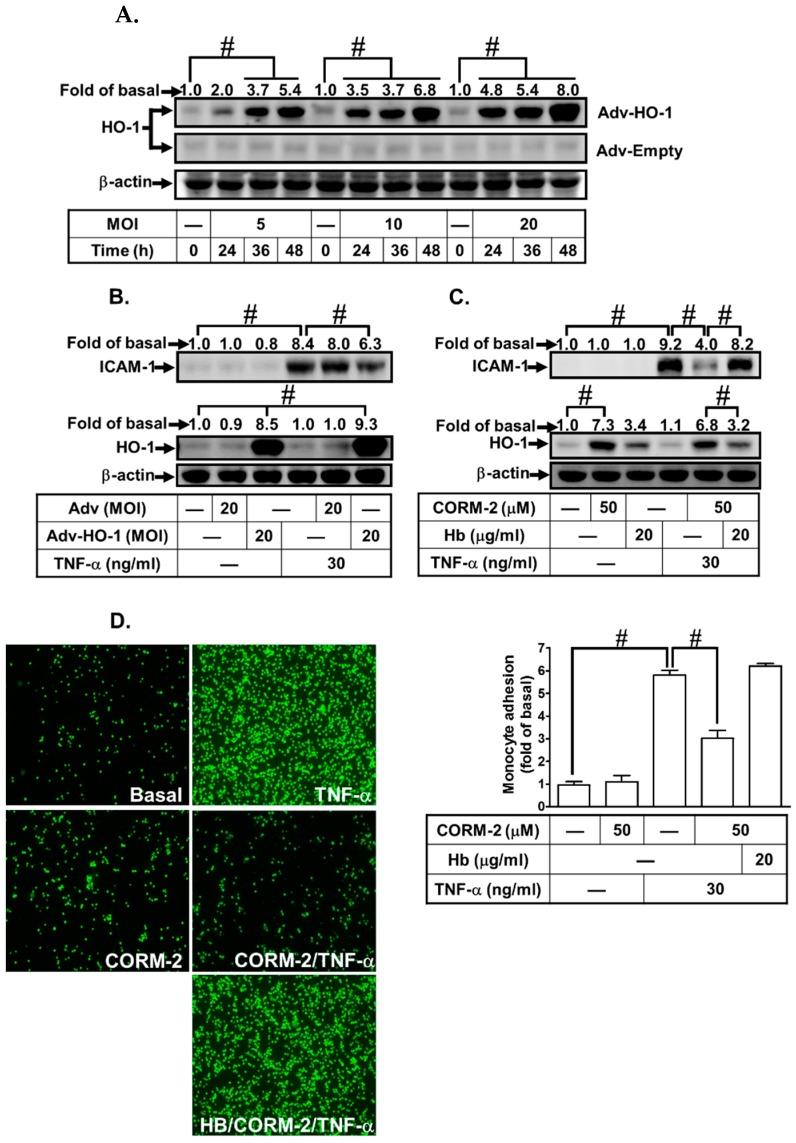
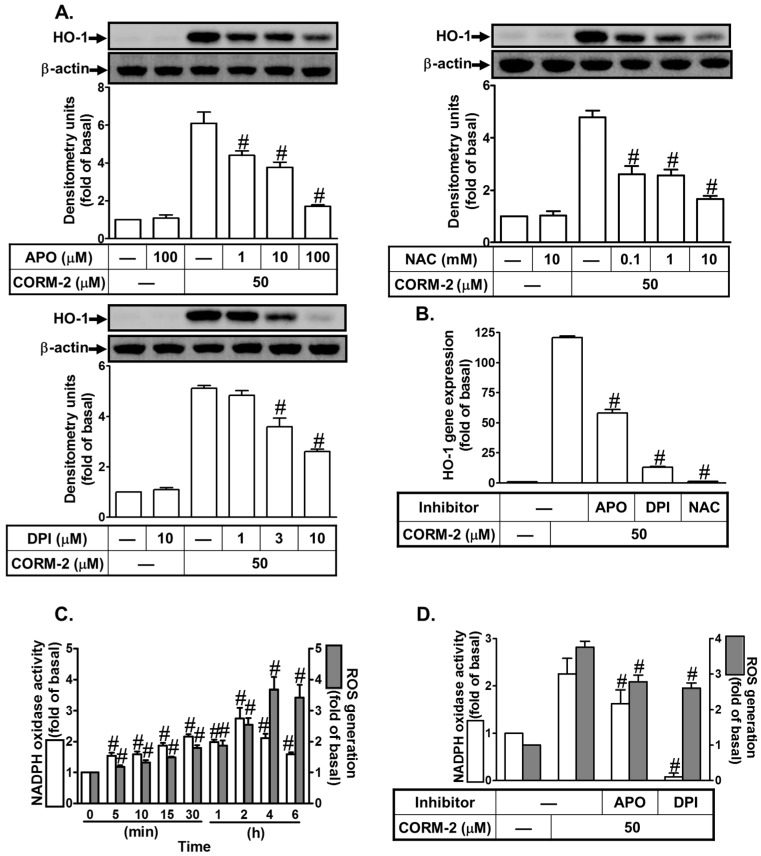
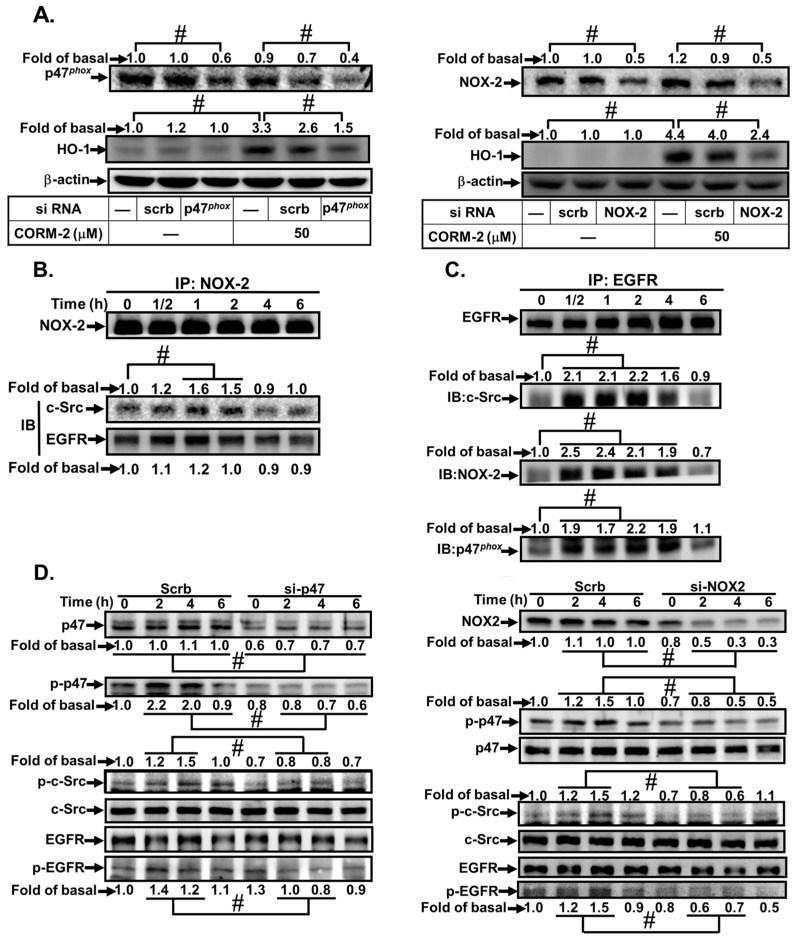
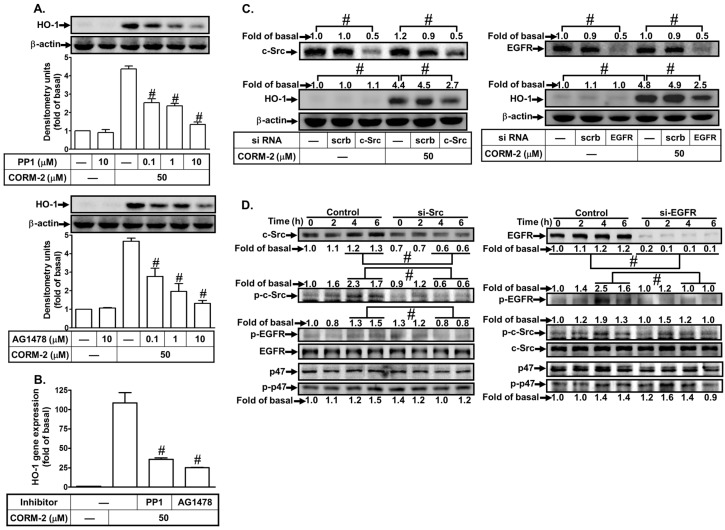
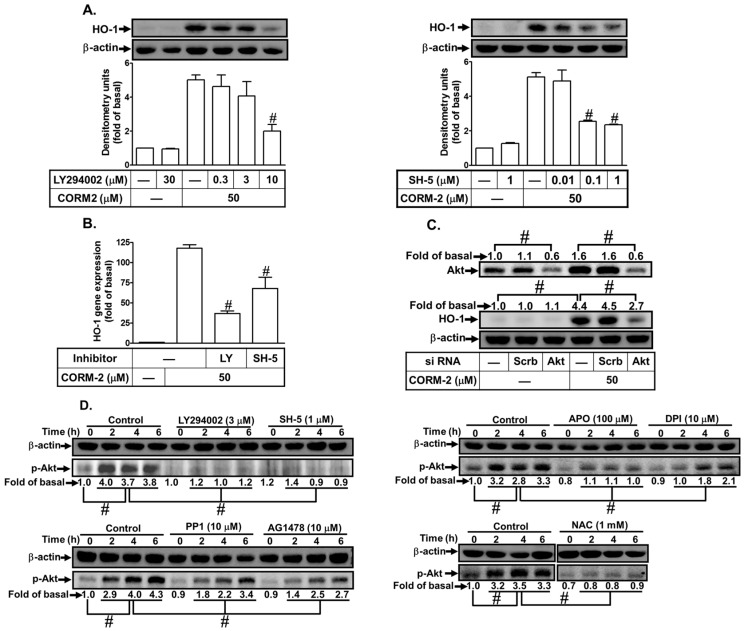
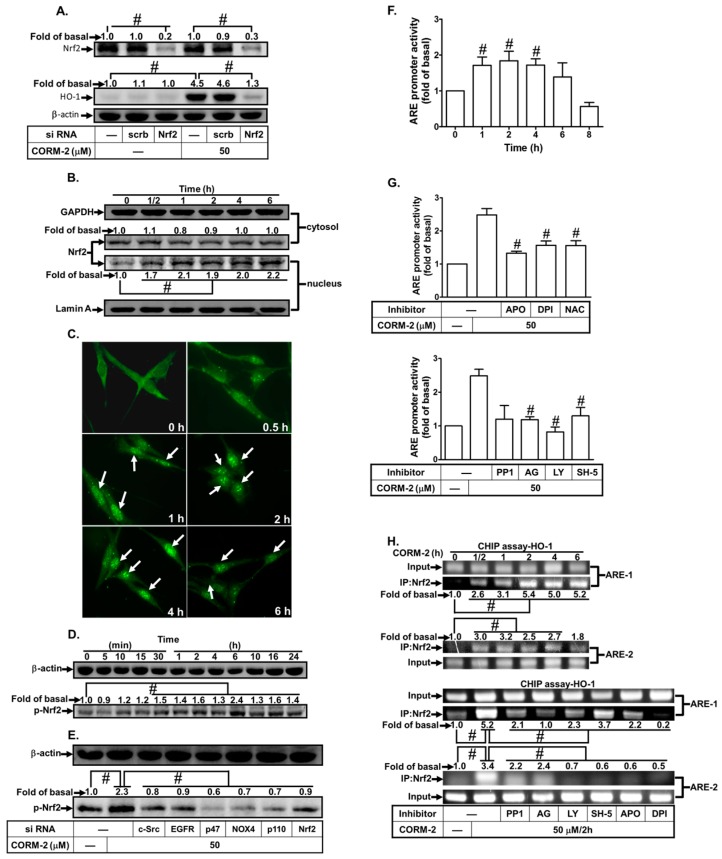
The upregulation of heme oxygenase-1 (HO-1) by the carbon monoxide-releasing molecule (CORM)-2 may be mediated through the activation of nicotinamide adenine dinucleotide phosphate (NADPH) oxidases [Nox] and reactive oxygen species (ROS) generation, which could provide cytoprotection against various cellular injuries. However, the detailed mechanisms of CORM-2-induced HO-1 expression in human pulmonary alveolar epithelial cells (HPAEpiCs) remain largely unknown. Therefore, we dissected the mechanisms underlying CORM-2-induced HO-1 expression in HPAEpiCs. We found that the administration of mice with CORM-2 attenuated the tumor necrosis factor-alpha (TNF-α)-induced intercellular adhesion molecule-1 (ICAM-1) expression and leukocyte count as revealed by immunohistochemical staining, western blot, real-time polymerase chain reaction (PCR), and cell count. Furthermore, TNF-α-induced ICAM-1 expression associated with monocyte adhesion to HPAEpiCs was attenuated by infection with adenovirus (adv)-HO-1 or incubation with CORM-2. These inhibitory effects of HO-1 were reversed by pretreatment with hemoglobin (Hb). Moreover, CORM-2-induced HO-1 expression was mediated via the phosphorylation of p47, c-Src, epidermal growth factor receptor (EGFR), Akt, and NF-E2-related factor 2 (Nrf2), which were inhibited by their pharmacological inhibitors, including diphenyleneiodonium (DPI) or apocynin (APO), ROS [N-acetyl-L-cysteine (NAC)], PP1, AG1478, PI3K (LY294002), or Akt (SH-5), and small interfering RNAs (siRNAs). CORM-2-enhanced Nrf2 expression, and anti-oxidant response element (ARE) promoter activity was also inhibited by these pharmacological inhibitors. The interaction between Nrf2 and AREs was confirmed with a chromatin immunoprecipitation (ChIP) assay. These findings suggest that CORM-2 increases the formation of the Nrf2 and AREs complex and binds with ARE-binding sites via Src, EGFR, and PI3K/Akt, which further induces HO-1 expression in HPAEpiCs. Thus, the HO-1/CO system might suppress TNF-α-mediated inflammatory responses and exert a potential therapeutic strategy in pulmonary diseases.
一氧化碳释放分子(CORM)-2对血红素加氧酶-1(HO-1)的上调作用可能是通过烟酰胺腺嘌呤二核苷酸磷酸(NADPH)氧化酶(Nox)的激活和活性氧(ROS)的生成来介导的,这可能为细胞抵御各种细胞损伤提供保护作用。然而,CORM-2诱导人肺泡上皮细胞(HPAEpiCs)中HO-1表达的详细机制仍不清楚。因此,我们剖析了CORM-2诱导HPAEpiCs中HO-1表达的潜在机制。我们发现,给予小鼠CORM-2可减弱肿瘤坏死因子-α(TNF-α)诱导的细胞间黏附分子-1(ICAM-1)表达及白细胞计数,这通过免疫组织化学染色、蛋白质印迹法、实时聚合酶链反应(PCR)及细胞计数得以证实。此外,感染腺病毒(adv)-HO-1或与CORM-2孵育可减弱TNF-α诱导的与单核细胞黏附于HPAEpiCs相关的ICAM-1表达。HO-1的这些抑制作用可被血红蛋白(Hb)预处理逆转。此外,CORM-2诱导的HO-1表达是通过p47、c-Src、表皮生长因子受体(EGFR)、Akt和核因子E2相关因子2(Nrf2)的磷酸化介导的,这些磷酸化被其药理学抑制剂所抑制,包括二苯基碘鎓(DPI)或夹竹桃麻素(APO)、ROS [N-乙酰-L-半胱氨酸(NAC)]、PP1、AG1478、磷脂酰肌醇3激酶(PI3K)(LY294002)或Akt(SH-5)以及小干扰RNA(siRNA)。CORM-2增强的Nrf2表达及抗氧化反应元件(ARE)启动子活性也被这些药理学抑制剂所抑制。通过染色质免疫沉淀(ChIP)分析证实了Nrf2与ARE之间的相互作用。这些发现表明,CORM-2增加了Nrf2与ARE复合物的形成,并通过Src、EGFR和PI3K/Akt与ARE结合位点结合,进而在HPAEpiCs中进一步诱导HO-1表达。因此,HO-1/CO系统可能抑制TNF-α介导的炎症反应,并在肺部疾病中发挥潜在的治疗策略。