Department of Pharmaceutics and Pharmaceutical Technology, College of Pharmacy, Taibah University, Al-Madinah Al-Munawwarah, Saudi Arabia,
Department of Pharmaceutics, Faculty of Pharmacy, Assiut University, Assiut, Egypt,
Int J Nanomedicine. 2019 Mar 13;14:1893-1906. doi: 10.2147/IJN.S194734. eCollection 2019.
Presenting poorly water-soluble drugs as nanoparticles has shown to be an effective technique in enhancing drug dissolution rate, intrinsic solubility, and thus oral bioavailability. Nevertheless, working with nanoparticles introduces many challenges, one of which is their physical instability. Formulating nanoparticles into a solid dosage form may overcome such challenges and thus unlock the potential benefits of nanosizing.
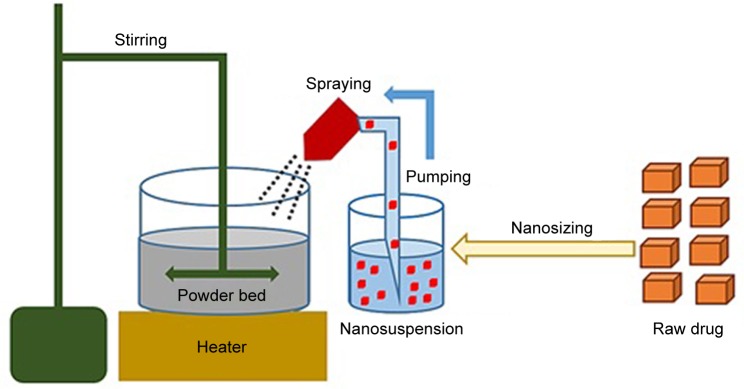
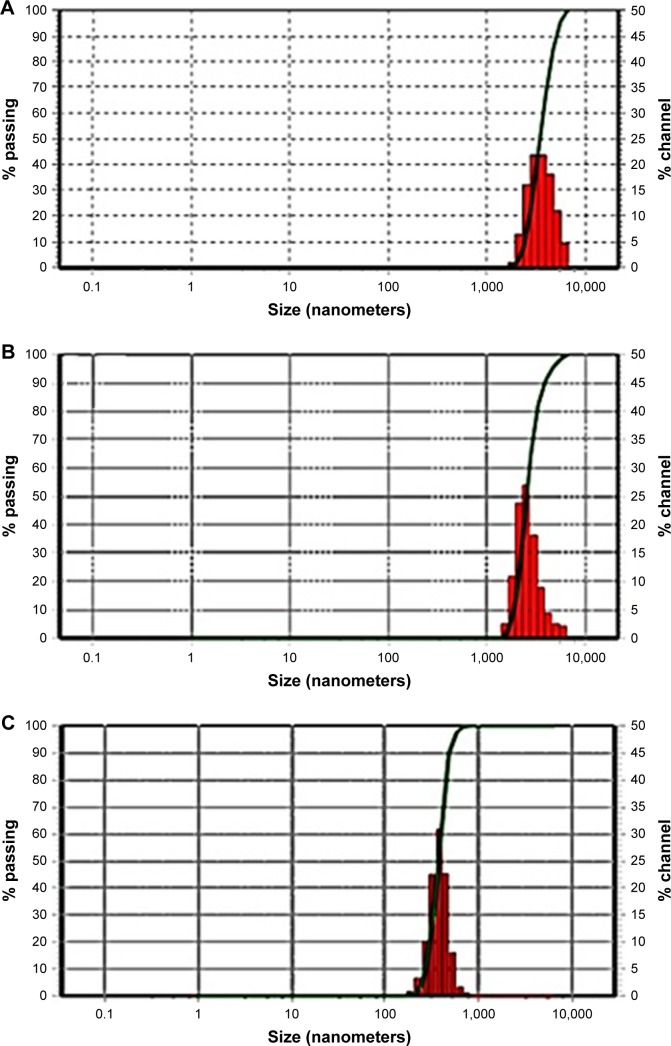
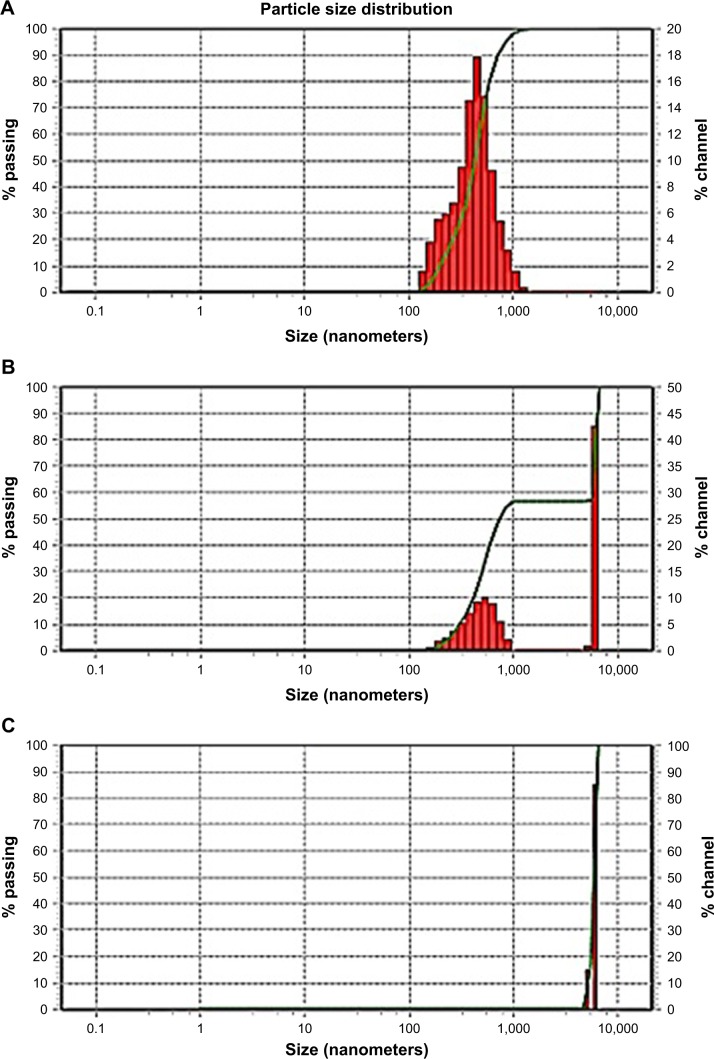
The current work investigates the possibility of developing a novel solid dosage form, with enhanced dissolution rate, whereby nanocrystals (~400 nm) of the class II Biopharmaceutical Classification System drug, glyburide (GBD) were fabricated through combined precipitation and homogenization procedures. Using a novel, but scalable, spraying technique, GBD nanocrystals were loaded onto commonly used tablet fillers, water-soluble lactose monohydrate (LAC), and water insoluble microcrystalline cellulose (MCC). Conventional tableting processes were then used to convert the powders generated into a tablet dosage form.
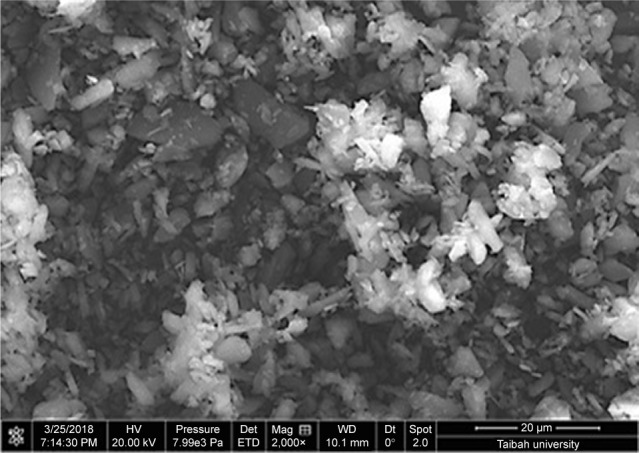
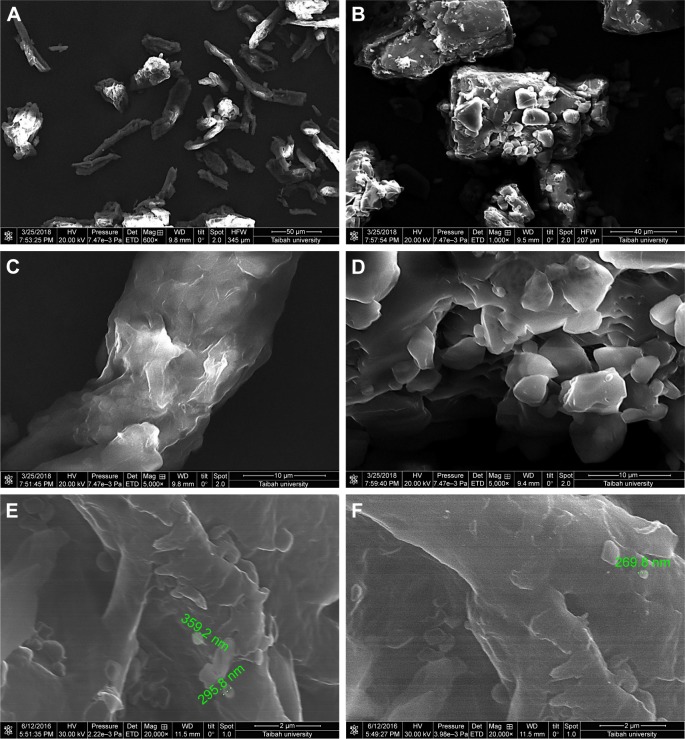
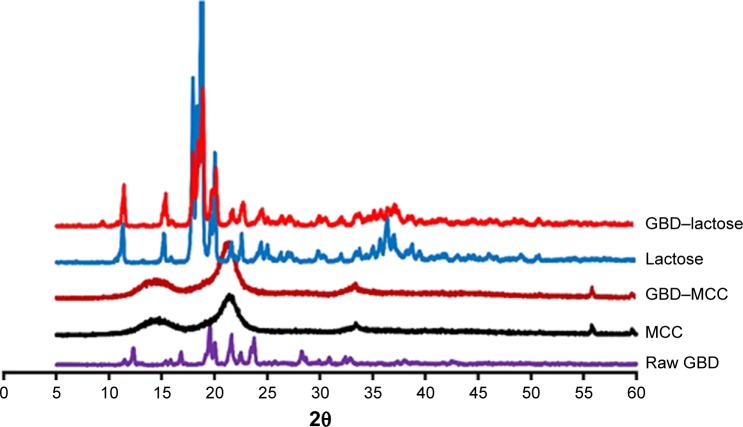
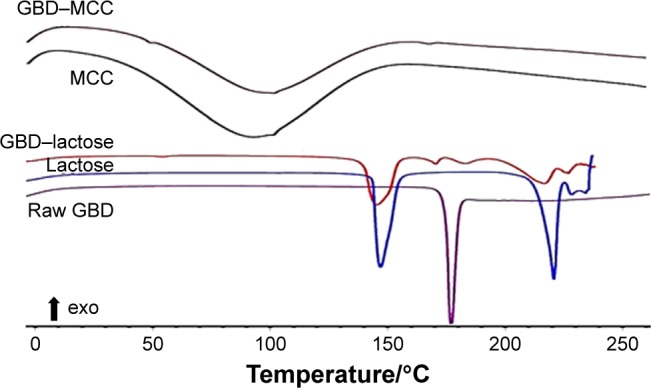
Studies of redispersibility showed considerable preservation of size characteristics of GBD nanocrystals during downstream processing with redispersibility indices of 105 and 118 for GBD-LAC and GBD-MCC, respectively. Characterization by differential scanning calorimetry, powder X-ray diffraction, and scanning electron microscopy showed that the powders generated powders contained nanosized crystals of GBD which adhered to carrier surfaces. Powder flowability was characterized using Hausner ratio (HR) and Carr's index (CI). GBD-LAC-loaded particles exhibited poor flowability with CI and HR of 37.5% and 1.60, respectively, whilst GBD-MCC particles showed a slightly improved flowability with CI and HR of 26.47% and 1.36, respectively. The novel tablet dosage form met US Pharmacopeia specifications, including drug content, hardness, and friability.
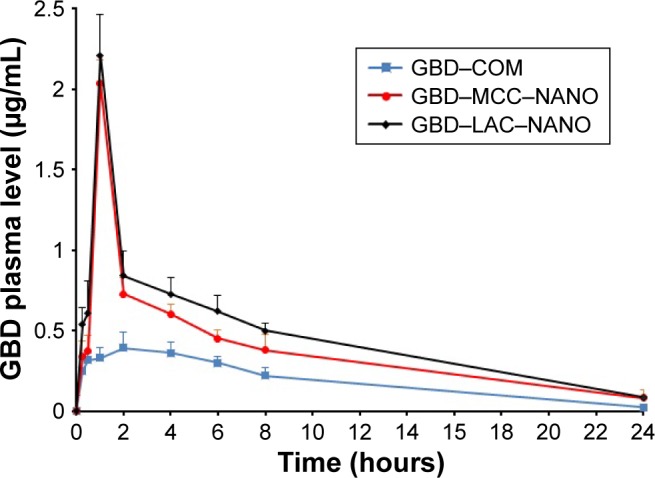
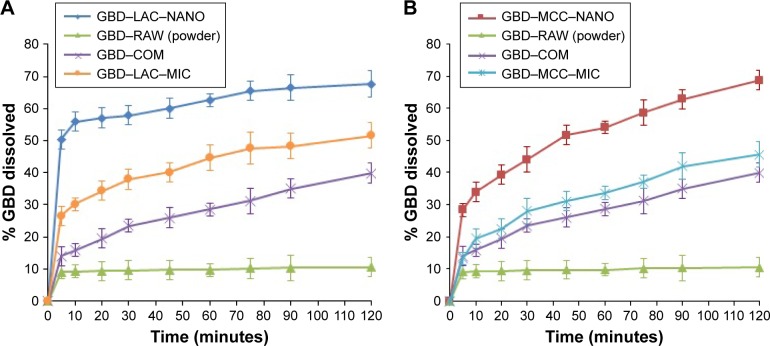
Higher dissolution rates were observed from the nanocrystal-based tablets compared to the microsized and commercial drug formulations. Moreover, the novel nanocrystal tablet dosage forms showed enhanced in vivo performance with area under the plasma concentration- time curve in the first 24 hours values 1.97 and 2.24 times greater than that of marketed tablets.
将难溶性药物制成纳米颗粒已被证明是一种有效提高药物溶解速率、内在溶解度进而提高口服生物利用度的方法。然而,纳米颗粒的应用也带来了许多挑战,其中之一就是其物理不稳定性。将纳米颗粒制成固体剂型可以克服这些挑战,从而发挥纳米化的潜在优势。
本研究旨在探索开发一种新型固体剂型的可能性,该剂型具有增强的溶解速率,即将生物药剂学分类系统(BCS)Ⅱ类药物格列吡嗪(GBD)的纳米晶体(~400nm)通过联合沉淀和匀化工艺制备而成。通过一种新颖但可扩展的喷雾技术,将 GBD 纳米晶体负载到常用的片剂赋形剂水溶性乳糖一水合物(LAC)和水不溶性微晶纤维素(MCC)上。然后,采用常规压片工艺将生成的粉末转化为片剂剂型。
再分散性研究表明,在下游加工过程中,GBD 纳米晶体的尺寸特性得到了相当程度的保持,GBD-LAC 和 GBD-MCC 的再分散指数分别为 105 和 118。差示扫描量热法、粉末 X 射线衍射和扫描电子显微镜的表征表明,生成的粉末中含有粘附在载体表面的 GBD 纳米晶体。粉末流动性通过 Hausner 比(HR)和 Carr 指数(CI)进行表征。GBD-LAC 载药粒子的流动性较差,CI 和 HR 分别为 37.5%和 1.60,而 GBD-MCC 载药粒子的流动性略有改善,CI 和 HR 分别为 26.47%和 1.36。新型片剂剂型符合美国药典的规格要求,包括药物含量、硬度和脆碎度。
与微粉化和市售药物制剂相比,基于纳米晶体的片剂具有更高的溶解速率。此外,新型纳米晶体片剂剂型在体内表现出增强的性能,前 24 小时的血浆浓度-时间曲线下面积(AUC)值分别是市售片剂的 1.97 倍和 2.24 倍。