1 The University of Texas MD Anderson Cancer Center, Houston, TX, USA.
2 Sean Harribance Institute for Parapsychology, Inc., Sugarland, TX, USA.
Integr Cancer Ther. 2019 Jan-Dec;18:1534735419840797. doi: 10.1177/1534735419840797.
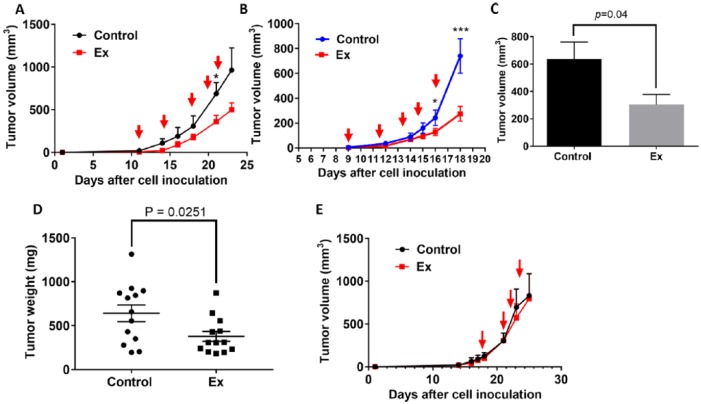
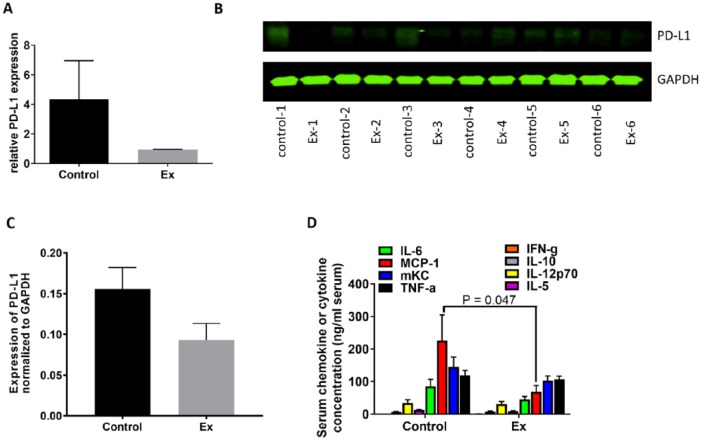
Biofield therapies have gained popularity and are being explored as possible treatments for cancer. In some cases, devices have been developed that mimic the electromagnetic fields that are emitted from people delivering biofield therapies. However, there is limited research examining if humans could potentially inhibit the proliferation of cancer cells and suppress tumor growth through modification of inflammation and the immune system. We found that human NSCLC A549 lung cancer cells exposed to Sean L. Harribance, a purported healer, showed reduced viability and downregulation of pAkt. We further observed that the experimental exposure slowed growth of mouse Lewis lung carcinoma evidenced by significantly smaller tumor volume in the experimental mice (274.3 ± 188.9 mm) than that of control mice (740.5 ± 460.2 mm; P < .05). Exposure to the experimental condition markedly reduced tumoral expression of pS6, a cytosolic marker of cell proliferation, by 45% compared with that of the control group. Results of reversed phase proteomic array suggested that the experimental exposure downregulated the PD-L1 expression in the tumor tissues. Similarly, the serum levels of cytokines, especially MCP-1, were significantly reduced in the experimental group ( P < .05). Furthermore, TILs profiling showed that CD8/CD4 immune cell population was increased by almost 2-fold in the experimental condition whereas the number of intratumoral CD25/CD4 (T-reg cells) and CD68 macrophages were 84% and 33%, respectively, lower than that of the control group. Together, these findings suggest that exposure to purported biofields from a human is capable of suppressing tumor growth, which might be in part mediated through modification of the tumor microenvironment, immune function, and anti-inflammatory activity in our mouse lung tumor model.
生物场疗法已经广受欢迎,并被探索作为癌症的可能治疗方法。在某些情况下,已经开发出了模仿从提供生物场疗法的人身上发出的电磁场的设备。然而,目前关于人类是否有可能通过改变炎症和免疫系统来抑制癌细胞的增殖和抑制肿瘤生长的研究有限。我们发现,暴露于所谓的治疗师肖恩·L·哈里班斯(Sean L. Harribance)的人非小细胞肺癌 A549 肺癌细胞的活力降低,并且 pAkt 下调。我们进一步观察到,实验暴露使小鼠 Lewis 肺癌的生长速度减慢,实验小鼠的肿瘤体积明显小于对照组(实验小鼠为 274.3±188.9mm,对照组为 740.5±460.2mm;P<0.05)。与对照组相比,实验条件下的暴露使肿瘤中 pS6(细胞增殖的细胞质标志物)的表达减少了 45%。反相蛋白质组阵列的结果表明,实验暴露下调了肿瘤组织中的 PD-L1 表达。同样,实验组的细胞因子(尤其是 MCP-1)血清水平显著降低(P<0.05)。此外,TIL 分析显示,在实验条件下,CD8/CD4 免疫细胞群增加了近 2 倍,而肿瘤内 CD25/CD4(T 调节细胞)和 CD68 巨噬细胞的数量分别降低了 84%和 33%,低于对照组。总之,这些发现表明,暴露于人类的所谓生物场能够抑制肿瘤生长,这可能部分是通过改变肿瘤微环境、免疫功能和抗炎活性来实现的。