The Jiangsu Key Laboratory of Infection and Immunity, Institutes of Biology and Medical Sciences, Soochow University, Suzhou, 215123, Jiangsu, China.
Microb Cell Fact. 2019 Apr 4;18(1):66. doi: 10.1186/s12934-019-1115-z.
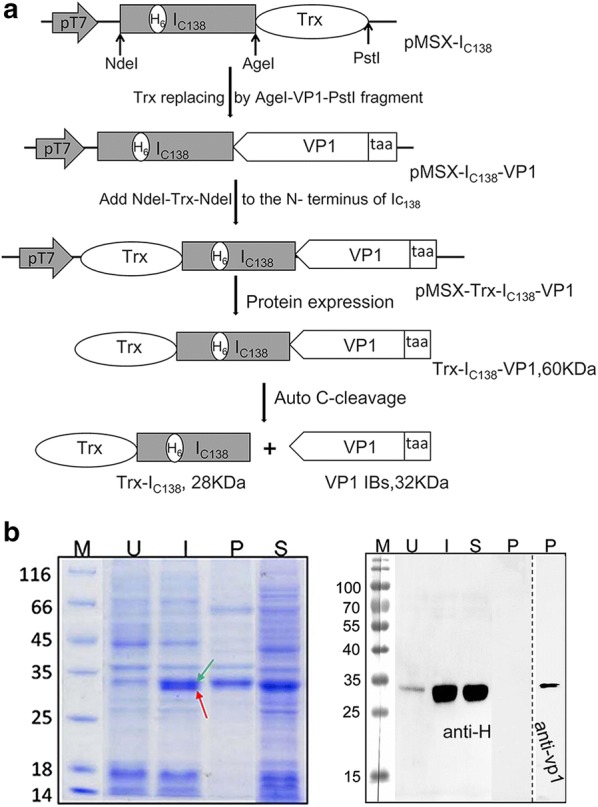
Oral vaccine is highly desired for infectious disease which is caused by pathogens infection through the mucosal surface. The design of suitable vaccine delivery system is ongoing for the antigen protection from the harsh gastric environment and target to the Peyer's patches to induce sufficient mucosal immune responses. Among various potential delivery systems, bacterial inclusion bodies have been widely used as delivery systems in the field of nanobiomedicine. However, a large number of heterologous complex proteins could be difficult to propagate in E. coli and fusion partners are often used to enhance target protein expression. As a safety concern the fusion protein need to be removed from the target protein to get tag-free protein, especially for the production of protein antigen in vaccinology. Until now, there is no report on how to remove fusion tag from inclusion body particles in vitro and in vivo. Coxsackievirus B3 (CVB3) is a leading causative agent of viral myocarditis and orally protein vaccine is high desired for CVB3-induced myocarditis. In this context, we explored a tag-free VP1 inclusion body nanoparticles production protocol though a truncated Ssp DnaX mini-intein spontaneous C-cleavage in vivo and also exploited the VP1 inclusion bodies as an oral protein nanoparticle vaccine to protect mice against CVB3-induced myocarditis.
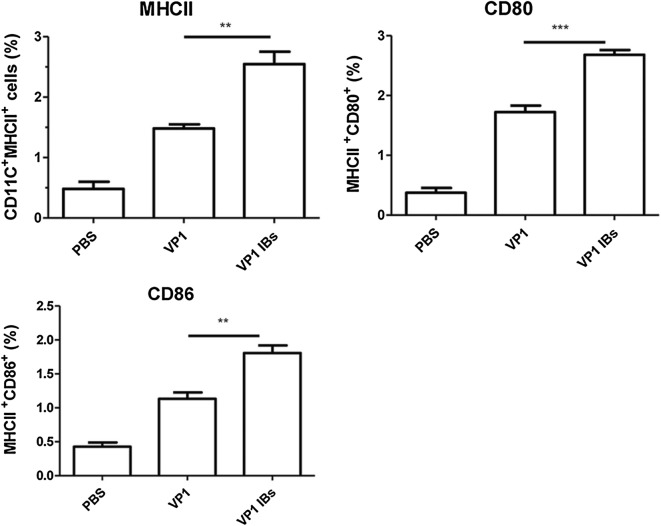
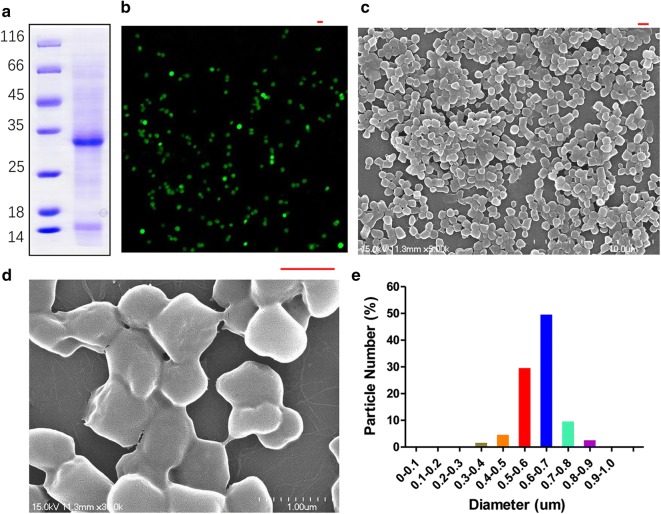
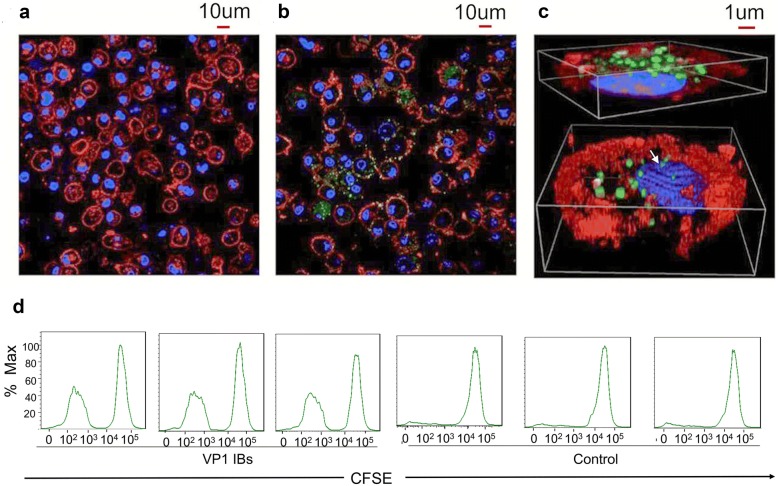
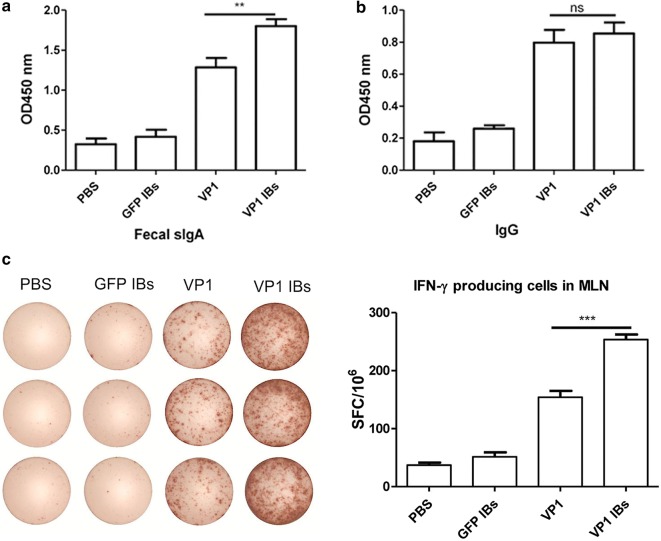
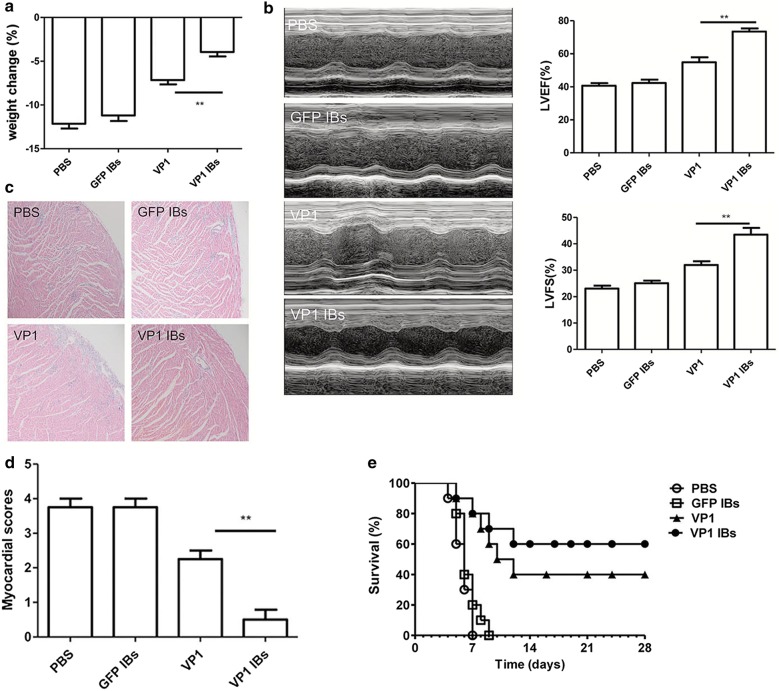
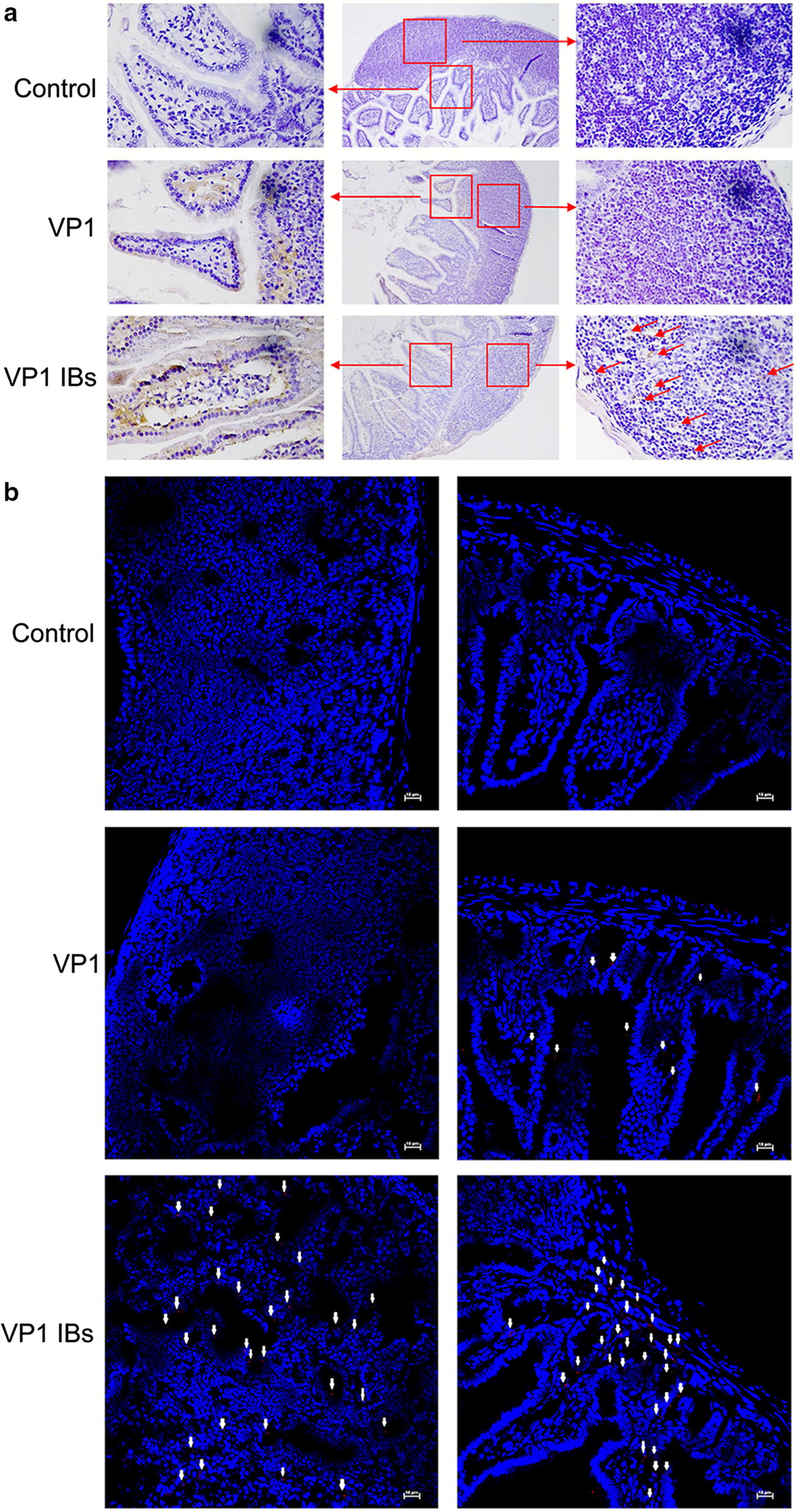
We successfully produced the tag-free VP1 inclusion body nanoparticle antigen of CVB3 and orally administrated to mice. The results showed that the tag-free VP1 inclusion body nanoparticles as an effective antigen delivery system targeting to the Peyer's patches had the capacity to induce mucosal immunity as well as to efficiently protect mice from CVB3 induce myocarditis without any adjuvant. Then, we proposed the use of VP1 inclusion body nanoparticles as good candidate for oral vaccine to against CVB3-induced myocarditis.
Our tag-free inclusion body nanoparticles production procedure is easy and low cost and may have universal applicability to produce a variety of tag-free inclusion body nanoparticles for oral vaccine.
对于通过黏膜表面感染病原体引起的传染病,人们非常希望使用口服疫苗。目前正在设计合适的疫苗传递系统,以保护抗原免受恶劣的胃环境影响,并将其靶向派伊尔斑,以诱导足够的黏膜免疫反应。在各种潜在的传递系统中,细菌包含体已广泛应用于纳米生物医学领域。然而,大量的异源复杂蛋白在大肠杆菌中可能难以繁殖,并且经常使用融合伴侣来增强靶蛋白的表达。作为一个安全问题,融合蛋白需要从靶蛋白中去除,以获得无标签蛋白,特别是在疫苗学中生产蛋白抗原时。到目前为止,还没有关于如何在体外和体内从包含体颗粒中去除融合标签的报道。柯萨奇病毒 B3(CVB3)是病毒性心肌炎的主要病原体,口服蛋白疫苗是防治 CVB3 诱导的心肌炎的理想选择。在这种情况下,我们通过体内截断 Ssp DnaX 微型内含肽的自发 C 裂解探索了一种无标签 VP1 包含体纳米颗粒的生产方案,并且还利用 VP1 包含体作为口服蛋白纳米颗粒疫苗来保护小鼠免受 CVB3 诱导的心肌炎。
我们成功生产了无标签的 CVB3 VP1 包含体纳米颗粒抗原,并对小鼠进行了口服给药。结果表明,无标签 VP1 包含体纳米颗粒作为一种有效的抗原传递系统,可靶向派伊尔斑,具有诱导黏膜免疫的能力,并且无需佐剂即可有效保护小鼠免受 CVB3 诱导的心肌炎。然后,我们提出将 VP1 包含体纳米颗粒作为口服疫苗对抗 CVB3 诱导的心肌炎的良好候选物。
我们的无标签包含体纳米颗粒生产程序简单且成本低廉,可能具有普遍适用性,可用于生产各种无标签包含体纳米颗粒作为口服疫苗。