Institute of Translational Medicine, The First Hospital, Jilin University, 130001, Changchun, China.
Key Laboratory of Zoonosis, Ministry of Education, Institute of Zoonosis, College of Veterinary Medicine, Jilin University, Changchun, China.
Cell Death Dis. 2019 Apr 5;10(4):313. doi: 10.1038/s41419-019-1543-z.
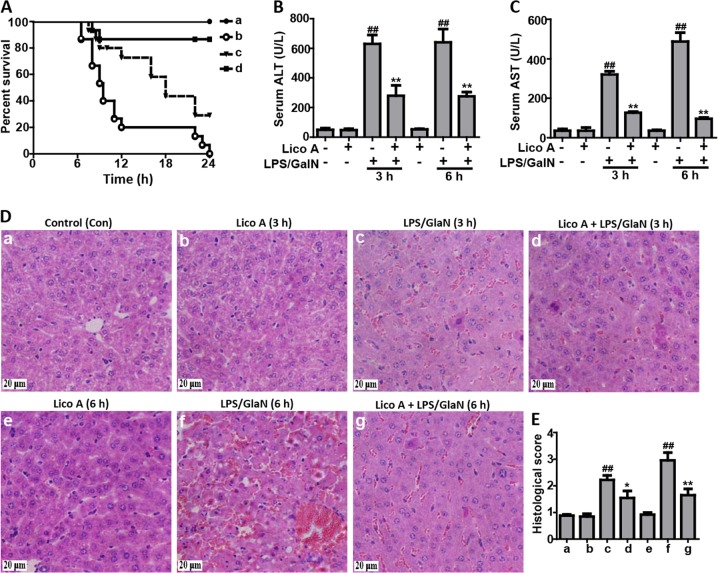
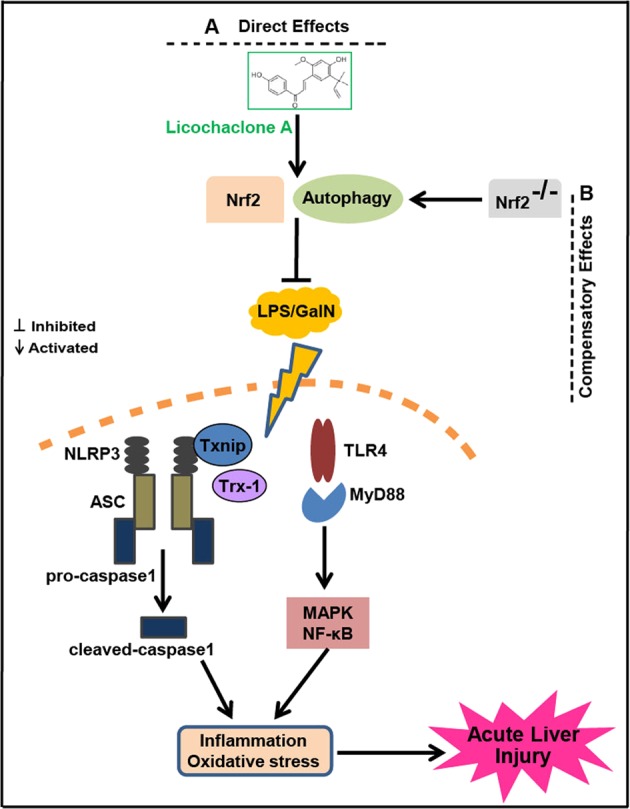
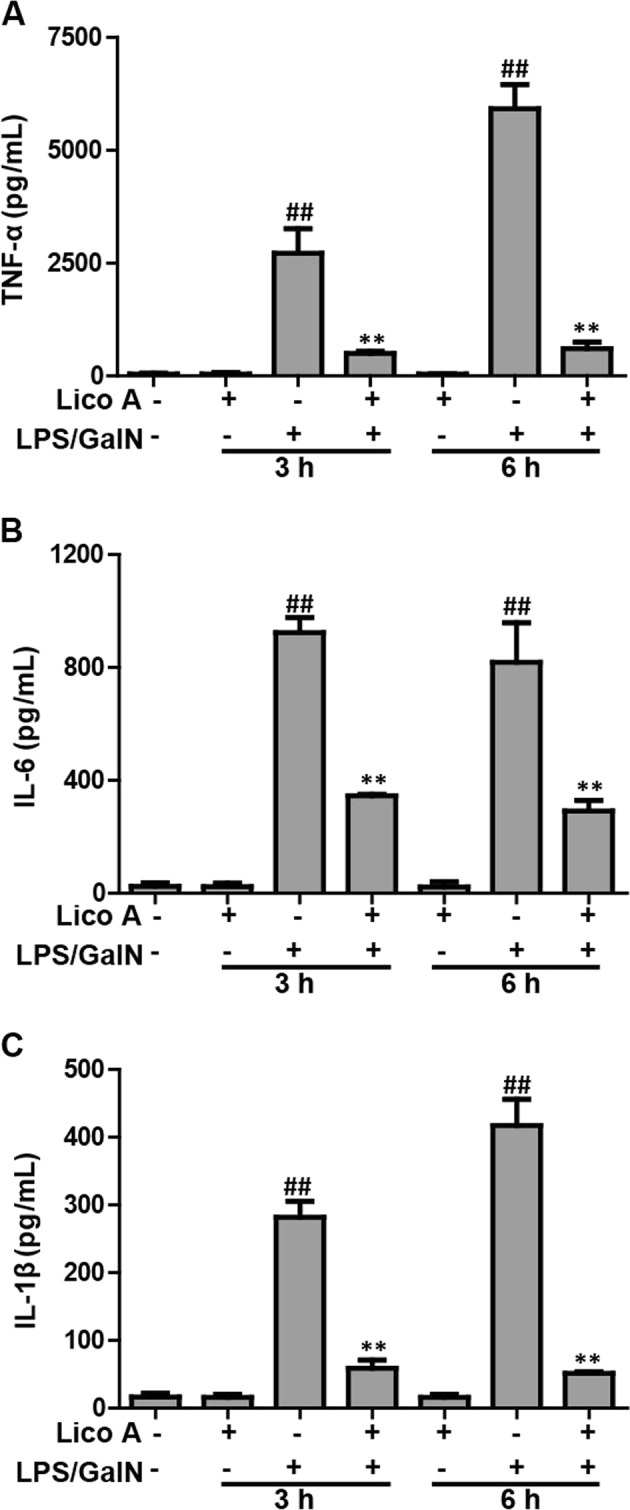
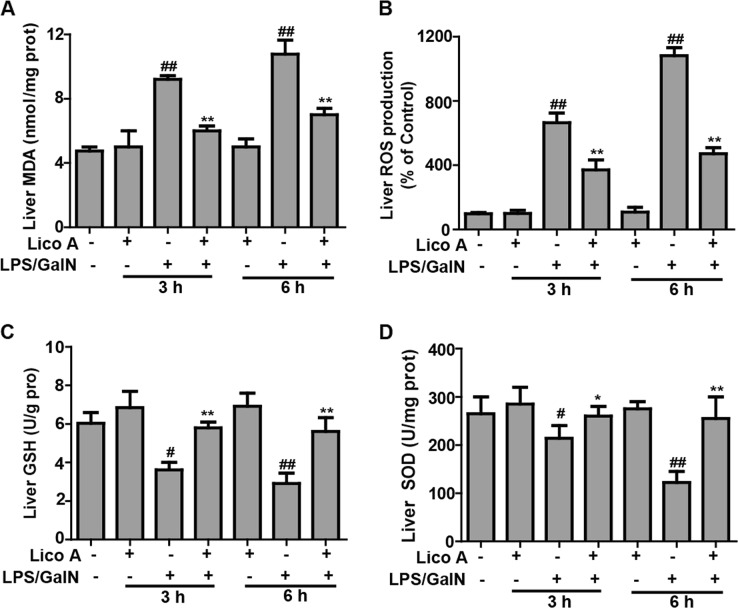
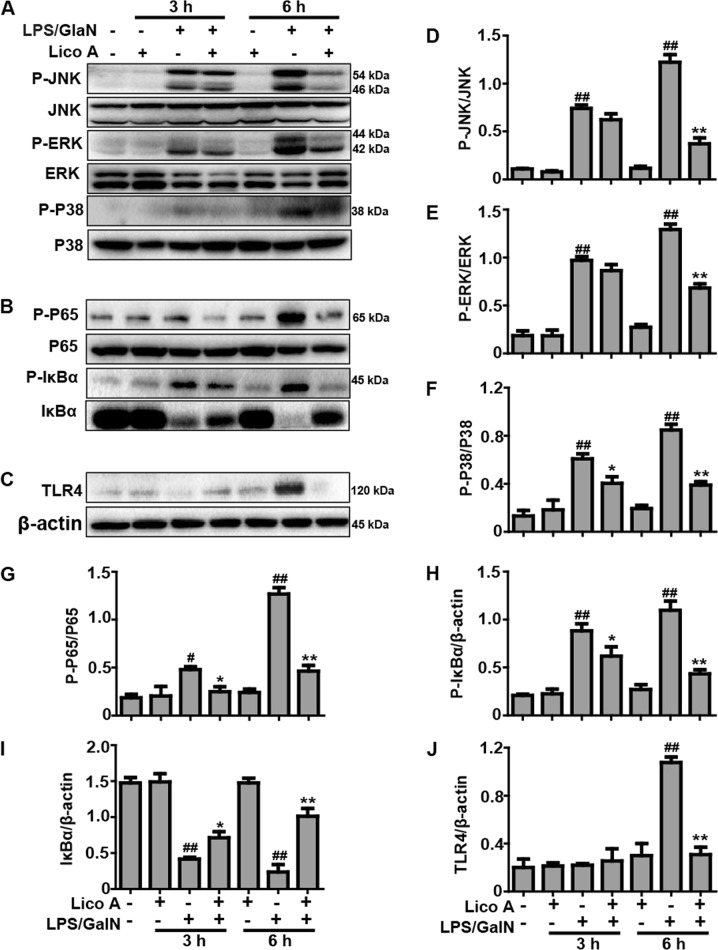
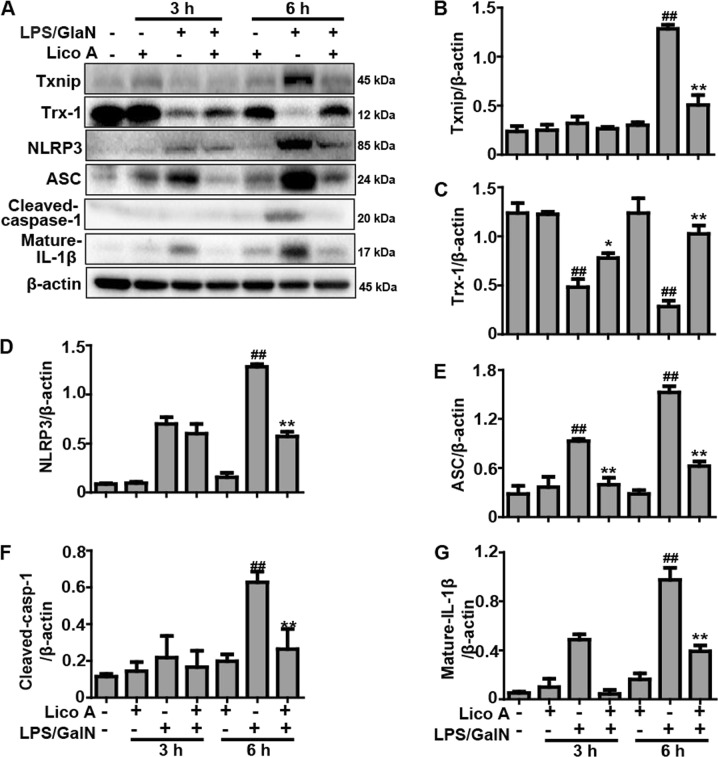
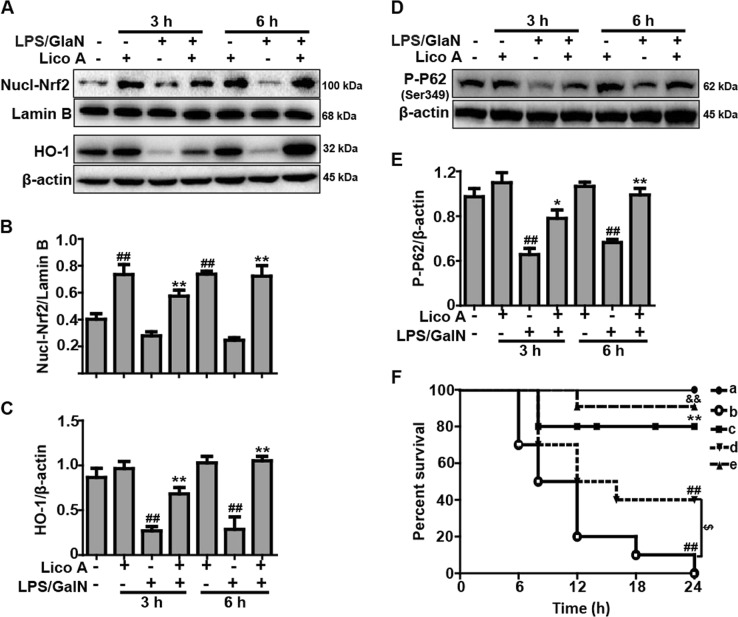
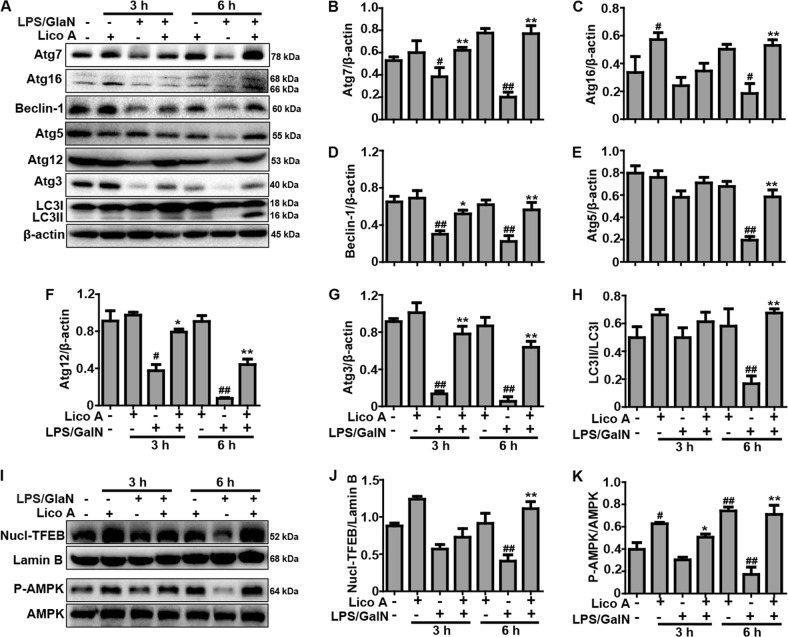
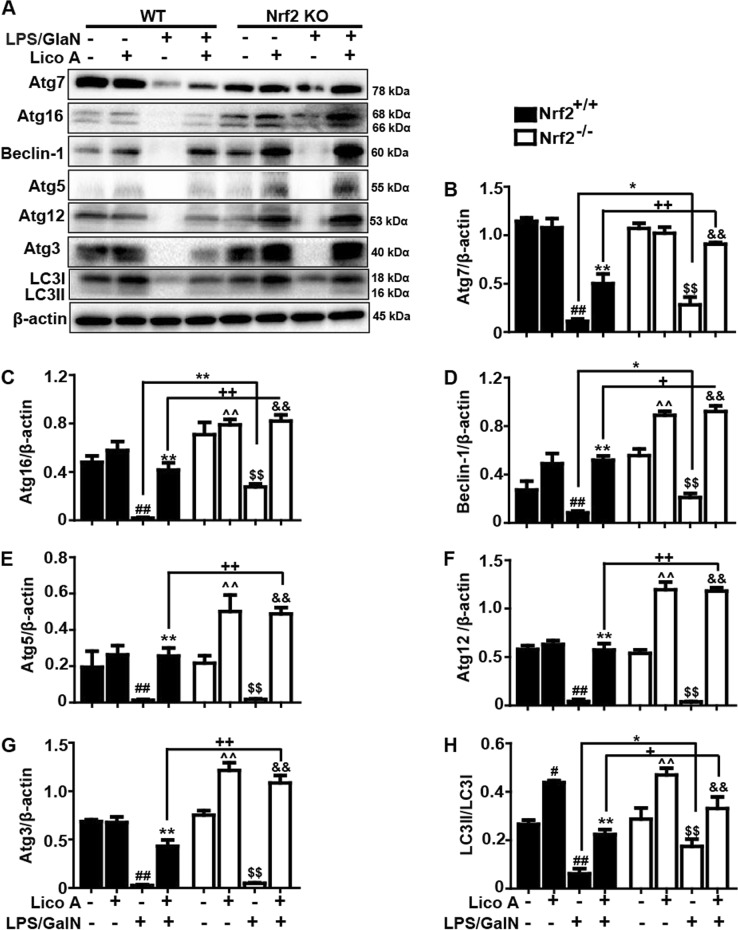
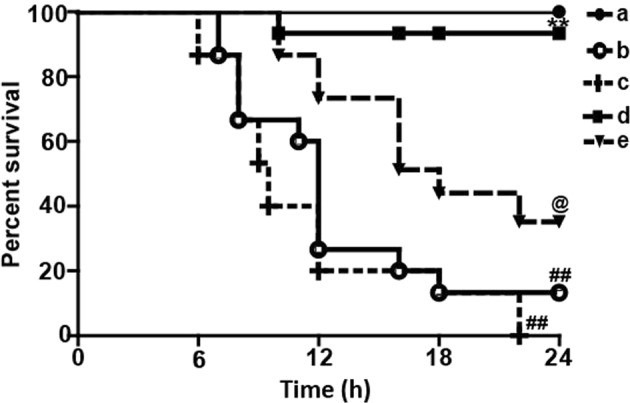
Licochalcone A (Lico A), isolated from Xinjiang licorice Glycyrrhiza inflate, has been shown to have antioxidative potential via the activation of nuclear factor-erythroid 2-related factor 2 (Nrf2) activation, which is involved in the prevention of acetaminophen-induced hepatotoxicity. The purpose of the current study was to further explore the protective effect of Lico A against lipopolysaccharide/d-galactosamine (LPS/GalN)-induced acute liver injury (ALI) and its underlying molecular mechanisms. Our results found that treatment with Lico A significantly reduced in LPS/GalN-induced hepatotoxicity by lessening lethality, alleviating histopathological liver changes, decreasing the alanine transaminase, and aspartate aminotransferase levels, attenuating the secretion of inflammatory cytokines, and regulating oxidative markers. Furthermore, Lico A efficiently alleviated LPS-induced inflammatory response by inhibiting TLR4-MAPK and -NF-κB, as well as the Txnip-NLRP3 signaling pathway. Meanwhile, Lico A induced the activation of Nrf2 and QSTM1 (P62) signaling and promoted autophagy involved in AMP-activated protein kinase (AMPK)-the transcription factor EB (TFEB) signaling, which may contribute to its hepatoprotective activity. Additional mechanistic investigations to evaluate the dependence of the hepatoprotective role of Lico A on Nrf2 revealed that a lack of Nrf2 promoted Lico A-induced autophagy, which contributed to the hepatoprotective effect of Lico A in Nrf2 mice. In addition, cotreatment with autophagy inhibitor (3-methyladenine, 3-MA) alleviated but did not abrogate the hepatoprotective effect of Lico A, which may be attributed to its ability to activate Nrf2. Our study firstly suggests that Lico A has protective potential against LPS/GalN-induced hepatotoxicity, which may be strongly associated with activation of Nrf2 and autophagy.
甘草素 A (Lico A) 从新疆甘草 Glycyrrhiza inflate 中分离出来,已被证明具有抗氧化潜力,可通过激活核因子-红细胞 2 相关因子 2 (Nrf2) 来实现,这与预防对乙酰氨基酚诱导的肝毒性有关。本研究的目的是进一步探讨 Lico A 对脂多糖/半乳糖胺 (LPS/GalN) 诱导的急性肝损伤 (ALI) 的保护作用及其潜在的分子机制。我们的研究结果发现,Lico A 可通过降低死亡率、减轻组织病理学肝脏变化、降低丙氨酸转氨酶和天冬氨酸转氨酶水平、减轻炎症细胞因子的分泌以及调节氧化标志物来减轻 LPS/GalN 诱导的肝毒性。此外,Lico A 通过抑制 TLR4-MAPK 和 -NF-κB 以及 Txnip-NLRP3 信号通路,有效地缓解了 LPS 引起的炎症反应。同时,Lico A 诱导 Nrf2 和 QSTM1 (P62) 信号的激活,并促进了参与 AMP 激活的蛋白激酶 (AMPK)-转录因子 EB (TFEB) 信号的自噬,这可能有助于其肝保护活性。进一步的机制研究评估了 Lico A 的肝保护作用对 Nrf2 的依赖性,结果表明,缺乏 Nrf2 会促进 Lico A 诱导的自噬,这有助于 Lico A 在 Nrf2 敲除小鼠中发挥肝保护作用。此外,自噬抑制剂 (3-甲基腺嘌呤,3-MA) 的共同处理减轻了但没有消除 Lico A 的肝保护作用,这可能归因于其激活 Nrf2 的能力。本研究首次表明,Lico A 具有对抗 LPS/GalN 诱导的肝毒性的保护潜力,这可能与激活 Nrf2 和自噬密切相关。