Yan Ge, Saeed Mohamed E M, Foersch Sebastian, Schneider Jose, Roth Wilfried, Efferth Thomas
Department of Pharmaceutical Biology, Institute of Pharmacy and Biochemistry, Johannes Gutenberg University, Mainz, Germany.
Institute of Pathology, University Medical Center, Mainz, Germany.
Oncotarget. 2019 Mar 8;10(20):1918-1931. doi: 10.18632/oncotarget.26727.
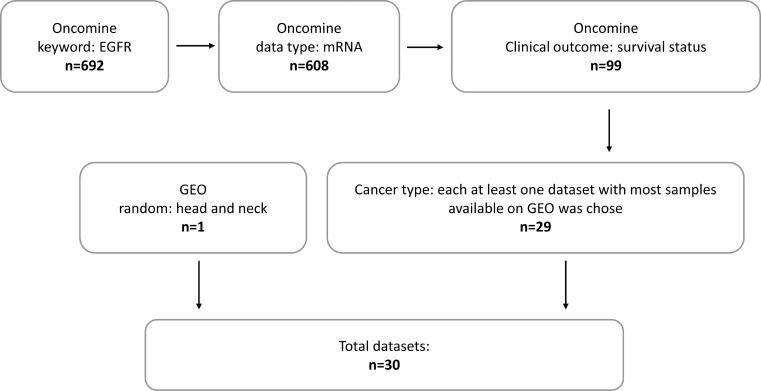
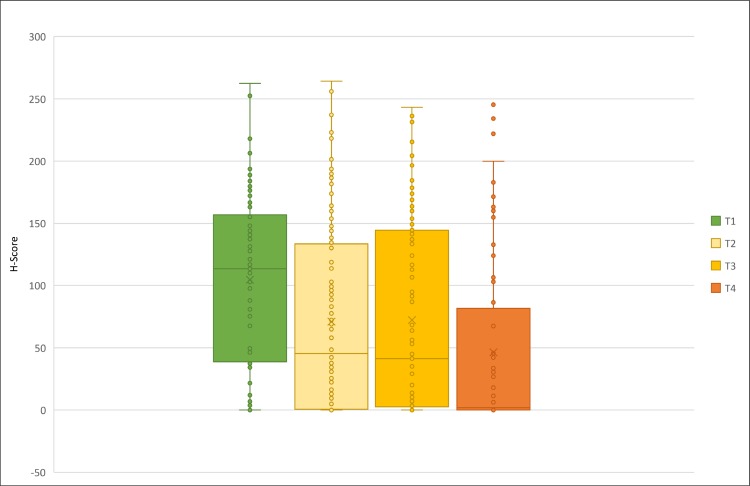
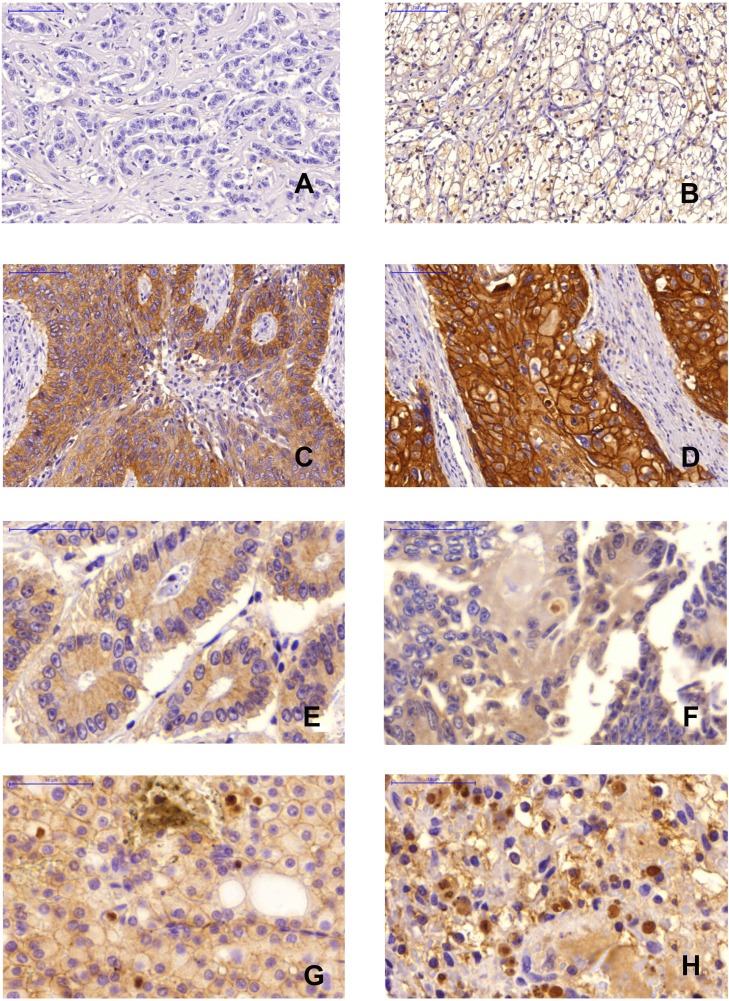
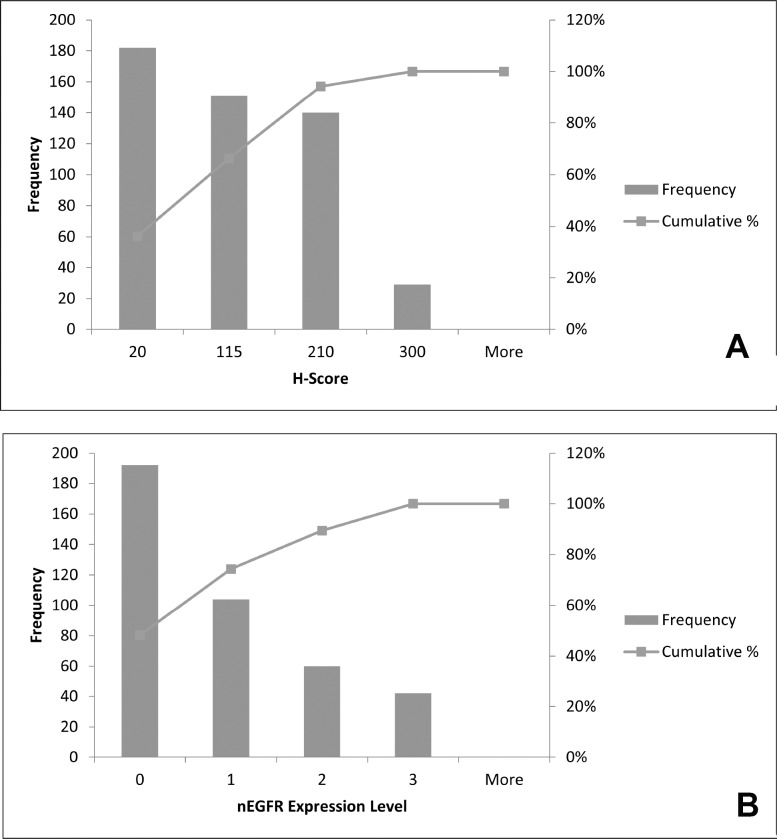
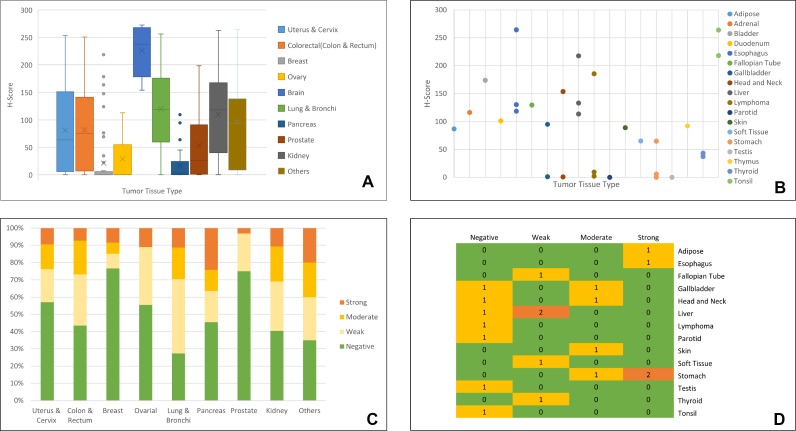
Epidermal growth factor receptor (EGFR) as a prevalent oncogene regulates proliferation, apoptosis and differentiation and thereby contributes to carcinogenesis. Even though, the documentation on its clinical relevance is surprisingly heterogeneous in the scientific literature. Here, we systematically investigated the correlation of mRNA to survival time and pathological parameters by analyzing 30 datasets . Furthermore, the prognostic value of membrane-bound, cytoplasmic (mcEGFR) and nuclear expression (nEGFR) of EGFR was experimentally analyzed by immunohistochemical staining of 502 biopsies from 27 tumor types. We found that protein expression of EGFR showed better prognostic efficiency compared to mRNA, and that mcEGFR expression was positively correlated with nEGFR expression ( < 0.001). Unexpectedly, both mcEGFR and nEGFR expression were associated with low T stage ( < 0.001 and = 0.004; respectively). Moreover, positive mcEGFR was significantly related to high differentiation ( = 0.027). No significant correlation was found with any other pathological parameters. Collectively, our results imply that the oncogenic function of EGFR may be more related to nascent stages of carcinogenesis than to advanced and progressive tumors, which may as well explain at least partially the occurrence of secondary resistance against EGFR-directed therapy.
表皮生长因子受体(EGFR)作为一种普遍存在的癌基因,可调节细胞增殖、凋亡和分化,从而促进肿瘤发生。尽管如此,其临床相关性在科学文献中的记录却出人意料地参差不齐。在此,我们通过分析30个数据集,系统地研究了mRNA与生存时间及病理参数之间的相关性。此外,我们通过对来自27种肿瘤类型的502份活检样本进行免疫组织化学染色,对EGFR的膜结合、细胞质(mcEGFR)和核表达(nEGFR)的预后价值进行了实验分析。我们发现,与mRNA相比,EGFR的蛋白表达显示出更好的预后效率,并且mcEGFR表达与nEGFR表达呈正相关(<0.001)。出乎意料的是,mcEGFR和nEGFR表达均与低T分期相关(分别为<0.001和=0.004)。此外,mcEGFR阳性与高分化显著相关(=0.027)。未发现与任何其他病理参数存在显著相关性。总体而言,我们的结果表明,EGFR的致癌功能可能与肿瘤发生的早期阶段更为相关,而非与晚期进展性肿瘤相关,这也可能至少部分解释了针对EGFR靶向治疗出现继发性耐药的原因。