Cao Xun, Meng Lu, Zhang Niya, Zhou Zhongxin
College of Animal Sciences & Technology, Huazhong Agriculture University, 1 Shizishan Street, Wuhan 430070, China.
The Cooperative Innovation Center for Sustainable Pig Production, 1 Shizishan Street, Wuhan 430070, China.
Polymers (Basel). 2017 Aug 31;9(9):398. doi: 10.3390/polym9090398.
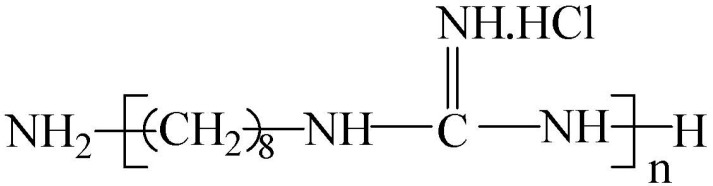
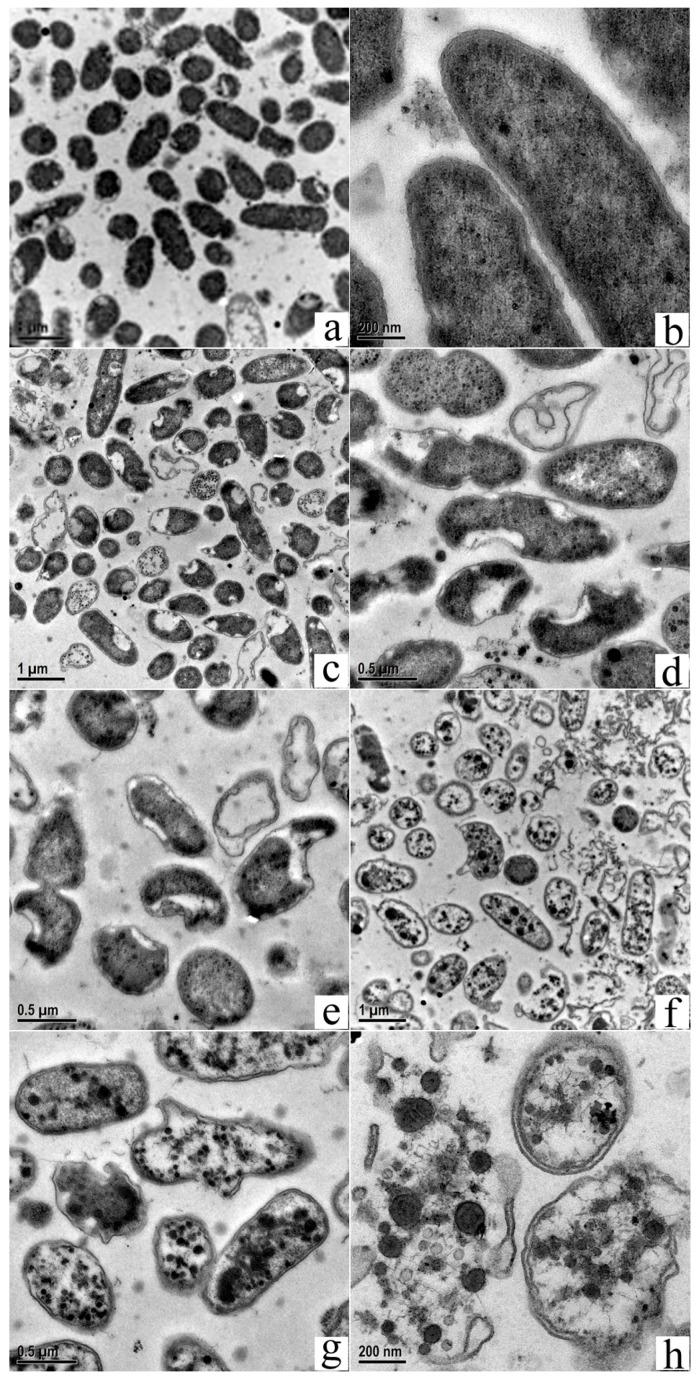
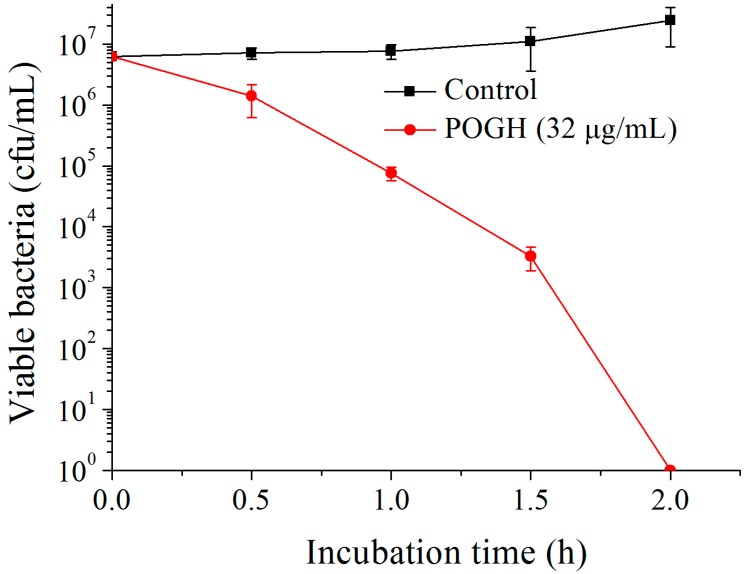
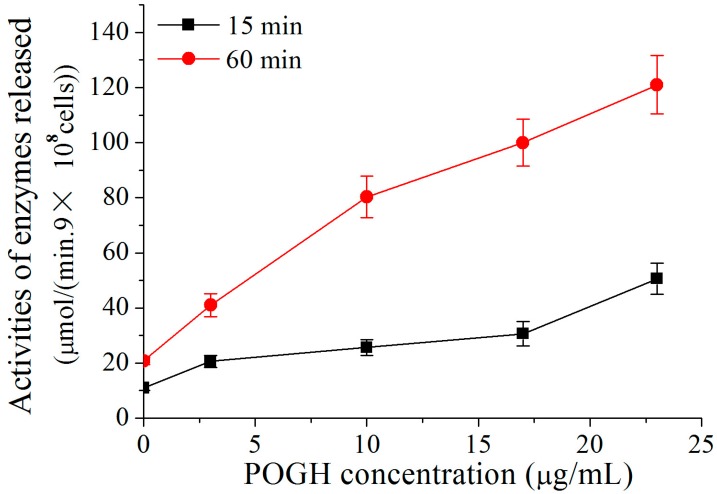
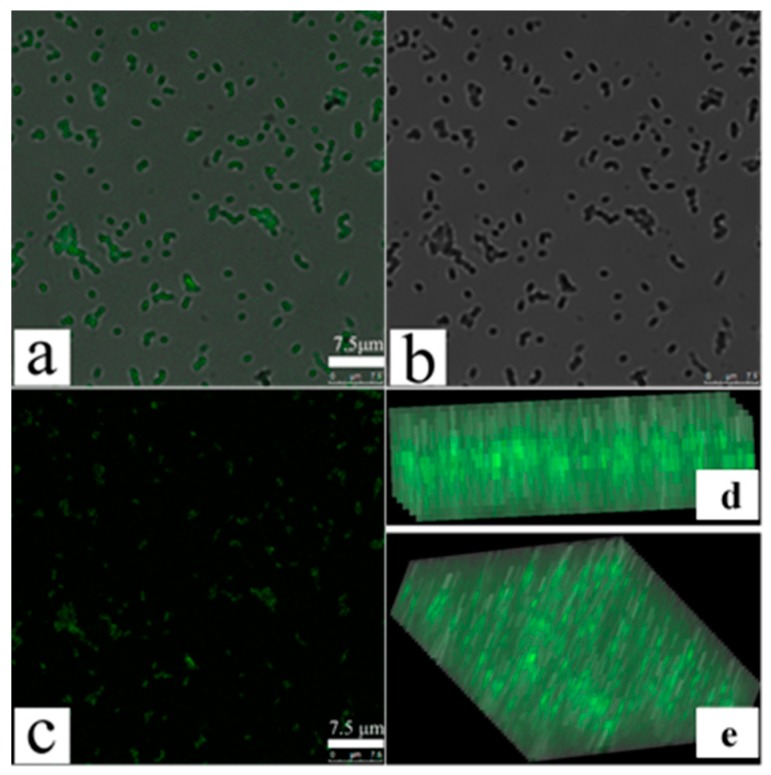
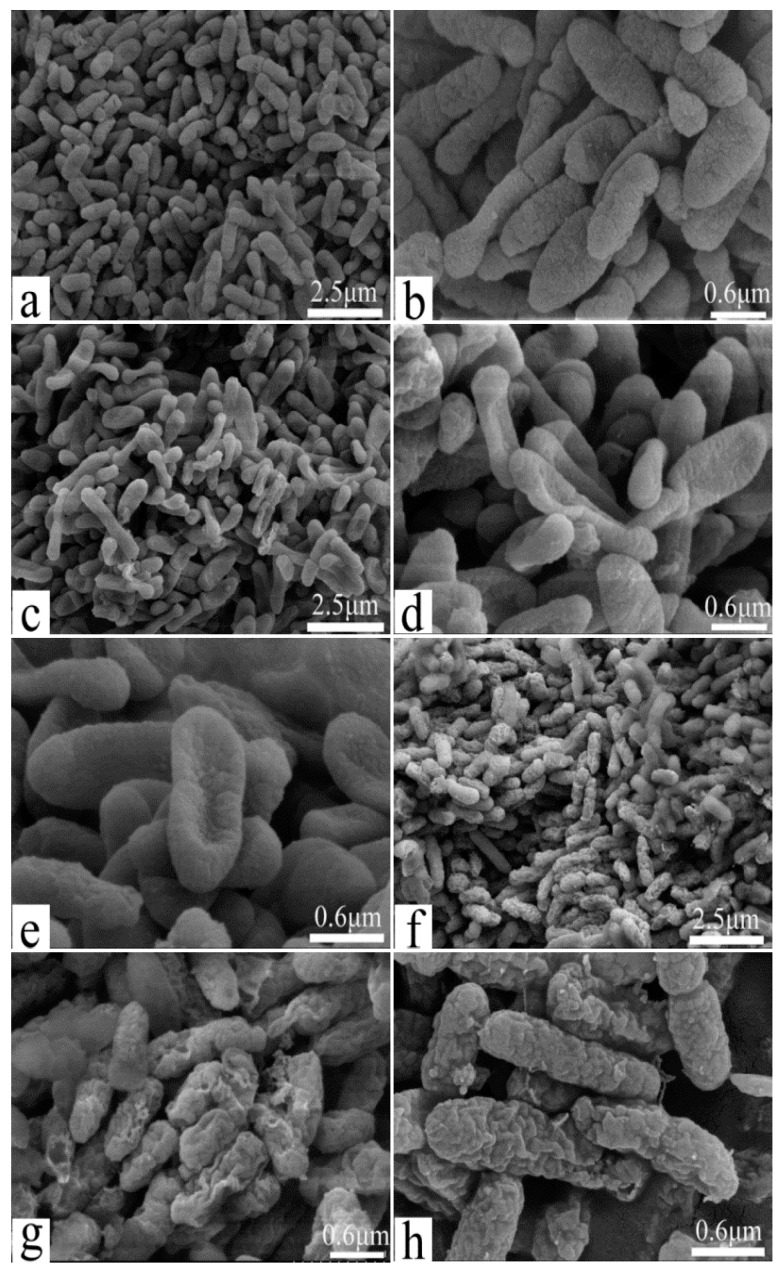
Advances in antimicrobial activities of molecule-containing, multiple guanidinium groups against antibiotics-resistant bacteria should be noted. The synthesized polyoctamethylene monoguanidine hydrochloride (POGH), carrying cationic amphiphilic moieties, display excellent activity against multidrug-resistant (MDR-PA) and other antibiotics-resistant bacteria. The membrane damage effects of POGH on MDR-PA were clarified using beta-lactamase activity assay, confocal fluorescence microscopy, scanning electron microscopy, and transmission electron microscopy. The results showed that POGH disrupted both the outer and inner membranes and the intracellular structure of MDR-PA to different extents depending on the dose. All concentrations of POGH within 3⁻23 μg/mL increased the outer membrane permeability, which facilitated the release of beta-lactamase across the inner membrane. A median dose (10 μg/mL) of POGH led to the separation of the inner and outer membrane, an increase in the membrane gap, and outer membrane structure damage with still maintained overall cytoskeletal structures. The application of a 30 μg/mL dose of POGH led to the collapse of the outer membrane, cellular wrinkling, and shrinkage, and the formation of local membrane holes. The disruption of the outer and inner membranes and the formation of the local membrane holes by a relative high dose were probably the main bactericidal mechanism of POGH. The microscopic evidence explained the strong outer-membrane permeation ability of guanidine-based antimicrobial polymers, which could be considered for the molecular design of novel guanidine-based polymers, as well as the damaged membrane structure and intracellular structure of MDR-PA.
含多个胍基的分子对耐药菌抗菌活性的进展值得关注。合成的携带阳离子两亲性部分的聚亚辛基单胍盐酸盐(POGH)对多重耐药菌(MDR-PA)和其他耐药菌表现出优异的活性。利用β-内酰胺酶活性测定、共聚焦荧光显微镜、扫描电子显微镜和透射电子显微镜阐明了POGH对MDR-PA的膜损伤作用。结果表明,POGH根据剂量不同程度地破坏了MDR-PA的外膜、内膜和细胞内结构。3⁻23μg/mL范围内的所有POGH浓度均增加了外膜通透性,促进了β-内酰胺酶穿过内膜的释放。POGH的中位剂量(10μg/mL)导致内膜和外膜分离、膜间隙增加以及外膜结构损伤,同时整体细胞骨架结构仍保持完整。30μg/mL剂量的POGH导致外膜塌陷、细胞起皱和收缩,并形成局部膜孔。相对高剂量对内外膜的破坏和局部膜孔的形成可能是POGH的主要杀菌机制。微观证据解释了胍基抗菌聚合物强大的外膜渗透能力,这可用于新型胍基聚合物的分子设计,以及MDR-PA的膜结构和细胞内结构损伤的研究。