Cottaz Amandine, Bouarab Lynda, De Clercq Justine, Oulahal Nadia, Degraeve Pascal, Joly Catherine
Université de Lyon, Université Claude Bernard Lyon 1, ISARA Lyon, BioDyMIA (Bioingénierie et Dynamique Microbienne aux Interfaces Alimentaires), Equipe Mixte d'Accueil n°3733, IUT Lyon 1, Technopole Alimentec, Bourg-en-Bresse, France.
Front Chem. 2019 Mar 22;7:148. doi: 10.3389/fchem.2019.00148. eCollection 2019.
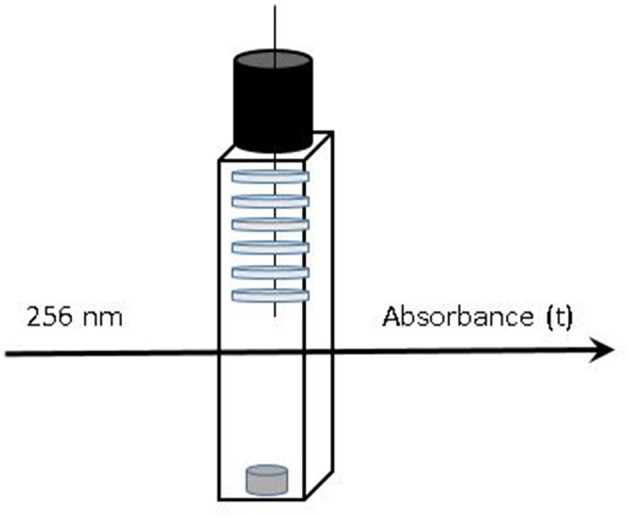
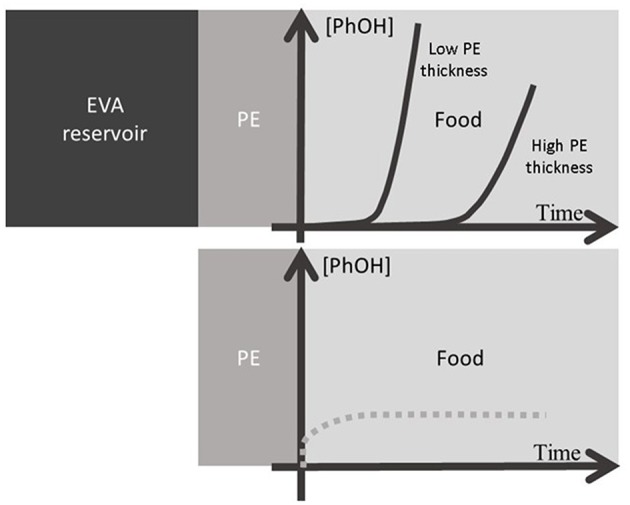
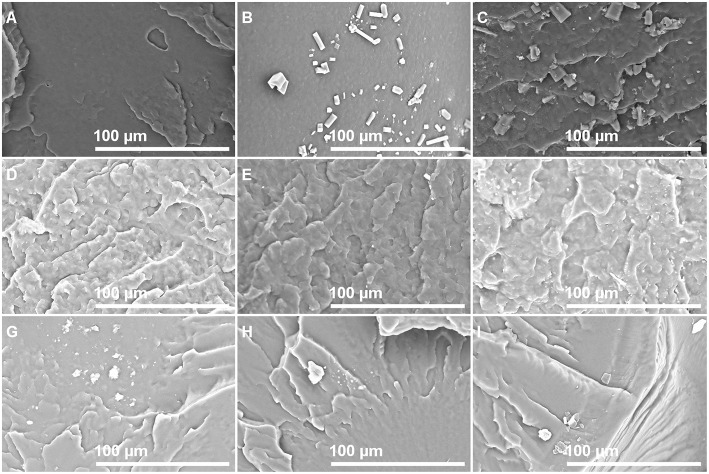
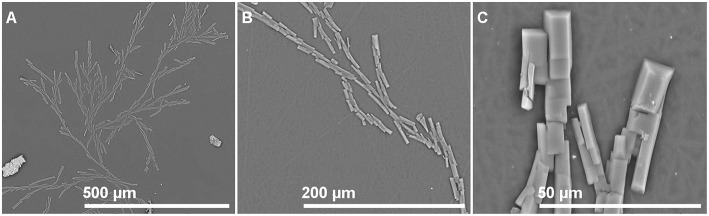
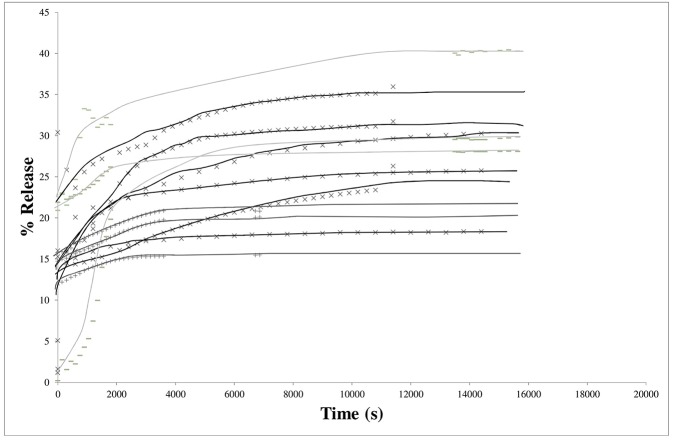
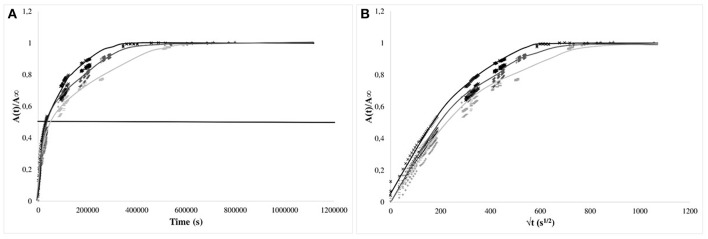
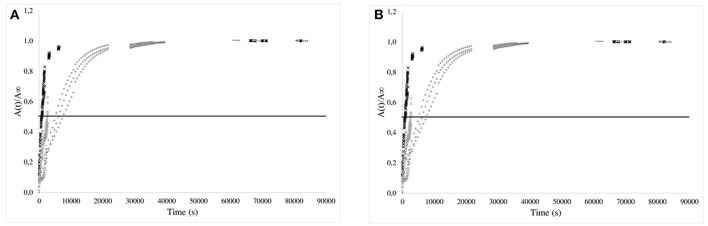
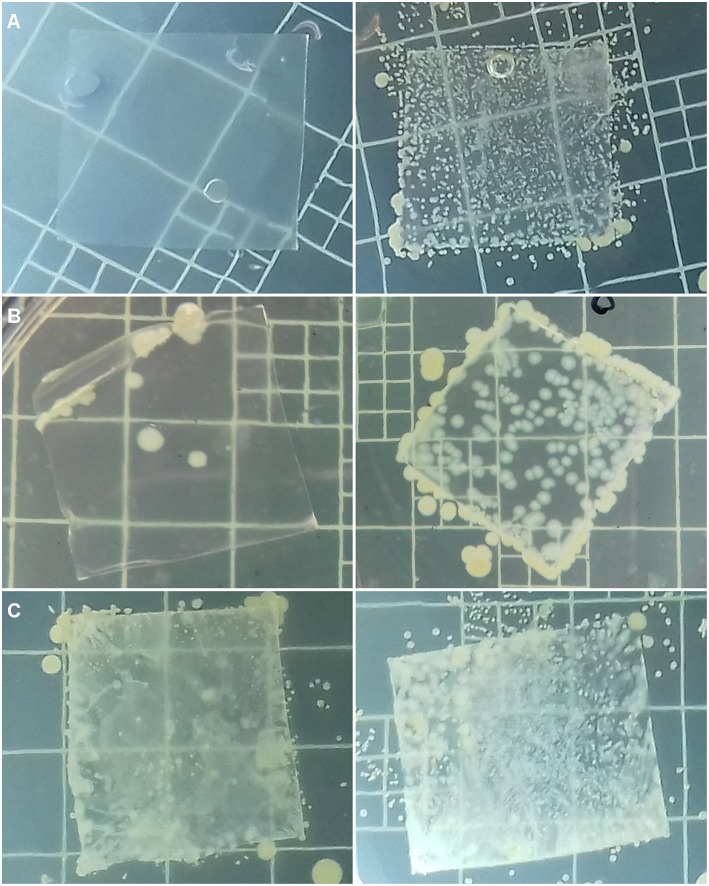
There is an increasing interest for active food packaging incorporated with natural antimicrobial agents rather than synthetic preservatives. However, most of plastics for direct contact with food are made of polyolefins, usually processed by extrusion, injection, or blow-molding methods while most of natural antimicrobial molecules are thermolabile compounds (e.g., essential oils). Therefore, addition of plant phenolics (with low volatility) to different polyolefins might be promising to design active controlled release packaging processed by usual plastic compounding and used for direct contact with food products. Therefore, up to 2% (wt/wt) of isobutyl-4-hydroxybenzoate (IBHB) was mixed with 3 polyolefins: EVA poly(ethylene-co-vinyl acetate), LLDPE (Linear Low Density Polyethylene), and PP (PolyPropylene) by melt-blending from 75 to 170°C and then pelletized in order to prepare heat-pressed films. IBHB was chosen as an antibacterial phenolic active model molecule against to challenge the entire processing. Antibacterial activity of films against (procedure adapted from ISO 22196 standard) were 4, 6, and 1 decimal reductions in 24 h for EVA, LLDPE, and PP films, respectively, demonstrating the preservation of the antibacterial activity after melt processing. For food contact materials, the efficacy of antimicrobial packaging depends on the release of the antimicrobial molecules. Therefore, the three types of films were placed at 23°C in 95% (v/v) ethanol and the release rates of IBHB were monitored: 101 ± 1%, 32 ± 7%, and 72 ± 9% at apparent equilibrium for EVA, LLDPE, and PP films, respectively. The apparent diffusion coefficients of IBHB in EVA and PP films were 2.8 ± 0.3 × 10 and 4.0 ± 1.0 × 10 ms. For LLDPE films, IBHB crystals were observed on the surface of films by SEM (Scanning Electron Microscopy): this blooming effect was due the partial incompatibility of IBHB in LLDPE and its fast diffusion out of the polymer matrix onto the film surface. In conclusion, none of these three materials was suitable for a relevant controlled release packaging targeting the preservation of fresh food, but a combination of two of them is promising by the design of a multilayer packaging: the release could result from permeation through an inner PE layer combined with an EVA one acting as a reservoir.
人们对含有天然抗菌剂而非合成防腐剂的活性食品包装越来越感兴趣。然而,大多数与食品直接接触的塑料是由聚烯烃制成的,通常通过挤出、注塑或吹塑方法加工,而大多数天然抗菌分子是热不稳定化合物(如香精油)。因此,将植物酚类物质(挥发性低)添加到不同的聚烯烃中,有望设计出通过常规塑料复合加工、用于与食品直接接触的活性控释包装。因此,将高达2%(重量/重量)的异丁基-4-羟基苯甲酸酯(IBHB)与3种聚烯烃:乙烯-醋酸乙烯共聚物(EVA)、线性低密度聚乙烯(LLDPE)和聚丙烯(PP)在75至170°C下熔融共混,然后造粒,以制备热压薄膜。选择IBHB作为抗菌酚类活性模型分子来挑战整个加工过程。薄膜对(程序改编自ISO 22196标准)的抗菌活性在24小时内分别使EVA、LLDPE和PP薄膜的细菌数量减少4、6和1个对数级,表明熔融加工后抗菌活性得以保留。对于食品接触材料,抗菌包装的功效取决于抗菌分子的释放。因此,将这三种类型的薄膜置于23°C的95%(体积/体积)乙醇中,并监测IBHB的释放速率:EVA、LLDPE和PP薄膜在表观平衡时的释放速率分别为101±1%、32±7%和72±9%。IBHB在EVA和PP薄膜中的表观扩散系数分别为2.8±0.3×10和4.0±1.0×10 m²/s。对于LLDPE薄膜,通过扫描电子显微镜(SEM)在薄膜表面观察到IBHB晶体:这种起霜效应是由于IBHB在LLDPE中的部分不相容性及其从聚合物基质快速扩散到薄膜表面所致。总之,这三种材料都不适用于针对新鲜食品保鲜的相关控释包装,但通过设计多层包装,将其中两种材料组合使用是有前景的:释放可能是通过内部PE层的渗透以及作为储存器的EVA层的作用而产生的。