Carneiro Bárbara Vieira, Garcia Guilherme Henrique, Isensee Larissa Padrão, Besen Bruno Adler Maccagnan Pinheiro
Unidade de Terapia Intensiva Clínica, Disciplina de Emergências Clínicas, Departamento de Clínica Médica, Hospital das Clínicas, Faculdade de Medicina, Universidade de São Paulo - São Paulo (SP), Brasil.
Unidade de Terapia Intensiva Clínica Médica, Divisão de Fisioterapia, Hospital das Clínicas, Faculdade de Medicina, Universidade de São Paulo - São Paulo (SP), Brasil.
Rev Bras Ter Intensiva. 2019 Jan-Mar;31(1):106-110. doi: 10.5935/0103-507X.20190015.
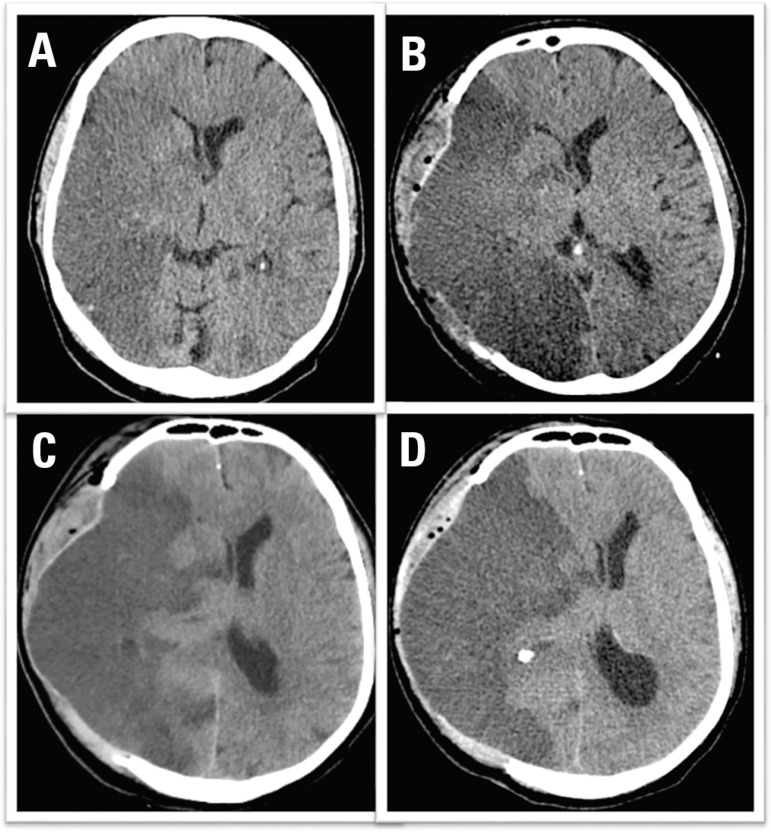
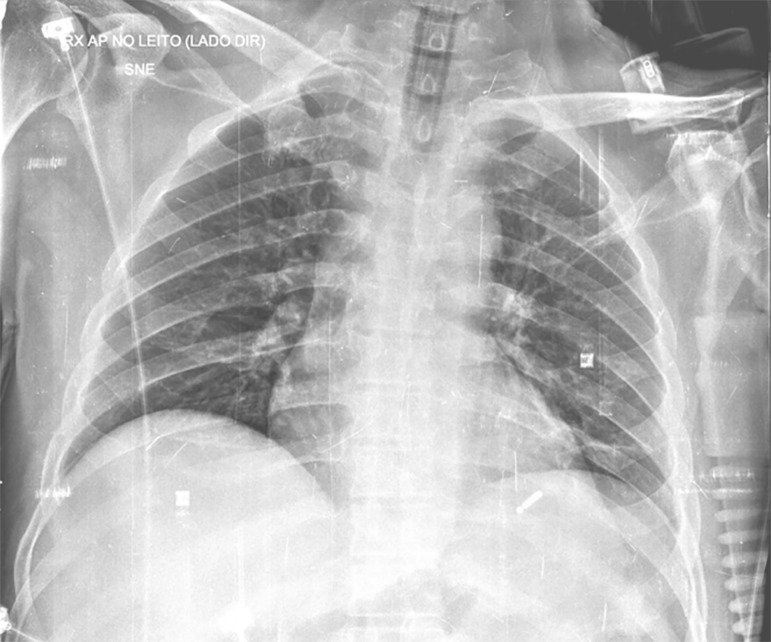
We report the case of a patient in whom brain death was suspected and associated with atelectasis and moderate to severe hypoxemia even though the patient was subjected to protective ventilation, a closed tracheal suction system, positive end-expiratory pressure, and recruitment maneuvers. Faced with the failure to obtain an adequate partial pressure of oxygen for the apnea test, we elected to place the patient in a prone position, use higher positive end-expiratory pressure, perform a new recruitment maneuver, and ventilate with a higher tidal volume (8mL/kg) without exceeding the plateau pressure of 30cmH2O. The apnea test was performed with the patient in a prone position, with continuous positive airway pressure coupled with a T-piece. The delay in diagnosis was 10 hours, and organ donation was not possible due to circulatory arrest. This report demonstrates the difficulties in obtaining higher levels of the partial pressure of oxygen for the apnea test. The delays in the diagnosis of brain death and in the organ donation process are discussed, as well as potential strategies to optimize the partial pressure of oxygen to perform the apnea test according to the current recommendations.
我们报告了一例疑似脑死亡的患者,尽管该患者接受了保护性通气、封闭式气管吸痰系统、呼气末正压通气和肺复张手法,但仍伴有肺不张和中度至重度低氧血症。由于在进行 apnea 试验时未能获得足够的氧分压,我们选择将患者置于俯卧位,使用更高的呼气末正压,进行新的肺复张手法,并以更高的潮气量(8mL/kg)通气,同时不超过30cmH2O的平台压。在患者俯卧位时进行 apnea 试验,采用持续气道正压通气并连接T形管。诊断延迟了10小时,由于循环骤停,无法进行器官捐献。本报告展示了在 apnea 试验中获得更高水平氧分压的困难。讨论了脑死亡诊断和器官捐献过程中的延迟,以及根据当前建议优化氧分压以进行 apnea 试验的潜在策略。