Autoimmunity, Transplantation, and Inflammation Disease Area, Novartis Institutes for BioMedical Research, Basel, Switzerland.
Global Discovery Chemistry, Novartis Institutes for BioMedical Research, Basel, Switzerland.
Front Immunol. 2019 Mar 26;10:577. doi: 10.3389/fimmu.2019.00577. eCollection 2019.
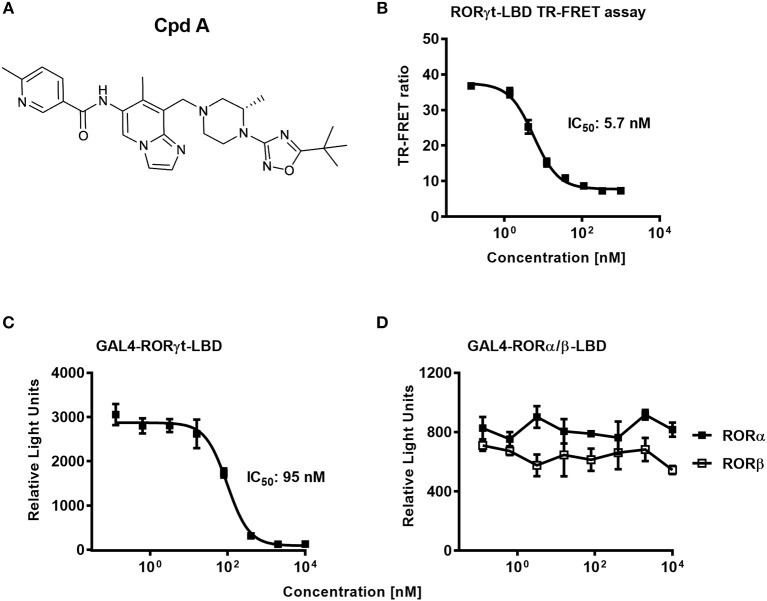
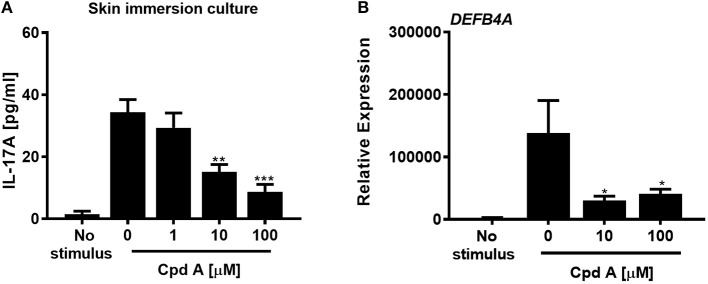
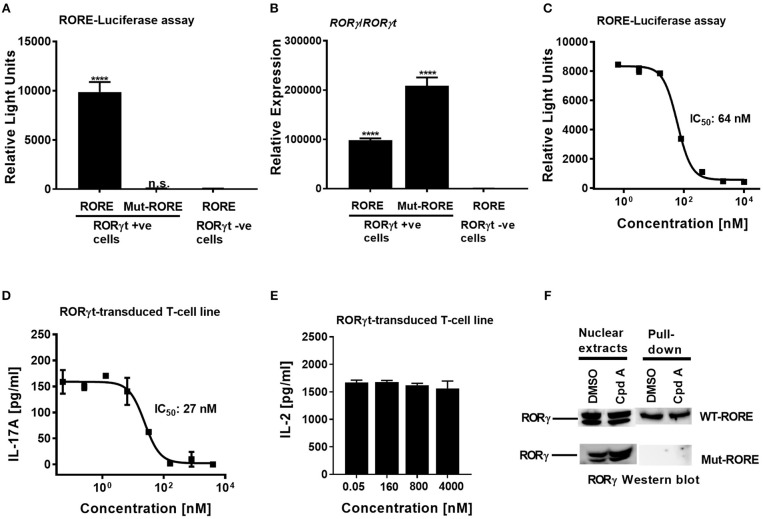
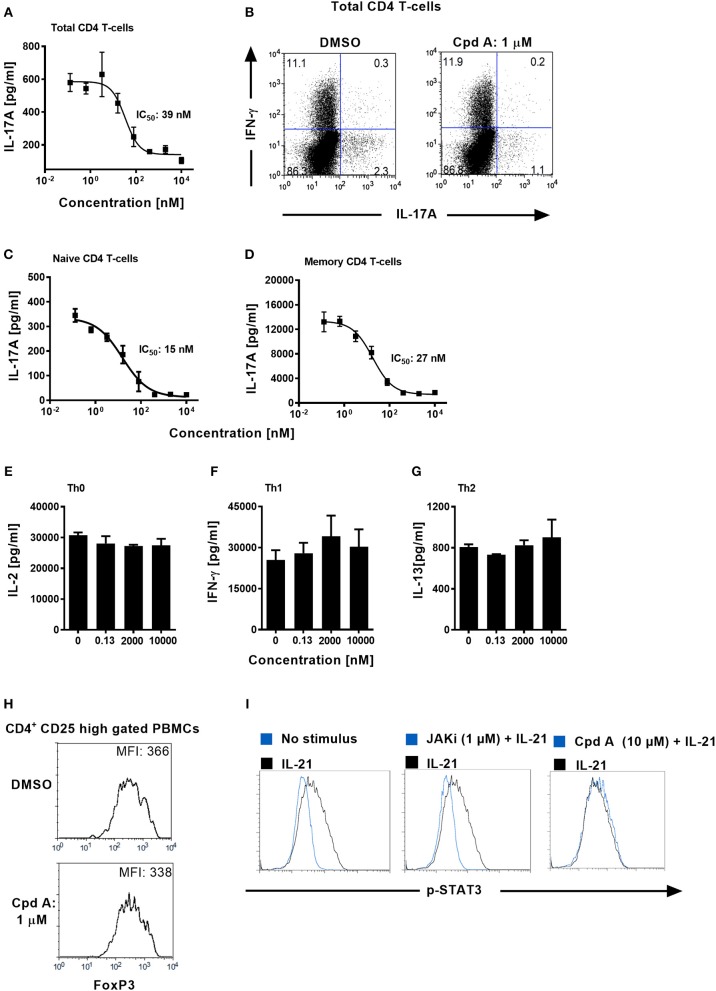
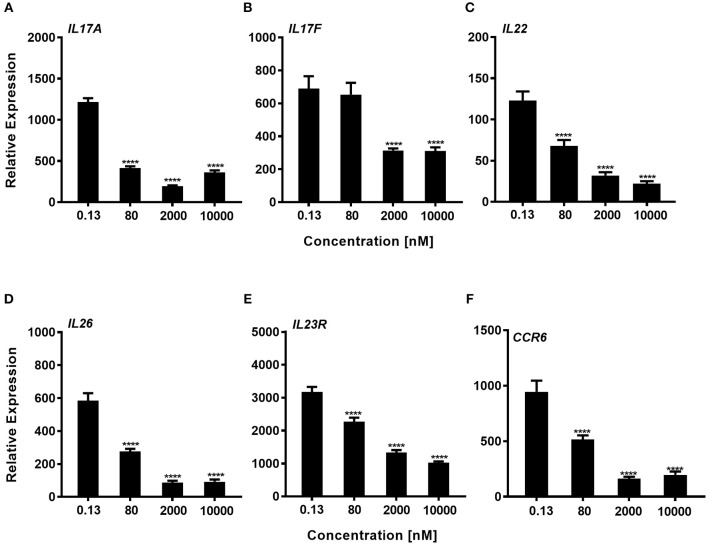
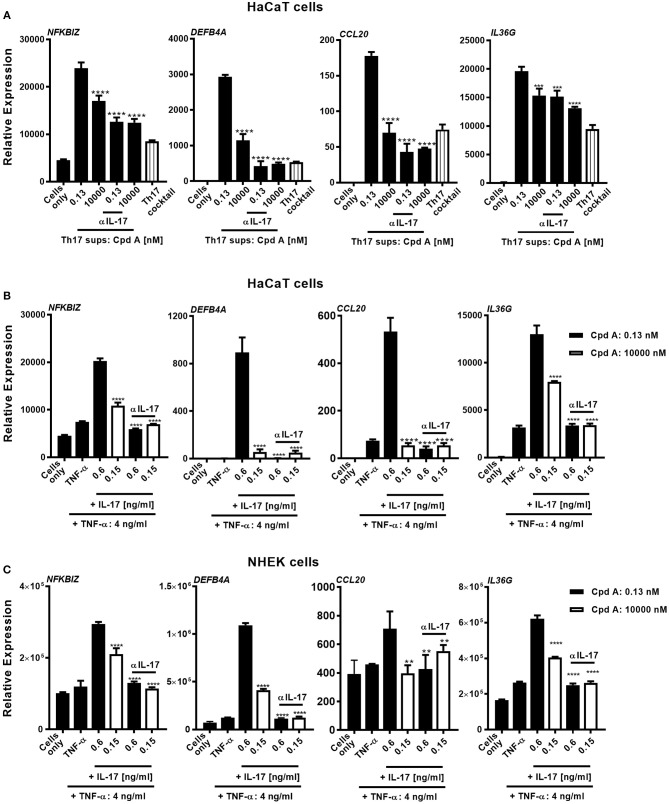
The nuclear hormone receptor retinoic acid receptor-related-orphan-receptor-gamma t (RORγt) is the key transcription factor required for Th17 cell differentiation and for production of IL-17 family cytokines by innate and adaptive immune cells. Dysregulated Th17 immune responses have been associated with the pathogenesis of several inflammatory and autoimmune diseases such as psoriasis, psoriatic arthritis, and ankylosing spondylitis. In this article, we describe the pharmacology of a potent and selective low molecular weight RORγt inhibitor identified after a structure-based hit-to-lead optimization effort. The compound interfered with co-activator binding to the RORγt ligand binding domain and impaired the transcriptional activity of RORγt as evidenced by blocked IL-17A secretion and RORE-mediated transactivation of a luciferase reporter gene. The inhibitor effectively reduced IL-17A production by human naive and memory T-cells and attenuated transcription of pro-inflammatory Th17 signature genes, such as , and . The compound selectively suppressed the Th17/IL-17 pathway and did not interfere with polarization of other T helper cell lineages. Furthermore, the inhibitor was selective for RORγt and did not modify the transcriptional activity of the closely related family members RORα and RORβ. Using human keratinocytes cultured with supernatants from compound treated Th17 cells we showed that pharmacological inhibition of RORγt translated to suppressed IL-17-regulated gene expression in keratinocyte cell cultures. Furthermore, in immersion skin cultures our RORγt inhibitor suppressed IL-17A production by Th17-skewed skin resident cells which correlated with reduced human β defensin 2 expression in the skin. Our data suggests that inhibiting RORγt transcriptional activity by a low molecular weight inhibitor may hold utility for the treatment of Th17/IL-17-mediated skin pathologies.
核激素受体视黄酸受体相关孤儿受体-γ t(RORγt)是 Th17 细胞分化所必需的关键转录因子,也是先天和适应性免疫细胞产生白介素-17 家族细胞因子所必需的。失调的 Th17 免疫反应与几种炎症和自身免疫性疾病的发病机制有关,如银屑病、银屑病关节炎和强直性脊柱炎。在本文中,我们描述了一种经过基于结构的命中到先导优化努力后发现的强效和选择性小分子 RORγt 抑制剂的药理学。该化合物干扰共激活剂与 RORγt 配体结合域的结合,并通过阻断 IL-17A 分泌和 RORE 介导的荧光素酶报告基因的转录激活来损害 RORγt 的转录活性。该抑制剂有效地减少了人幼稚和记忆 T 细胞中 IL-17A 的产生,并减弱了促炎 Th17 特征基因的转录,如 、 和 。该化合物选择性地抑制 Th17/IL-17 通路,并且不干扰其他 T 辅助细胞谱系的极化。此外,该抑制剂对 RORγt 具有选择性,并且不修饰密切相关的家族成员 RORα 和 RORβ 的转录活性。使用用化合物处理的 Th17 细胞的上清液培养的人角质形成细胞,我们表明 RORγt 的药理学抑制转化为抑制角质形成细胞培养物中 IL-17 调节的基因表达。此外,在 浸皮培养物中,我们的 RORγt 抑制剂抑制了 Th17 偏向的皮肤驻留细胞产生的 IL-17A,这与皮肤中人类 β 防御素 2 的表达减少相关。我们的数据表明,通过小分子抑制剂抑制 RORγt 的转录活性可能对治疗 Th17/IL-17 介导的皮肤病变具有实用价值。