Department of Laboratory Medicine, University of California, San Francisco, 513 Parnassus Avenue, HSE 760, San Francisco, CA, 94143, USA.
Vitalant Research Institute, University of California, San Francisco, San Francisco, USA.
J Transl Med. 2019 Apr 17;17(1):128. doi: 10.1186/s12967-019-1877-4.
Cell based therapies, such as bone marrow derived mesenchymal stem cells (BM-MSCs; also known as mesenchymal stromal cells), are currently under investigation for a number of disease applications. The current challenge facing the field is maintaining the consistency and quality of cells especially for cell dose production for pre-clinical testing and clinical trials. Here we determine how BM-donor variability and thus the derived MSCs factor into selection of the optimal primary cell lineage for cell production and testing in a pre-clinical swine model of trauma induced acute respiratory distress syndrome.
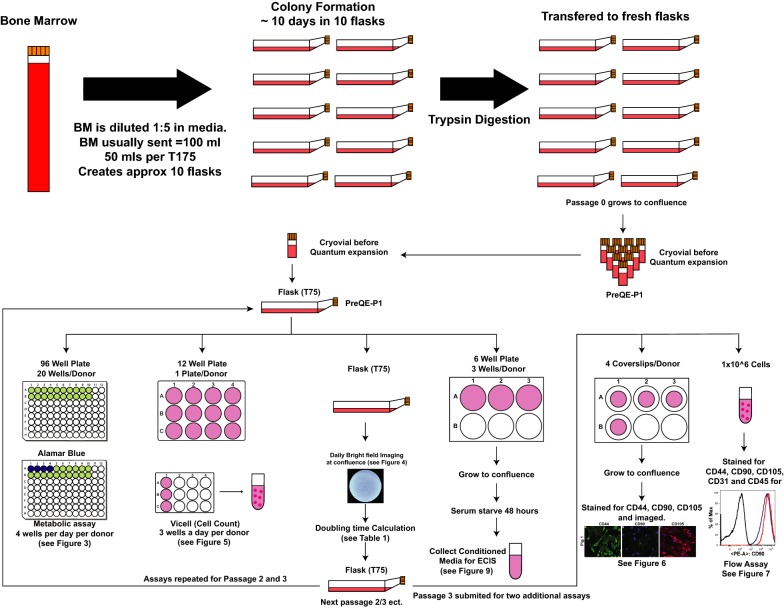
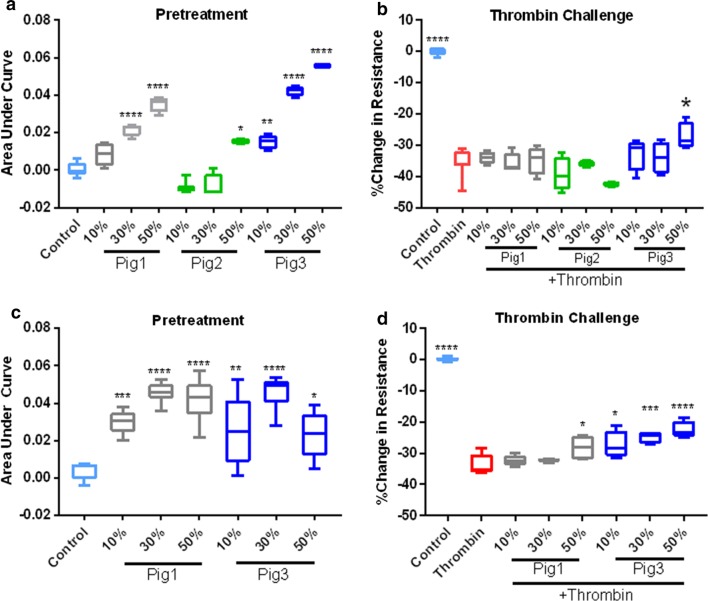
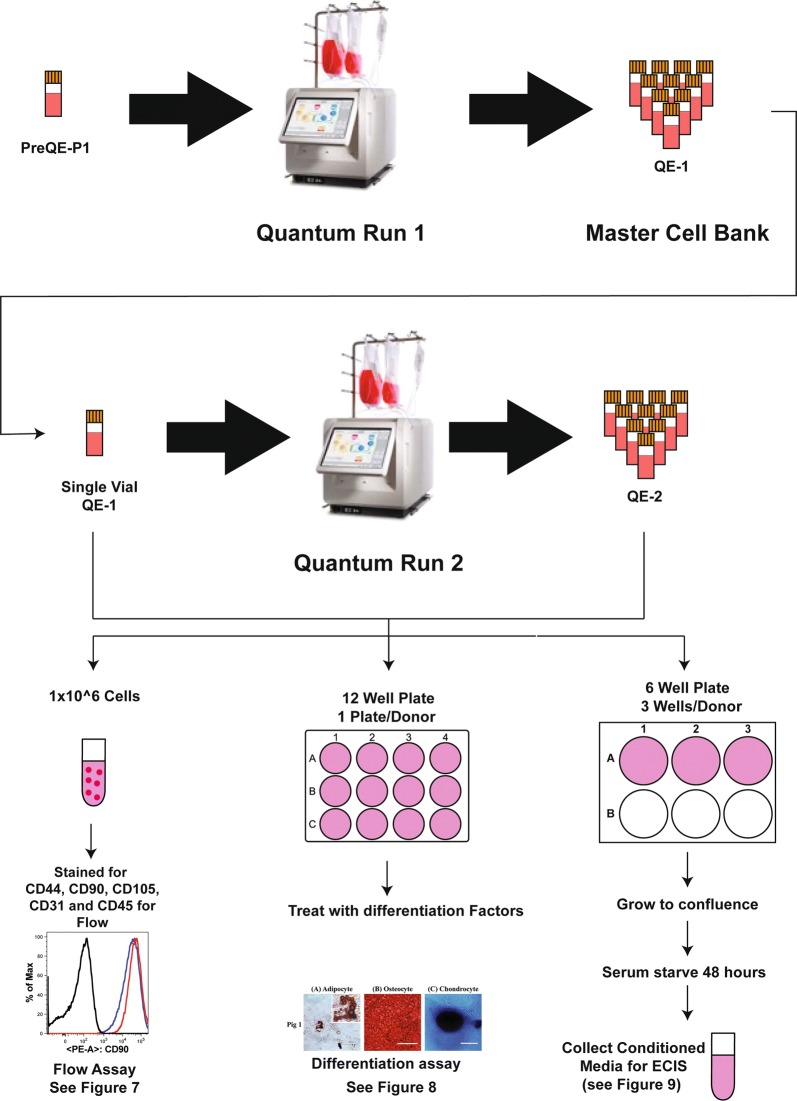
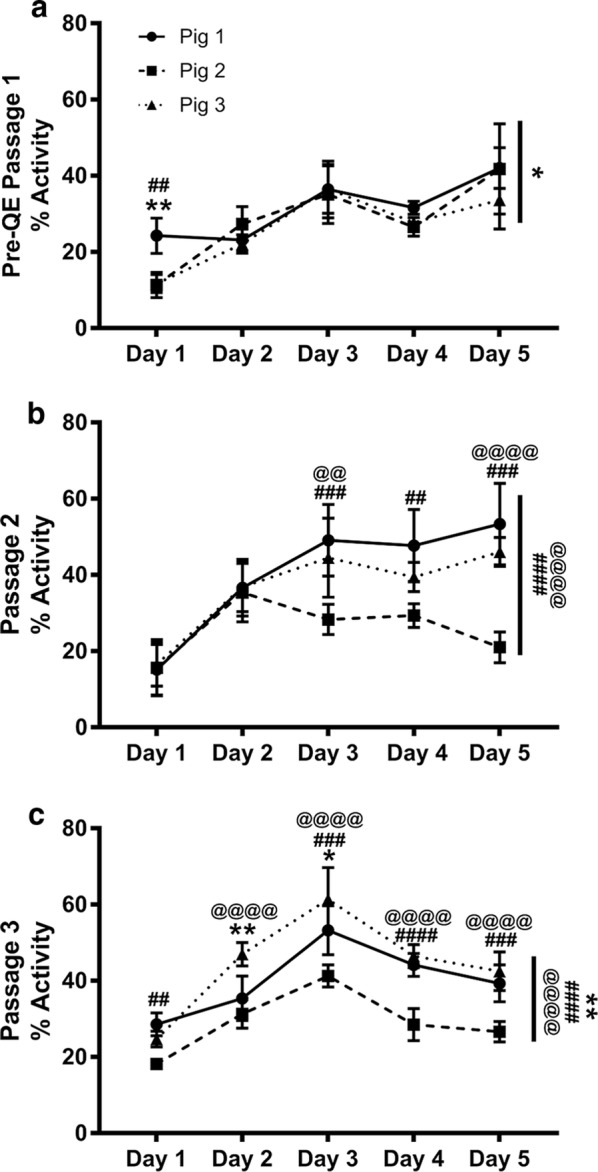
We harvested bone marrow and generated three different primary BM-MSCs from Yorkshire swine. Cells from these three donors were characterized based on (a) phenotype (morphology, differentiation capacity and flow cytometry), (b) in vitro growth kinetics and metabolic activity, and (c) functional analysis based on inhibition of lung endothelial cell permeability.
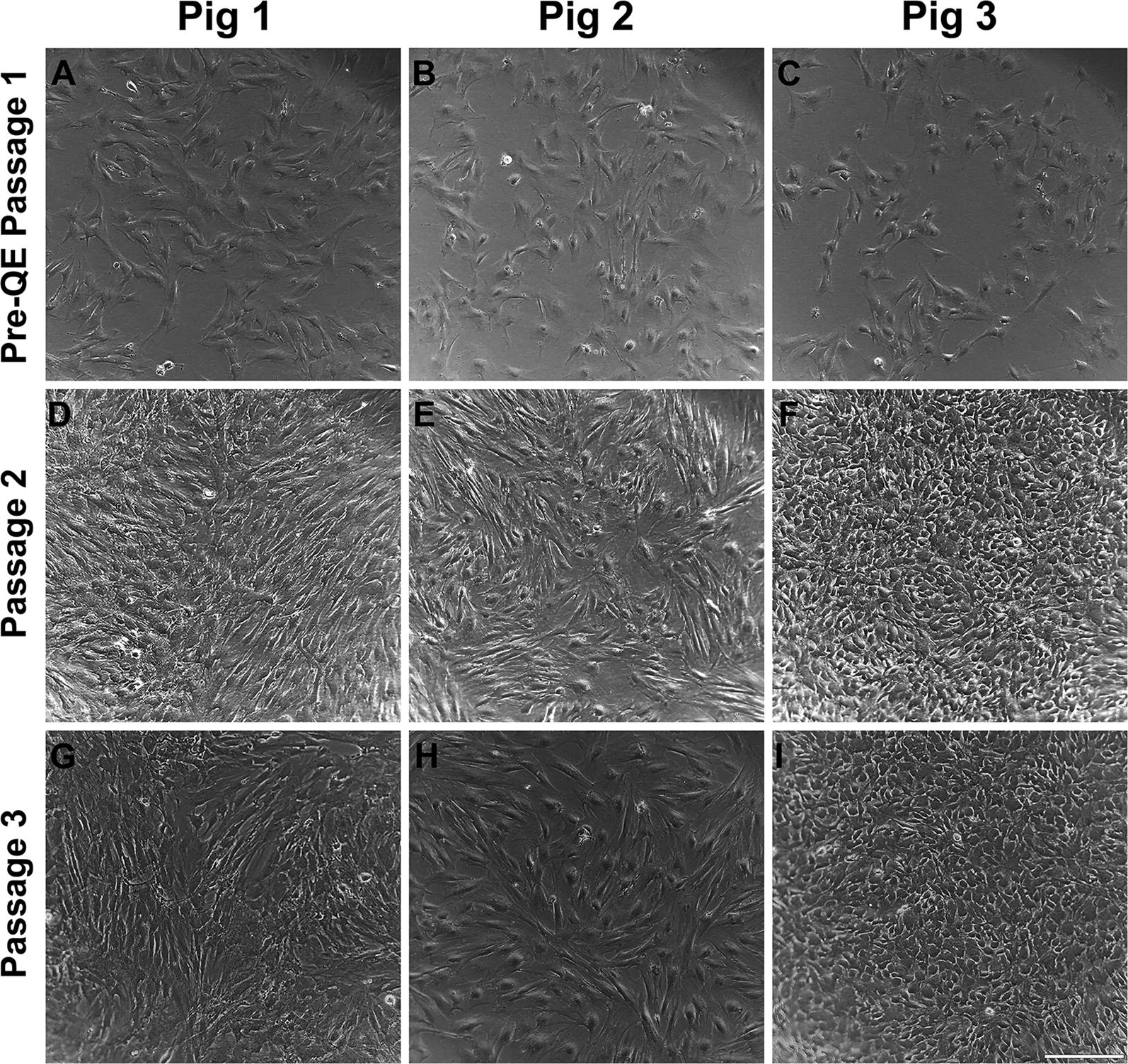
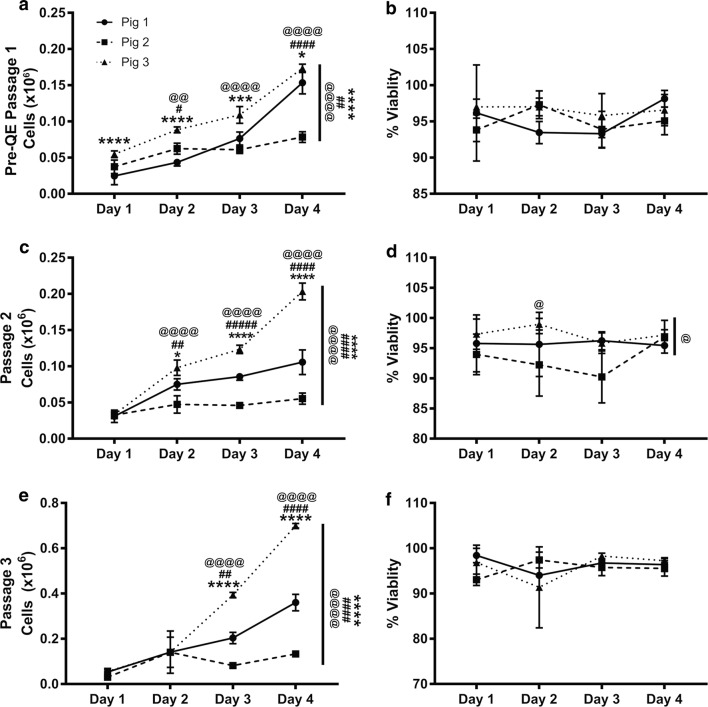
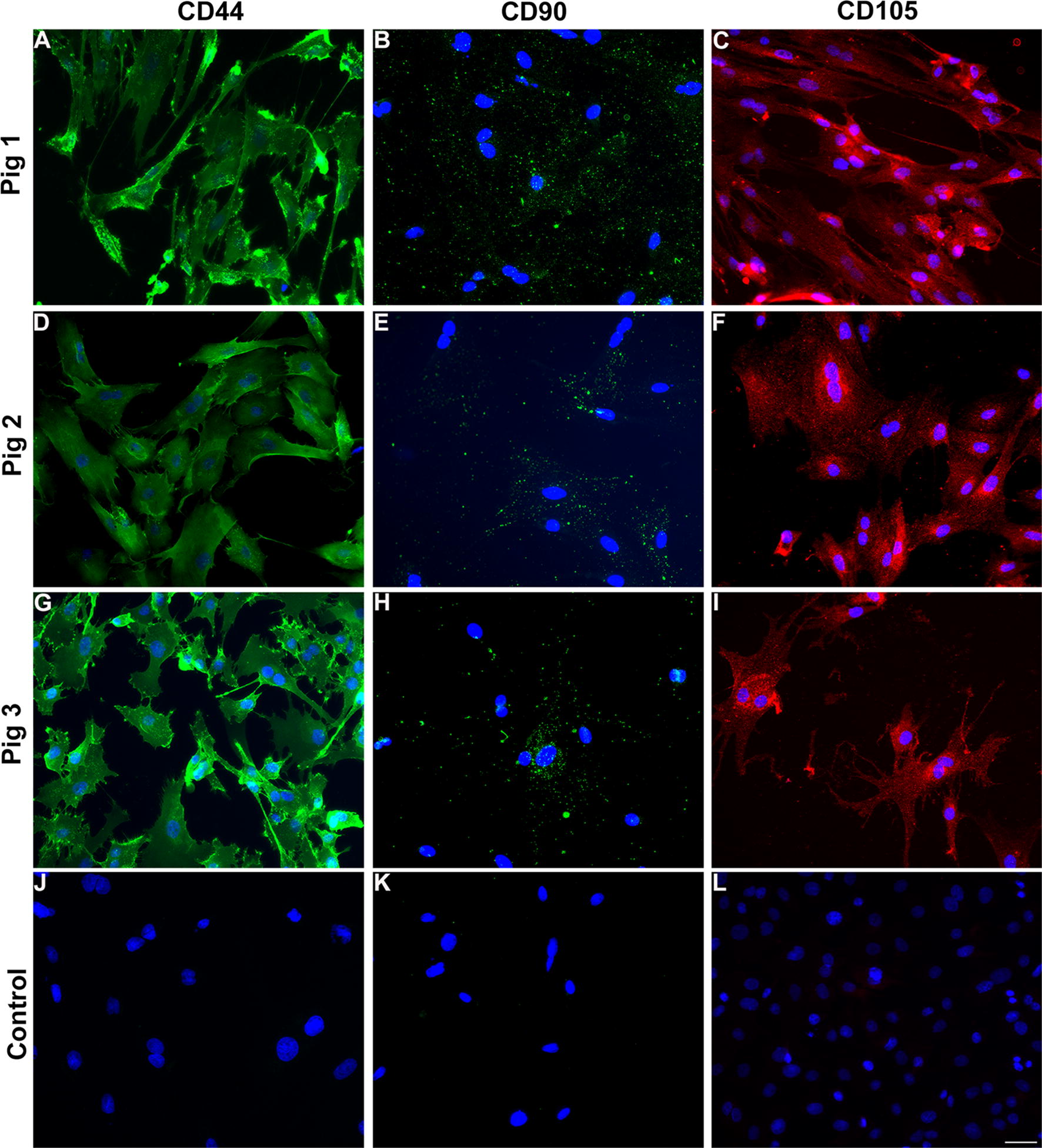
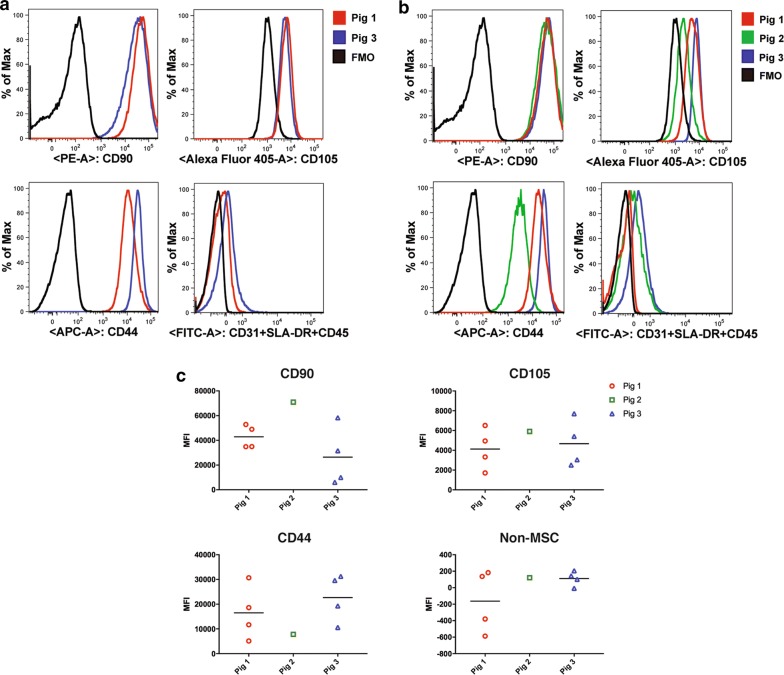
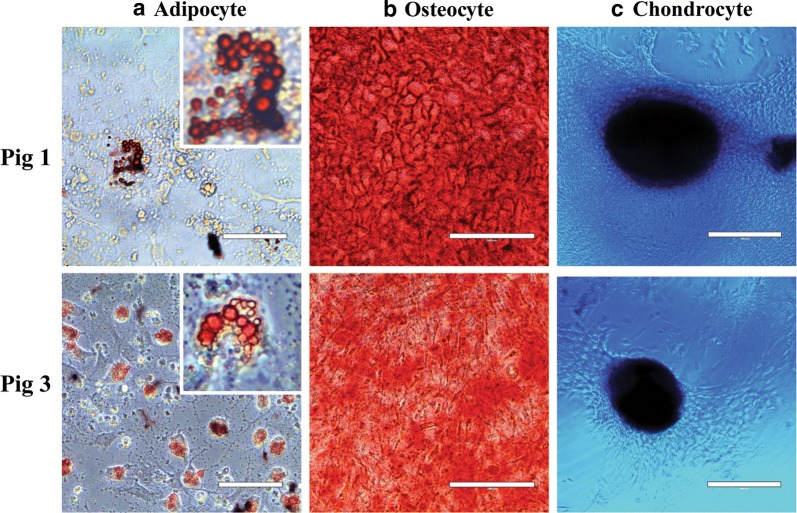
Cells from each swine donor exhibited varied morphology, growth rate, and doubling times. All expressed the same magnitude of standard MSC cell surface markers by flow cytometry and had similar differentiation potential. Metabolic activity and growth potential at each of the passages varied between the three primary cell cultures. More importantly, the functional potency of the MSCs on inhibition of endothelial permeability was also cell donor dependent.
This study suggests that for production of MSCs for cell-based therapy, it is imperative to examine donor variability and characterize derived MSCs for marker expression, growth and differentiation characteristics and testing potency in application dependent assays prior to selection of the optimal cell lineage for large scale expansion and dose production.
基于细胞的疗法,如骨髓来源的间充质干细胞(BM-MSCs;也称为间充质基质细胞),目前正在针对许多疾病应用进行研究。该领域当前面临的挑战是保持细胞的一致性和质量,特别是对于临床前测试和临床试验的细胞剂量生产。在这里,我们确定 BM 供体的变异性以及由此产生的 MSCs 如何影响选择用于创伤诱导的急性呼吸窘迫综合征的临床前猪模型中细胞生产和测试的最佳原代细胞谱系。
我们从约克夏猪中采集骨髓并生成三种不同的原代 BM-MSCs。来自这三个供体的细胞根据(a)表型(形态、分化能力和流式细胞术)、(b)体外生长动力学和代谢活性以及(c)基于抑制肺内皮细胞通透性的功能分析进行特征分析。
每个猪供体的细胞表现出不同的形态、生长速度和倍增时间。所有细胞通过流式细胞术表达相同程度的标准 MSC 细胞表面标志物,并且具有相似的分化潜力。在三个原代细胞培养物中,代谢活性和生长潜力在每个传代中都有所不同。更重要的是,MSC 对内皮通透性抑制的功能效力也取决于细胞供体。
这项研究表明,对于用于细胞治疗的 MSC 生产,在选择用于大规模扩增和剂量生产的最佳细胞谱系之前,必须检查供体变异性并对衍生的 MSC 进行标记表达、生长和分化特征以及应用相关测定中的测试效力进行特征分析。