Biomedical Section, University of Hull, Cottingham Road, Hull, HU6 7RX, UK.
Division of Cancer-Hull York Medical School, University of Hull, Cottingham Road, Hull, HU6 7RX, UK.
Sci Rep. 2019 Apr 18;9(1):6272. doi: 10.1038/s41598-019-42738-1.
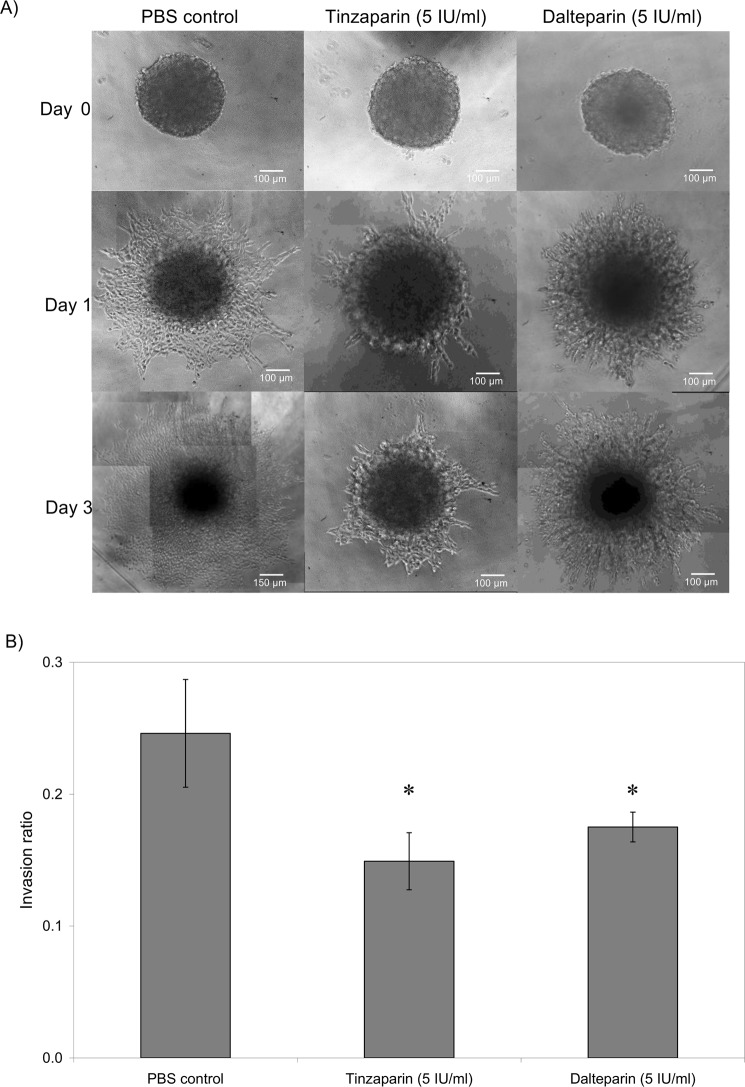
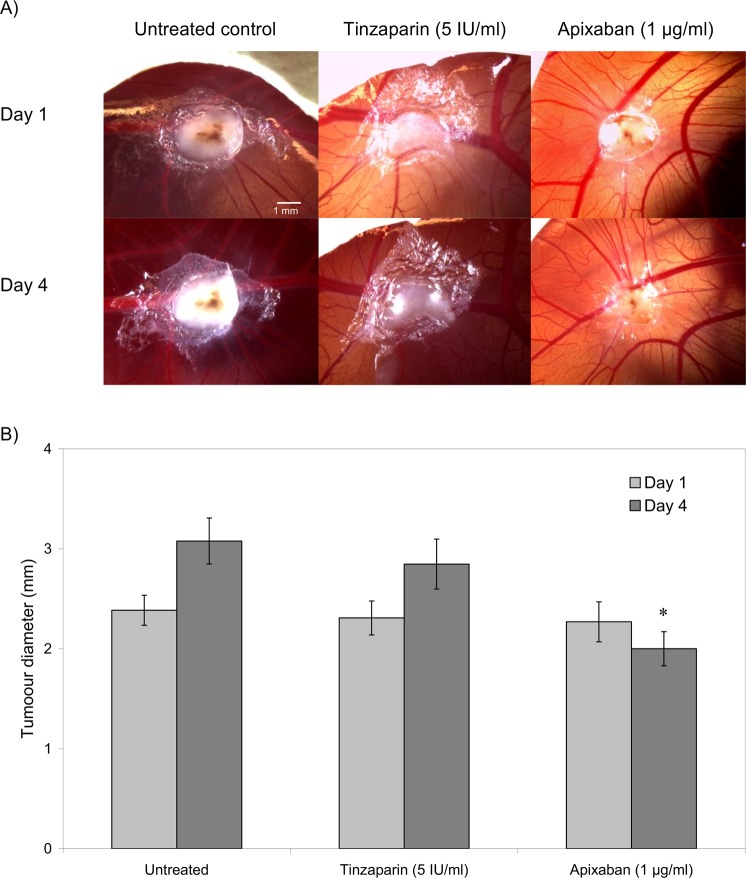
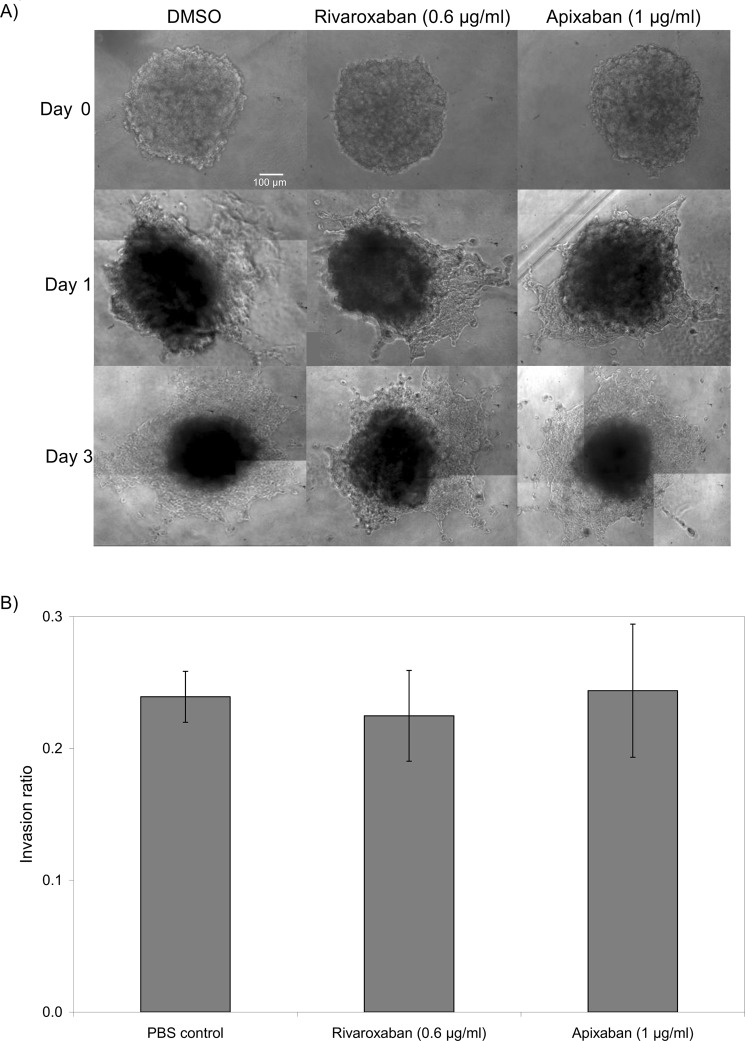
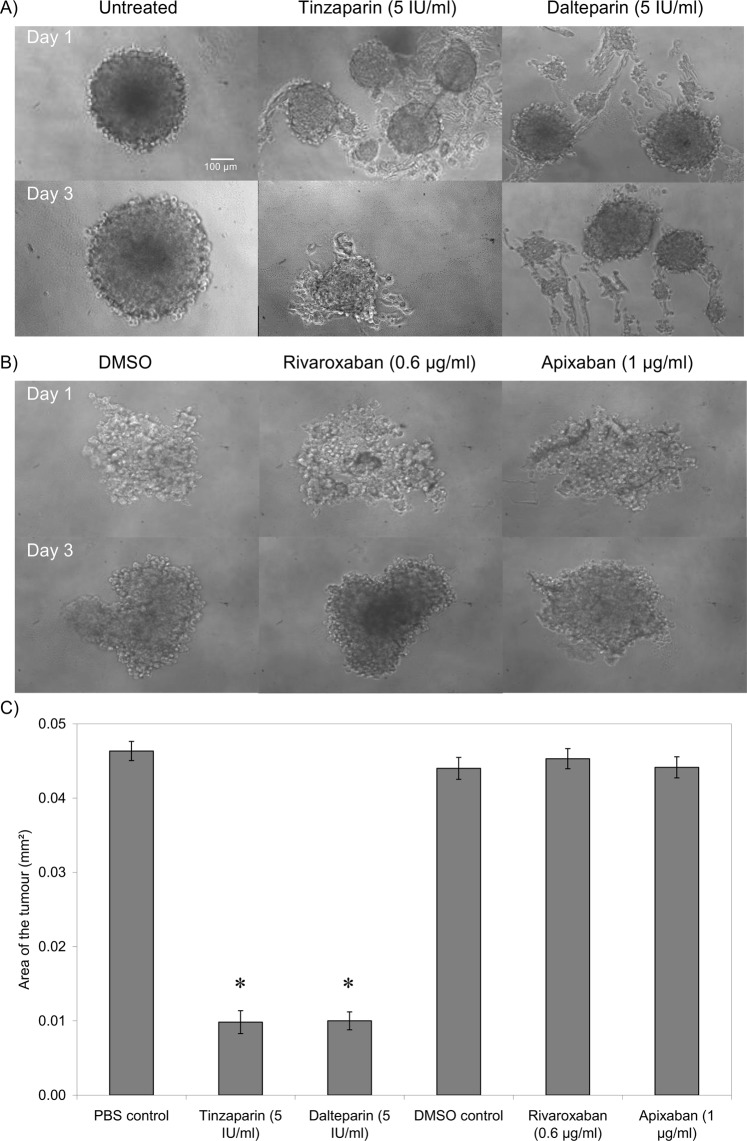
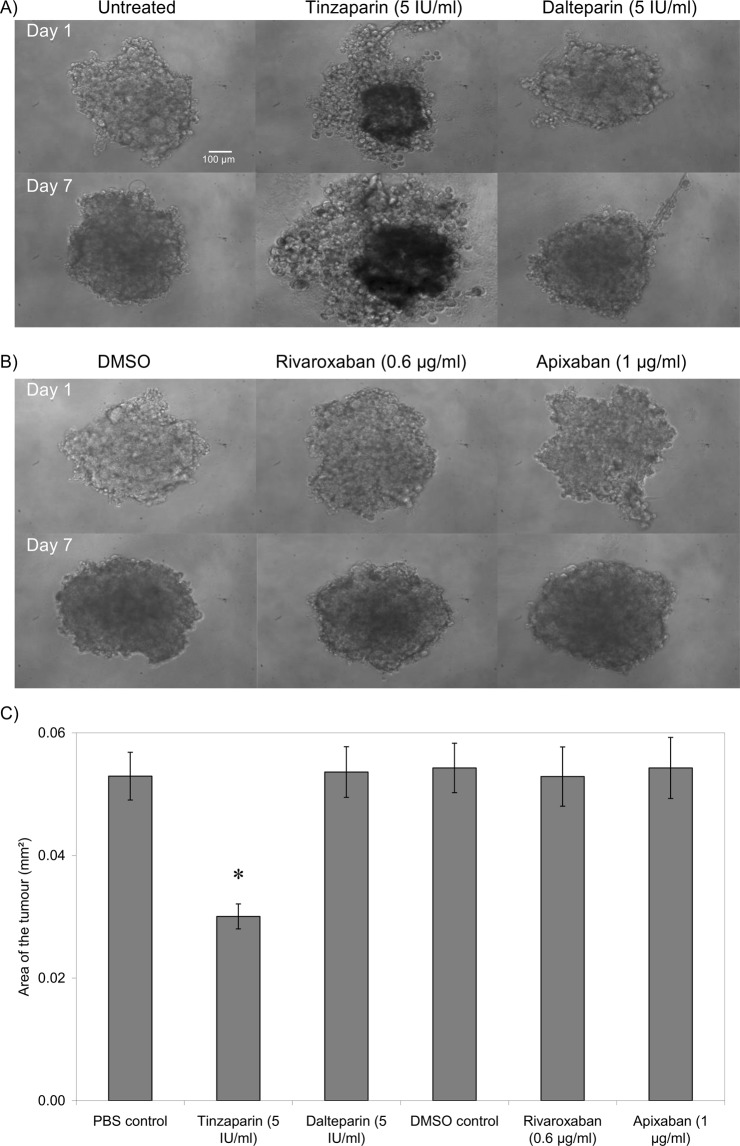
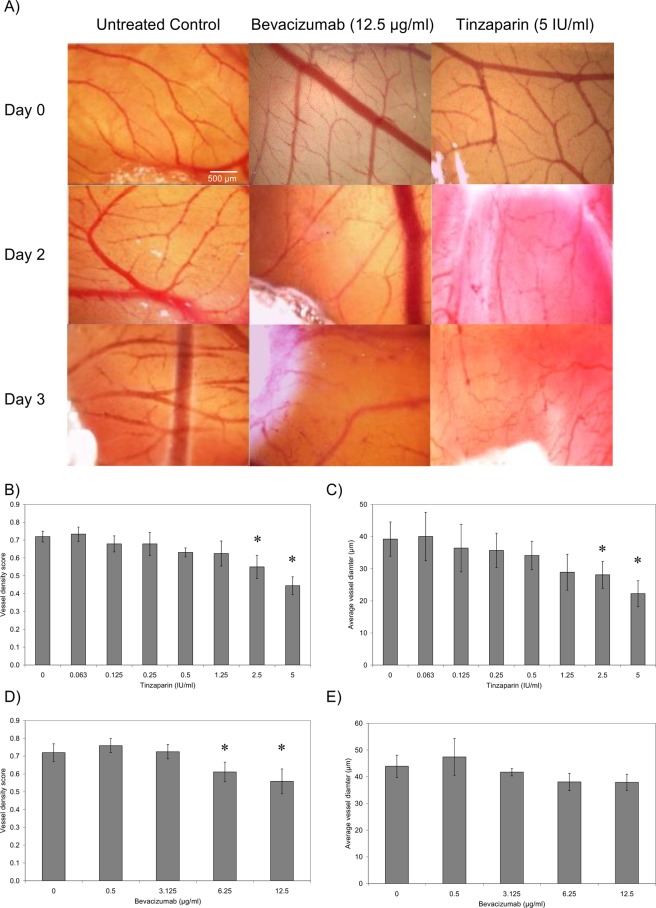
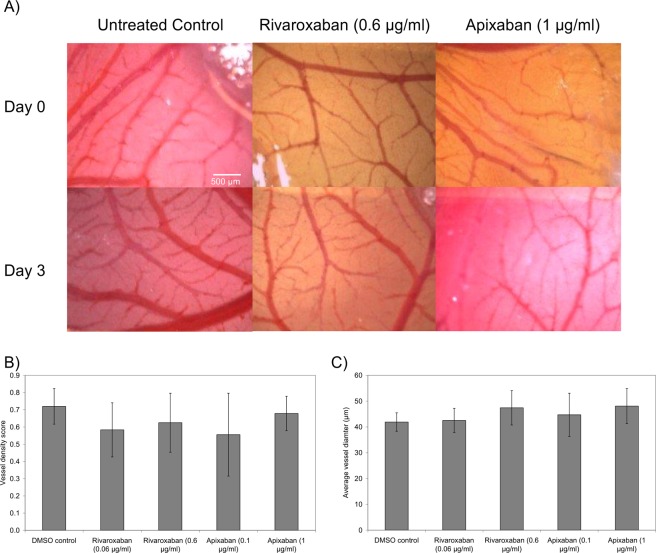
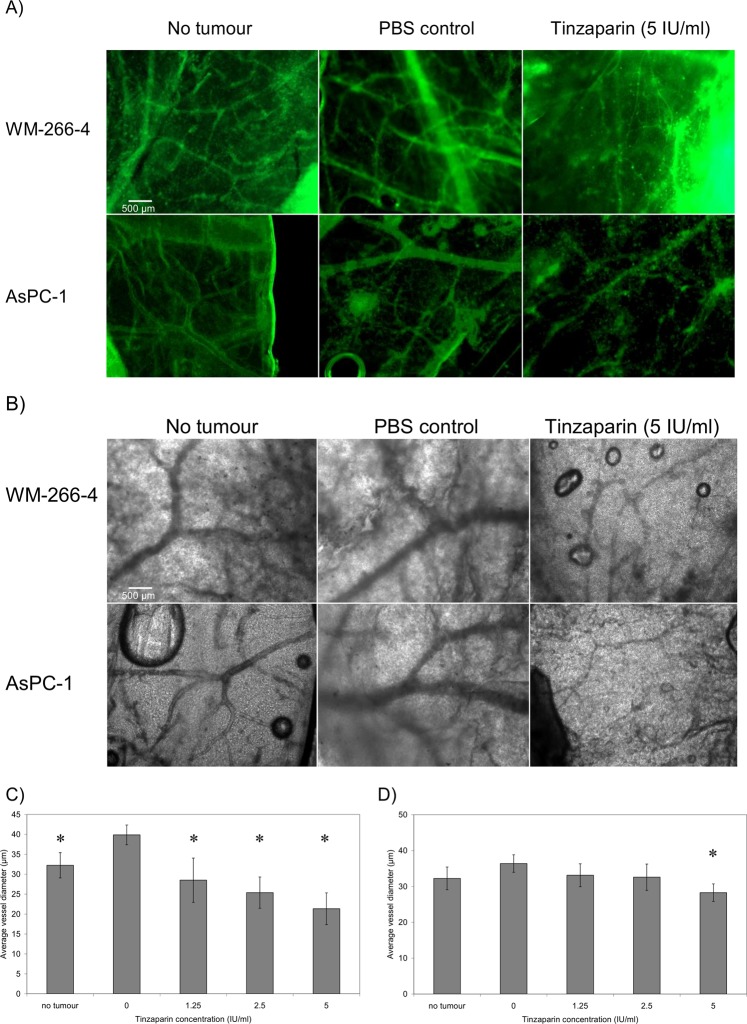
The bidirectional association between coagulation and cancer has been established. However, anticoagulant therapies have been reported to have beneficial outcomes by influencing the vascularisation of the tumours. In this study the influence of a set of anticoagulants on tumour formation, invasion and vascularisation was examined. WM-266-4 melanoma and AsPC-1 pancreatic cancer cell lines were treated with LMWH (Tinzaparin and Dalteparin), and DOAC (Apixaban and Rivaroxaban) and the rate of tumour formation, growth and invasion were measured in vitro. In addition, the influence of these anticoagulants on vascularisation was examined using the chorioallantoic membrane assay (CAM) model and compared to the outcome of treatment with Bevacizumab. Using this model the influence of pharmacological concentrations of the anticoagulant on the growth, invasion and vascularisation of tumours derived from WM-266-4 and AsPC-1 cells was also measured in vivo. Tinzaparin and Daltepain reduced tumour formation and invasion by the cell lines in vitro, but with dissimilar potencies. In addition, treatment of CAM with LMWH reduced the local vascular density beyond that achievable with Bevacizumab, particularly suppressing the formation of larger-diameter blood vessels. In contrast, treatment with DOAC was largely ineffective. Treatment of CAM-implanted tumours with LMWH also reduced tumour vascularisation, while treatment of tumours with Apixaban reduced tumour growth in vivo. In conclusion, LMWH and DOAC appear to have anti-cancer properties that are exerted through different mechanisms.
凝血和癌症之间存在双向关联。然而,抗凝治疗已被报道通过影响肿瘤的血管生成而产生有益的结果。在这项研究中,研究了一组抗凝剂对肿瘤形成、侵袭和血管生成的影响。WM-266-4 黑色素瘤和 AsPC-1 胰腺癌细胞系用低分子量肝素(Tinzaparin 和 Dalteparin)和 DOAC(Apixaban 和 Rivaroxaban)处理,并在体外测量肿瘤形成、生长和侵袭的速度。此外,还使用绒毛尿囊膜(CAM)模型检查了这些抗凝剂对血管生成的影响,并将其与贝伐单抗治疗的结果进行了比较。使用该模型,还在体内测量了药理浓度的抗凝剂对源自 WM-266-4 和 AsPC-1 细胞的肿瘤生长、侵袭和血管生成的影响。Tinzaparin 和 Daltepain 在体外减少了细胞系的肿瘤形成和侵袭,但效力不同。此外,LMWH 处理 CAM 可使局部血管密度超过贝伐单抗所能达到的水平,特别是抑制较大直径血管的形成。相比之下,DOAC 治疗的效果不大。LMWH 处理 CAM 植入的肿瘤也减少了肿瘤血管生成,而 Apixaban 处理肿瘤减少了体内肿瘤生长。总之,LMWH 和 DOAC 似乎具有通过不同机制发挥作用的抗癌特性。