Bonner Colin, Sokolov Nina A, Westover Sally Erin, Ho Michelle, Weis Arthur E
Department of Ecology and Evolutionary Biology University of Toronto Toronto ON Canada.
Koffler Scientific Reserve at Jokers Hill University of Toronto Toronto ON Canada.
Ecol Evol. 2019 Mar 12;9(7):3770-3783. doi: 10.1002/ece3.5001. eCollection 2019 Apr.
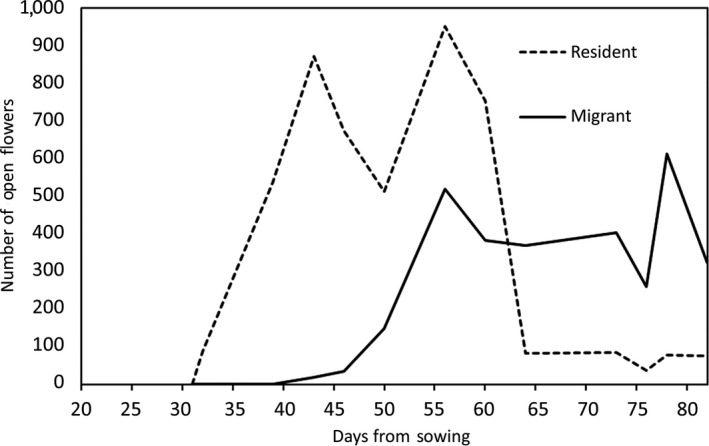
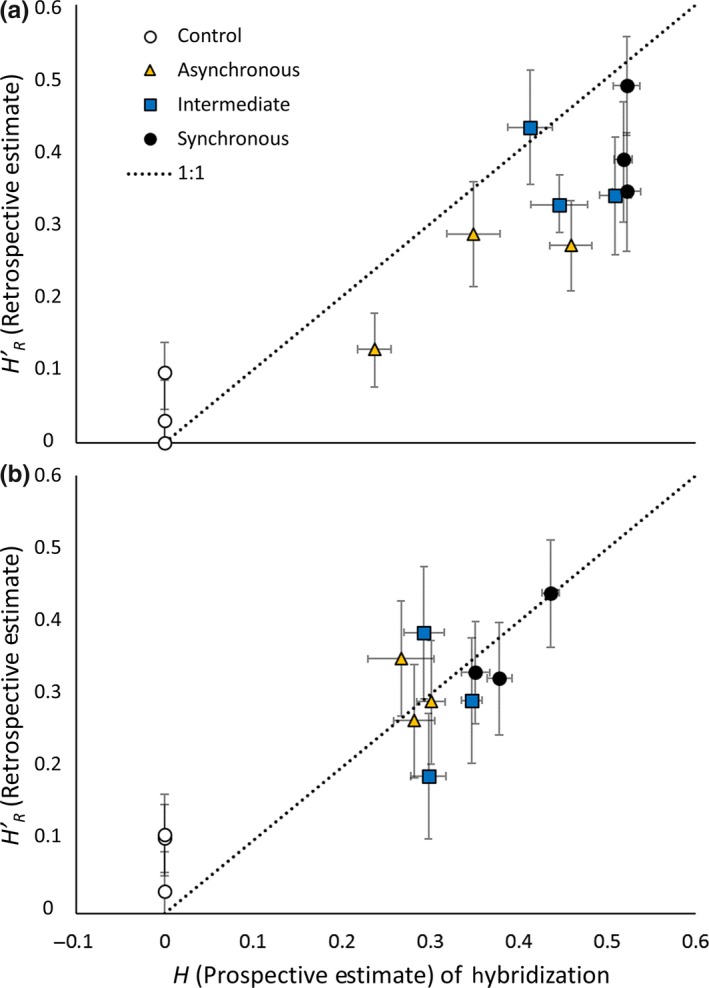
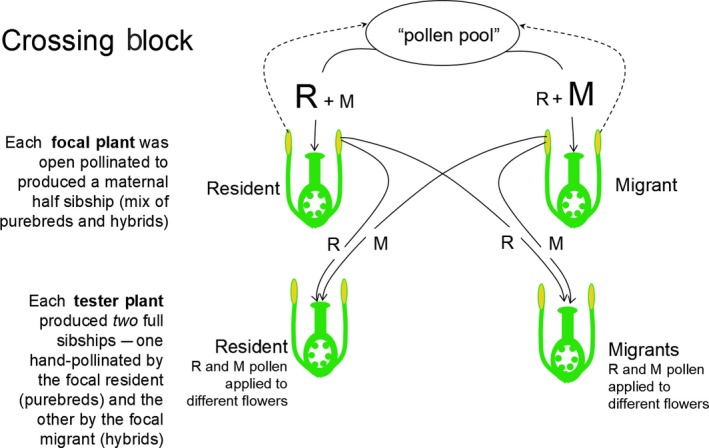
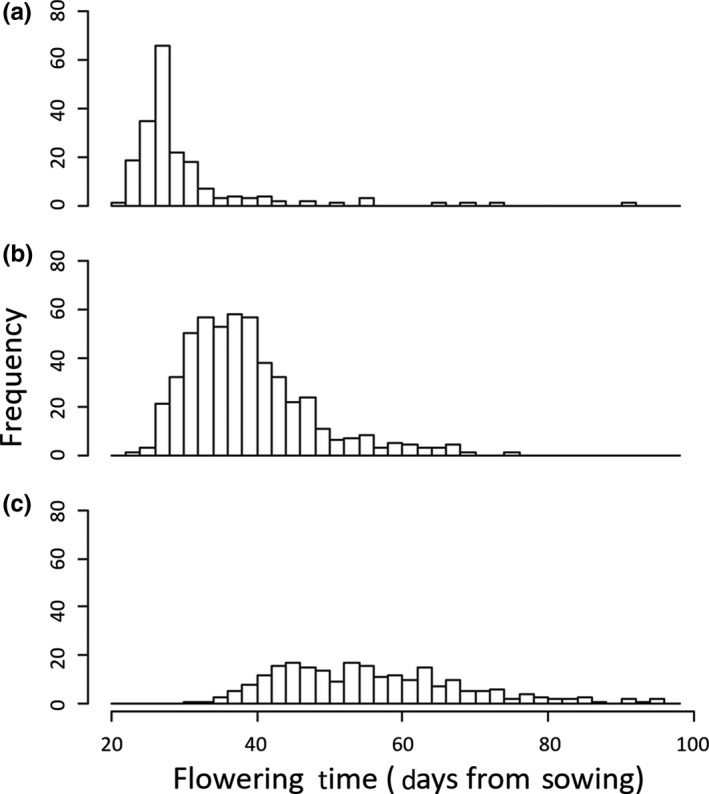
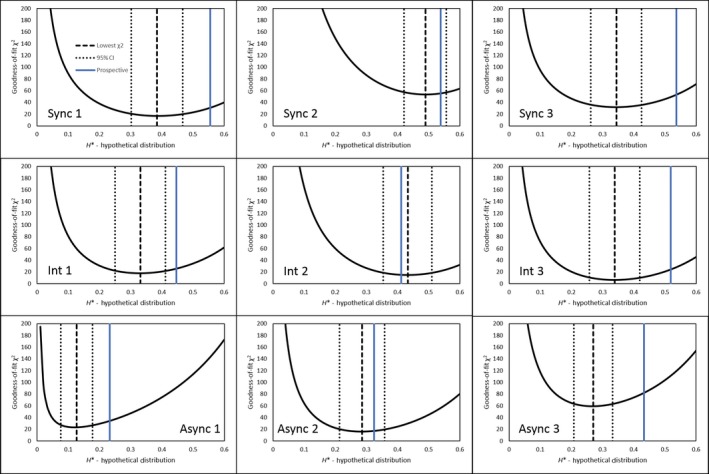
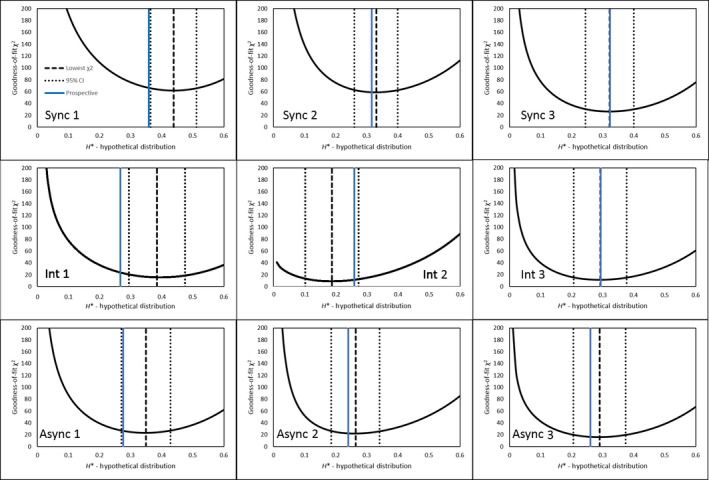
Gene flow between populations can allow the spread of beneficial alleles and genetic diversity between populations, with importance to conservation, invasion biology, and agriculture. Levels of gene flow between populations vary not only with distance, but also with divergence in reproductive phenology. Since phenology is often locally adapted, arriving migrants may be reproductively out of synch with residents, which can depress realized gene flow. In flowering plants, the potential impact of phenological divergence on hybridization between populations can be predicted from overlap in flowering schedules-the daily count of flowers capable of pollen exchange-between a resident and migrant population. The accuracy of this prospective hybridization estimate, based on parental phenotypes, rests upon the assumptions of unbiased pollen transfer between resident and migrant active flowers. We tested the impact of phenological divergence on resident-migrant mating frequencies in experiments that mimicked a single large gene flow event. We first prospectively estimated mating frequencies two lines of selected or early and late flowering. We then estimated realized mating frequencies retrospectively through progeny testing. The two estimates strongly agreed in a greenhouse experiment, where procedures ensured saturating, unbiased pollination. Under natural pollination in the field, the rate of resident-migrant mating, was lower than estimated by phenological divergence alone, although prospective and retrospective estimates were correlated. In both experiments, differences between residents and migrants in flowering schedule shape led to asymmetric hybridization. Results suggest that a prospective estimate of hybridization based on mating schedules can be a useful, although imperfect, tool for evaluating potential gene flow. They also illustrate the impact of mating phenology on the magnitude and symmetry of reproductive isolation.
种群间的基因流动能够使有益等位基因得以传播,并促进种群间的遗传多样性,这对于保护生物学、入侵生物学和农业都具有重要意义。种群间的基因流动水平不仅随距离而变化,还与生殖物候的差异有关。由于物候通常是地方适应性的,到来的迁移个体可能在生殖上与本地个体不同步,这会降低实际的基因流动。在开花植物中,物候差异对种群间杂交的潜在影响可以通过开花时间的重叠来预测——即本地种群和迁移种群之间能够进行花粉交换的花朵每日数量。这种基于亲本表型的预期杂交估计的准确性,取决于本地和迁移的开花花朵之间无偏花粉转移的假设。我们在模拟单个大型基因流动事件的实验中,测试了物候差异对本地-迁移个体交配频率的影响。我们首先前瞻性地估计了两个选定的早花和晚花品系的交配频率。然后通过后代测试回顾性地估计实际交配频率。在温室实验中,这两种估计结果高度一致,在该实验中,程序确保了充分且无偏的授粉。在田间自然授粉条件下,本地-迁移个体的交配率低于仅由物候差异所估计的结果,尽管前瞻性和回顾性估计是相关的。在这两个实验中,本地个体和迁移个体在开花时间形状上的差异导致了不对称杂交。结果表明,基于交配时间的杂交预期估计虽然并不完美,但可能是评估潜在基因流动的有用工具。它们还说明了交配物候对生殖隔离的程度和对称性的影响。