Labs of Cognitive Neuroscience, Division of Developmental Medicine, Boston Children's Hospital, Boston, Massachusetts.
Harvard Medical School, Boston, Massachusetts.
Dev Sci. 2019 Sep;22(5):e12839. doi: 10.1111/desc.12839. Epub 2019 May 17.
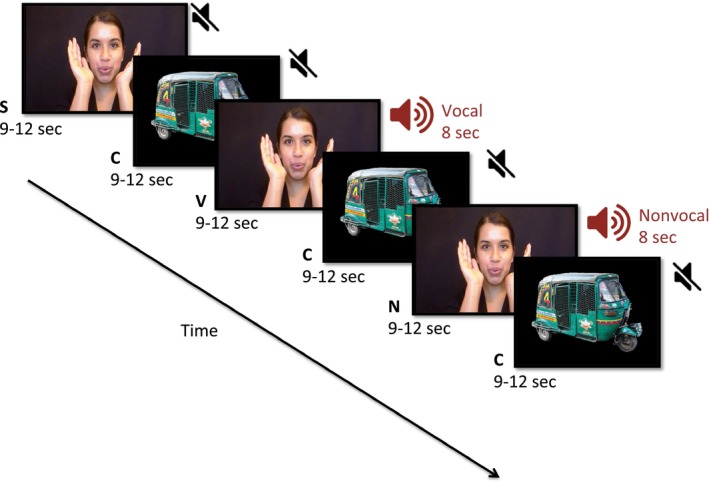
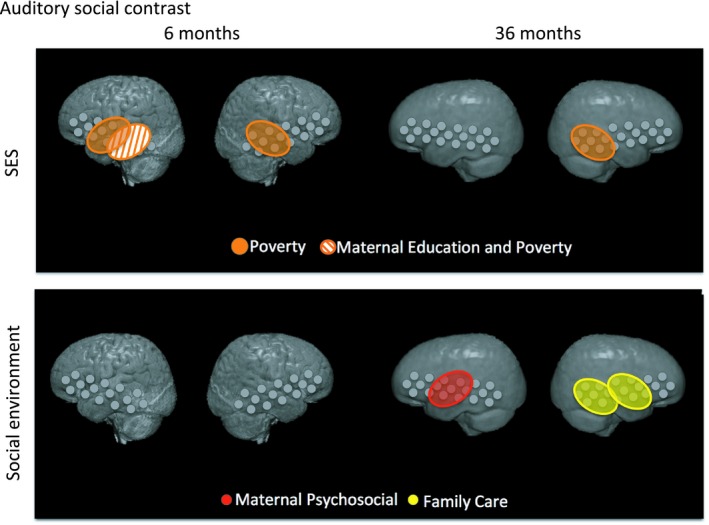
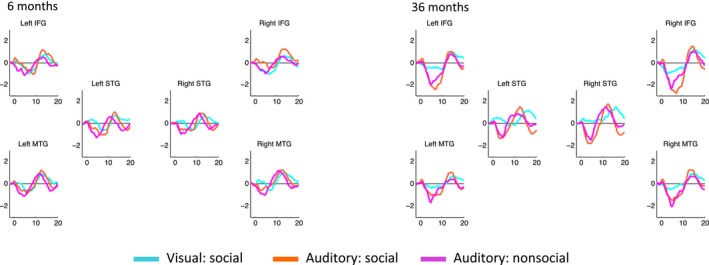
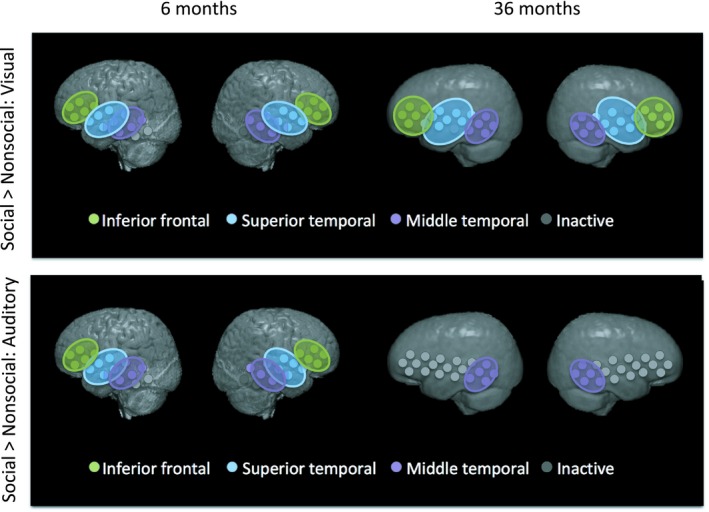
Children living in low-resource settings are at risk for failing to reach their developmental potential. While the behavioral outcomes of growing up in such settings are well-known, the neural mechanisms underpinning poor outcomes have not been well elucidated, particularly in the context of low- and middle-income countries. In this study, we measure brain metabolic responses to social and nonsocial stimuli in a cohort of 6- and 36-month-old Bangladeshi children. Study participants in both cohorts lived in an urban slum and were exposed to a broad range of adversity early in life including extreme poverty, malnutrition, recurrent infections, and low maternal education. We observed brain regions that responded selectively to social stimuli in both ages indicating that these specialized brain responses are online from an early age. We additionally show that the magnitude of the socially selective response is related to maternal education, maternal stress, and the caregiving environment. Ultimately our results suggest that a variety of psychosocial hazards have a measurable relationship with the developing social brain.
生活在资源匮乏环境中的儿童面临着无法充分发挥其发展潜力的风险。尽管在这种环境中成长的行为后果是众所周知的,但支持不良后果的神经机制尚未得到很好的阐明,特别是在中低收入国家的背景下。在这项研究中,我们测量了 6 个月和 36 个月大的孟加拉国儿童对社会和非社会刺激的大脑代谢反应。两个队列的研究参与者都居住在城市贫民窟,他们在生命早期就经历了广泛的逆境,包括极端贫困、营养不良、反复感染和母亲受教育程度低。我们观察到大脑区域对社会刺激有选择性的反应,这表明这些专门的大脑反应从早期就已经存在。我们还表明,社会选择性反应的程度与母亲教育、母亲压力和养育环境有关。最终,我们的结果表明,各种心理社会危害与发育中的社会大脑有一定的关系。