
由蛋清和巧克力牛奶混合制成的蛋白质饮料:微生物学、营养和感官特性。
Protein beverages made of a mixture of egg white and chocolate milk: Microbiology, nutritional and sensory properties.
作者信息
Lotfian Fahimeh, Emam Djomeh Zahra, Karami Mostafa, Moeini Sohrab
机构信息
Department of Food Science and Technology Islamic Azad University North Tehran Branch Tehran Iran.
Department of Food Science, Engineering and Technology, Faculty of Agricultural Engineering and Technology University of Tehran Karaj Iran.
出版信息
Food Sci Nutr. 2019 Mar 2;7(4):1466-1472. doi: 10.1002/fsn3.983. eCollection 2019 Apr.
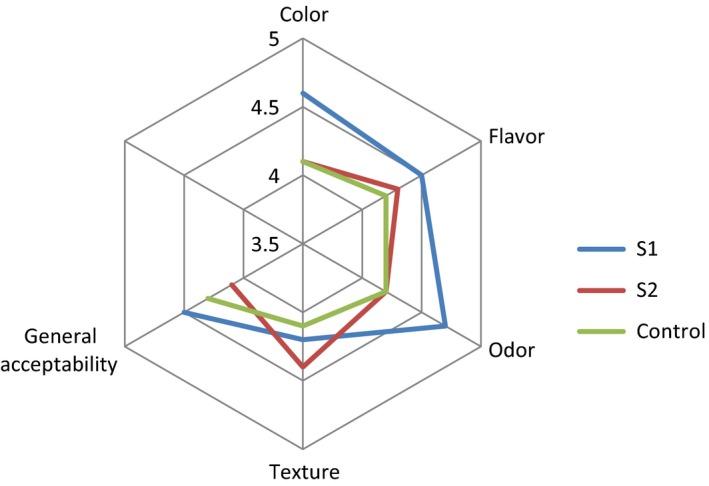
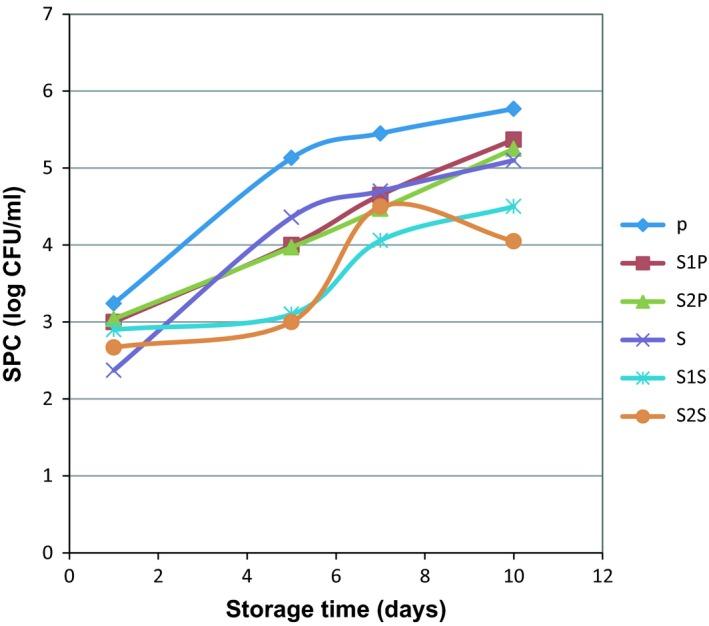
Egg white protein and chocolate milk were used for making protein beverage. Microbiological count, sensory attributes, and pH changes were investigated during 10 days of refrigerated storage. At the tenth day, the total numbers of bacteria were between 4.05 and 5.77 (Log CFU/ml). It was concluded that when the amount of egg white increases, the number of bacteria significantly decreases. No coliforms, E. coli, salmonella, mold, and yeast were observed. Also, pH levels were increased from 8.3 to 8.7 and acidic spoilage was reduced. The chocolate milk containing 14% egg white was the most preferred by the panelists in all of the evaluated items except texture. Protein, Ca, Na, and energy contents were increased, and fat, cholesterol, saturated fatty acids, total sugar, lactose, carbohydrate, Mg, Fe, and P contents of the treated samples were decreased.
蛋清蛋白和巧克力牛奶被用于制作蛋白质饮料。在冷藏储存的10天内,对微生物计数、感官特性和pH值变化进行了研究。在第10天,细菌总数在4.05至5.77(Log CFU/ml)之间。得出的结论是,当蛋清含量增加时,细菌数量显著减少。未观察到大肠菌群、大肠杆菌、沙门氏菌、霉菌和酵母菌。此外,pH值从8.3升高到8.7,酸性腐败减少。在除质地外的所有评估项目中,含有14%蛋清的巧克力牛奶最受评审员喜爱。处理后样品的蛋白质、钙、钠和能量含量增加,而脂肪、胆固醇、饱和脂肪酸、总糖、乳糖、碳水化合物、镁、铁和磷含量降低。


 Zotero 插件