Department of Pediatric Pulmonology and Allergy, Medical University of Warsaw, Żwirki i Wigury 63A, 02-091 Warszawa, Poland.
Department of Didactics of Physical Activity, Poznan University of Physical Education, Królowej Jadwigi 27/39, 61-871 Poznań, Poland.
Int J Environ Res Public Health. 2019 Apr 27;16(9):1496. doi: 10.3390/ijerph16091496.
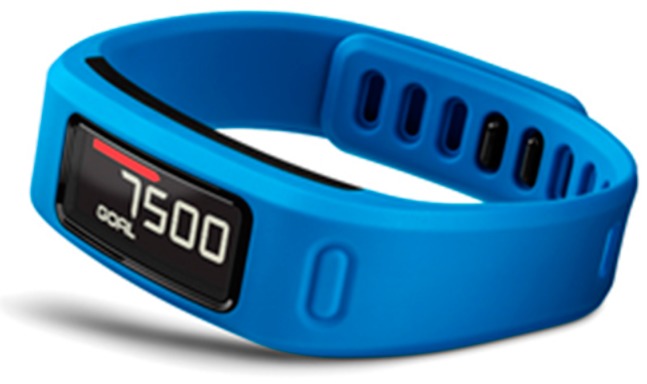
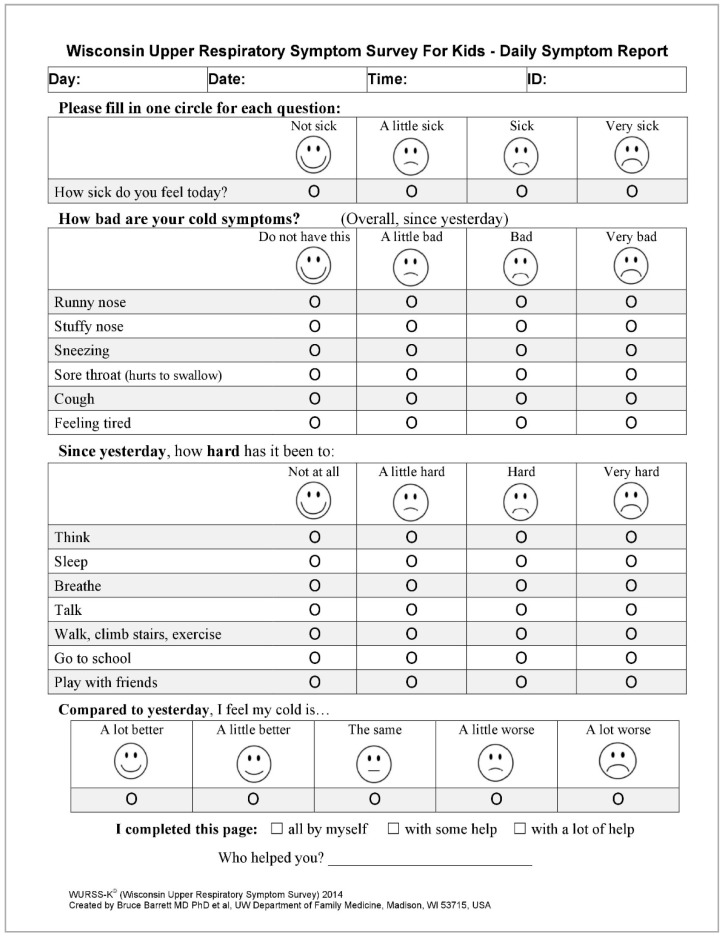
Currently, there is no consensus regarding the benefits of physical activity in terms of upper respiratory tract infections (URTIs) among different age groups of children. The number of school students avoiding physical education is on the rise. Children of all ages spend more time on sedentary behavior, eat less nutritious food and spend less time sleeping. All of these concomitant aspects adversely affect the immune system. A coexisting problem of a growing society is a large number of URTIs which is the main reason for general practitioner intervention. The aim of this study is to determine whether there is a correlation between the frequency of respiratory tract infections and the level of physical exercise in a cohort of pre-school children. This will be a cross-sectional, short-term study conducted on a single study population. We aim to recruit four-, to seven-year-old children who will be receiving activity monitoring devices for 24 h a day for 40 days. Daily step count, mean intensity of physical exercise and sleep duration will be measured. Simultaneously, their parents will receive a series of 60 questionnaires, one questionnaire per day, for the daily assessment of upper respiratory infection (URI) symptoms. Our study conducted on a cohort of healthy pre-school children using uniform tools, aims to scientifically establish and quantify the relationship between physical activity and health outcomes over a specified period of time.
目前,对于不同年龄段儿童的上呼吸道感染(URTI)而言,身体活动的益处尚未达成共识。越来越多的在校学生避免参加体育课。各个年龄段的儿童花更多的时间久坐不动,吃的营养食物较少,睡眠时间也减少。所有这些并发因素都会对免疫系统产生不利影响。一个日益增长的社会的共存问题是大量的 URTI,这是全科医生干预的主要原因。本研究旨在确定在一组学龄前儿童中,呼吸道感染的频率与体育锻炼的水平之间是否存在相关性。这将是一项在单一研究人群中进行的横断面、短期研究。我们的目标是招募四到七岁的儿童,他们将在 40 天内每天 24 小时佩戴活动监测设备。将测量每日步数、体育锻炼的平均强度和睡眠时间。同时,他们的父母将每天收到 60 份问卷中的一份,以对每日上呼吸道感染(URI)症状进行评估。我们的研究在一组健康的学龄前儿童中使用统一的工具进行,旨在在特定时间段内科学地建立和量化身体活动与健康结果之间的关系。