Onuma Takuya, Sakai Nobuyuki
Department of Management and Business, Faculty of Humanity-oriented Science and Engineering, Kindai University, Kayanomori 11-6, Iizuka, Fukuoka 820-8555, Japan.
Department of Psychology, Graduate School of Arts and Letters, Tohoku University, Kawauchi 27-1, Aoba-ku, Sendai 980-8576, Japan.
Foods. 2019 Apr 29;8(5):145. doi: 10.3390/foods8050145.
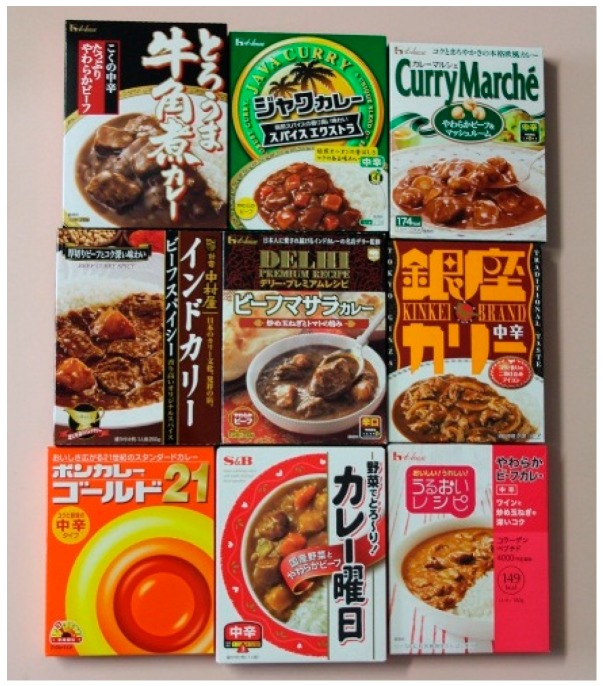
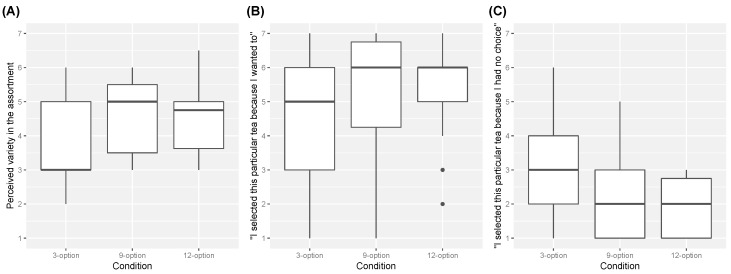
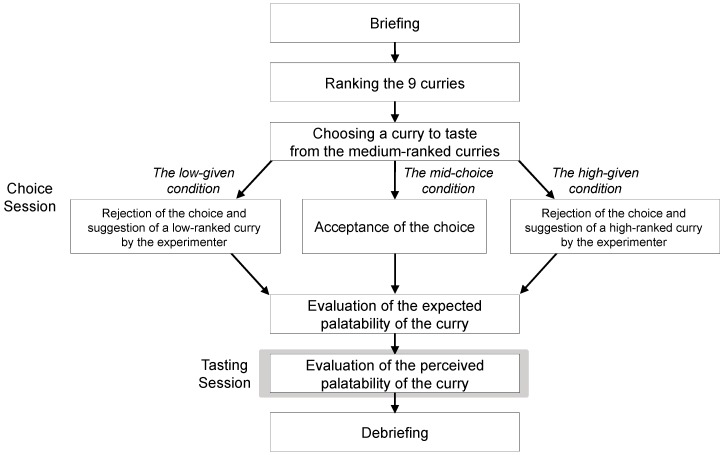
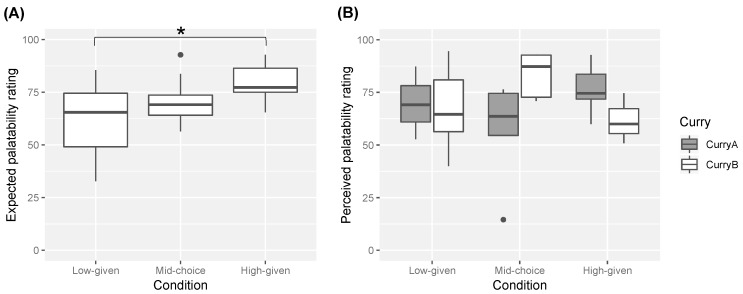
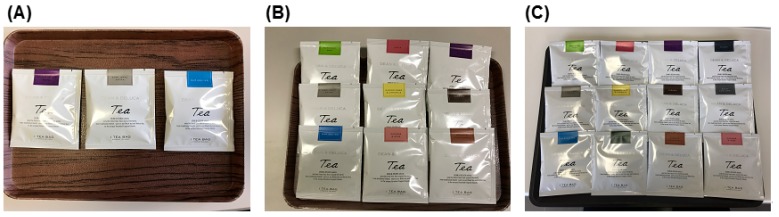
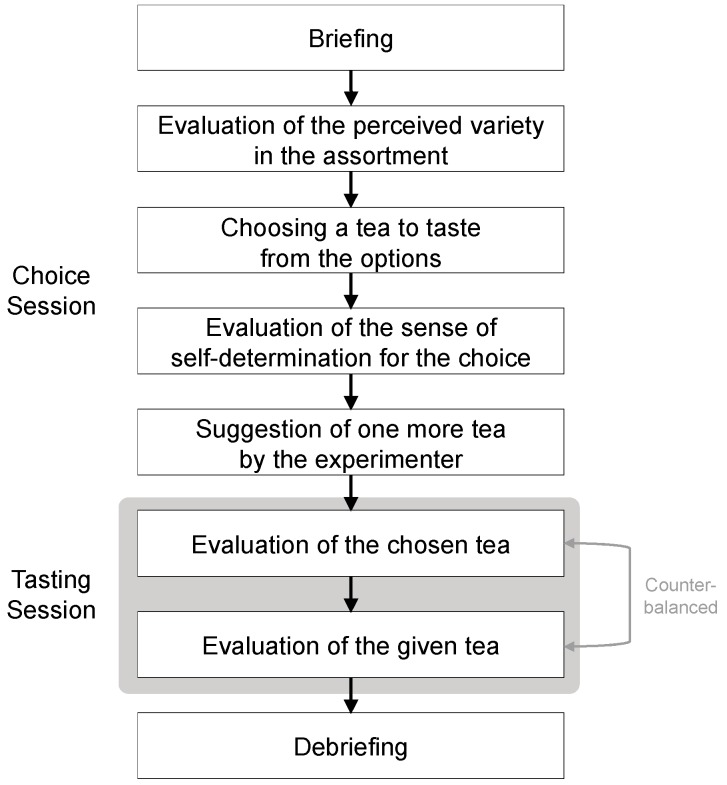
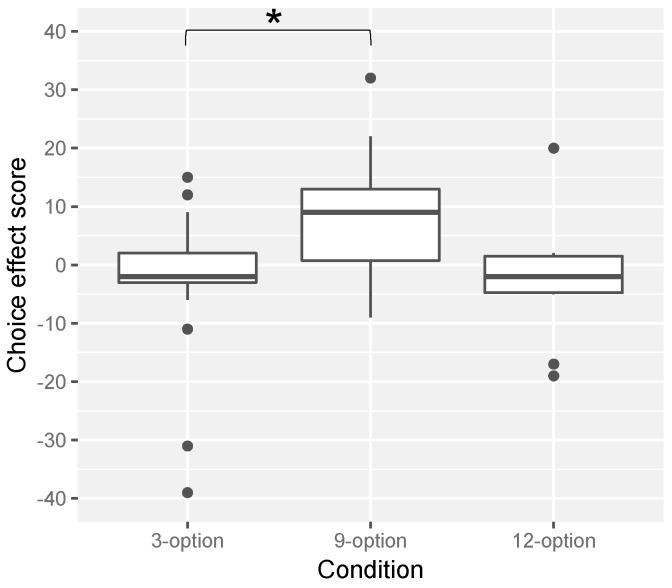
Previous studies have shown that affording people choice increases their satisfaction with subsequent experiences: the choice effect. However, it remains unclear whether the choice effect occurs in the hedonic response to foods and beverages. Thus, the present study aimed to demonstrate the choice effect on the palatability perception. Ready-to-serve curries and tea were presented as options in Experiment 1 and Experiment 2, respectively. Experiment 1 failed to demonstrate significant differences among palatability ratings for a curry chosen by participants and for a curry chosen by the experimenter. However, Experiment 2 demonstrated that participants perceived a tea chosen by themselves as more palatable than another tea chosen by the experimenter, regardless of the fact that the two cups of tea were identical. Intriguingly, the effect was obtained only when the number of options was neither too small nor too big. These results indicate that the exercise of choice from an optimal number of options, even when the choice is ostensible and illusory, makes people perceive their chosen foods and beverages as being more palatable. Some implications for the domain of food business are also discussed.
先前的研究表明,给予人们选择会提高他们对后续体验的满意度:即选择效应。然而,选择效应是否出现在对食品和饮料的享乐反应中仍不清楚。因此,本研究旨在证明选择效应在适口性感知方面的作用。在实验1和实验2中,即食咖喱和茶分别作为选项呈现。实验1未能证明参与者选择的咖喱和实验者选择的咖喱在适口性评分上存在显著差异。然而,实验2表明,参与者认为自己选择的茶比实验者选择的另一杯茶更可口,尽管这两杯茶是相同的。有趣的是,只有当选项数量既不过少也不过多时,才会产生这种效应。这些结果表明,从最佳数量的选项中进行选择,即使这种选择看似是虚假的,也会让人们觉得他们选择的食品和饮料更可口。本文还讨论了对食品行业领域的一些启示。