Beaudin Sarah, Kokabee Leila, Welsh JoEllen
Cancer Research Center and Department of Environmental Health Sciences, University at Albany, Rensselaer, NY 12144, USA.
Oncotarget. 2019 Mar 19;10(23):2292-2305. doi: 10.18632/oncotarget.26765.
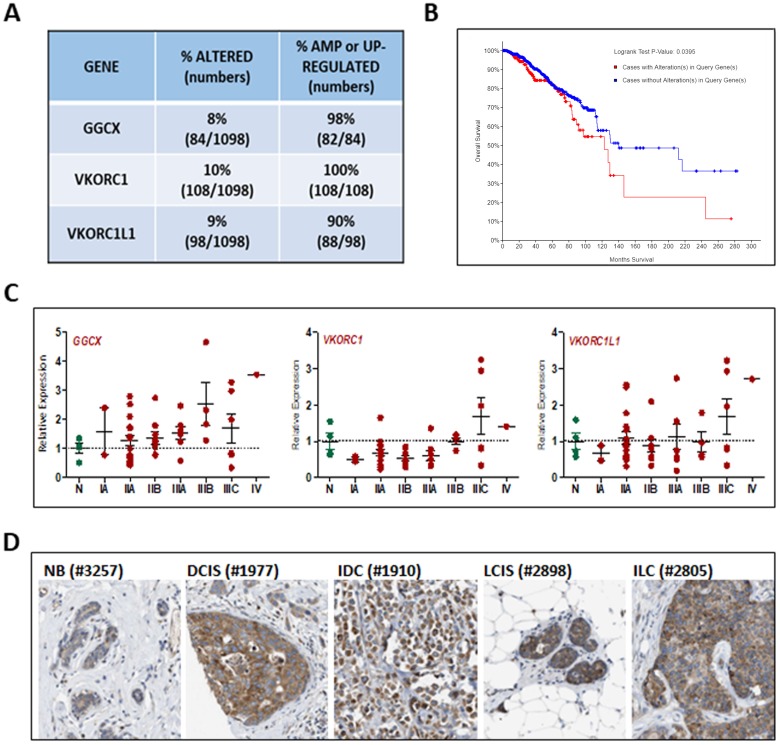
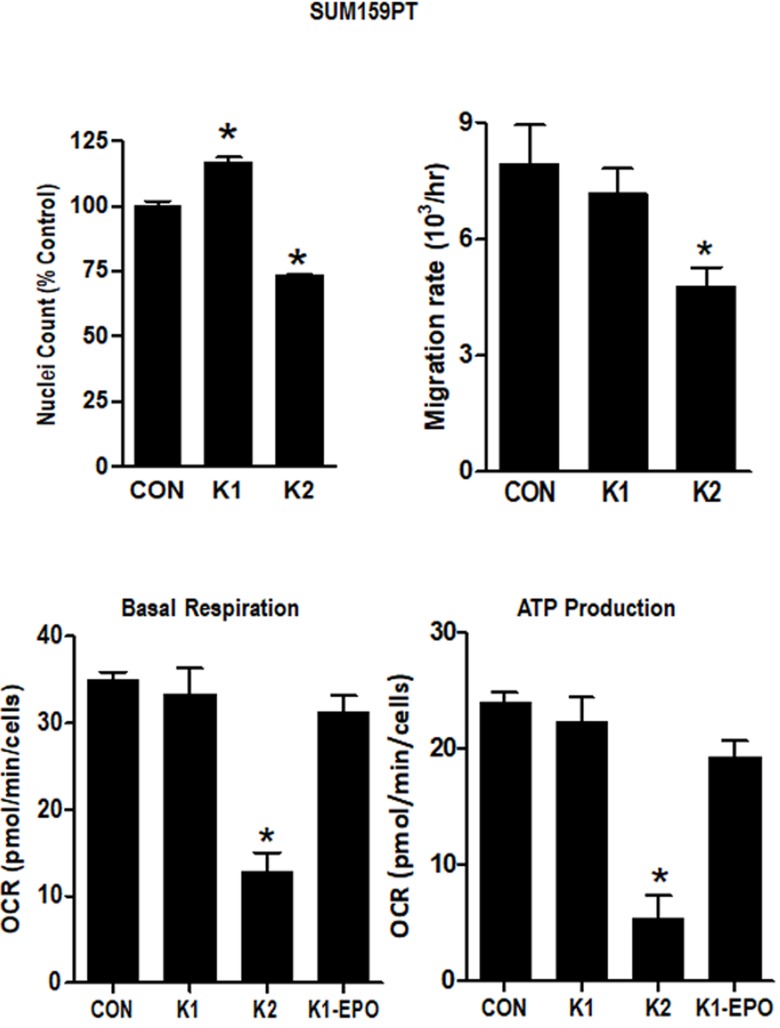
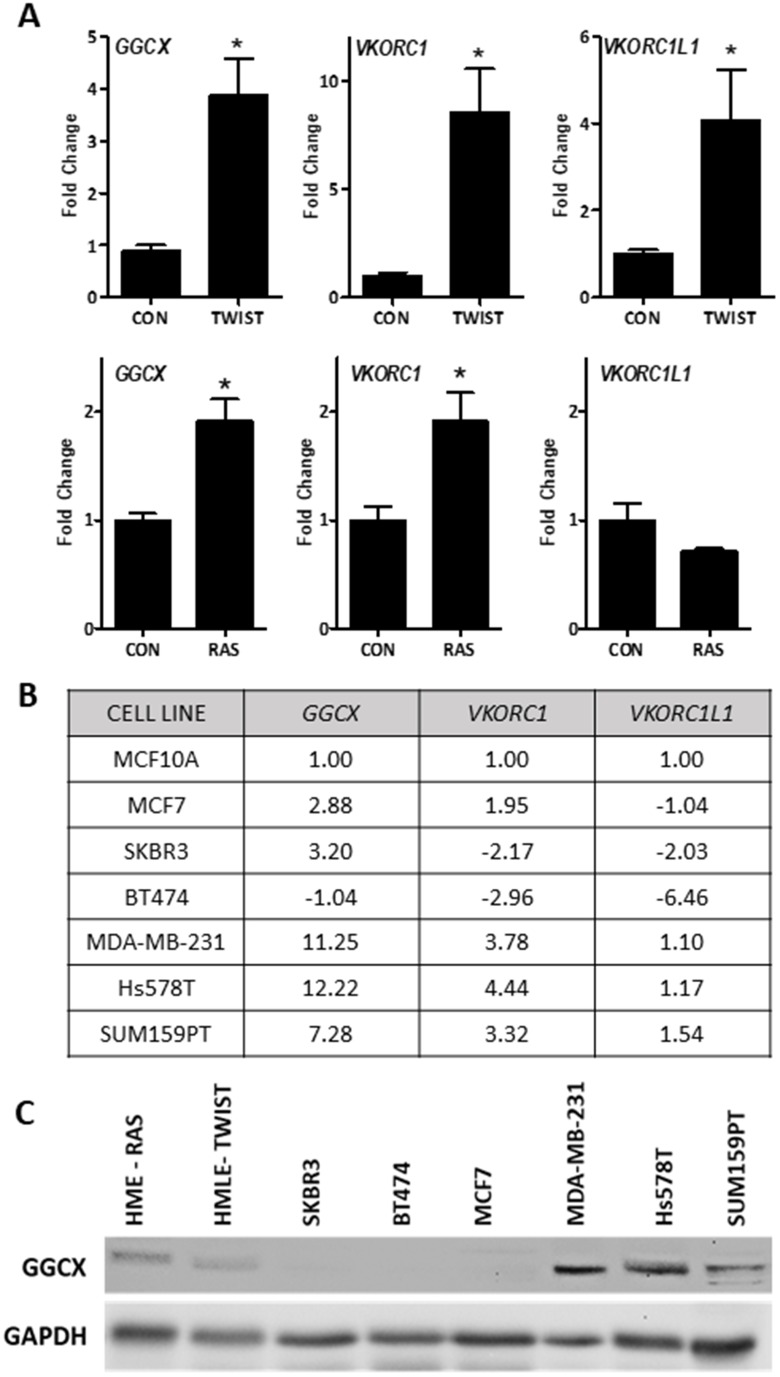
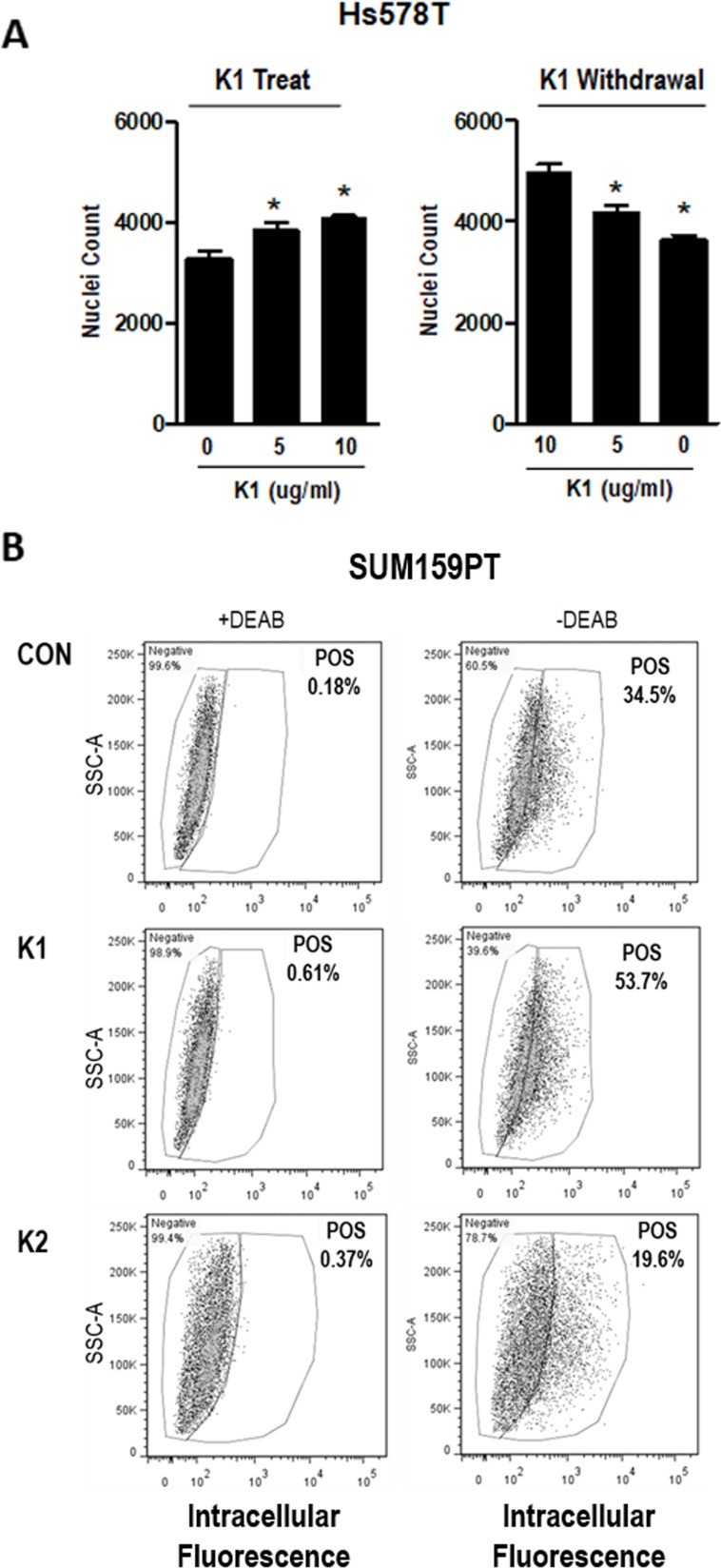
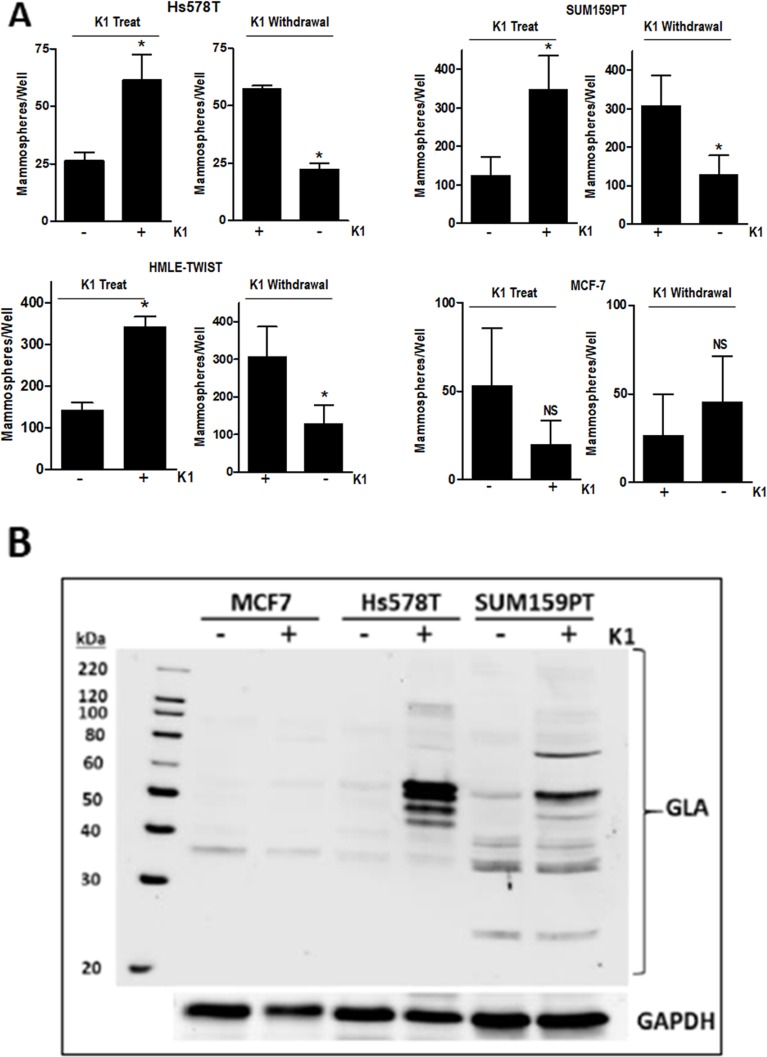
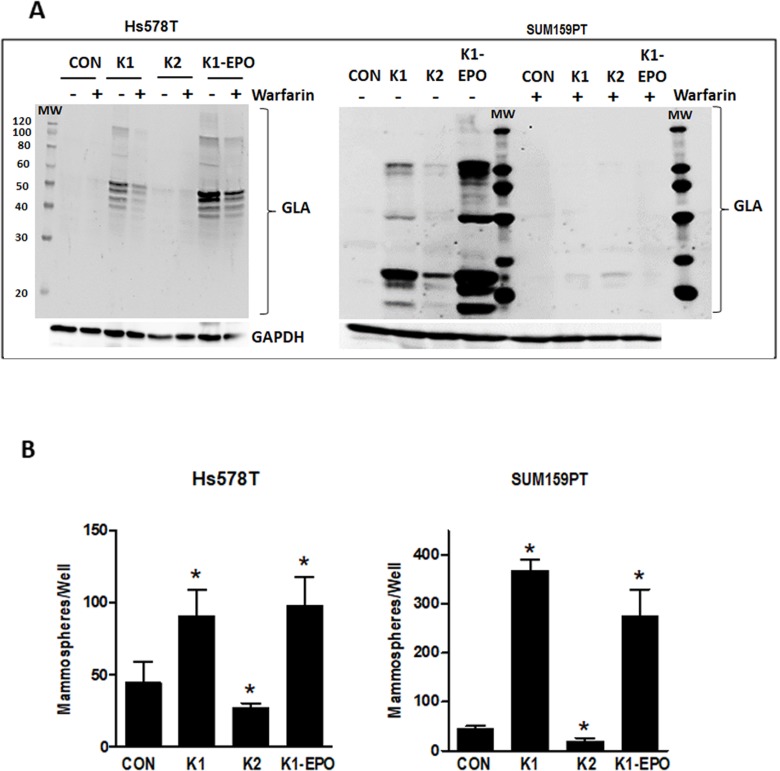
Vitamin K serves as an essential co-factor in the γ-carboxylation of glutamate to γ-carboxyglutamate (GLA), a post-translational modification mediated by gamma-glutamyl carboxylase (GGCX) and vitamin K oxidoreductases (VKORC1 or VKORC1L1). While both phylloquinone (K1) and menaquinone (K2) support the synthesis of GLA-modified proteins, studies assessing K1 and/or K2 effects in cancer cells have reported minimal effects of K1 and anti-proliferative or pro-apoptotic effects of K2. qPCR results indicated highest expression of , , and in triple negative breast cancer (TNBC) cell lines, Hs578T, MDA-MB-231 and SUM159PT, and in advanced stage disease. To assess differential effects of vitamin K, TNBC cells were cultured in media supplemented with K1 or K2. K1 treatment increased cell growth, and enhanced stemness and GLA-modified protein expression in TNBC lysates. Alternatively, lysates from cells exposed to vehicle, K2, or the VKOR antagonist, warfarin, did not express GLA-modified proteins. Further, K2 exposure reduced stemness and elicited anti-proliferative effects. These studies show that TNBC cells express a functional vitamin K pathway and that K1 and K2 exert distinct phenotypic effects. Clarification of the mechanisms by which K1 and K2 induce these effects may lead to relevant therapeutic strategies for manipulating this pathway in TNBC patients.
维生素K是谷氨酸γ羧化生成γ羧基谷氨酸(GLA)过程中必不可少的辅助因子,这是一种由γ谷氨酰羧化酶(GGCX)和维生素K氧化还原酶(VKORC1或VKORC1L1)介导的翻译后修饰。虽然叶绿醌(K1)和甲萘醌(K2)都能支持GLA修饰蛋白的合成,但评估K1和/或K2对癌细胞作用的研究报告称,K1的作用微乎其微,而K2具有抗增殖或促凋亡作用。定量聚合酶链反应(qPCR)结果表明,在三阴性乳腺癌(TNBC)细胞系Hs578T、MDA-MB-231和SUM159PT以及晚期疾病中,[具体基因名称未给出]、[具体基因名称未给出]和[具体基因名称未给出]的表达最高。为了评估维生素K的不同作用,将TNBC细胞培养在补充有K1或K2的培养基中。K1处理可增加细胞生长,并增强TNBC裂解物中的干性和GLA修饰蛋白表达。相反,暴露于溶剂、K2或VKOR拮抗剂华法林的细胞裂解物中未表达GLA修饰蛋白。此外,K2暴露可降低干性并产生抗增殖作用。这些研究表明,TNBC细胞表达功能性维生素K途径,且K1和K2发挥不同的表型作用。阐明K1和K2诱导这些作用的机制可能会为TNBC患者中调控该途径带来相关治疗策略。