Division of Human Biology, Fred Hutchinson Cancer Research Center, Seattle, WA, 98109, USA.
Medical Scientist Training Program, University of Washington School of Medicine, Seattle, WA, 98195, USA.
Nat Commun. 2019 May 16;10(1):2190. doi: 10.1038/s41467-019-09481-7.
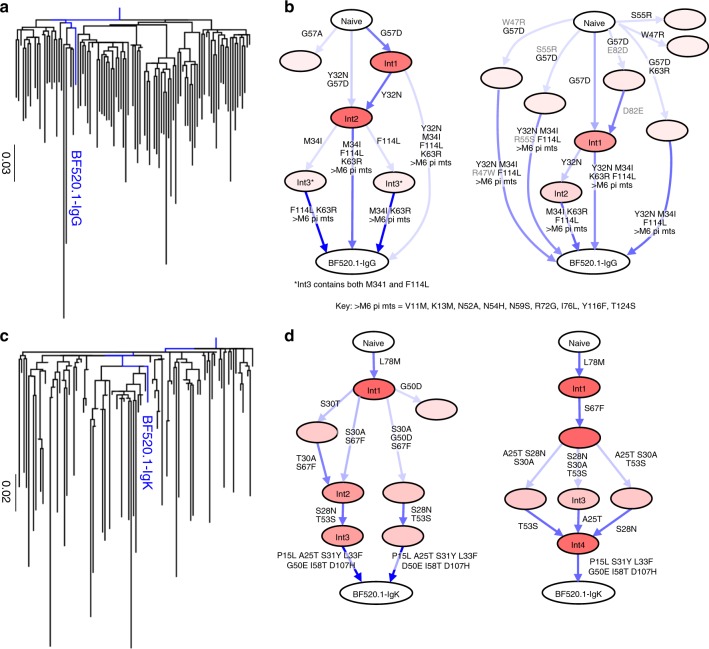
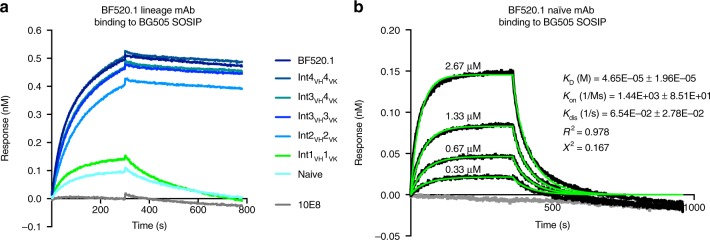
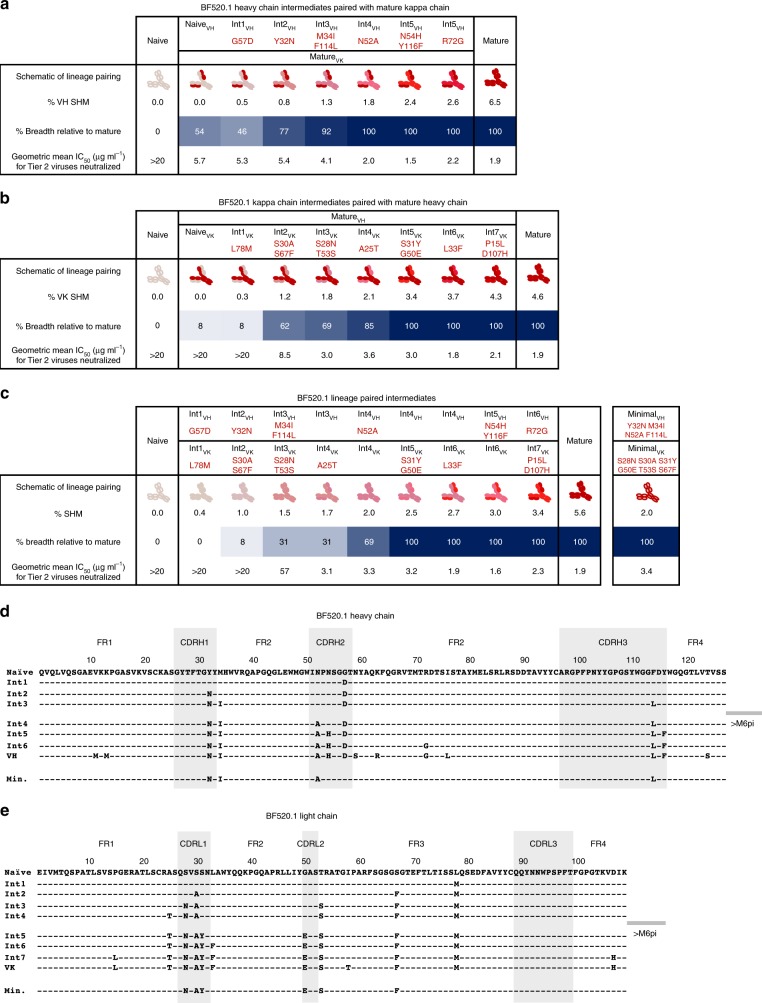
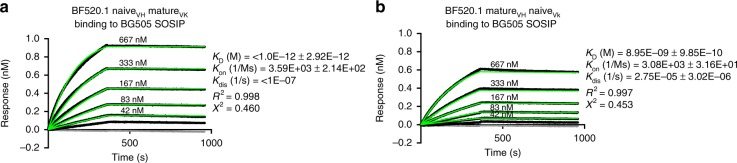
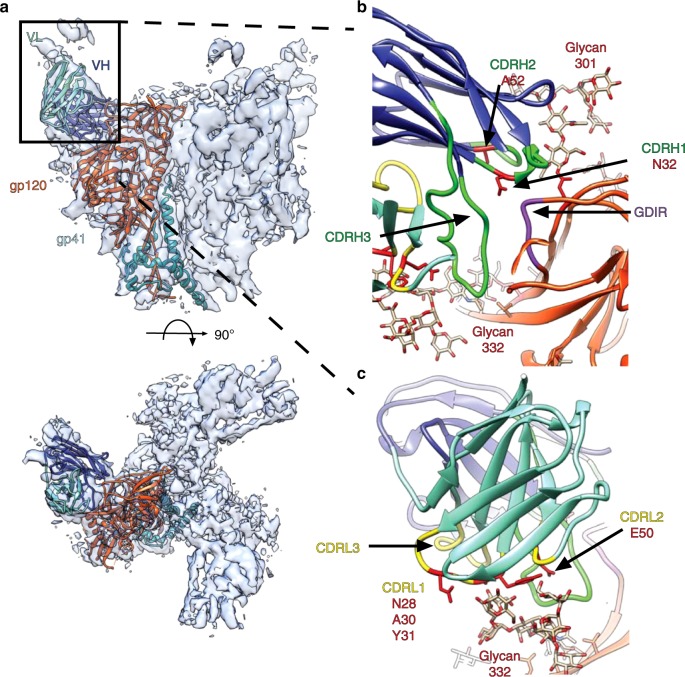
HIV-infected infants develop broadly neutralizing plasma responses with more rapid kinetics than adults, suggesting the ontogeny of infant responses could better inform a path to achievable vaccine targets. Here we reconstruct the developmental lineage of BF520.1, an infant-derived HIV-specific broadly neutralizing antibody (bnAb), using computational methods developed specifically for this purpose. We find that the BF520.1 inferred naive precursor binds HIV Env. We also show that heterologous cross-clade neutralizing activity evolved in the infant within six months of infection and that, ultimately, only 2% SHM is needed to achieve the full breadth of the mature antibody. Mutagenesis and structural analyses reveal that, for this infant bnAb, substitutions in the kappa chain were critical for activity, particularly in CDRL1. Overall, the developmental pathway of this infant antibody includes features distinct from adult antibodies, including several that may be amenable to better vaccine responses.
HIV 感染婴儿产生的广谱中和血浆反应比成年人更快,这表明婴儿反应的个体发生可以更好地为实现疫苗目标提供信息。在这里,我们使用专门为此目的开发的计算方法,重建了婴儿来源的 HIV 特异性广谱中和抗体 (bnAb) BF520.1 的发育谱系。我们发现推断的 BF520.1 幼稚前体结合 HIV Env。我们还表明,在感染后六个月内,婴儿体内出现了异源交叉中和活性,并且最终仅需 2%的 SHM 即可实现成熟抗体的全部广度。诱变和结构分析表明,对于这种婴儿 bnAb,κ 链中的突变对于活性至关重要,尤其是在 CDRL1 中。总体而言,这种婴儿抗体的发育途径包括与成人抗体不同的特征,包括一些可能更容易产生疫苗反应的特征。