Department of Biomedical Sciences, Cancer Biology Graduate Program, Ajou University Graduate School of Medicine, Suwon 16499, Korea.
Genomic Instability Research Center (GIRC), Ajou University School of Medicine, Suwon 16499, Korea.
Cells. 2019 May 16;8(5):468. doi: 10.3390/cells8050468.
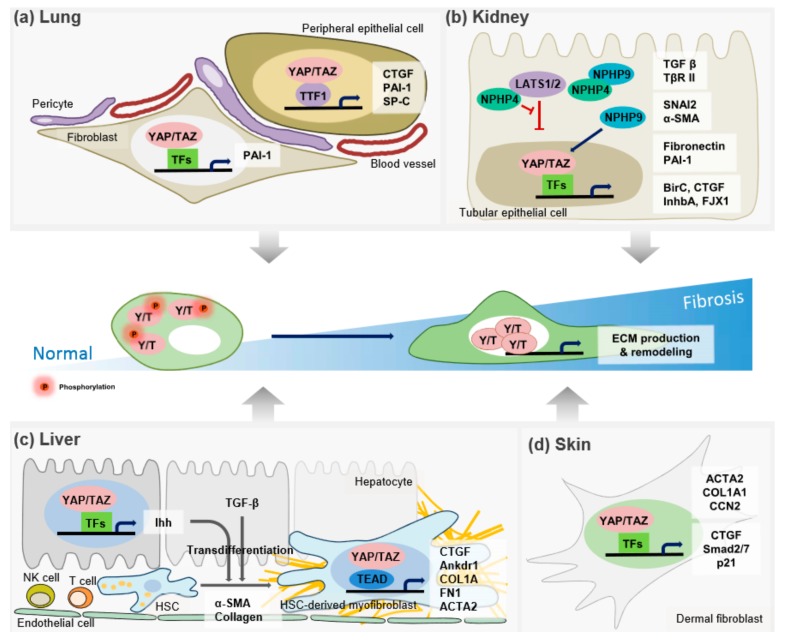
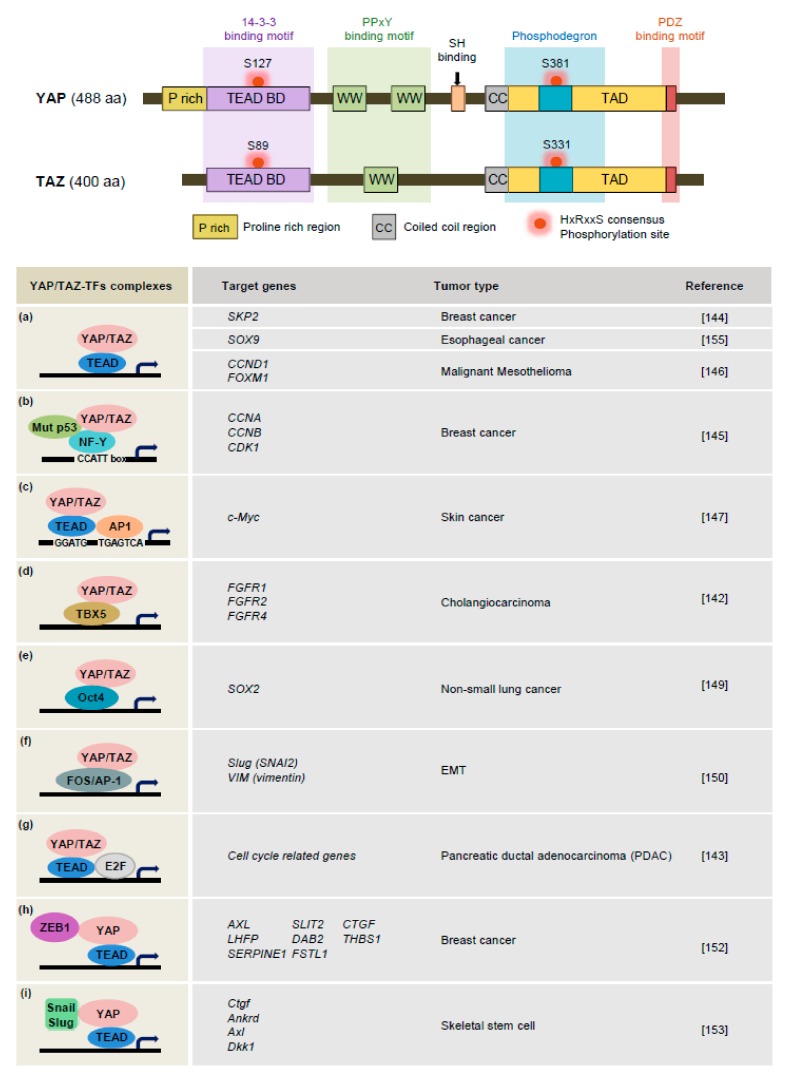
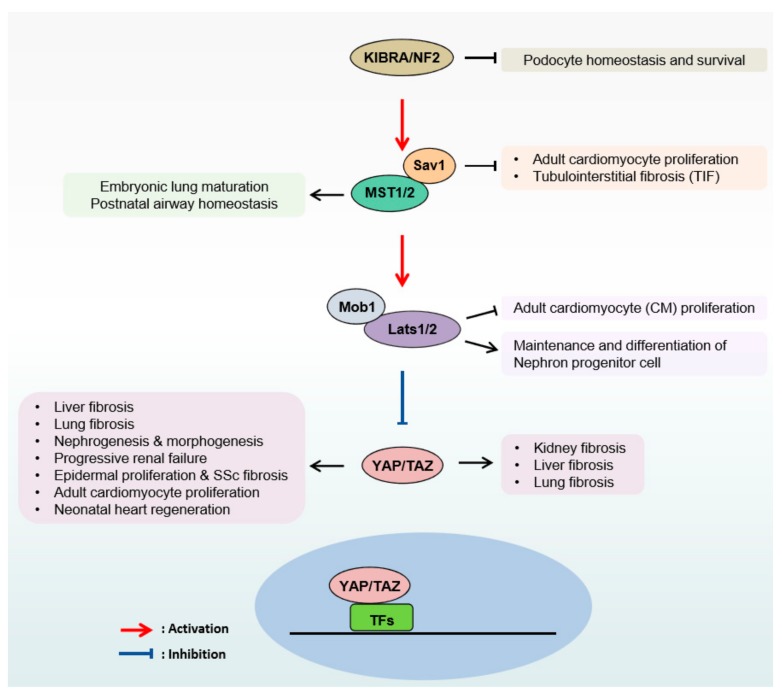
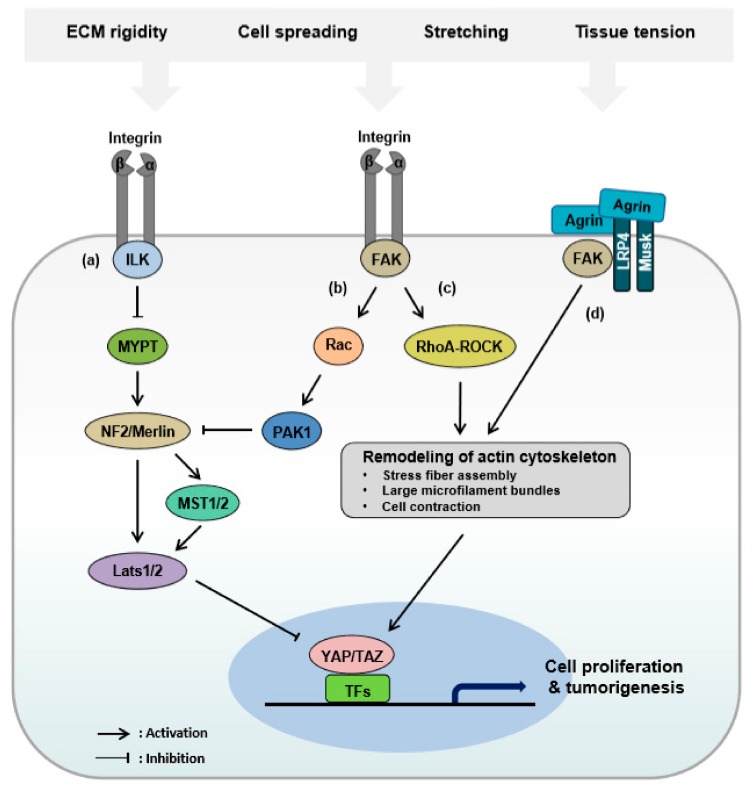
The Hippo pathway is the key player in various signaling processes, including organ development and maintenance of tissue homeostasis. This pathway comprises a core kinases module and transcriptional activation module, representing a highly conserved mechanism from to vertebrates. The central MST1/2-LATS1/2 kinase cascade in this pathway negatively regulates YAP/TAZ transcription co-activators in a phosphorylation-dependent manner. Nuclear YAP/TAZ bind to transcription factors to stimulate gene expression, contributing to the regenerative potential and regulation of cell growth and death. Recent studies have also highlighted the potential role of Hippo pathway dysfunctions in the pathology of several diseases. Here, we review the functional characteristics of the Hippo pathway in organ fibrosis and tumorigenesis, and discuss its potential as new therapeutic targets.
Hippo 通路是各种信号转导过程中的关键参与者,包括器官发育和组织稳态的维持。该通路包含一个核心激酶模块和转录激活模块,代表了从无脊椎动物到脊椎动物的高度保守机制。该通路中的中心 MST1/2-LATS1/2 激酶级联反应以磷酸化依赖的方式负调控 YAP/TAZ 转录共激活因子。核 YAP/TAZ 与转录因子结合,刺激基因表达,有助于再生潜力以及细胞生长和死亡的调节。最近的研究还强调了 Hippo 通路功能障碍在几种疾病病理中的潜在作用。在这里,我们综述了 Hippo 通路在器官纤维化和肿瘤发生中的功能特征,并讨论了其作为新的治疗靶点的潜力。