Department of Cell and Developmental Biology, Sackler Faculty of Medicine, Tel Aviv University, Tel Aviv 69978, Israel.
Int J Mol Sci. 2019 May 27;20(10):2603. doi: 10.3390/ijms20102603.
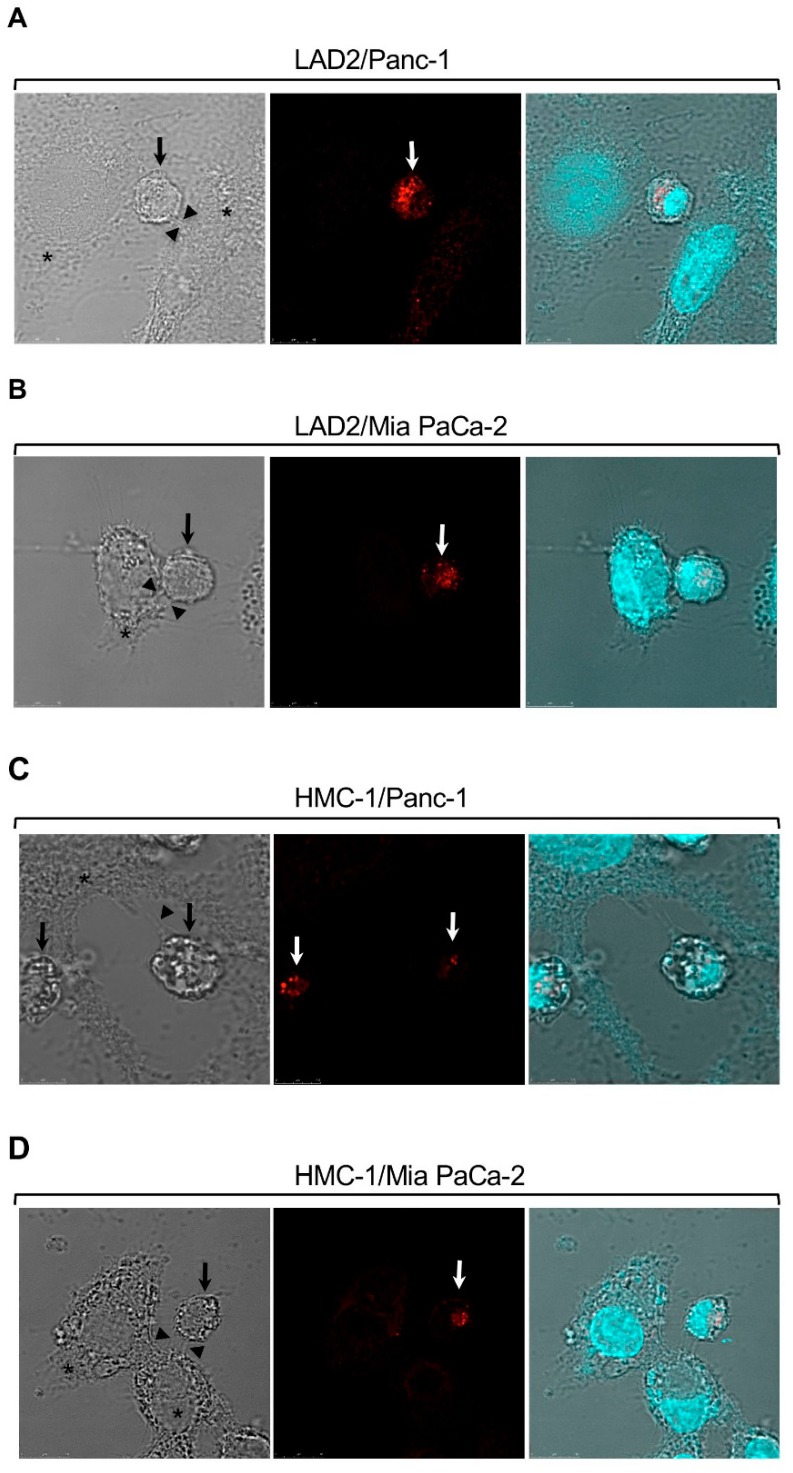
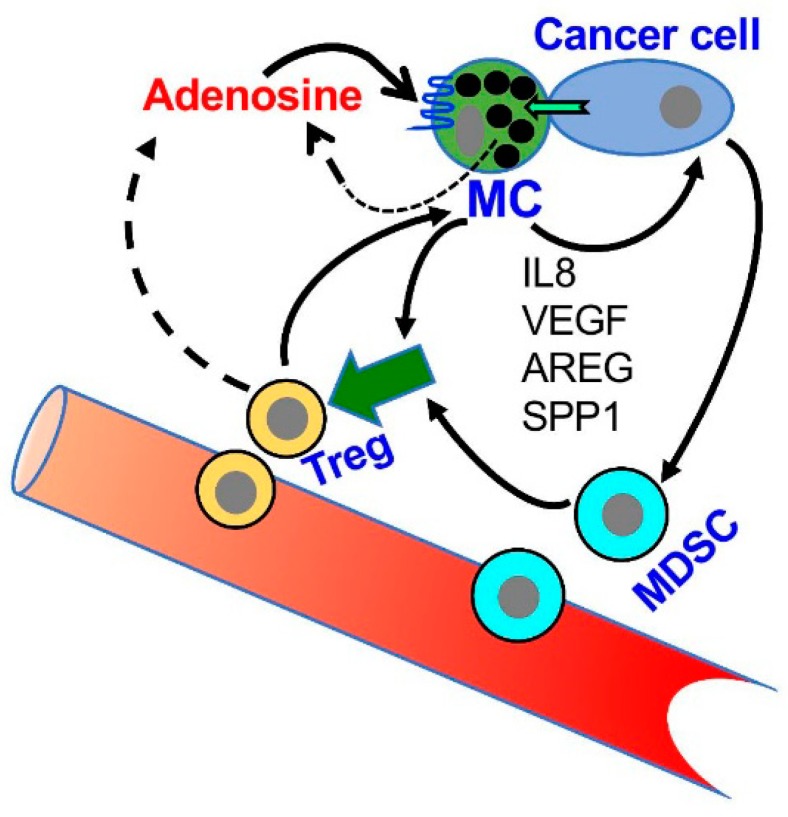
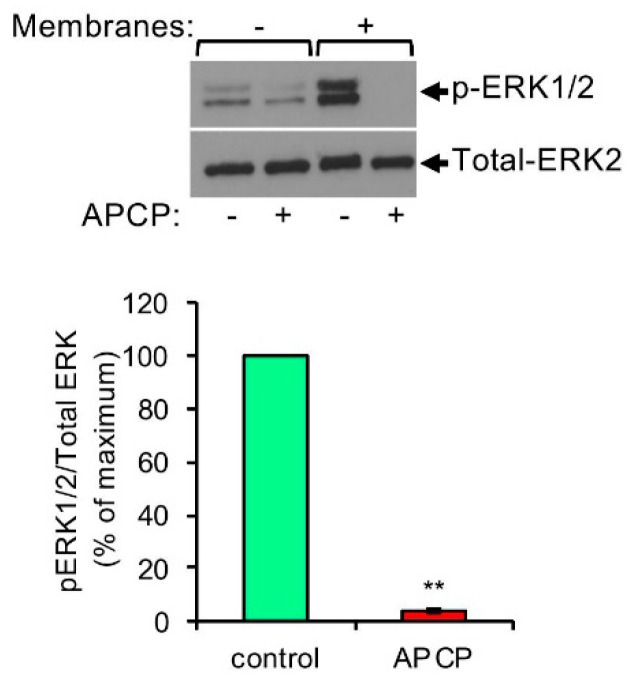
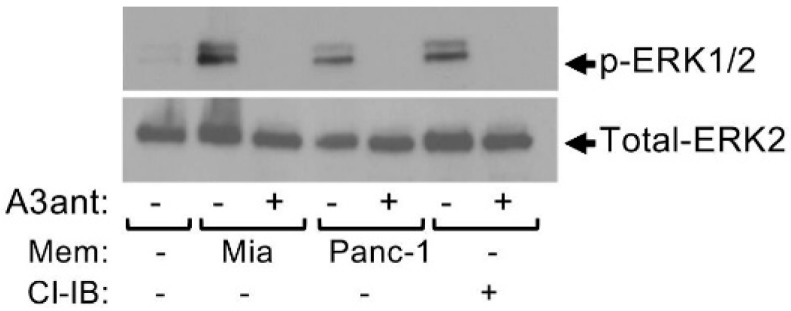
Accumulating evidence has highlighted the accumulation of mast cells (MCs) in tumors. However, their impact on tumor development remained controversial. Indeed, cumulative data indicate an enigmatic role for MCs in cancer, whereby depending on the circumstances, which still need to be resolved, MCs function to promote or restrict tumor growth. By responding to multiple stimuli MCs release multiple inflammatory mediators, that contribute to the resolution of infection and resistance to envenomation, but also have the potency to promote or inhibit malignancy. Thus, MCs seem to possess the power to define tumor projections. Given this remarkable plasticity of MC responsiveness, there is an urgent need of understanding how MCs are activated in the tumor microenvironment (TME). We have recently reported on the direct activation of MCs upon contact with cancer cells by a mechanism involving an autocrine formation of adenosine and signaling by the A3 adenosine receptor. Here we summarized the evidence on the role of adenosine signaling in cancer, in MC mediated inflammation and in the MC-cancer crosstalk.
越来越多的证据表明,肥大细胞(MCs)在肿瘤中积累。然而,它们对肿瘤发展的影响仍然存在争议。事实上,累积的数据表明 MCs 在癌症中具有神秘的作用,根据仍需解决的情况,MCs 促进或限制肿瘤生长。MC 对多种刺激做出反应,释放多种炎症介质,有助于感染的解决和抗毒液的抵抗,但也有促进或抑制恶性肿瘤的能力。因此,MCs 似乎具有定义肿瘤预测的能力。鉴于 MC 反应的这种显著的可塑性,迫切需要了解 MCs 如何在肿瘤微环境(TME)中被激活。我们最近报道了一种机制,即 MCs 通过自分泌形成腺苷并通过 A3 腺苷受体信号直接与癌细胞接触而被激活。在这里,我们总结了腺苷信号在癌症、MC 介导的炎症和 MC-癌症串扰中的作用的证据。