The ithree institute, University of Technology Sydney, Po Box 123, Broadway, NSW, 2007, Australia.
Mol Microbiol. 2019 Sep;112(3):766-784. doi: 10.1111/mmi.14319. Epub 2019 Jun 11.
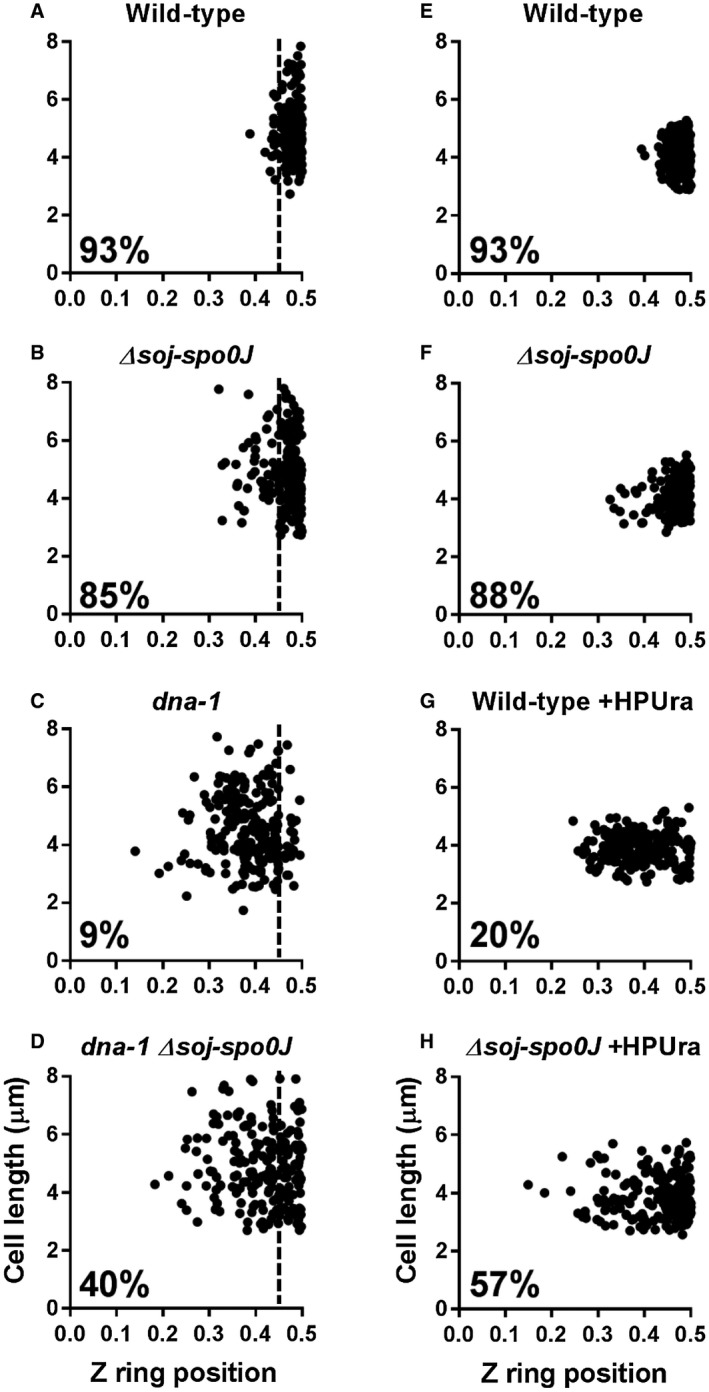
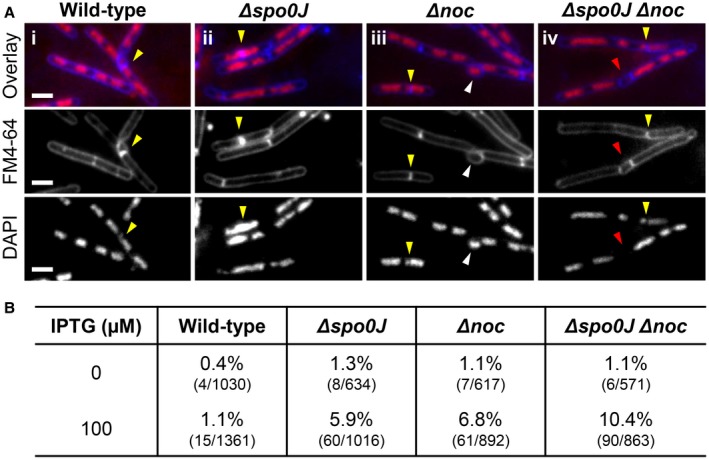
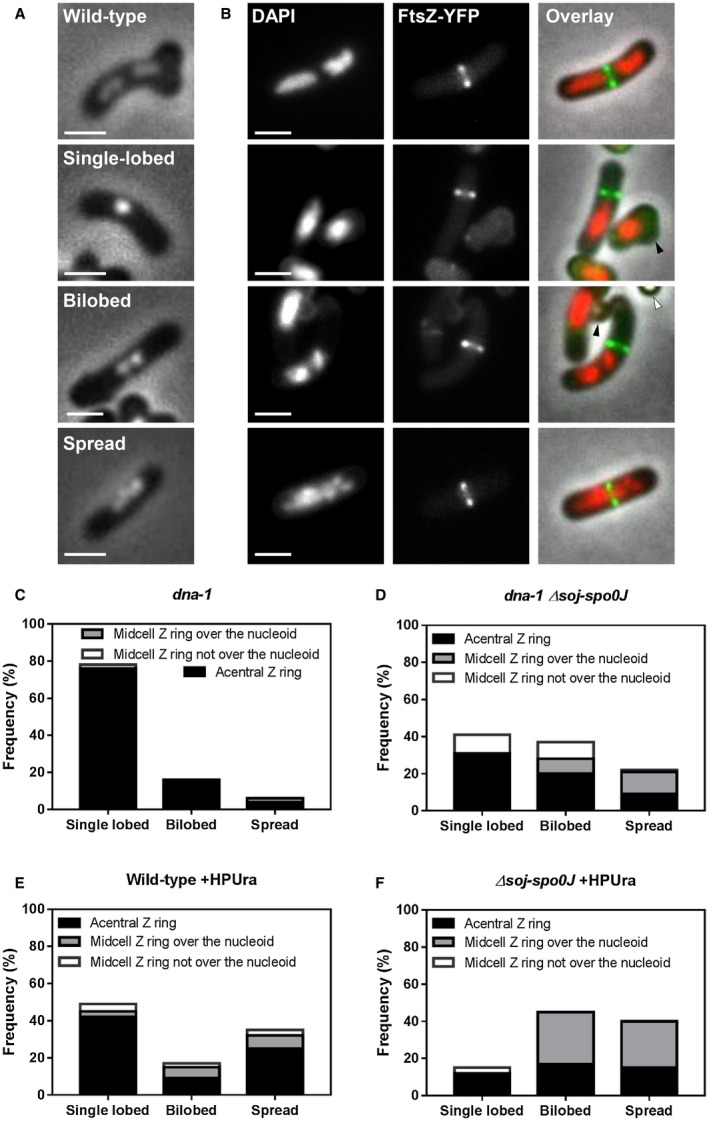
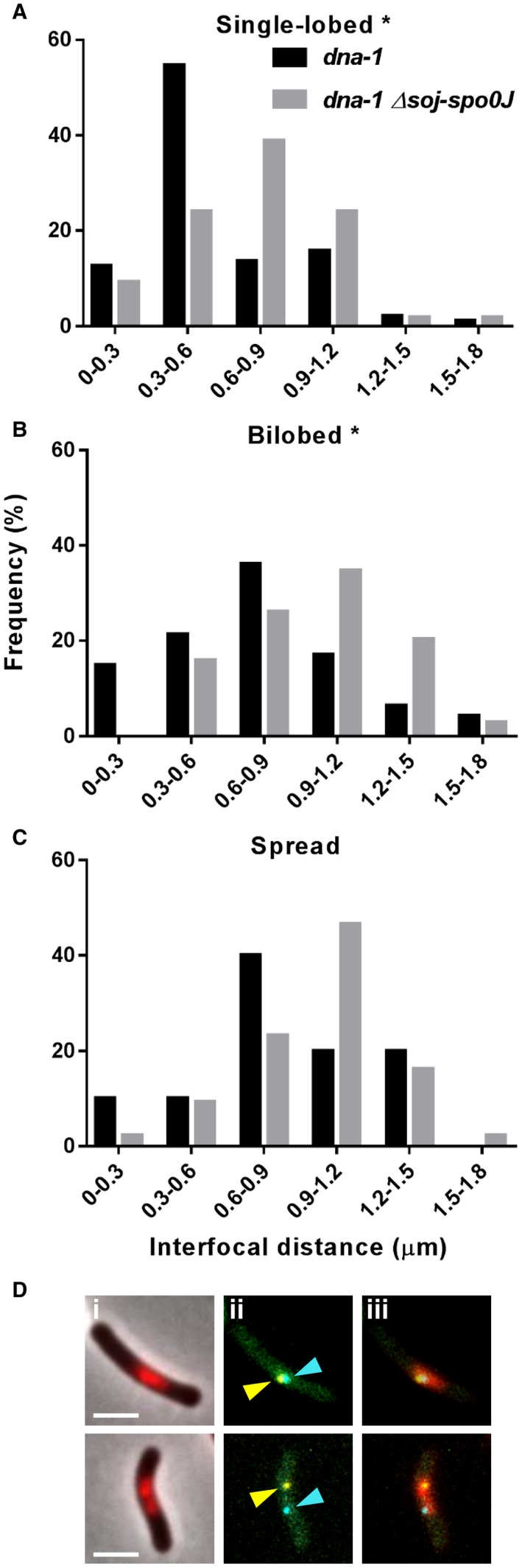
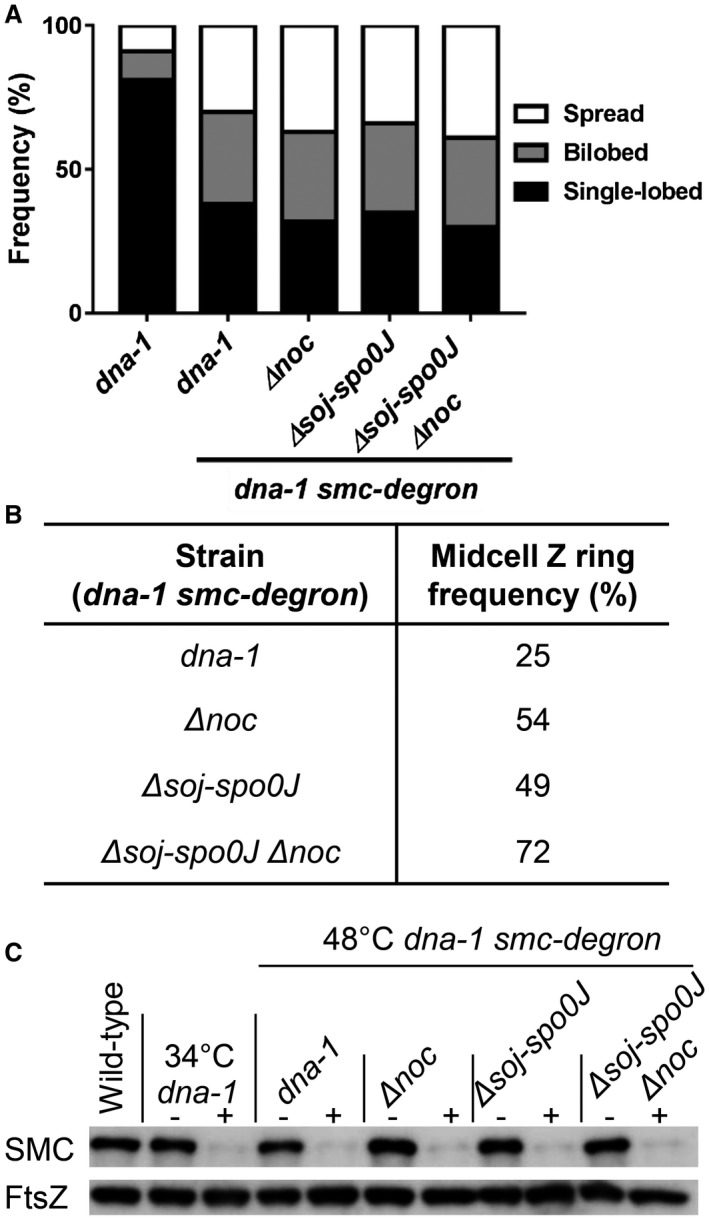
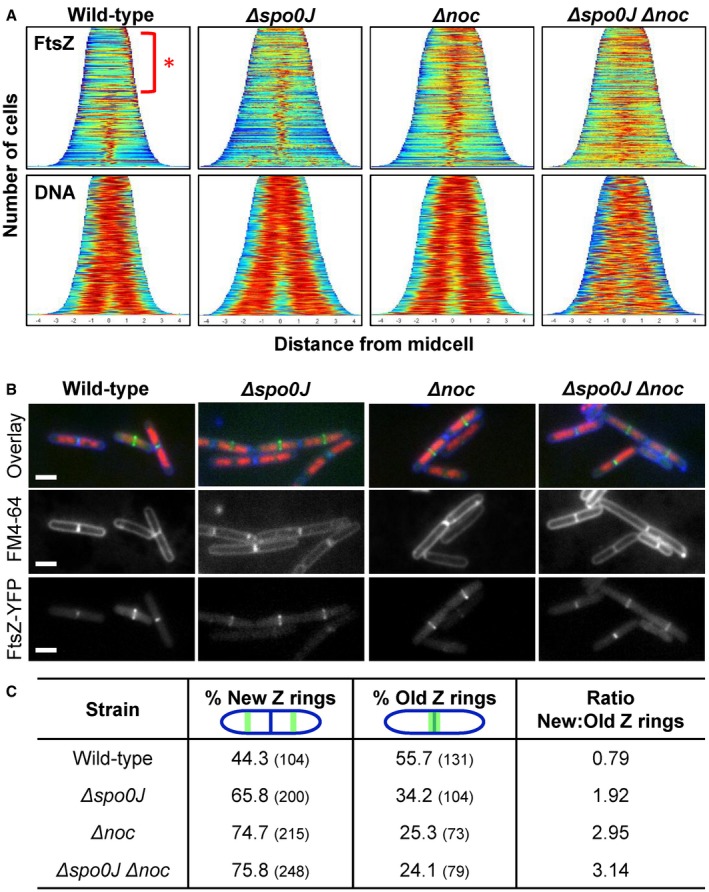
Precise cell division in coordination with DNA replication and segregation is of utmost importance for all organisms. The earliest stage of cell division is the assembly of a division protein FtsZ into a ring, known as the Z ring, at midcell. What still eludes us, however, is how bacteria precisely position the Z ring at midcell. Work in B. subtilis over the last two decades has identified a link between the early stages of DNA replication and cell division. A recent model proposed that the progression of the early stages of DNA replication leads to an increased ability for the Z ring to form at midcell. This model arose through studies examining Z ring position in mutants blocked at different steps of the early stages of DNA replication. Here, we show that this model is unlikely to be correct and the mutants previously studied generate nucleoids with different capacity for blocking midcell Z ring assembly. Importantly, our data suggest that two proteins of the widespread ParB family, Noc and Spo0J are required to prevent Z ring assembly over the bacterial nucleoid and help fine tune the assembly of the Z ring at midcell during the cell cycle.
精确的细胞分裂与 DNA 复制和分离的协调对所有生物都至关重要。细胞分裂的最早阶段是将分裂蛋白 FtsZ 组装成一个位于细胞中部的环,称为 Z 环。然而,我们仍然不清楚细菌如何精确地将 Z 环定位在细胞中部。在过去的二十年中,枯草芽孢杆菌的研究已经确定了 DNA 复制早期阶段与细胞分裂之间的联系。最近的一个模型提出,DNA 复制早期阶段的进展导致 Z 环在细胞中部形成的能力增强。这个模型是通过研究在 DNA 复制早期阶段不同步骤受阻的突变体中的 Z 环位置而提出的。在这里,我们表明这个模型不太可能是正确的,并且以前研究过的突变体产生的核区在阻止中细胞 Z 环组装的能力上有所不同。重要的是,我们的数据表明,广泛存在的 ParB 家族的两种蛋白 Noc 和 Spo0J 对于防止 Z 环在细菌核区上组装以及帮助微调细胞周期中 Z 环在细胞中部的组装是必需的。