Key Laboratory of Remote Sensing Monitoring of Geographic Environment, College of Heilongjiang Province, Harbin, Heilongjiang, China.
School of Geographical Sciences, Harbin Normal University, Harbin, Heilongjiang, China.
PLoS One. 2019 Jun 14;14(6):e0217850. doi: 10.1371/journal.pone.0217850. eCollection 2019.
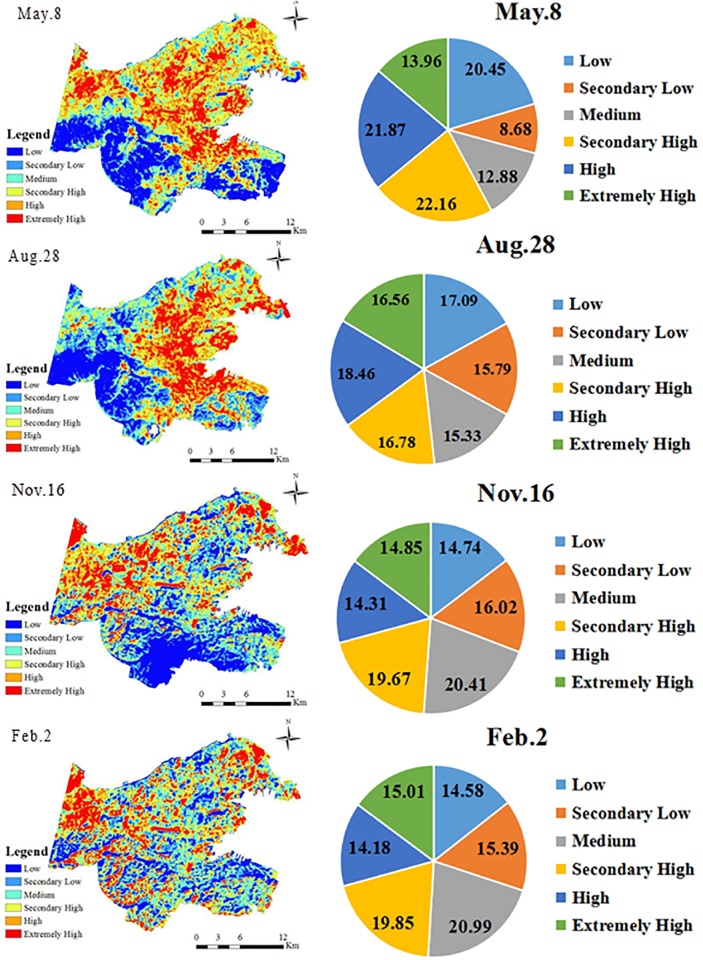
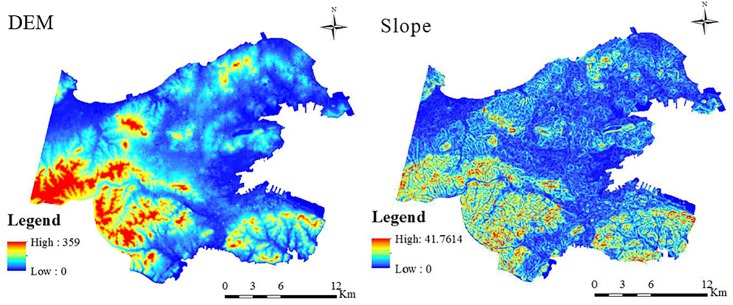
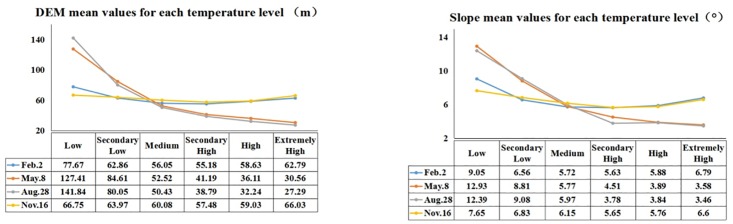
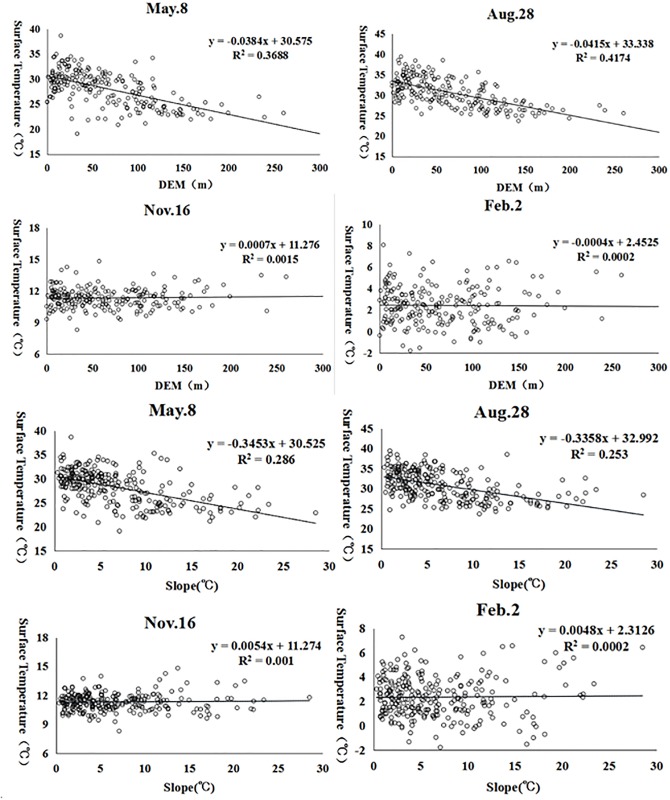
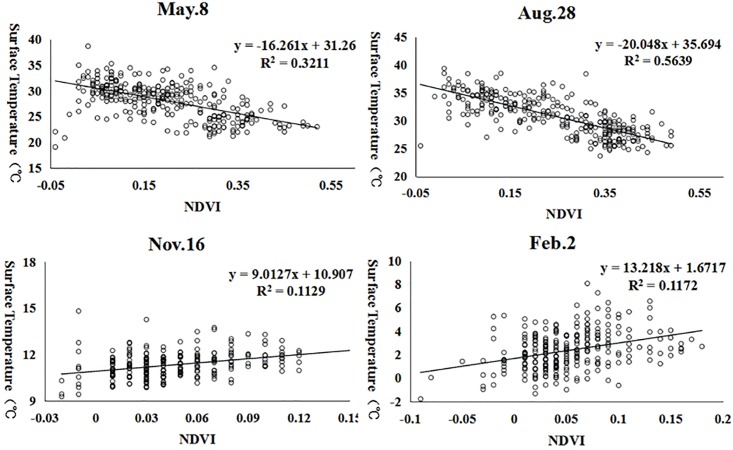
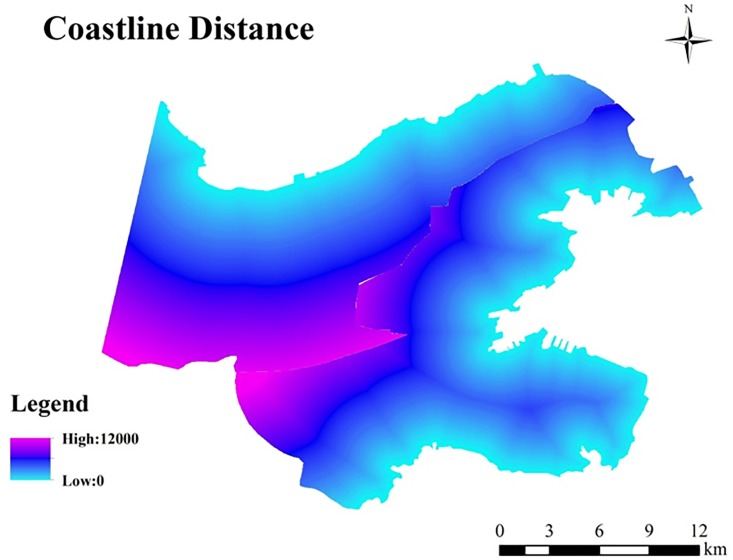
Urban heat islands (UHIs) have a significant and negative impact on the urban ecological environment and on human health, and it is imperative to examine factors that lead to UHIs. Although numerous studies have been conducted in this field, little research has considered seasonal variations in UHIs in coastal cities. Moreover, parametric statistical analyses, such as regression and correlation analyses, have been typically applied to examine the influential factors. Such analyses are flawed because they cannot uncover the complicated relationships between UHIs and their factors. Taking Dalian, a coastal city in China, as an example, this paper reveals the dynamic mechanism of the UHI effect for different seasons using the cubist regression tree algorithm. Analyses suggest that the UHI effect only exists in spring and summer, and no obvious UHIs can be found in autumn and winter. The adjacency to the sea leads to moderate UHI effects in spring and summer and no UHI or urban cooling island (UCI) effects in autumn and winter. The distance to the coastline, however, does not play a role in the UHI effect. Furthermore, as one of the most important factors, the vegetation coverage plays a significant role in the UHI effect in spring and summer and significantly mediates the UHI in autumn and winter. Comparatively, the elevation (e.g., digital elevation models (DEMs)) is consistently negatively associated with the land surface temperature in all seasons, although a stronger relationship was found in spring and summer. In addition, the surface slope is also a significant factor in spring and winter, and the population density impacts the UHI distribution in summer as well.
城市热岛 (UHI) 对城市生态环境和人类健康有重大而负面的影响,因此必须研究导致 UHI 的因素。尽管该领域已经进行了大量研究,但很少有研究考虑沿海城市 UHI 的季节性变化。此外,通常应用参数统计分析,如回归和相关分析,来研究影响因素。这些分析存在缺陷,因为它们无法揭示 UHI 与其因素之间的复杂关系。以中国沿海城市大连为例,本文使用立体回归树算法揭示了不同季节 UHI 效应的动态机制。分析表明,UHI 效应仅存在于春季和夏季,而在秋季和冬季则没有明显的 UHI。靠近海洋导致春季和夏季适度的 UHI 效应,而在秋季和冬季则没有 UHI 或城市冷却岛 (UCI) 效应。然而,到海岸线的距离在 UHI 效应中不起作用。此外,作为最重要的因素之一,植被覆盖率在春季和夏季的 UHI 效应中起着重要作用,并显著调节了秋季和冬季的 UHI。相比之下,海拔(例如数字高程模型 (DEM))在所有季节都与地表温度呈负相关,尽管在春季和夏季的相关性更强。此外,表面坡度在春季和冬季也是一个重要因素,人口密度也会影响夏季的 UHI 分布。