Mount Vernon Cancer Centre, Northwood, Middlesex, UK.
Inherited Cardiovascular Diseases Unit, Barts Heart Centre, London, UK.
Ann Surg Oncol. 2019 Sep;26(9):2943-2951. doi: 10.1245/s10434-019-07516-3. Epub 2019 Jun 26.
This study aimed to compare the outcomes of two distinct patient populations treated within two neighboring UK cancer centers (A and B) for advanced epithelial ovarian cancer (EOC).
A retrospective analysis of all new stages 3 and 4 EOC patients treated between January 2013 and December 2014 was performed. The Mayo Clinic surgical complexity score (SCS) was applied. Cox regression analysis identified the impact of treatment methods on survival.
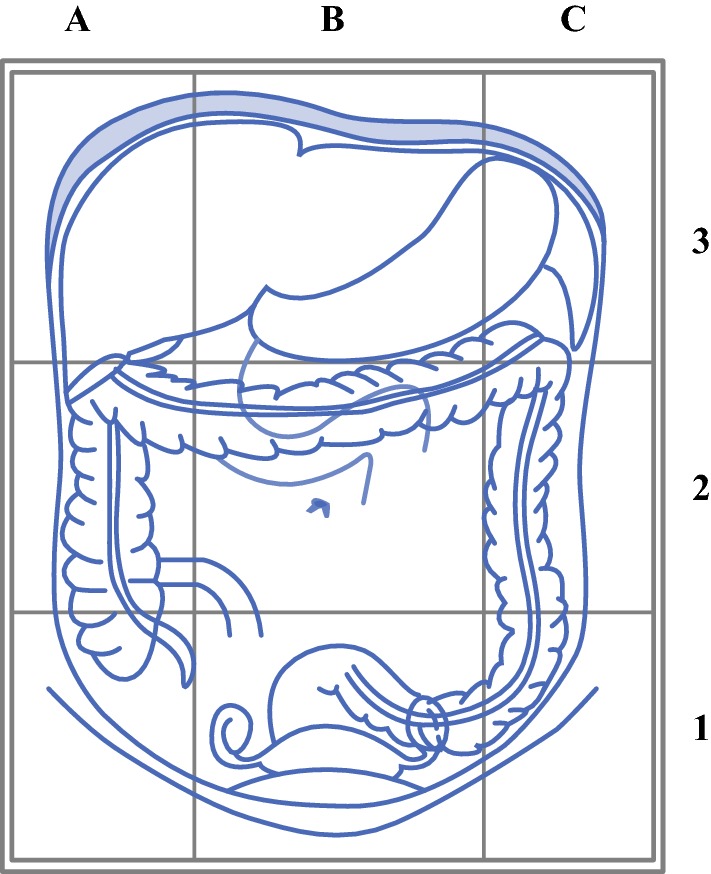
The study identified 249 patients (127 at center A and 122 in centre B) without significant differences in International Federation of Gynecology and Obstetrics (FIGO) stage (FIGO 4, 29.7% at centers A and B), Eastern Cooperative Oncology Group (ECOG) performance status (ECOG < 2, 89.9% at centers A and B), or histology (serous type in 84.1% at centers A and B). The patients at center A were more likely to undergo surgery (87% vs 59.8%; p < 0.001). The types of chemotherapy and the patients receiving palliative treatment alone were equivalent between the two centers (3.6%). The median SCS was significantly higher at center A (9 vs 2; p < 0.001) with greater tumor burden (9 vs 6 abdominal fields involved; p < 0.001), longer median operation times (285 vs 155 min; p < 0.001), and longer hospital stays (9 vs 6 days; p < 0.001), but surgical morbidity and mortality were equivalent. The independent predictors of reduced overall survival (OS) were non-serous histology (hazard ratio [HR], 1.6; 95% confidence interval [CI] 1.04-2.61), ECOG higher than 2 (HR, 1.9; 95% CI 1.15-3.13), and palliation alone (HR, 3.43; 95% CI 1.51-7.81). Cytoreduction, of any timing, had an independent protective impact on OS compared with chemotherapy alone (HR, 0.31 for interval surgery and 0.39 for primary surgery), even after adjustment for other prognostic factors.
Incorporating surgery into the initial EOC management, even for those patients with a greater tumor burden and more disseminated disease, may require more complex procedures and more resources in terms of theater time and hospital stay, but seems to be associated with a significant prolongation of the patients overall survival compared with chemotherapy alone.
本研究旨在比较英国两家毗邻癌症中心(A 中心和 B 中心)治疗晚期上皮性卵巢癌(EOC)的两种不同患者人群的结局。
对 2013 年 1 月至 2014 年 12 月期间治疗的所有新分期 3 期和 4 期 EOC 患者进行回顾性分析。应用梅奥诊所手术复杂度评分(SCS)。Cox 回归分析确定治疗方法对生存的影响。
研究共纳入 249 例患者(A 中心 127 例,B 中心 122 例),国际妇产科联合会(FIGO)分期(FIGO 4 期,A 中心和 B 中心分别为 29.7%)、东部肿瘤协作组(ECOG)体能状态(ECOG<2 分,A 中心和 B 中心分别为 89.9%)或组织学(A 中心和 B 中心分别为 84.1%的浆液性类型)无显著差异。A 中心的患者更倾向于接受手术(87%比 59.8%;p<0.001)。两个中心的化疗类型和单独接受姑息治疗的患者比例相当(3.6%)。A 中心的中位 SCS 显著较高(9 分比 2 分;p<0.001),肿瘤负荷较大(9 个比 6 个腹部受累;p<0.001),中位手术时间较长(285 分钟比 155 分钟;p<0.001),住院时间较长(9 天比 6 天;p<0.001),但手术发病率和死亡率相当。总生存(OS)降低的独立预测因素是非浆液性组织学(危险比 [HR],1.6;95%置信区间 [CI],1.04-2.61)、ECOG 评分>2(HR,1.9;95%CI,1.15-3.13)和单纯姑息治疗(HR,3.43;95%CI,1.51-7.81)。与单独化疗相比,任何时间的肿瘤细胞减灭术(CRS)均对 OS 具有独立的保护作用(间隔手术的 HR 为 0.31,初次手术的 HR 为 0.39),即使在调整其他预后因素后也是如此。
将手术纳入 EOC 的初始治疗,即使对于那些肿瘤负荷更大、疾病更播散的患者,可能需要更复杂的手术程序和更多的资源,包括手术时间和住院时间,但似乎与单独化疗相比,与患者的总生存显著延长相关。