Department of Pharmacology and Chemical Biology, Emory University School of Medicine, Atlanta, GA, 30322, USA.
Division of Pulmonary, Allergy and Critical Care Medicine, Department of Medicine, Emory University School of Medicine, Atlanta, GA, 30322, USA.
Malar J. 2019 Jul 12;18(1):234. doi: 10.1186/s12936-019-2860-5.
Given the central importance of anti-malarial drugs in the treatment of malaria, there is a need to understand the effect of Plasmodium infection on the broad spectrum of drug metabolizing enzymes. Previous studies have shown reduced clearance of quinine, a treatment for Plasmodium infection, in individuals with malaria.
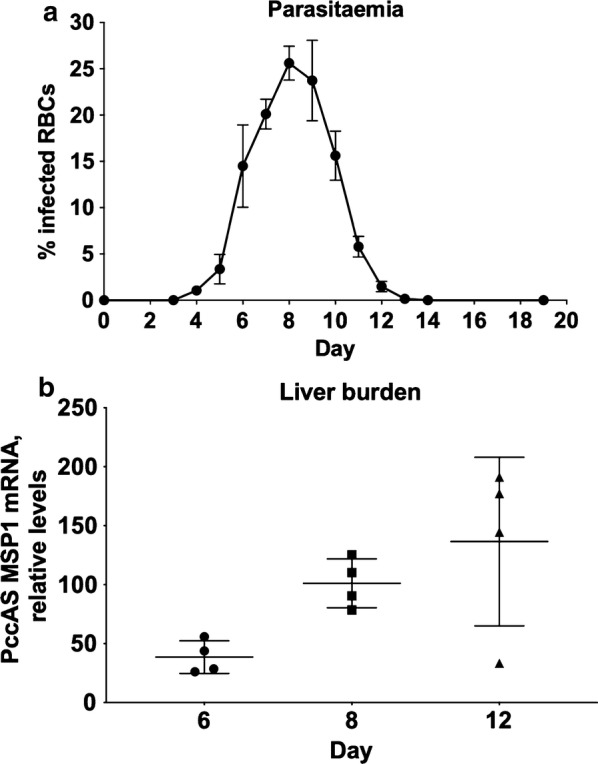
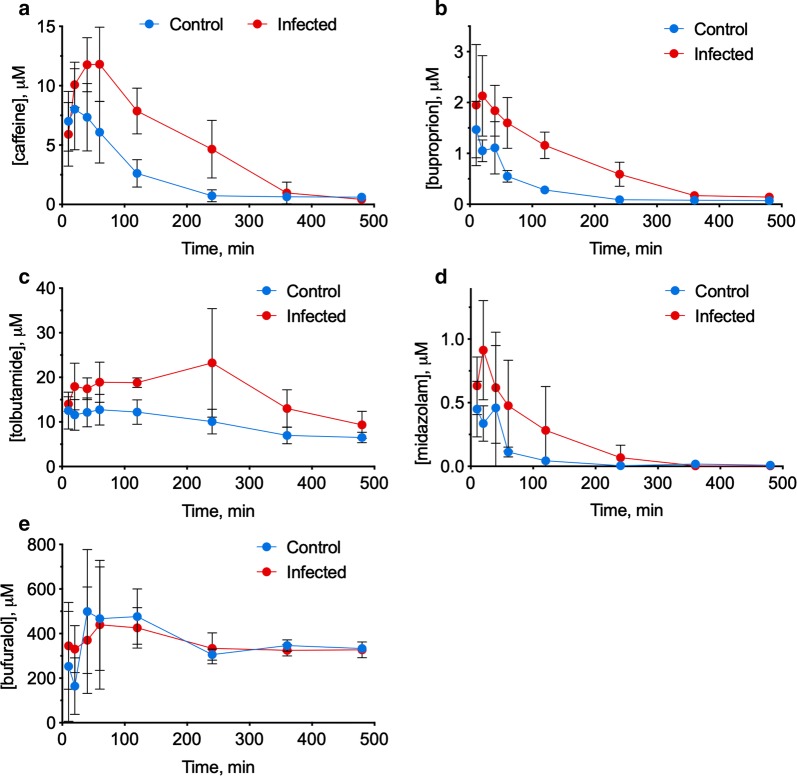
The hepatic expression of a large panel of drug metabolizing enzymes was studied in the livers of mice infected with the AS strain of Plasmodium chabaudi chabaudi, a nonlethal parasite in most strains of mice with several features that model human Plasmodium infections. C57BL/6J mice were infected with P. chabaudi by intraperitoneal injection of infected erythrocytes and sacrificed at different times after infection. Relative hepatic mRNA levels of various drug metabolizing enzymes, cytokines and acute phase proteins were measured by reverse transcriptase-real time PCR. Relative levels of cytochrome P450 proteins were measured by Western blotting with IR-dye labelled antibodies. Pharmacokinetics of 5 prototypic cytochrome P450 substrate drugs were measured by cassette dosing and high-resolution liquid chromatography-mass spectrometry. The results were analysed by MANOVA and post hoc univariate analysis of variance.
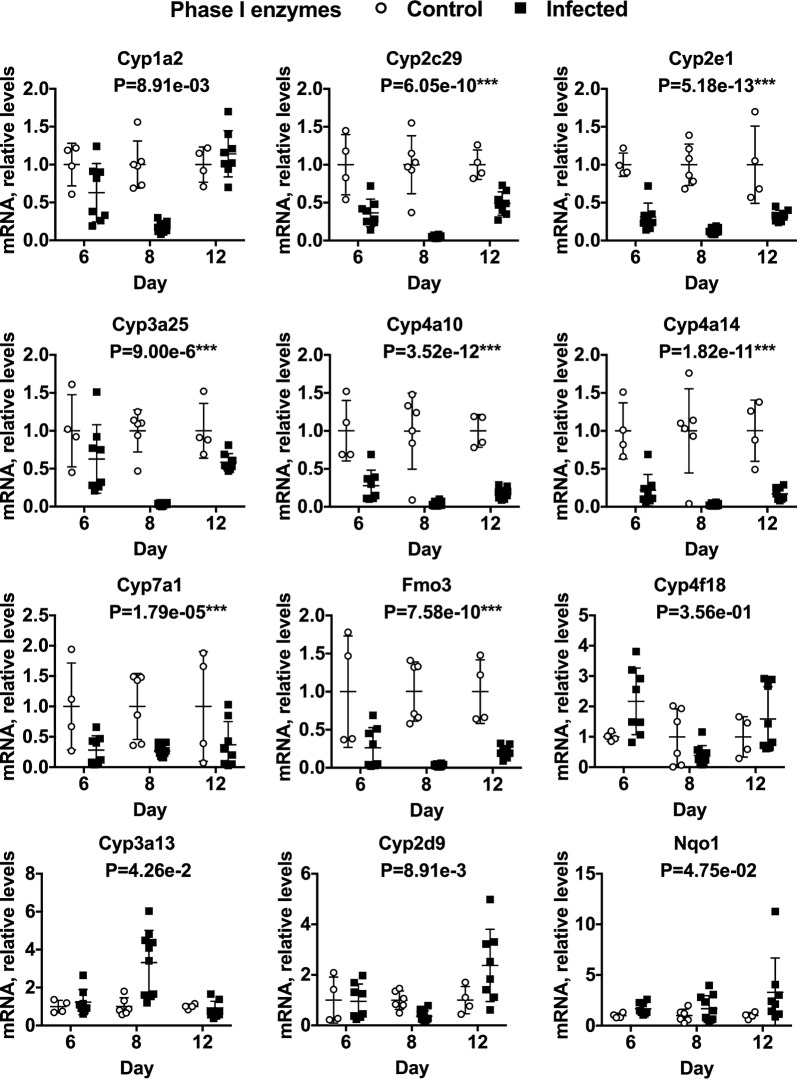
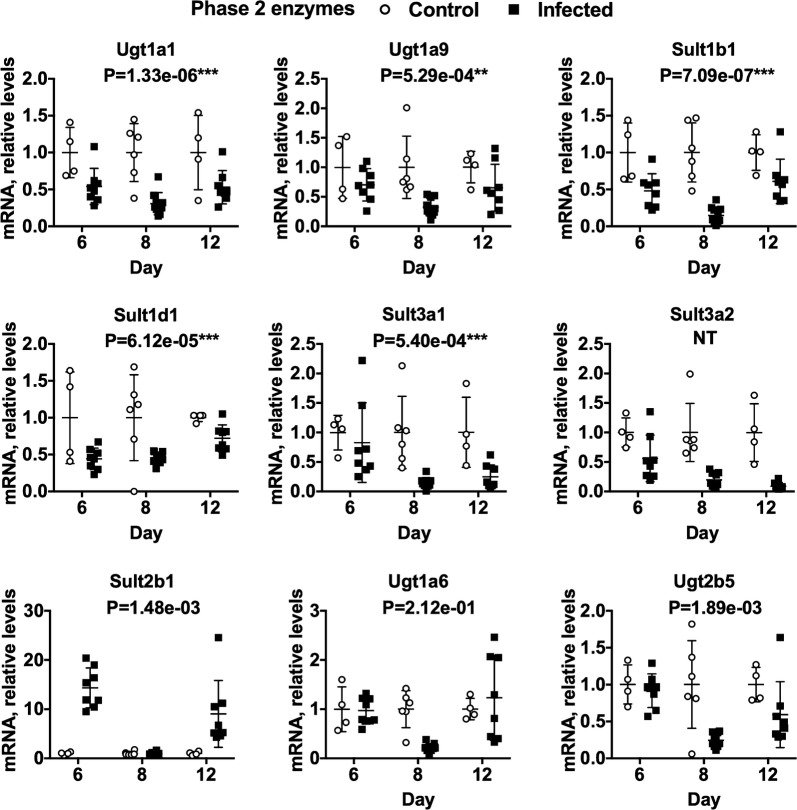
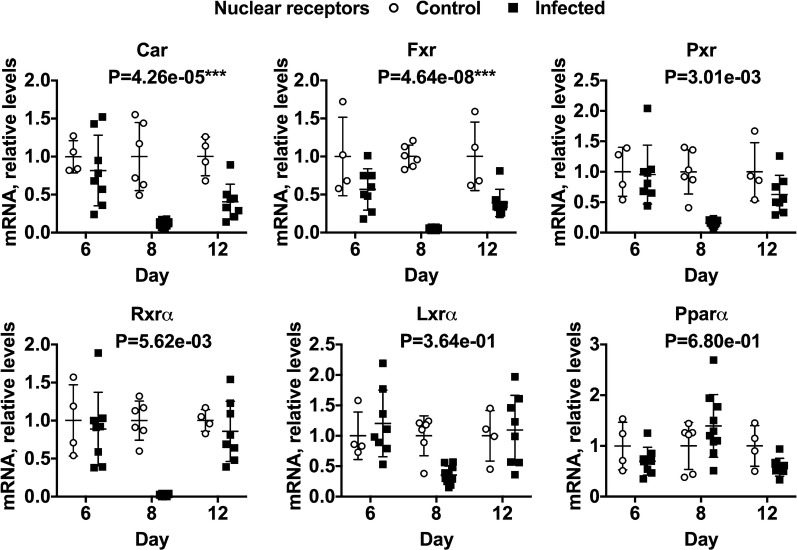
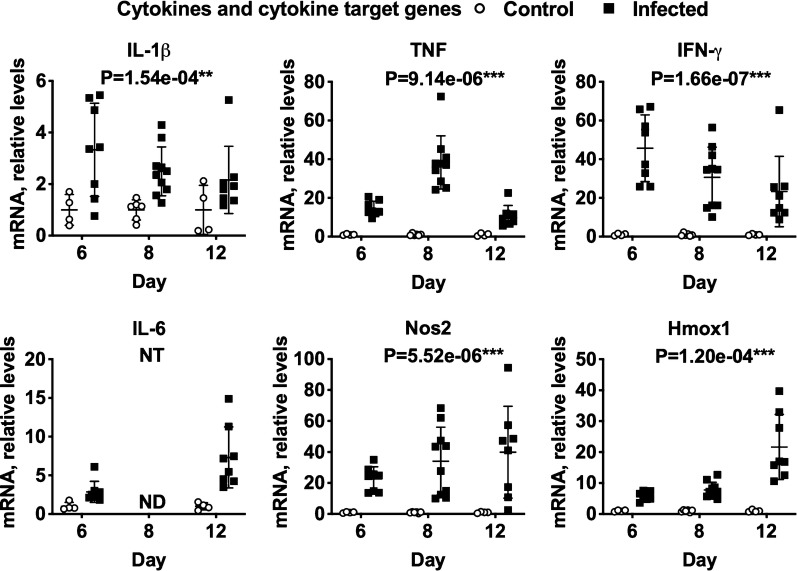
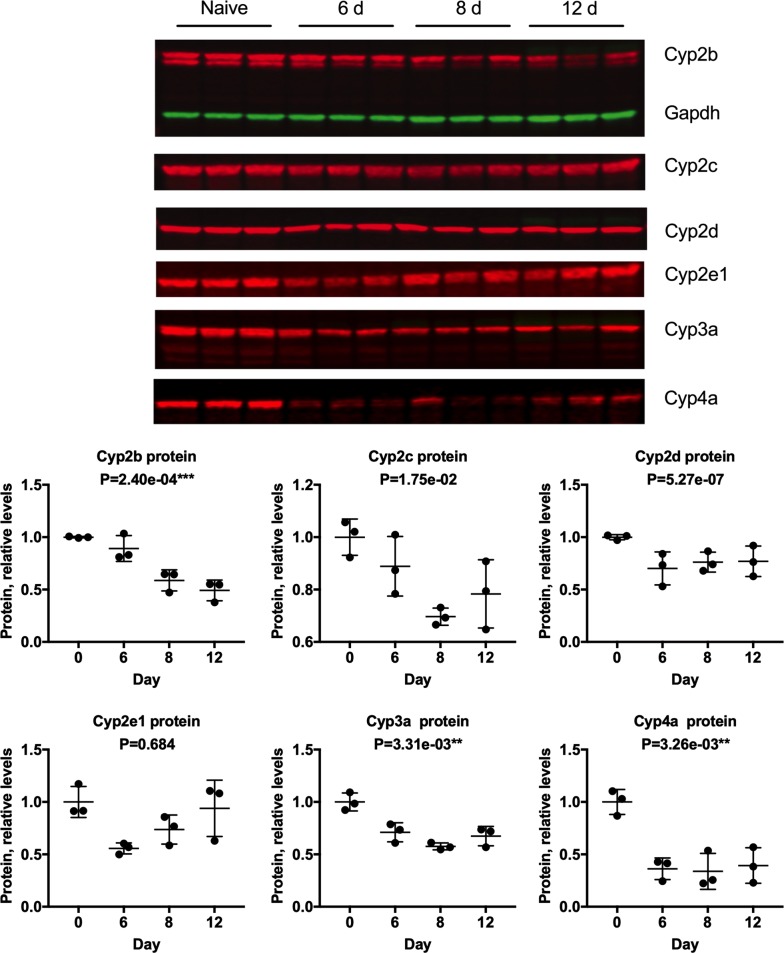
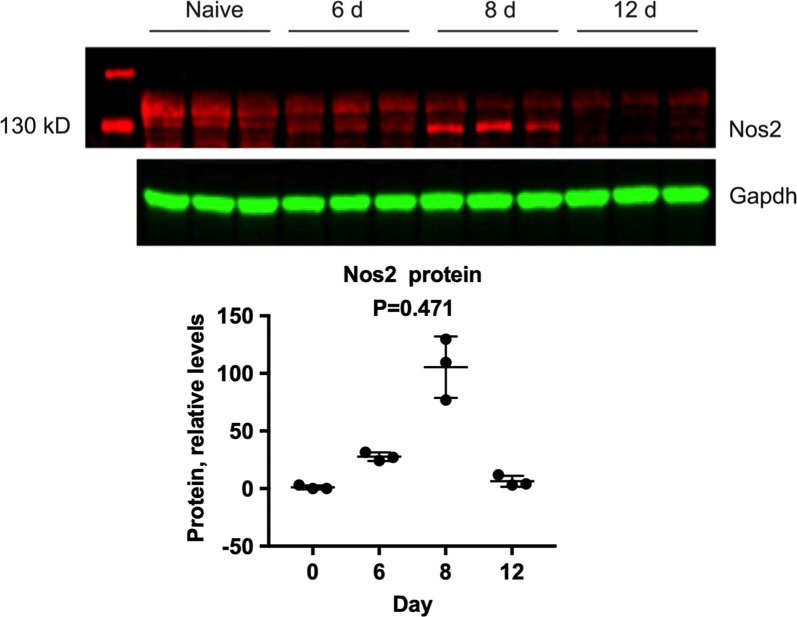
The great majority of enzyme mRNAs were down-regulated, with the greatest effects occurring at the peak of parasitaemia 8 days post infection. Protein levels of cytochrome P450 enzymes in the Cyp 2b, 2c, 2d, 2e, 3a and 4a subfamilies were also down-regulated. Several distinct groups differing in their temporal patterns of regulation were identified. The cassette dosing study revealed that at the peak of parasitaemia, the clearances of caffeine, bupropion, tolbutamide and midazolam were markedly reduced by 60-70%.
These findings in a model of uncomplicated human malaria suggest that changes in drug clearance in this condition may be of sufficient magnitude to cause significant alterations in exposure and response of anti-malarial drugs and co-medications.
鉴于抗疟药物在疟疾治疗中的核心重要性,有必要了解疟原虫感染对广泛的药物代谢酶的影响。先前的研究表明,疟疾患者中奎宁(一种治疗疟原虫感染的药物)的清除率降低。
研究了感染非致命性疟原虫 chabaudi 鼠疟虫 AS 株的小鼠肝脏中大量药物代谢酶的表达情况。这种疟原虫在大多数鼠株中是一种寄生虫,具有多种特征,可模拟人类疟原虫感染。通过腹腔内注射感染的红细胞,将 C57BL/6J 小鼠感染 P. chabaudi,然后在感染后不同时间处死。通过逆转录实时 PCR 测量各种药物代谢酶、细胞因子和急性期蛋白的肝 mRNA 相对水平。用 IR 染料标记的抗体通过 Western 印迹测量细胞色素 P450 蛋白的相对水平。通过盒式剂量给药和高分辨率液相色谱-质谱法测量 5 种原型细胞色素 P450 底物药物的药代动力学。采用 MANOVA 和事后单因素方差分析对结果进行分析。
绝大多数酶的 mRNA 下调,最大影响发生在感染后 8 天寄生虫血症峰值时。Cyp2b、2c、2d、2e、3a 和 4a 亚家族的细胞色素 P450 酶的蛋白水平也下调。鉴定出具有不同调节时间模式的几个不同的亚群。盒式剂量研究表明,在寄生虫血症峰值时,咖啡因、安非他酮、甲苯磺丁脲和咪达唑仑的清除率显著降低 60-70%。
这些在人类疟疾简单模型中的发现表明,这种情况下药物清除率的变化可能足以导致抗疟药物和合并药物的暴露和反应发生显著改变。