Wang Qiming, Sun Tao, Lyu Zhichao, Gao Dawei
School of Mechanical Engineering, University of Shanghai for Science and Technology, Shanghai 200093, China.
School of Automotive Studies, Tongji University, Shanghai 201804, China.
Sensors (Basel). 2019 Jul 15;19(14):3122. doi: 10.3390/s19143122.
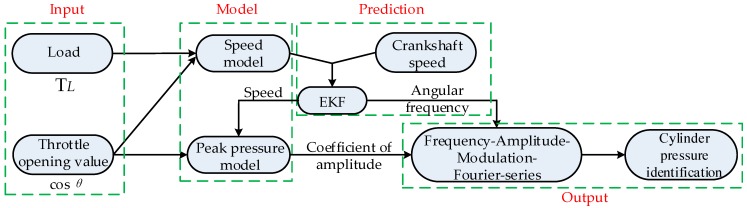
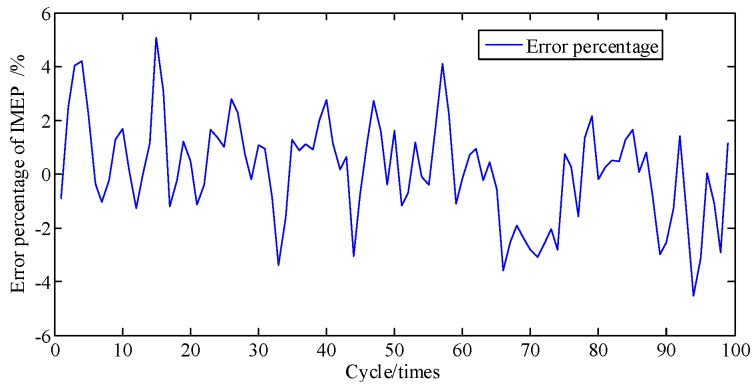
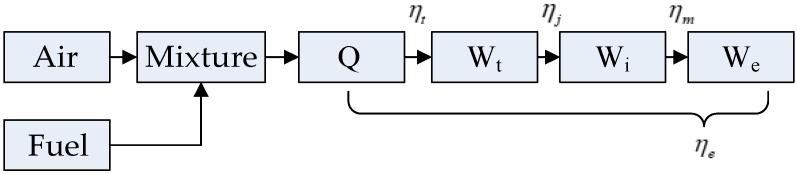
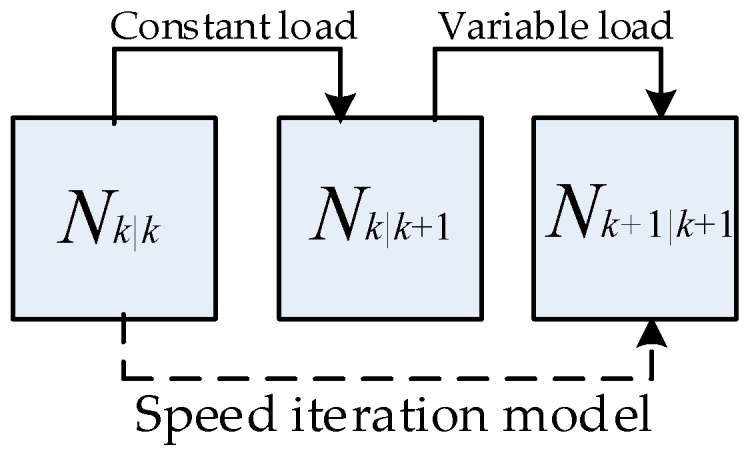
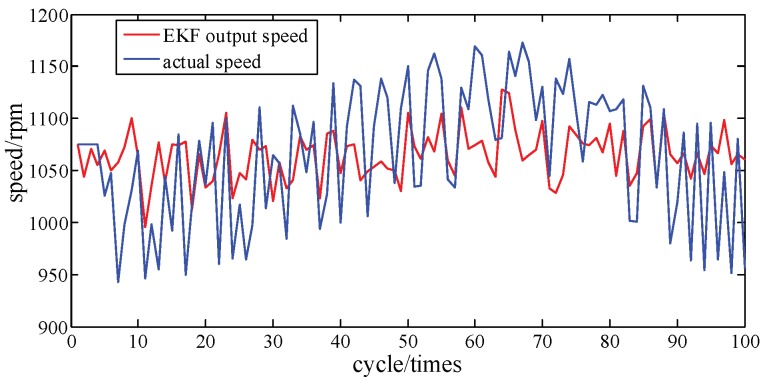
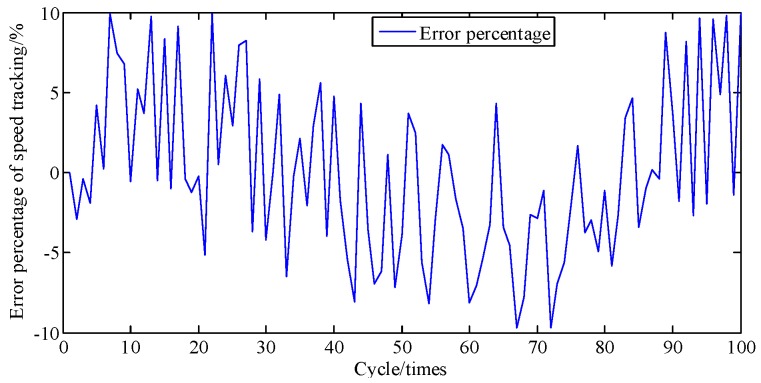
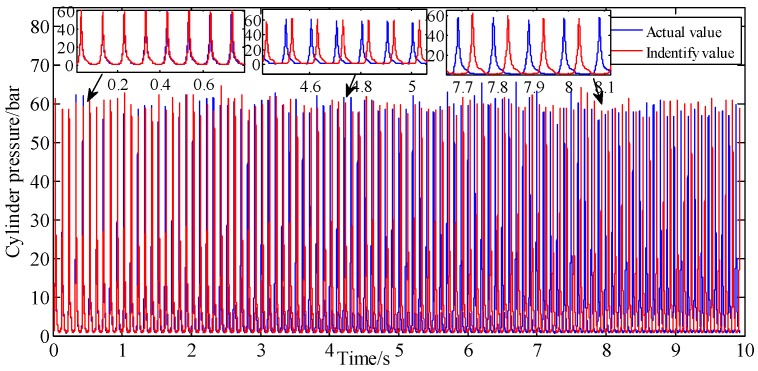
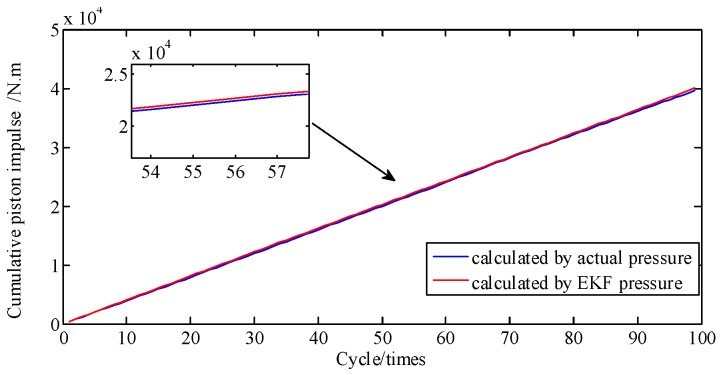
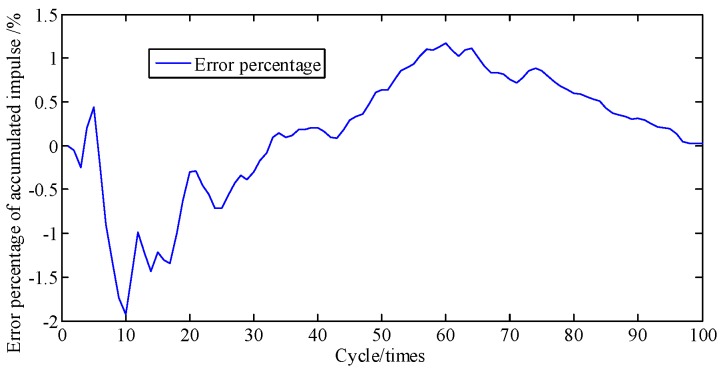
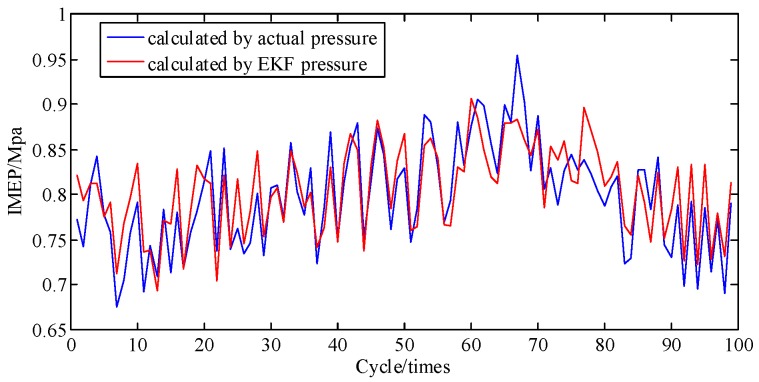
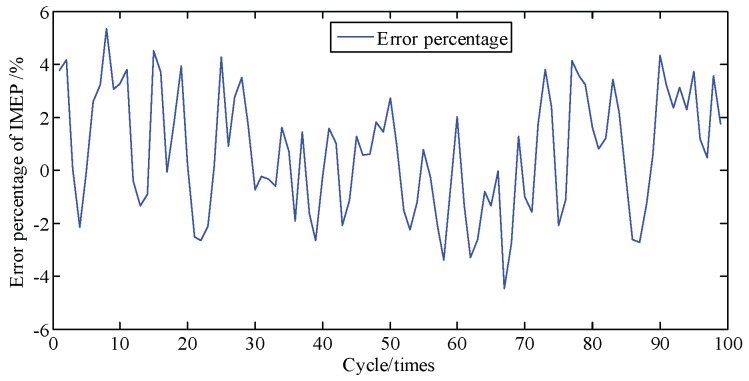
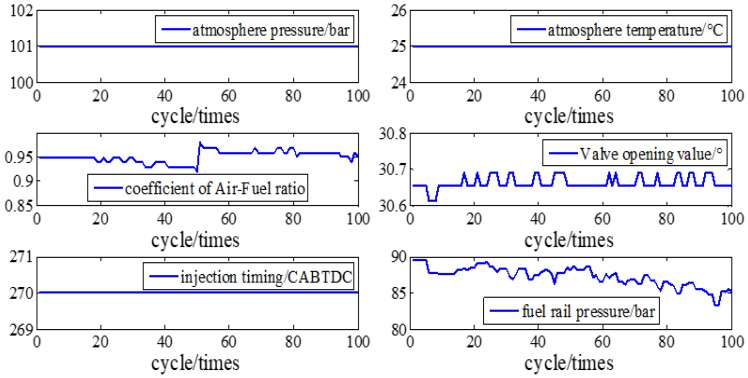
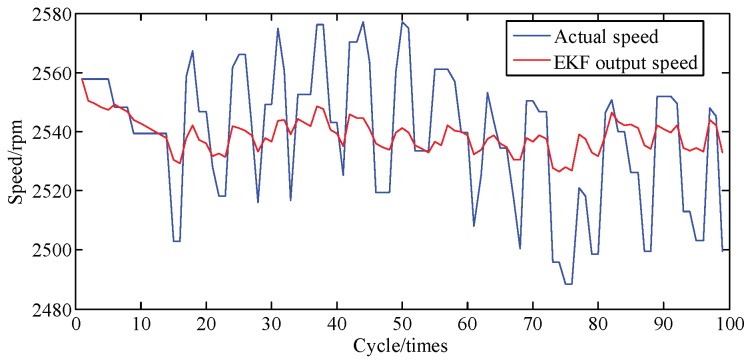
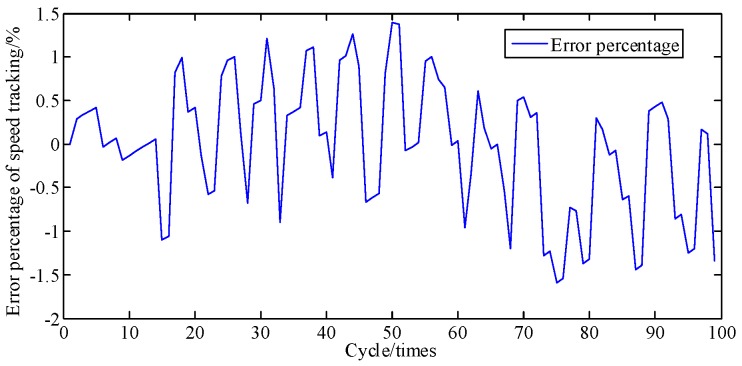
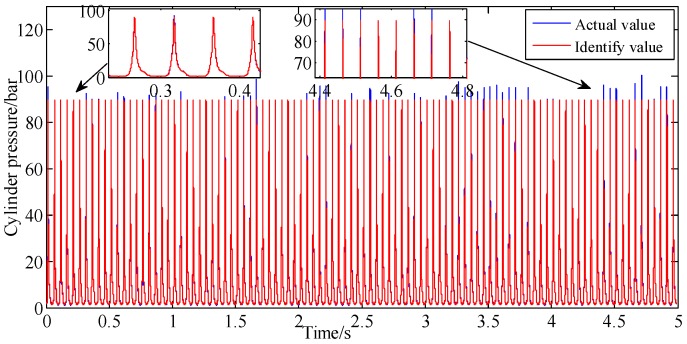
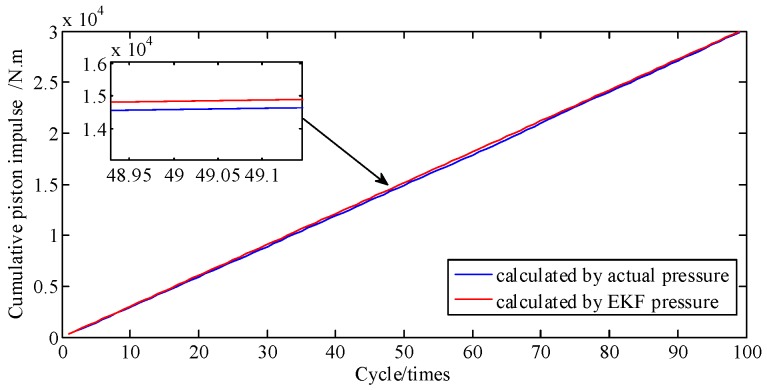
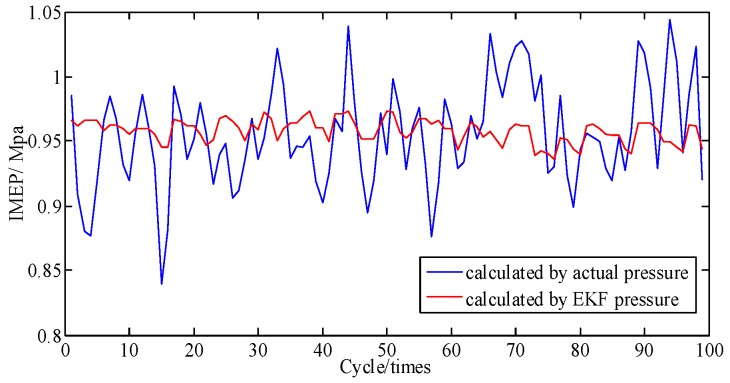
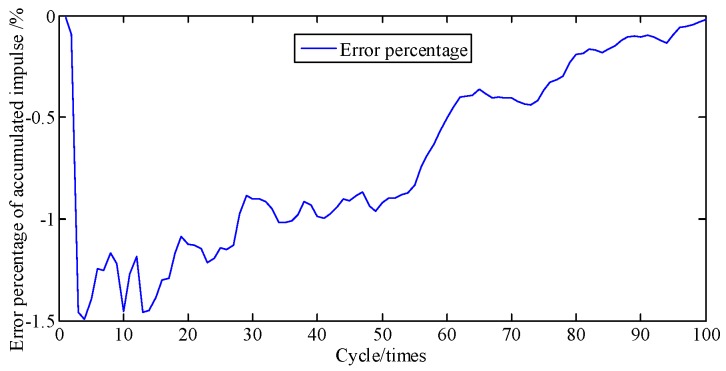
As a crucial and critical factor in monitoring the internal state of an engine, cylinder pressure is mainly used to monitor the burning efficiency, to detect engine faults, and to compute engine dynamics. Although the intrusive type cylinder pressure sensor has been greatly improved, it has been criticized by researchers for high cost, low reliability and short life due to severe working environments. Therefore, aimed at low-cost, real-time, non-invasive, and high-accuracy, this paper presents the cylinder pressure identification method also called a virtual cylinder pressure sensor, involving Frequency-Amplitude Modulated Fourier Series (FAMFS) and Extended-Kalman-Filter-optimized (EKF) engine model. This paper establishes an iterative speed model based on burning theory and Law of energy Conservation. Efficiency coefficient is used to represent operating state of engine from fuel to motion. The iterative speed model associated with the throttle opening value and the crankshaft load. The EKF is used to estimate the optimal output of this iteration model. The optimal output of the speed iteration model is utilized to separately compute the frequency and amplitude of the cylinder pressure cycle-to-cycle. A standard engine's working cycle, identified by the 24th order Fourier series, is determined. Using frequency and amplitude obtained from the iteration model to modulate the Fourier series yields a complete pressure model. A commercial engine (EA211) provided by the China FAW Group corporate R&D center is used to verify the method. Test results show that this novel method possesses high accuracy and real-time capability, with an error percentage for speed below 9.6% and the cumulative error percentage of cylinder pressure less than 1.8% when A/F Ratio coefficient is setup at 0.85. Error percentage for speed below 1.7% and the cumulative error percentage of cylinder pressure no more than 1.4% when A/F Ratio coefficient is setup at 0.95. Thus, the novel method's accuracy and feasibility are verified.
作为监测发动机内部状态的关键因素,气缸压力主要用于监测燃烧效率、检测发动机故障以及计算发动机动力学。尽管侵入式气缸压力传感器已经有了很大改进,但由于其工作环境恶劣,成本高、可靠性低和寿命短,一直受到研究人员的批评。因此,针对低成本、实时、非侵入和高精度的需求,本文提出了一种气缸压力识别方法,也称为虚拟气缸压力传感器,该方法涉及频率 - 幅度调制傅里叶级数(FAMFS)和扩展卡尔曼滤波器优化(EKF)的发动机模型。本文基于燃烧理论和能量守恒定律建立了迭代速度模型。效率系数用于表示发动机从燃料到运动的运行状态。迭代速度模型与节气门开度值和曲轴负载相关联。EKF用于估计该迭代模型的最优输出。速度迭代模型的最优输出用于分别计算气缸压力逐循环的频率和幅度。确定了由第24阶傅里叶级数识别的标准发动机工作循环。利用从迭代模型获得的频率和幅度对傅里叶级数进行调制,得到完整的压力模型。使用中国一汽集团公司研发中心提供的商用发动机(EA211)对该方法进行验证。测试结果表明,当空燃比系数设置为0.85时,该新方法具有高精度和实时能力,速度误差百分比低于9.6%,气缸压力累积误差百分比小于1.8%。当空燃比系数设置为0.95时,速度误差百分比低于1.7%,气缸压力累积误差百分比不超过1.4%。从而验证了该新方法的准确性和可行性。