Division of Gastroenterology, Hepatology and Nutrition, Pittsburgh Liver Research Center, University of Pittsburgh Medical Center (UPMC), Pittsburgh, PA, 15261, USA.
Liver Unit, Clínica Universidad de Navarra, University of Navarra, Pamplona, 31008, Spain.
Nat Commun. 2019 Jul 16;10(1):3126. doi: 10.1038/s41467-019-11004-3.
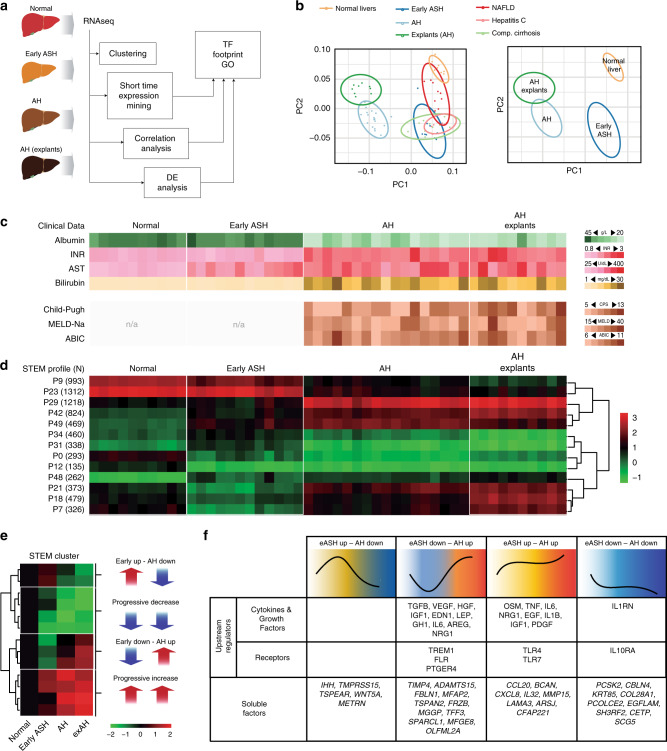
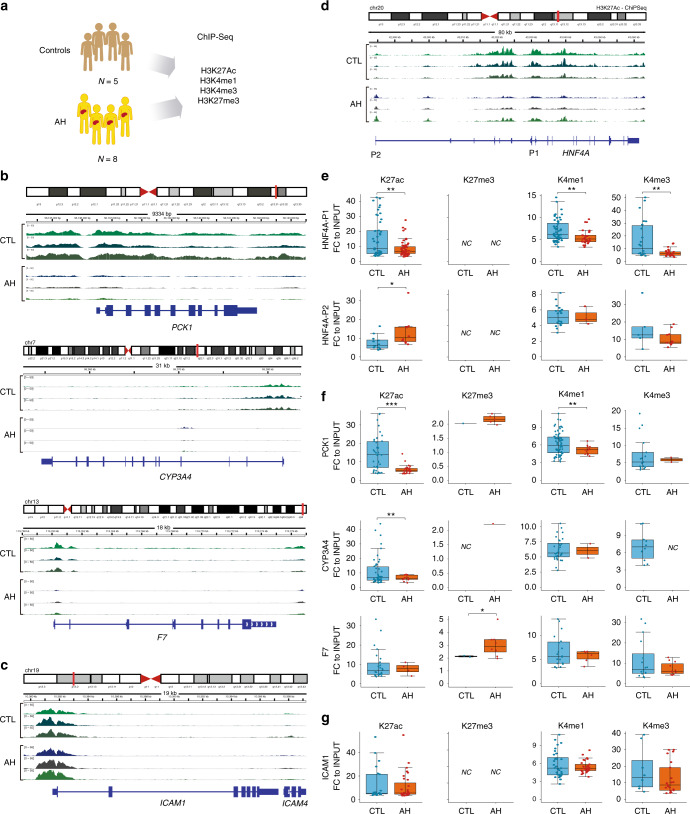
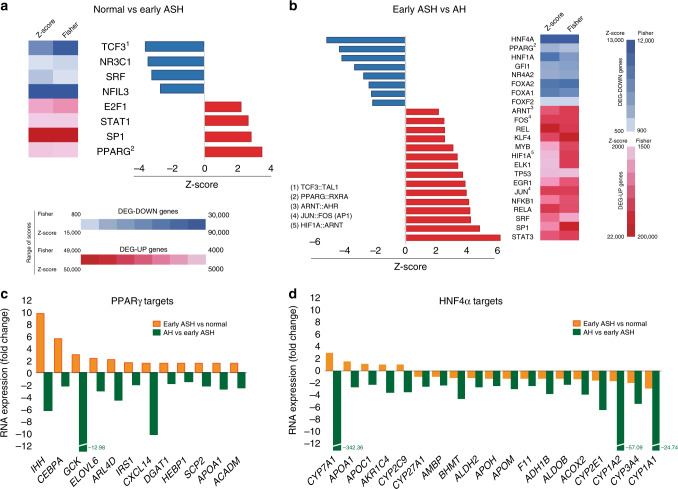
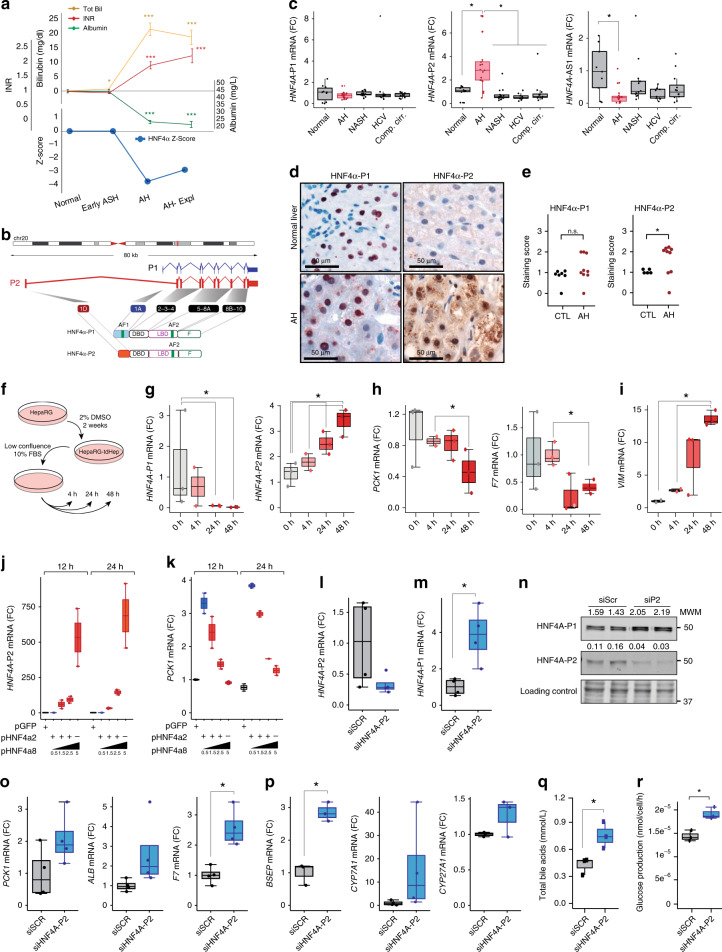
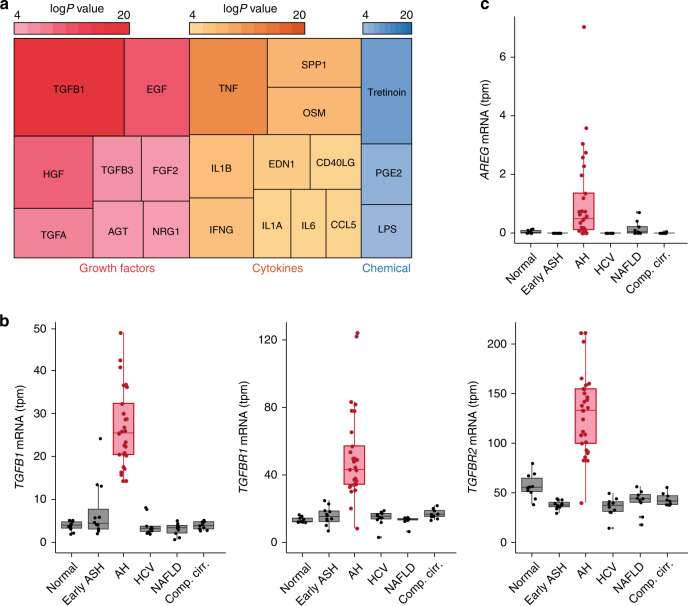
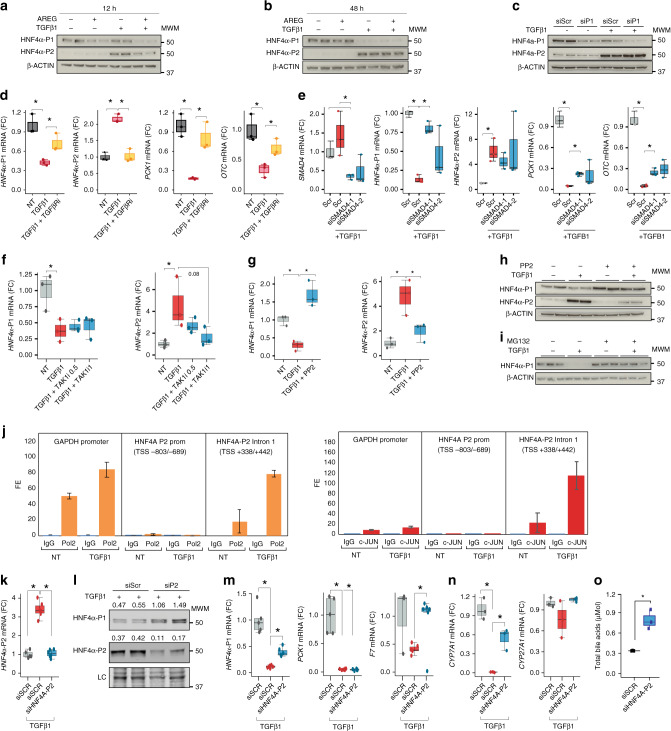
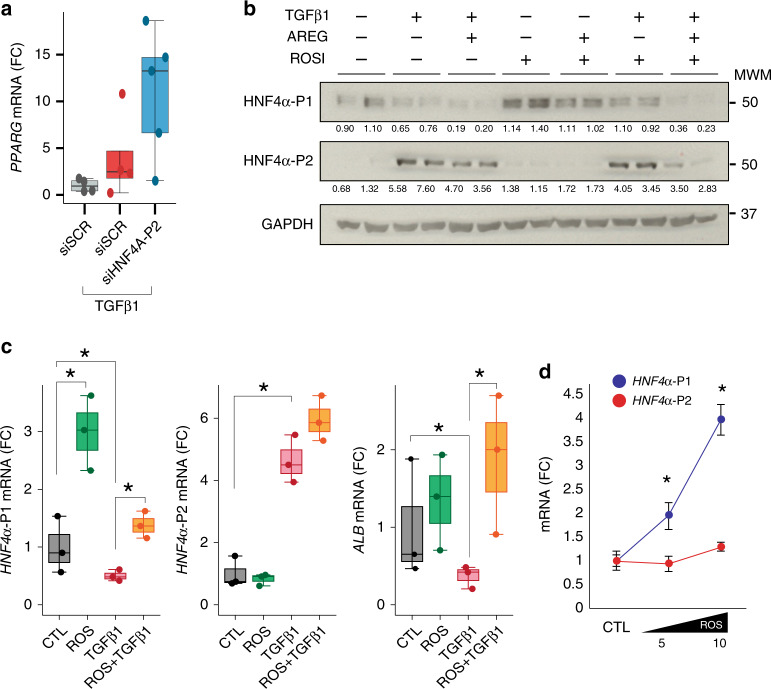
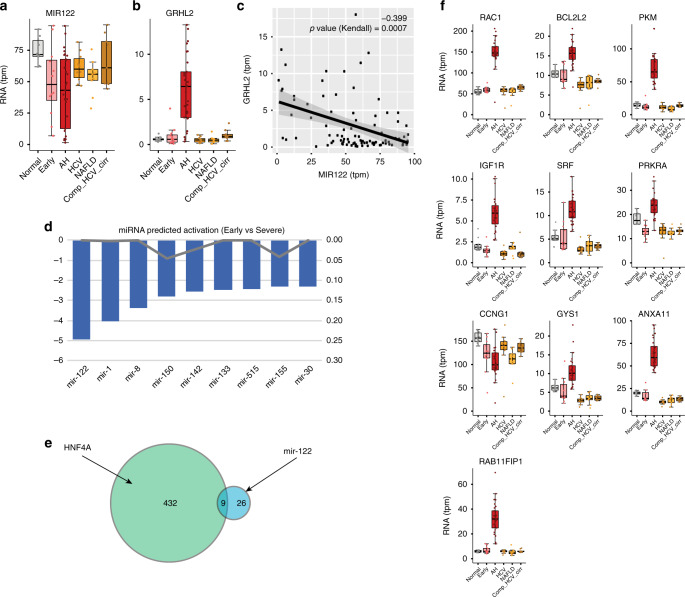
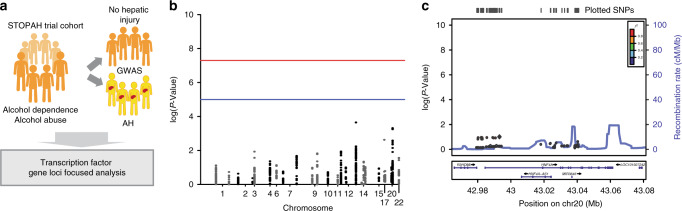
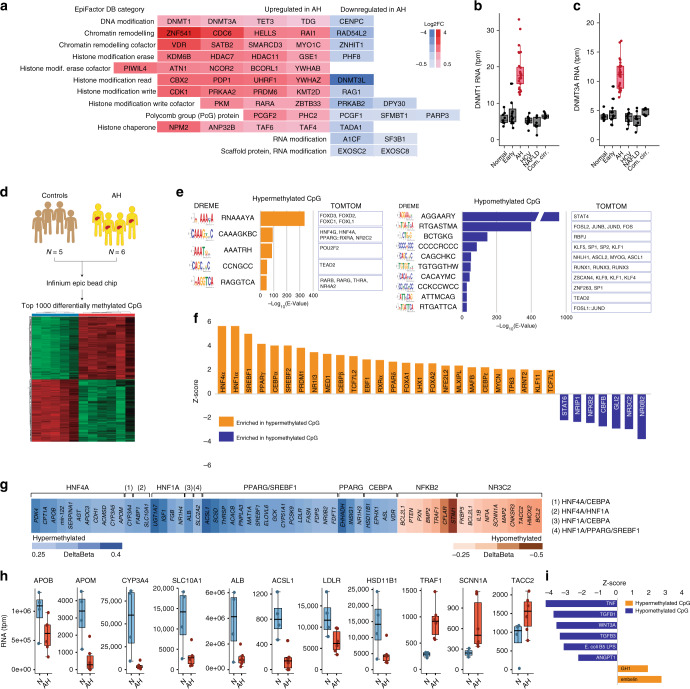
Alcoholic hepatitis (AH) is a life-threatening condition characterized by profound hepatocellular dysfunction for which targeted treatments are urgently needed. Identification of molecular drivers is hampered by the lack of suitable animal models. By performing RNA sequencing in livers from patients with different phenotypes of alcohol-related liver disease (ALD), we show that development of AH is characterized by defective activity of liver-enriched transcription factors (LETFs). TGFβ1 is a key upstream transcriptome regulator in AH and induces the use of HNF4α P2 promoter in hepatocytes, which results in defective metabolic and synthetic functions. Gene polymorphisms in LETFs including HNF4α are not associated with the development of AH. In contrast, epigenetic studies show that AH livers have profound changes in DNA methylation state and chromatin remodeling, affecting HNF4α-dependent gene expression. We conclude that targeting TGFβ1 and epigenetic drivers that modulate HNF4α-dependent gene expression could be beneficial to improve hepatocellular function in patients with AH.
酒精性肝炎 (AH) 是一种危及生命的病症,其特征为严重的肝细胞功能障碍,迫切需要针对这种病症的治疗方法。由于缺乏合适的动物模型,因此难以确定其分子驱动因素。通过对不同表型的酒精性肝病 (ALD) 患者的肝脏进行 RNA 测序,我们发现 AH 的发展特征为富含肝转录因子 (LETF) 的活性缺陷。TGFβ1 是 AH 中的关键上游转录组调节剂,它诱导肝细胞中 HNF4α P2 启动子的使用,从而导致代谢和合成功能缺陷。包括 HNF4α 在内的 LETFs 的基因多态性与 AH 的发展无关。相比之下,表观遗传学研究表明,AH 肝脏的 DNA 甲基化状态和染色质重塑发生了深刻变化,影响了 HNF4α 依赖性基因表达。我们的结论是,针对 TGFβ1 和调节 HNF4α 依赖性基因表达的表观遗传驱动因素进行靶向治疗,可能有益于改善 AH 患者的肝细胞功能。