Institute of Chemical Biology and Fundamental Medicine, Siberian Branch, Russian Academy of Sciences, Lavrentiev Ave. 8, 630090 Novosibirsk, Russia.
Institute of Cell Biology, Dragomanova Str. 16, 79000 L'viv, Ukraine.
Biomed Res Int. 2019 Jun 17;2019:4087160. doi: 10.1155/2019/4087160. eCollection 2019.
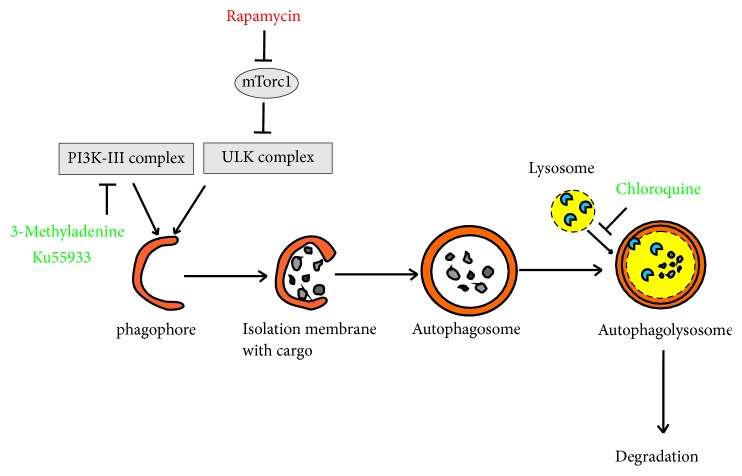
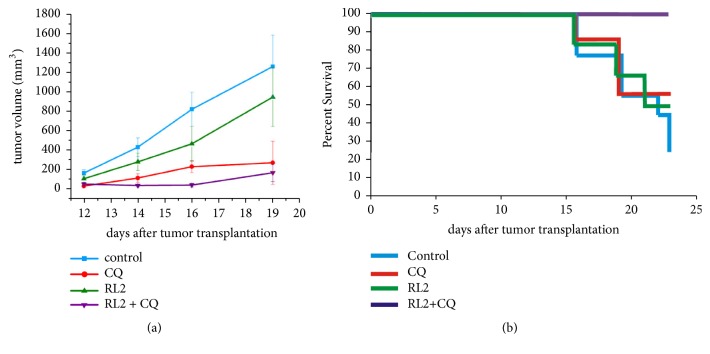
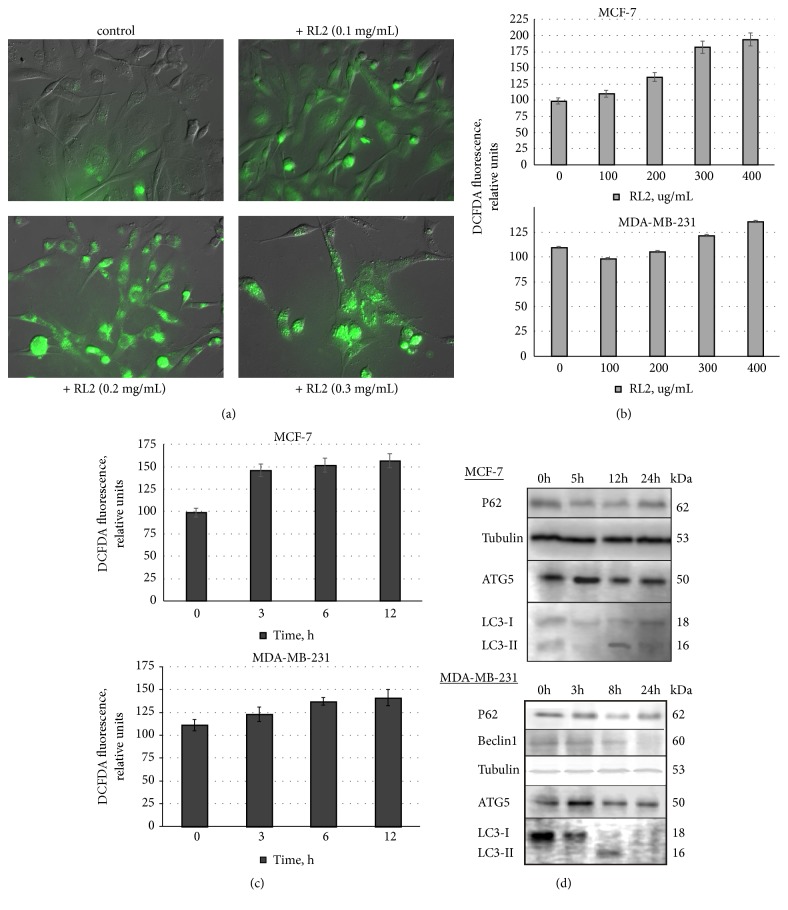
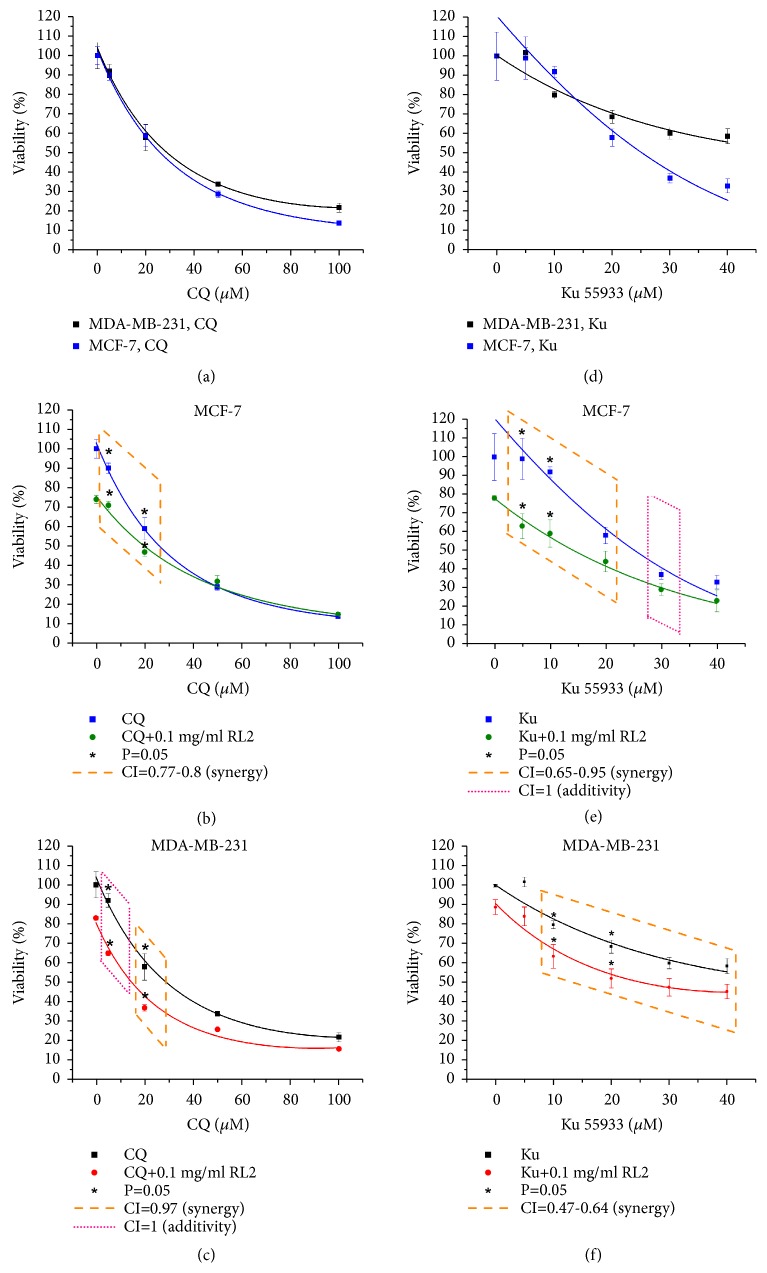
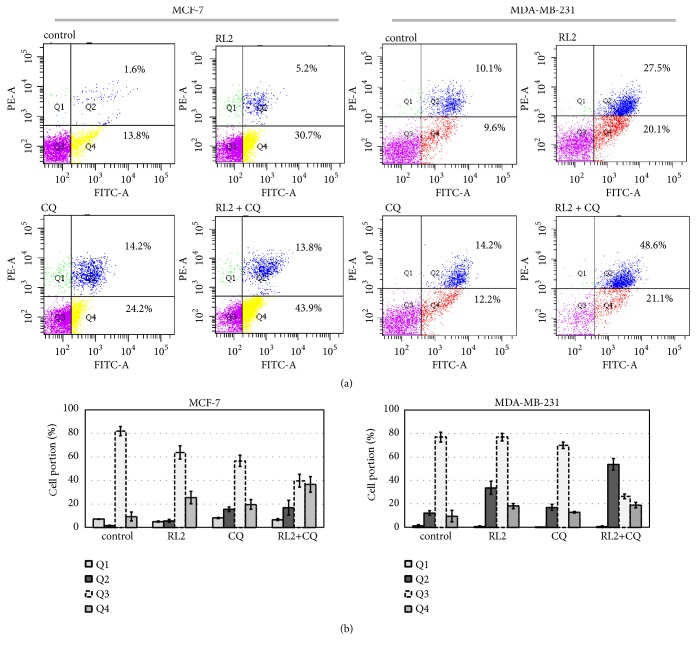
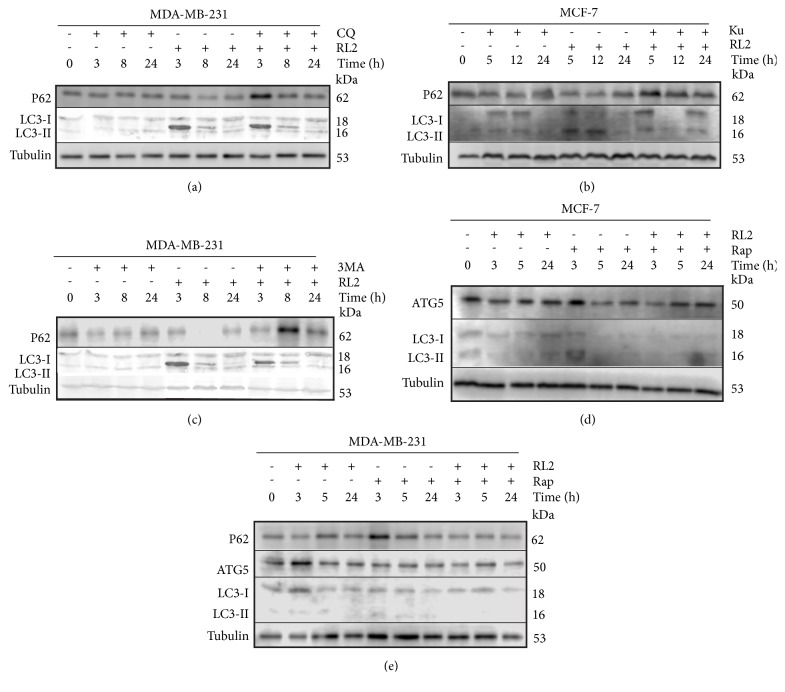
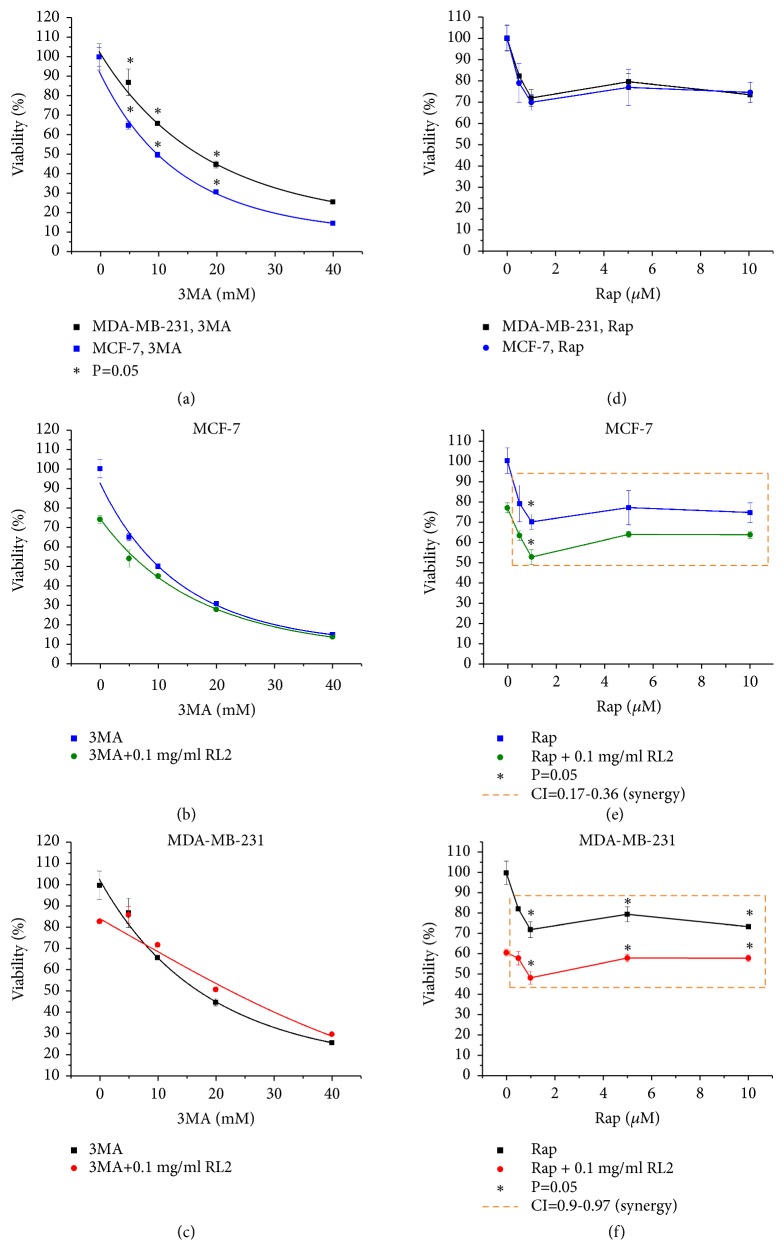
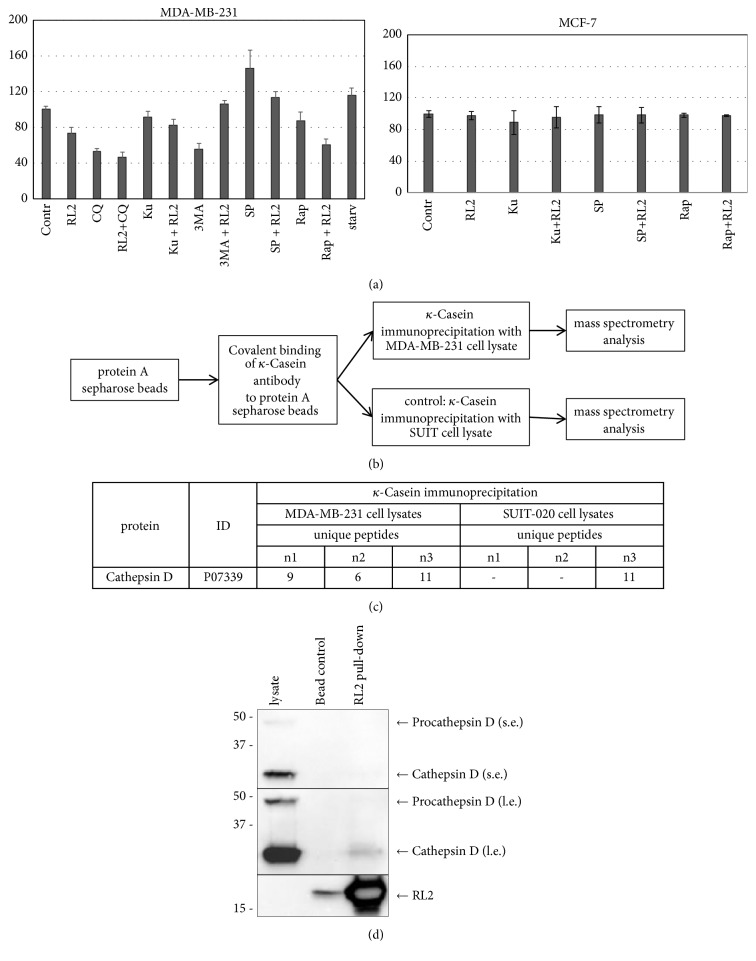
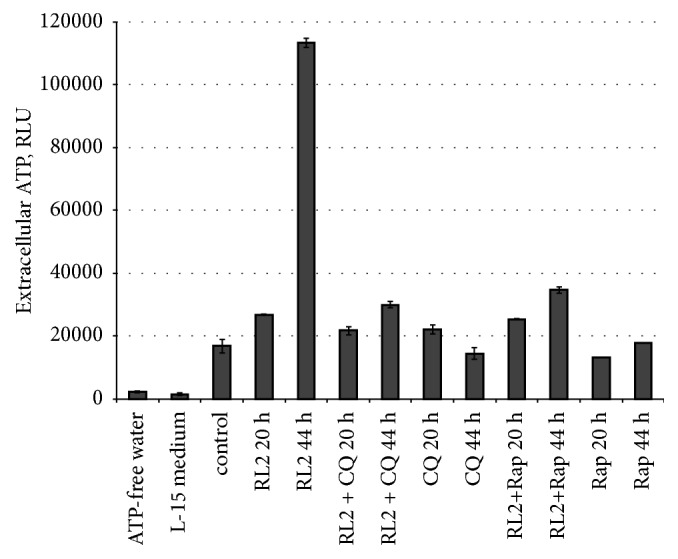
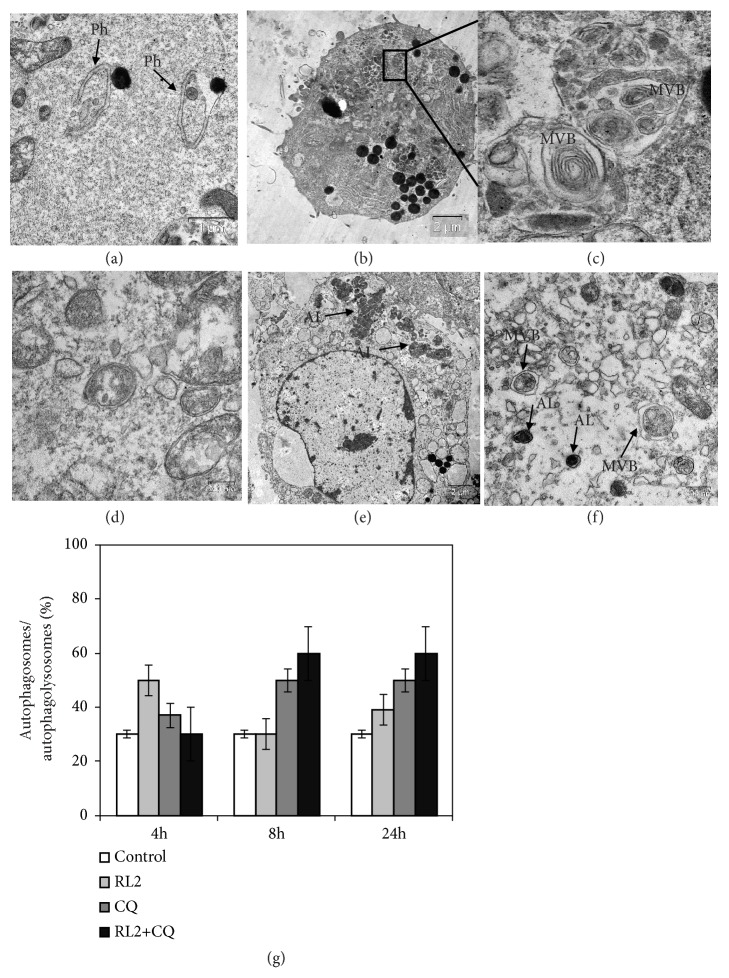
Autophagy is a degradative process in which cellular organelles and proteins are recycled to restore homeostasis and cellular metabolism. Autophagy can be either a prosurvival or a prodeath process and remains one of the most fundamental processes for cell vitality. Thus autophagy modulation is an important approach for reinforcement anticancer therapeutics. Earlier we have demonstrated that recombinant analog of human milk protein lactaptin (RL2) induced apoptosis of various cultured cancer cells and activated lipidation of microtubule-associated protein 1 light chain 3 (LC3). In this study we investigated whether autophagy inhibitors-chloroquine (CQ), Ku55933 (Ku), and 3-methyladenine (3MA)-or inducer-rapamycin (Rap)-can enhance cytotoxic activity of lactaptin analog in cancer cells and its anticancer activity in the mice model. Western Blot analysis revealed that RL2 induced short-term autophagy in MDA-MB-231 and MCF-7 cells at early stages of incubation and that these data were confirmed by the transmission electron microscopy of autophagosome/autophagolysosome formation. RL2 stimulates reactive oxygen species (ROS) production, autophagosomes accumulation, upregulation of ATG5 with processing of LC3I to LC3II, and downregulation of p62/sequestosome 1 (p62). We have shown that autophagy modulators, CQ, Ku, and Rap, synergistically increased cytotoxicity of RL2, and RL2 with CQ induced autophagic cell death. In addition, CQ, Ku, and Rap in combination with RL2 decreased activity of lysosomal protease Cathepsin D. More importantly, combining RL2 with CQ, we improved antitumor effect in mice. Detected synergistic cytotoxic effects of both types of autophagy regulators, inhibitors, and inducers with RL2 against cancer cells allow us to believe that these combinations can be a basis for the new anticancer approach. Finally, we suppose that CQ and Rap promoting of short-term RL2-induced autophagy interlinks with final autophagic cell death.
自噬是一种降解过程,其中细胞细胞器和蛋白质被回收以恢复体内平衡和细胞代谢。自噬可以是一种促进生存的过程,也可以是一种促进死亡的过程,它仍然是细胞活力的最基本过程之一。因此,自噬调节是增强抗癌治疗的重要方法。我们之前已经证明,重组人乳蛋白 lactaptin(RL2)类似物诱导各种培养的癌细胞凋亡,并激活微管相关蛋白 1 轻链 3(LC3)的脂质化。在这项研究中,我们研究了自噬抑制剂氯喹(CQ)、Ku55933(Ku)和 3-甲基腺嘌呤(3MA)或诱导剂雷帕霉素(Rap)是否可以增强 lactaptin 类似物在癌细胞中的细胞毒性活性及其在小鼠模型中的抗癌活性。Western Blot 分析显示,RL2 在孵育的早期阶段诱导 MDA-MB-231 和 MCF-7 细胞的短期自噬,这些数据通过自噬体/自噬溶酶体形成的透射电子显微镜得到证实。RL2 刺激活性氧(ROS)的产生,自噬体的积累,ATG5 的上调和 LC3I 向 LC3II 的加工,以及 p62/自噬体 1(p62)的下调。我们已经表明,自噬调节剂 CQ、Ku 和 Rap 协同增加了 RL2 的细胞毒性,并且 RL2 与 CQ 诱导自噬细胞死亡。此外,CQ、Ku 和 Rap 与 RL2 联合降低溶酶体蛋白酶组织蛋白酶 D 的活性。更重要的是,RL2 与 CQ 联合使用改善了小鼠的抗肿瘤作用。检测到 RL2 与两种类型的自噬调节剂、抑制剂和诱导剂的协同细胞毒性作用,使我们相信这些组合可以作为新的抗癌方法的基础。最后,我们假设 CQ 和 Rap 促进 RL2 诱导的短期自噬与最终的自噬细胞死亡相联系。