Advanced Polymeric Materials Research Lab., Department of Physics, College of Science, University of Sulaimani, Qlyasan Street, Sulaimani 46001, Kurdistan Regional Government, Iraq.
Komar Research Center (KRC), Komar University of Science and Technology, Sulaimani 46001, Kurdistan Regional Government, Iraq.
Int J Mol Sci. 2019 Jul 9;20(13):3369. doi: 10.3390/ijms20133369.
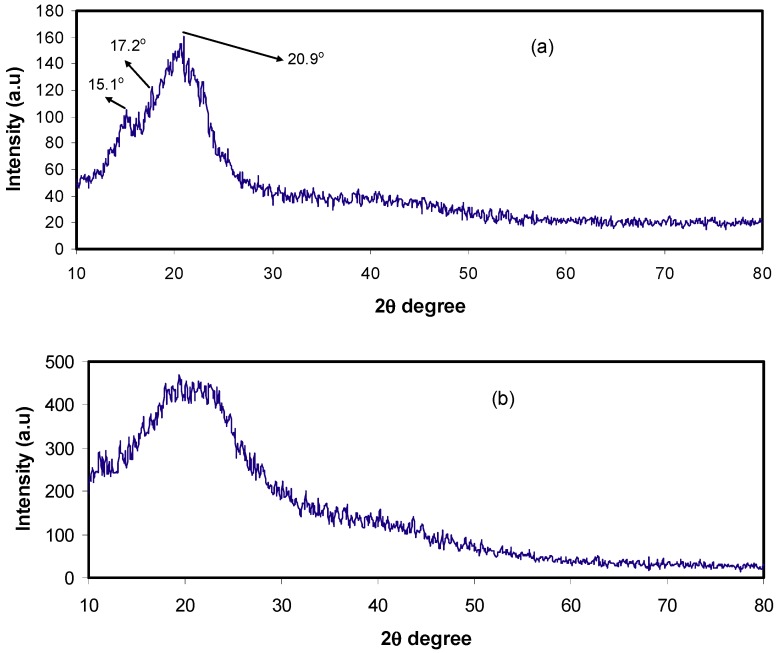
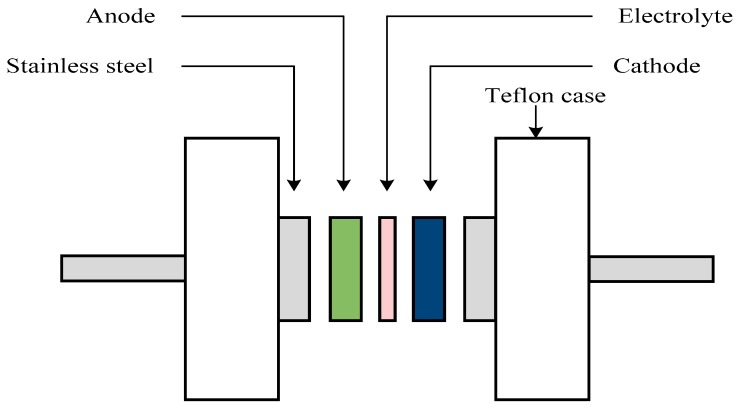
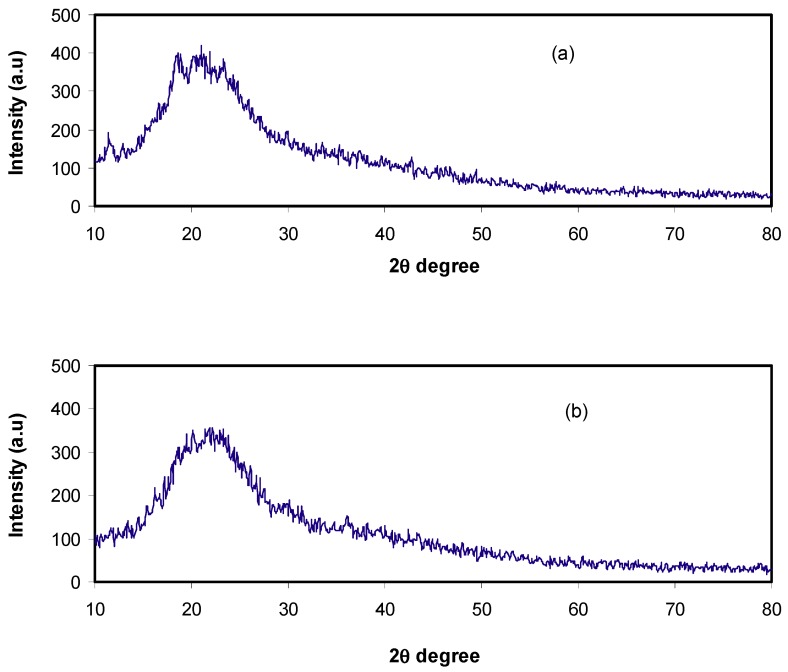
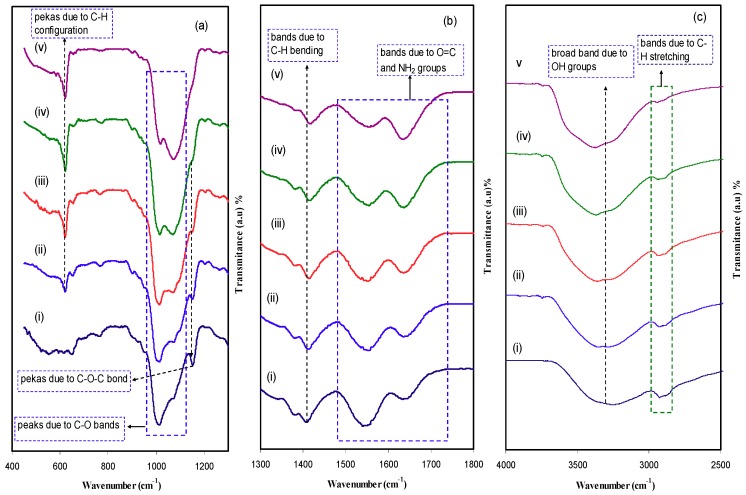
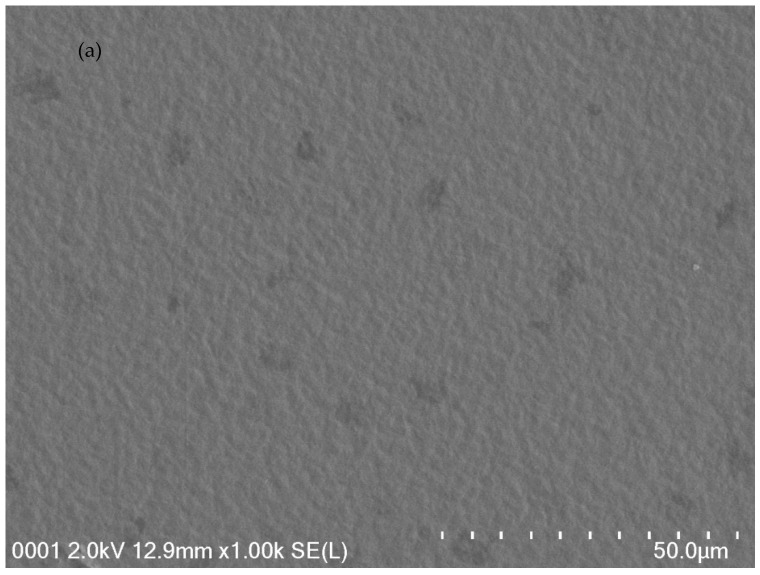
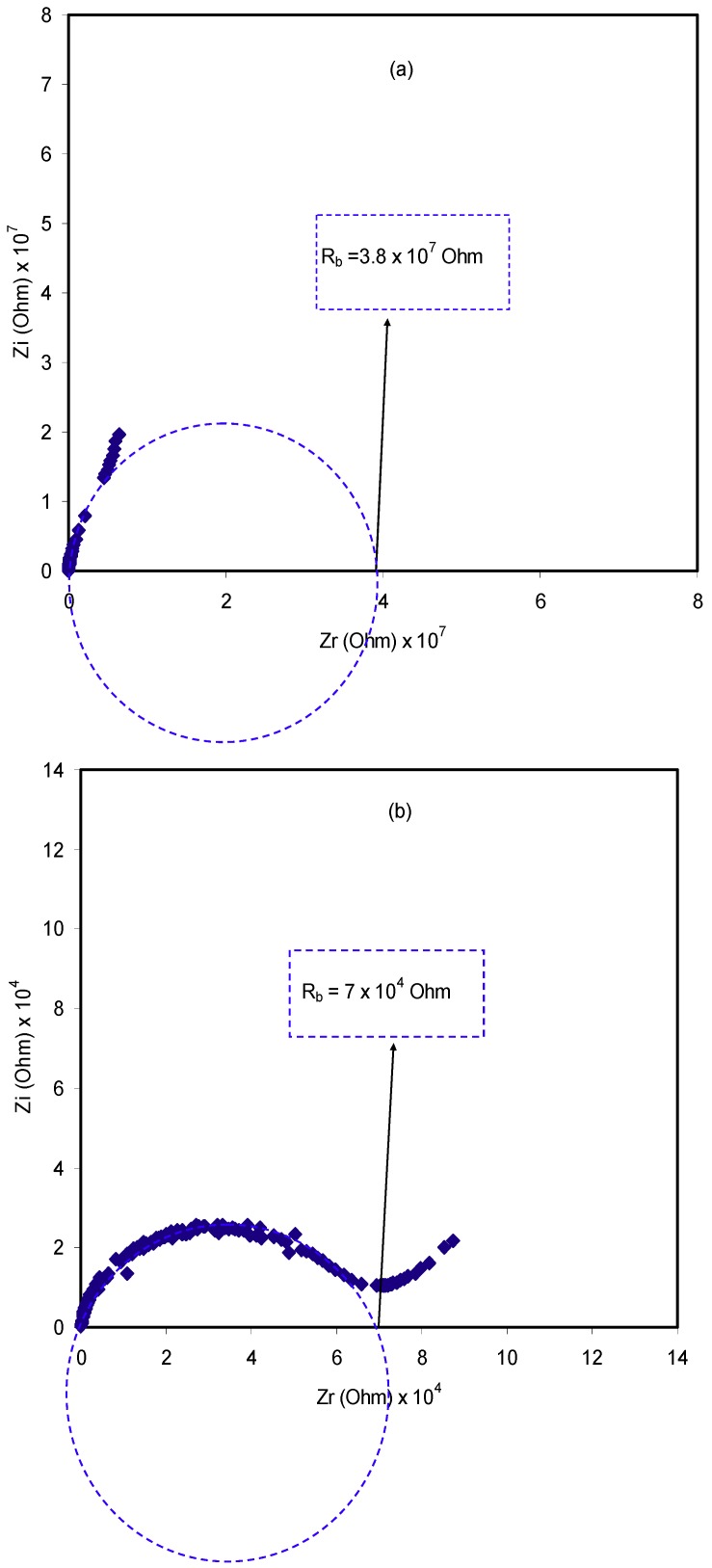
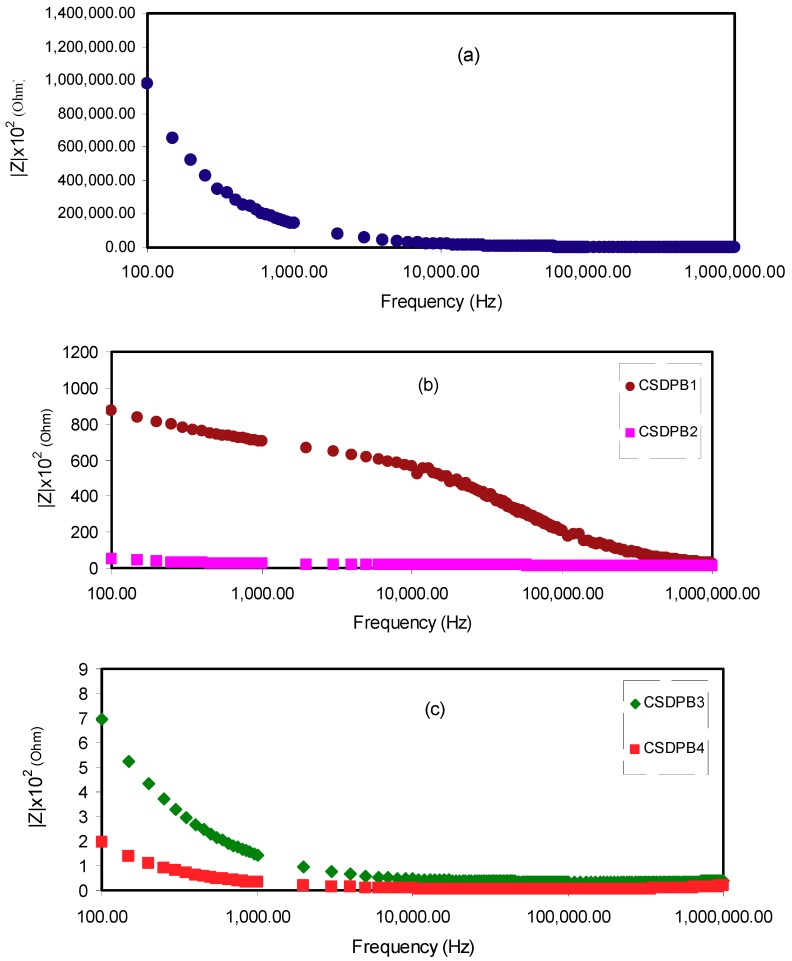
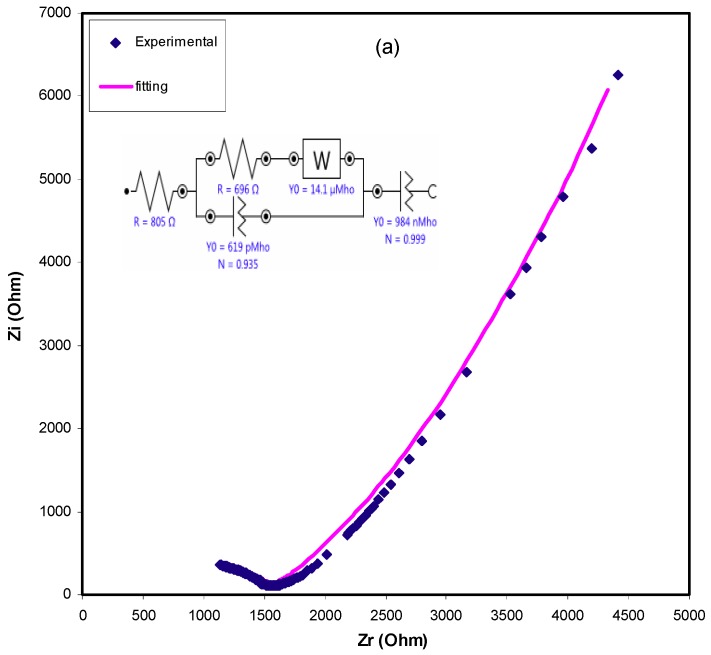
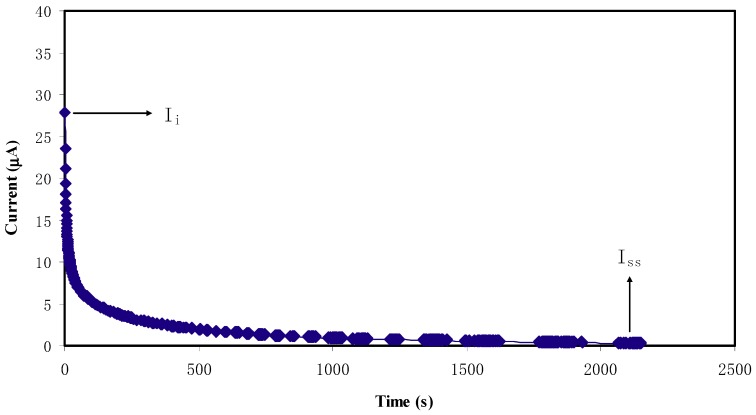
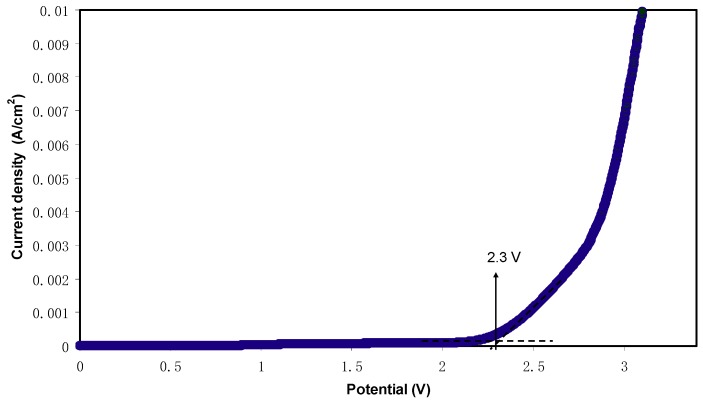
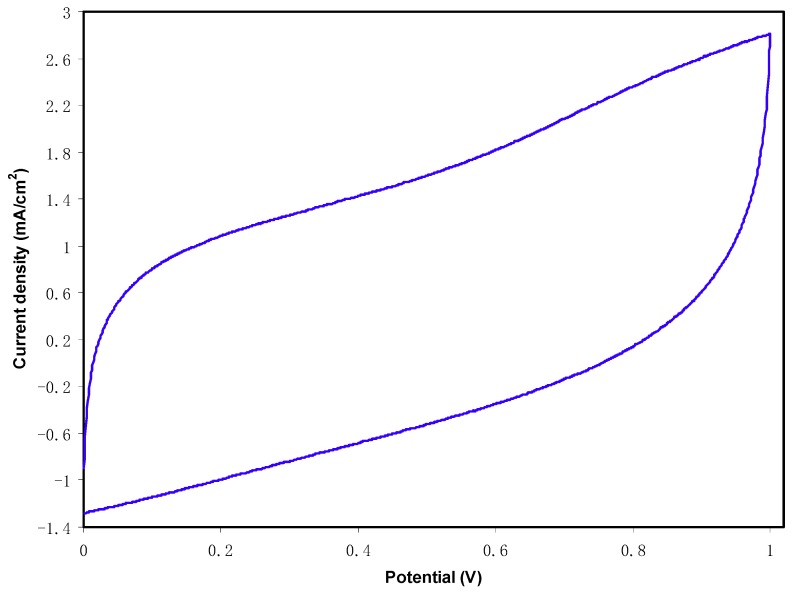
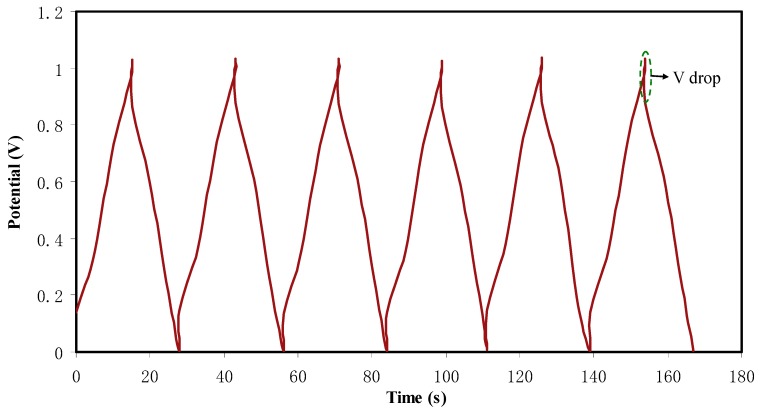
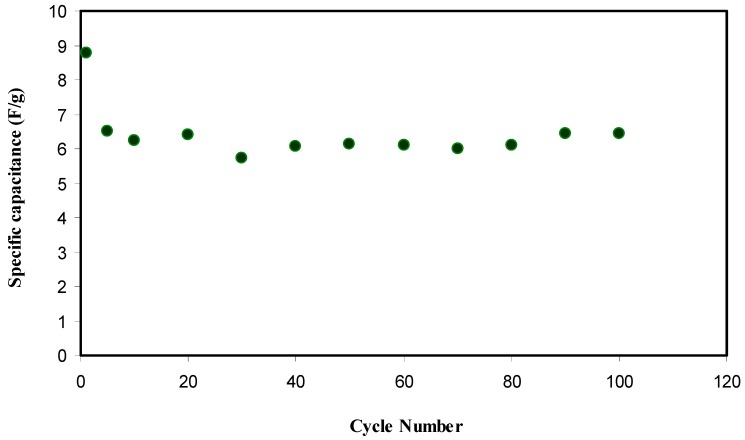
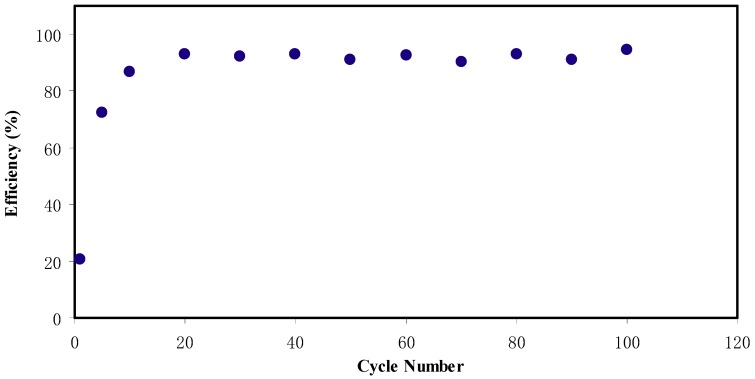
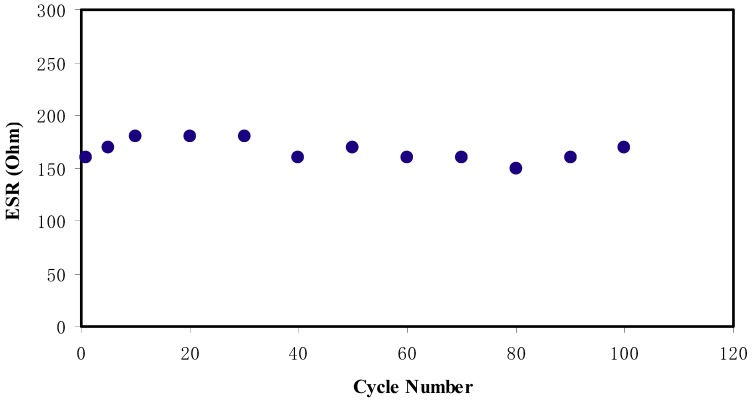
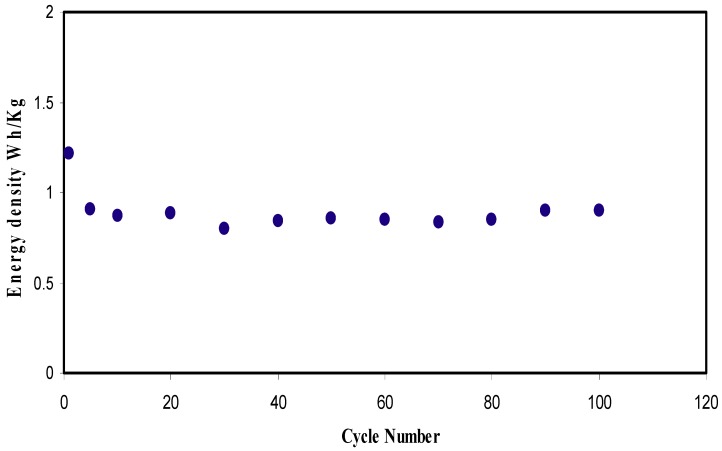
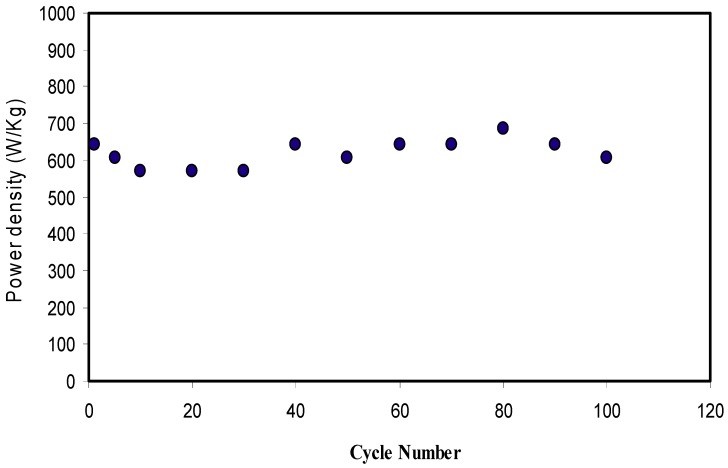
Solid polymer blend electrolyte membranes (SPBEM) composed of chitosan and dextran with the incorporation of various amounts of lithium perchlorate (LiClO) were synthesized. The complexation of the polymer blend electrolytes with the salt was examined using FTIR spectroscopy and X-ray diffraction (XRD). The morphology of the SPBEs was also investigated using field emission scanning electron microscopy (FESEM). The ion transport behavior of the membrane films was measured using impedance spectroscopy. The membrane with highest LiClO content was found to exhibit the highest conductivity of 5.16 × 10 S/cm. Ionic () and electronic () transference numbers for the highest conducting electrolyte were found to be 0.98 and 0.02, respectively. Electrochemical stability was estimated from linear sweep voltammetry and found to be up to ~2.3V for the Li ion conducting electrolyte. The only existence of electrical double charging at the surface of electrodes was evidenced from the absence of peaks in cyclic voltammetry (CV) plot. The discharge slope was observed to be almost linear, confirming the capacitive behavior of the EDLC. The performance of synthesized EDLC was studied using CV and charge-discharge techniques. The highest specific capacitance was achieved to be 8.7 F·g at 20th cycle. The efficiency () was observed to be at 92.8% and remained constant at 92.0% up to 100 cycles. The EDLC was considered to have a reasonable electrode-electrolyte contact, in which exceeds 90.0%. It was determined that equivalent series resistance () is quite low and varies from 150 to 180 Ω over the 100 cycles. Energy density () was found to be 1.21 Wh·kg at the 1st cycle and then remained stable at 0.86 Wh·kg up to 100 cycles. The interesting observation is that the value of increases back to 685 W·kg up to 80 cycles.
采用傅里叶变换红外光谱(FTIR)和 X 射线衍射(XRD)研究了聚合物共混电解质与盐的络合作用。采用场发射扫描电子显微镜(FESEM)研究了 SPBE 的形态。通过阻抗谱测量了膜的离子传输性能。发现含最高 LiClO 量的膜具有最高的电导率 5.16×10 S/cm。最高电导率电解质的离子()和电子()迁移数分别为 0.98 和 0.02。通过线性扫描伏安法估计电化学稳定性,发现锂离子导电电解质的稳定性高达~2.3V。从循环伏安法(CV)图中没有峰可以证明在电极表面仅存在双电层充电。从放电斜率几乎呈线性可以看出,EDLC 具有电容行为。使用 CV 和充放电技术研究了合成 EDLC 的性能。在第 20 次循环时达到了 8.7 F·g 的最高比电容。效率()观察到为 92.8%,并在 100 次循环中保持在 92.0%不变。EDLC 被认为具有合理的电极-电解质接触,其中超过 90.0%。确定等效串联电阻(ESR)相当低,在 100 次循环中从 150 到 180 Ω 变化。能量密度()在第 1 次循环时为 1.21 Wh·kg,然后在 100 次循环中保持在 0.86 Wh·kg 稳定。有趣的观察是,值增加到 80 次循环后又增加到 685 W·kg。