Hamedani Behzad, Shahsavari Hooman, Amaniyan Sara, Sieloff Christina, Vaismoradi Mojtaba
School of Nursing and Midwifery, Tehran University of Medical Sciences, 1419733171 Tehran, Iran.
College of Nursing, Montana State University, Bozeman, MT 59717, USA.
J Cardiovasc Dev Dis. 2019 Jul 9;6(3):25. doi: 10.3390/jcdd6030025.
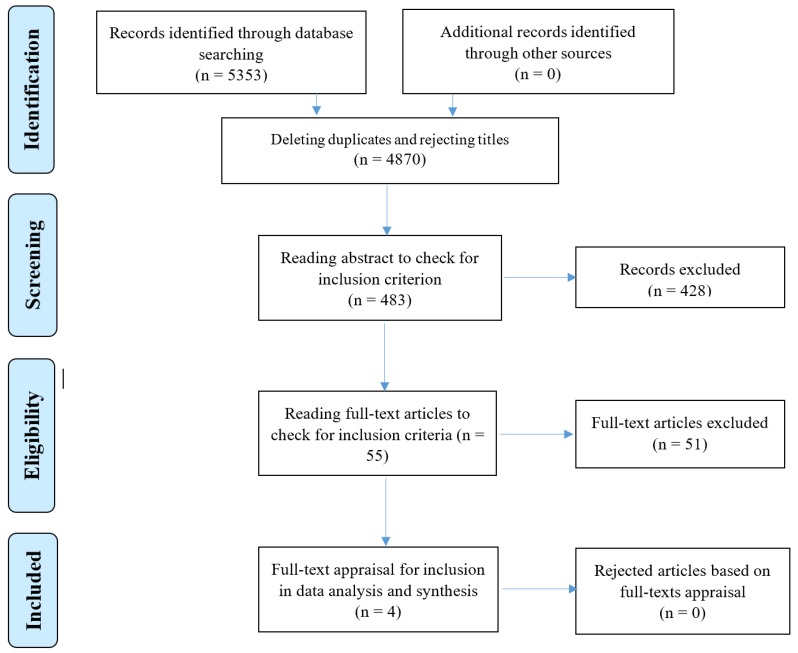
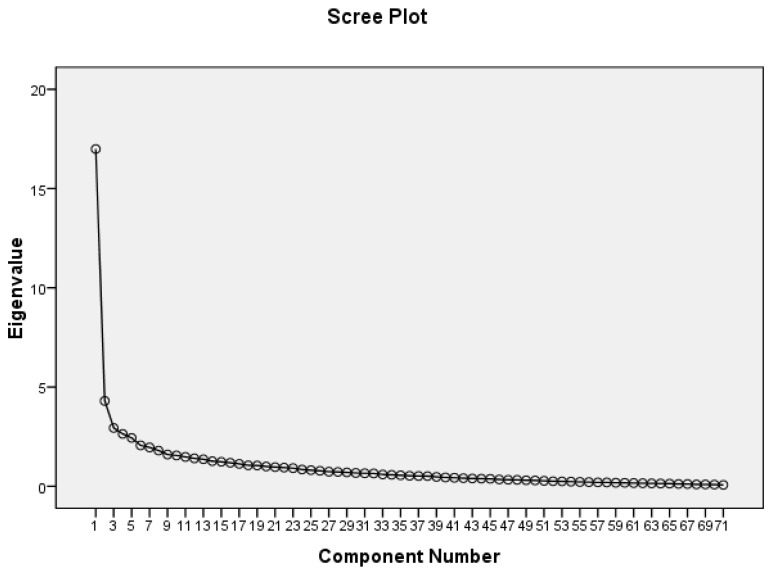
Patients with cardiac diseases can achieve the greatest benefit from cardiac rehabilitation through modification of their unhealthy behaviors. This study aimed to develop and examine the psychometric properties of the Cardiac Rehabilitation Adherence Tool (CRAT), which was designed to assess patients' adherence to cardiac rehabilitation. In this instrument development study, the items of the CRAT were extracted through a comprehensive literature review. The CRAT was assessed in terms of validity and reliability. Exploratory factor analysis was conducted to assess its construct validity, which led to the development of a tool containing 57 items and five dimensions including "acceptance of the rehabilitation center", "being interested in health", "feeling a need", "personal control over the situation", and "encouragement and advice." These five factors accounted for 45.23% of the observed variance. The Cronbach's alpha was 0.935. The test-retest method supported the stability of the instrument ( = 0.95). Health care professionals can use the CRAT to examine factors influencing the patient's decision to leave cardiac rehabilitation and design strategies for improving their adherence to the rehabilitation program.
患有心脏病的患者可以通过改变不健康行为,从心脏康复中获得最大益处。本研究旨在开发并检验心脏康复依从性工具(CRAT)的心理测量特性,该工具旨在评估患者对心脏康复的依从性。在这项工具开发研究中,通过全面的文献综述提取了CRAT的条目。对CRAT进行了效度和信度评估。进行探索性因素分析以评估其结构效度,由此开发出一个包含57个条目的工具,有五个维度,包括“对康复中心的接受度”、“对健康的兴趣”、“感觉有必要”、“对情况的个人掌控”以及“鼓励和建议”。这五个因素占观察方差的45.23%。克朗巴哈系数为0.935。重测法支持了该工具的稳定性(=0.95)。医疗保健专业人员可以使用CRAT来检查影响患者退出心脏康复决定的因素,并设计提高其对康复计划依从性的策略。