Anas I Y, Bamgbose B O, Nuhu Saleh
Department of Anatomy, Faculty of Basic Medical Sciences, College of Health Sciences, Bayero University Kano, Nigeria.
Department of Oral Diagnostic Sciences, Faculty of Dentistry, Bayero University, Nigeria.
Heliyon. 2019 Jun 14;5(6):e01880. doi: 10.1016/j.heliyon.2019.e01880. eCollection 2019 Jun.
Currently, two & three-dimensional (2D & 3D) imaging techniques have largely replaced the direct anthropometric method in the assessment of facial morphology, but the difference between the two techniques was not quantified. Therefore, the aim of this study was to compare and quantify (the difference between) the two techniques.
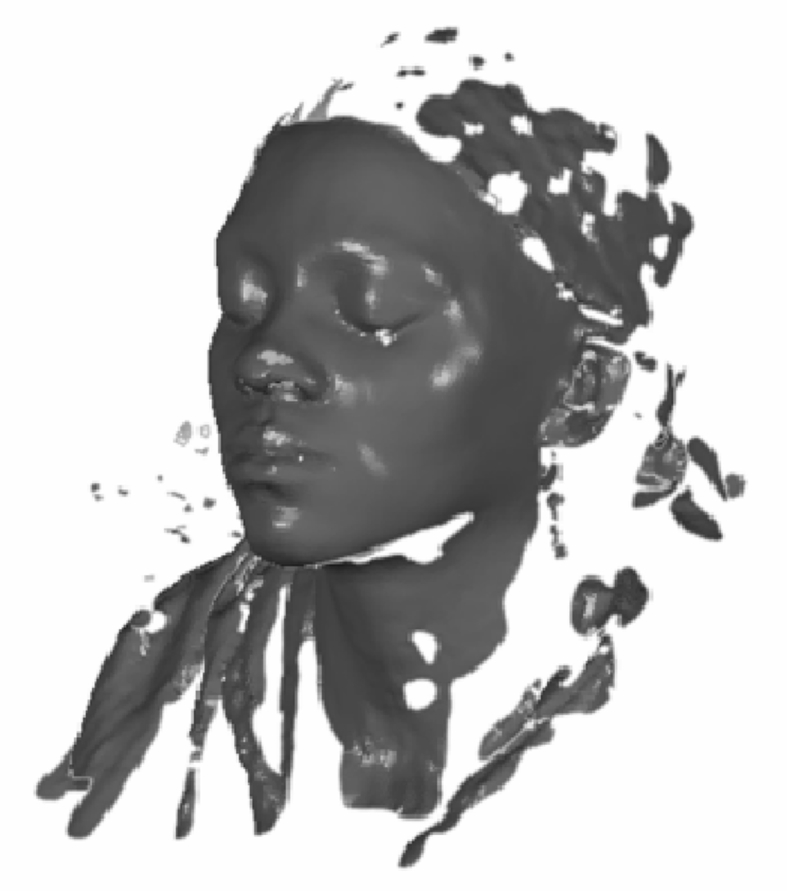
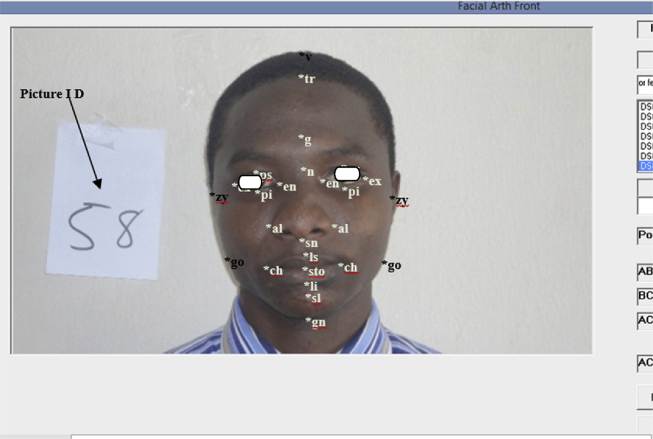
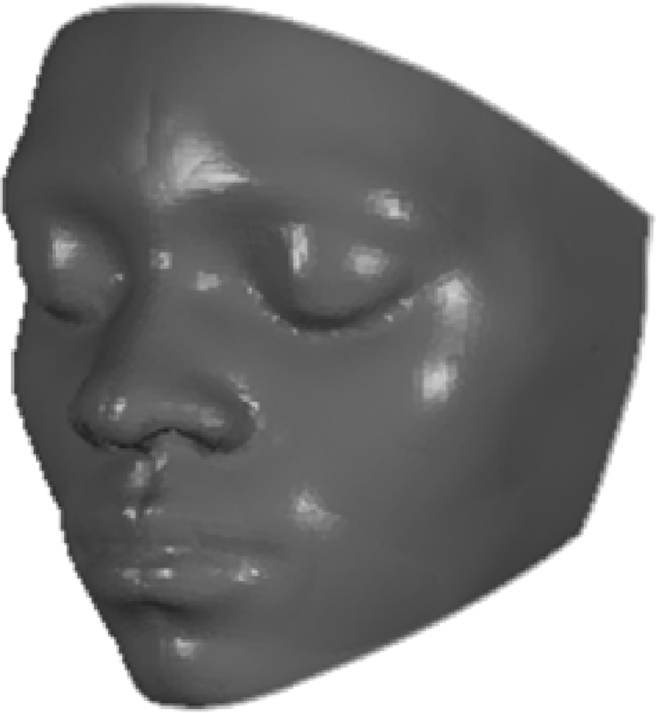
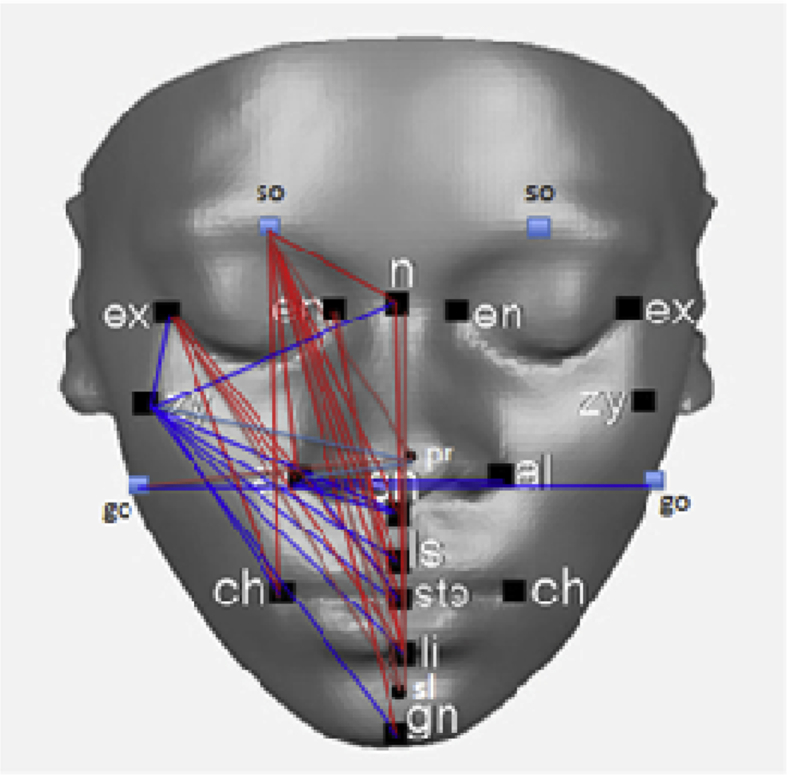
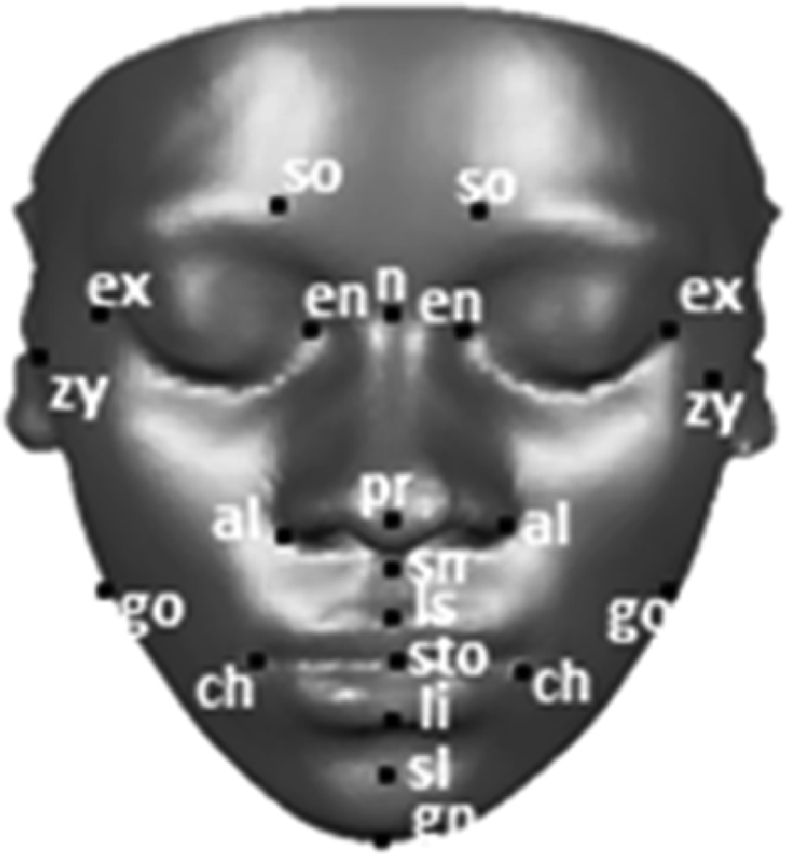
The faces of 150 subjects (75 males, 75 females) of northern Nigeria, predominantly Hausa ethnic group, were photographed (using digital camera) and scanned (using a 3D surface laser scanner). Facial dimensions were generated from the resulting virtual 2D and 3D models. Data were analyzed using R-statistic software & Paired sample t-test/Pearson correlation were conducted to compare the two methods and to quantify the level of closeness between the two measurements.
Intraclass correlation coefficient (ICC) was very low (0.26) for the 3D and 2D measurements indicating the level of differences between the methods. Measurements taken with laser scanner were higher relative to the one taken by camera. The mean differences between the 3D and the 2D methods of quantifying facial morphology indicated a statistically significant positive difference. CONCLUSION: 2D and 3D anthropometry cannot be used interchangeably since there exists statistically significant variation between the two methods.
目前,二维和三维(2D和3D)成像技术在很大程度上已取代直接人体测量法用于面部形态评估,但这两种技术之间的差异尚未量化。因此,本研究的目的是比较并量化这两种技术(之间的差异)。
对尼日利亚北部150名受试者(75名男性,75名女性)的面部进行拍照(使用数码相机)和扫描(使用三维表面激光扫描仪),这些受试者主要为豪萨族。从生成的虚拟二维和三维模型中获取面部尺寸数据。使用R统计软件进行数据分析,并进行配对样本t检验/皮尔逊相关性分析,以比较这两种方法并量化两次测量之间的接近程度。
三维和二维测量的组内相关系数(ICC)非常低(0.26),表明这两种方法之间的差异程度。激光扫描仪测量的数据相对于相机测量的数据更高。三维和二维量化面部形态方法之间的平均差异表明存在统计学上显著的正差异。结论:二维和三维人体测量法不能互换使用,因为这两种方法之间存在统计学上的显著差异。