Department of Biology, University of Utah, 257 S 1400 E, Salt Lake City, UT 84112, USA.
CIIMAR/CIMAR-Interdisciplinary Centre of Marine and Environmental Research, Terminal de Cruzeiros, do Porto de Leixões, 4450-208 Porto, Portugal.
Mar Drugs. 2019 Jul 24;17(8):432. doi: 10.3390/md17080432.
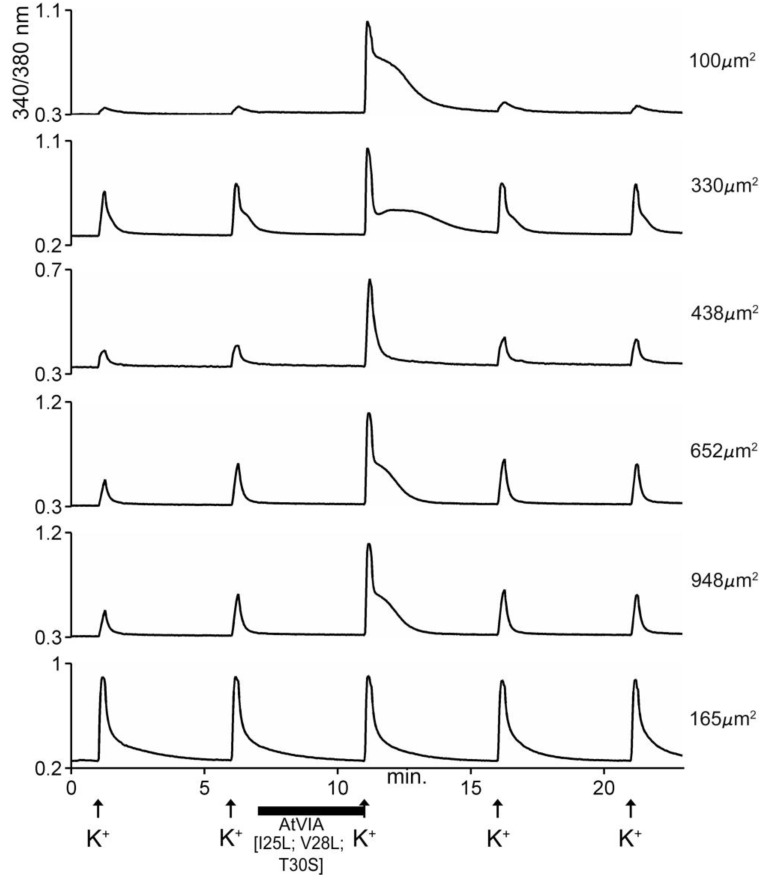
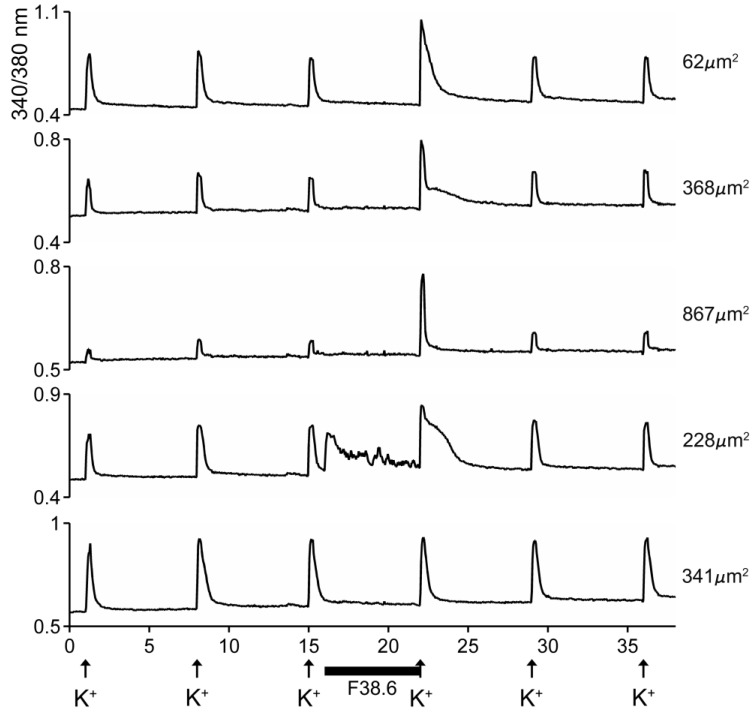
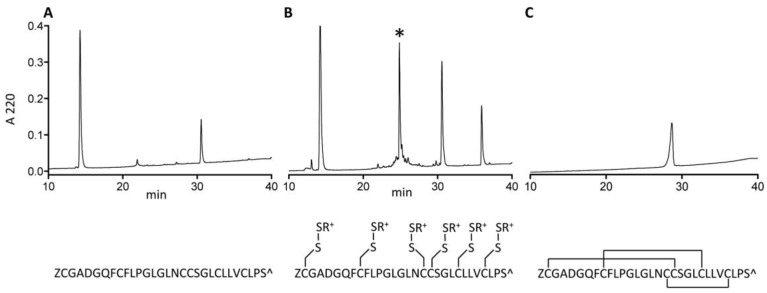
is a cone snail endemic to the west side of the island of Sal, in the Cabo Verde Archipelago off West Africa. We describe the isolation and characterization of the first bioactive peptide from the venom of this species. This 30AA venom peptide is named conotoxin AtVIA (δ-conotoxin-like). An excitatory activity was manifested by the peptide on a majority of mouse lumbar dorsal root ganglion neurons. An analog of AtVIA with conservative changes on three amino acid residues at the C-terminal region was synthesized and this analog produced an identical effect on the mouse neurons. AtVIA has homology with δ-conotoxins from other worm-hunters, which include conserved sequence elements that are shared with δ-conotoxins from fish-hunting . In contrast, there is no comparable sequence similarity with δ-conotoxins from the venoms of molluscivorous species. A rationale for the potential presence of δ-conotoxins, that are potent in vertebrate systems in two different lineages of worm-hunting cone snails, is discussed.
是一种仅产于萨利巴岛(佛得角群岛的一部分,位于西非西海岸)西侧的芋螺。我们描述了从该物种毒液中分离和鉴定出的第一个生物活性肽。这种 30AA 毒液肽被命名为 conotoxin AtVIA(δ-芋螺毒素样)。该肽对大多数小鼠腰背部脊神经节神经元表现出兴奋活性。合成了 AtVIA 的 C 末端三个氨基酸残基保守变化的类似物,该类似物对小鼠神经元产生了相同的作用。AtVIA 与其他以猎捕蠕虫为食的芋螺中的 δ-芋螺毒素具有同源性,其中包括与来自猎食鱼类的 δ-芋螺毒素共享的保守序列元件。相比之下,在以猎食软体动物为食的毒液中,没有可比的 δ-芋螺毒素序列相似性。讨论了在两种不同的猎捕蠕虫的芋螺中,存在在脊椎动物系统中具有强大作用的 δ-芋螺毒素的合理性。