Nowacka Malgorzata, Wiktor Artur, Dadan Magdalena, Rybak Katarzyna, Anuszewska Aleksandra, Materek Lukasz, Witrow-Rajchert Dorota
Department of Food Engineering and Process Management, Faculty of Food Sciences, Warsaw University of Life Sciences, Nowoursynowska 159c, 02-776 Warsaw, Poland.
Foods. 2019 Jul 24;8(8):283. doi: 10.3390/foods8080283.
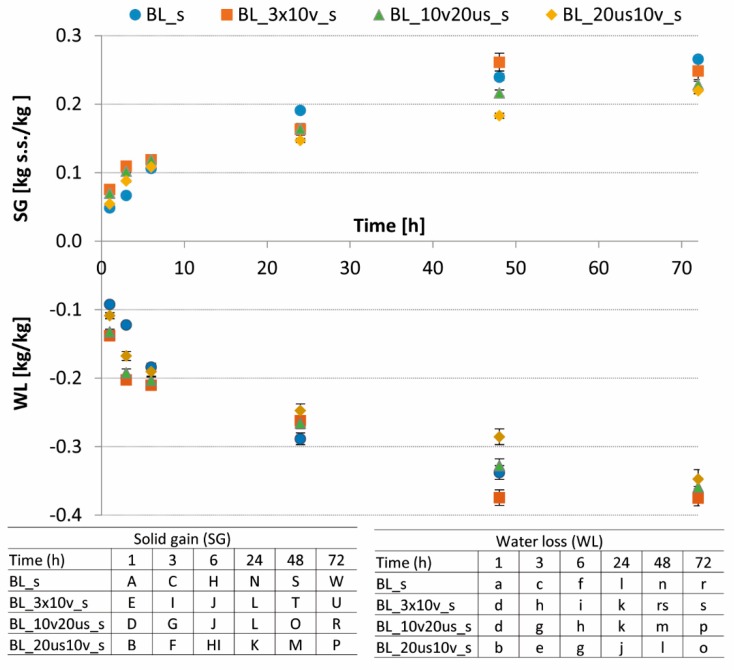
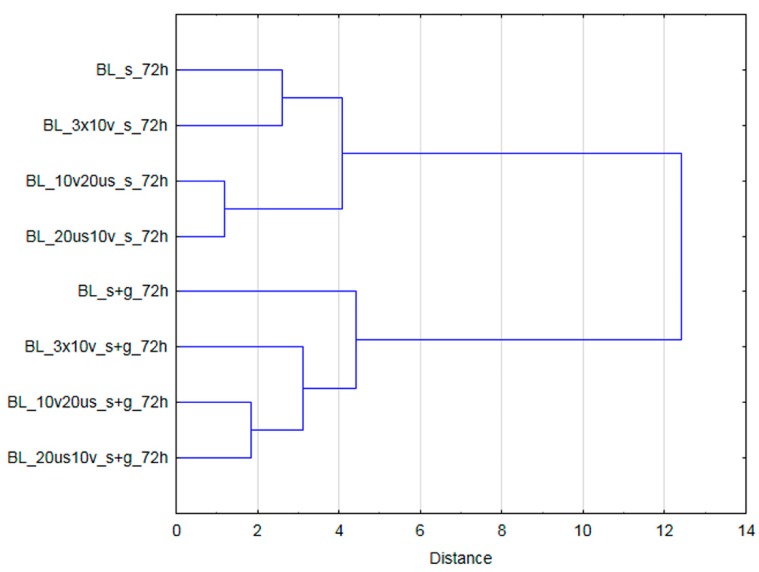
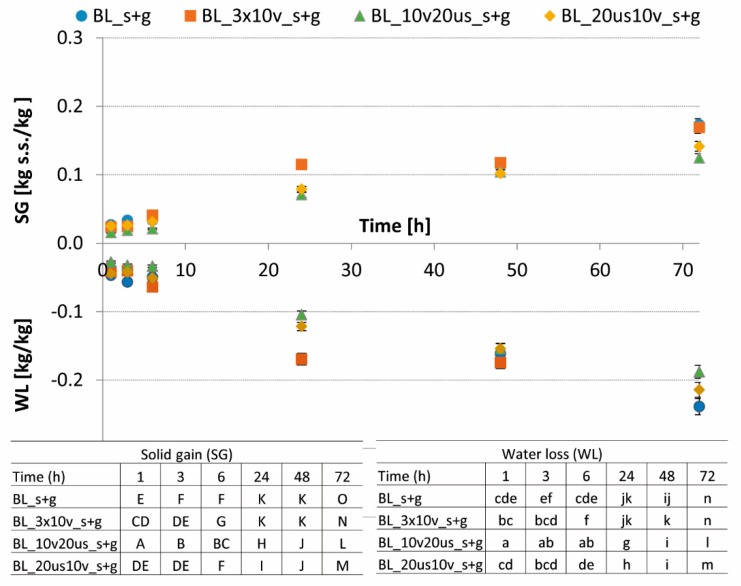
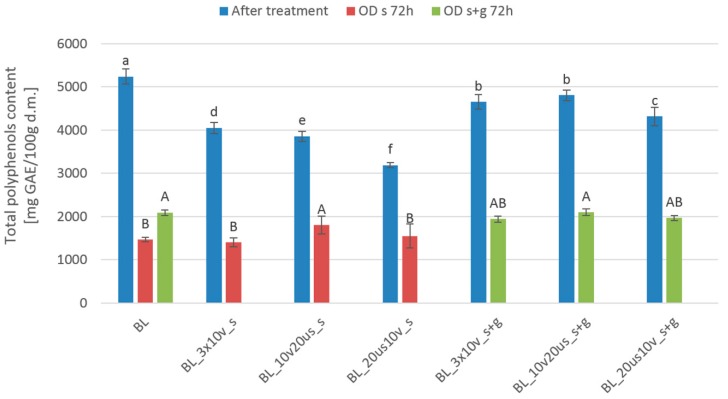
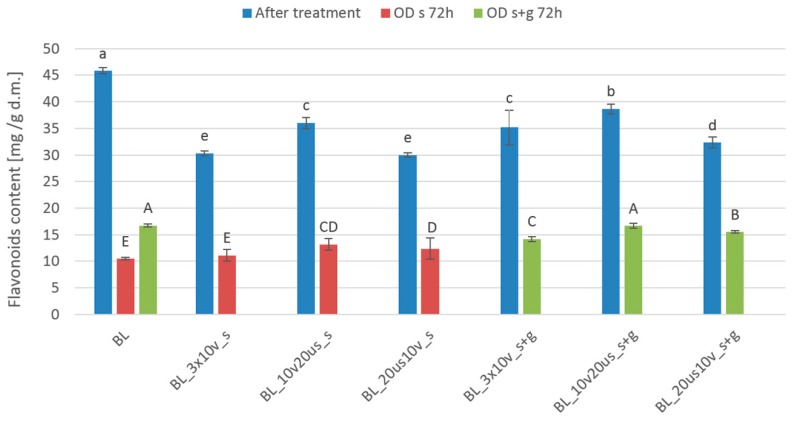
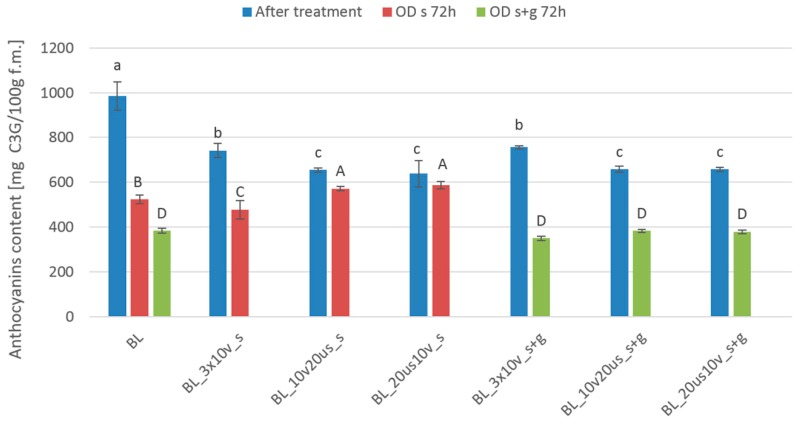
The aim of this study was to investigate the effect of a pretreatment, performed by a combined method based on blanching, ultrasound, and vacuum application, on the kinetics of osmotic dehydration and selected quality properties such as water activity, color, and bioactive compound (polyphenols, flavonoids, and anthocyanins) content. The pretreatment was carried out using blanching, reduced pressure, and ultrasound (20 min, 21 kHz) in various combinations: Blanching at reduced pressure treatment conducted three times for 10 min in osmotic solution; blanching with reduced pressure for 10 min and sonicated for 20 min in osmotic solution; and blanching with 20 min of sonication and 10 min of reduced pressure. The osmotic dehydration was performed in different solutions (61.5% sucrose and 30% sucrose with the addition of 0.1% of steviol glycosides) to ensure the acceptable taste of the final product. The changes caused by the pretreatment affected the osmotic dehydration process by improving the efficiency of the process. The use of combined pretreatment led to an increase of dry matter from 9.3% to 28.4%, and soluble solids content from 21.2% to 41.5%, lightness around 17.3% to 56.9%, as well as to the reduction of bioactive compounds concentration until even 39.2% in comparison to the blanched sample not subjected to combined treatment. The osmotic dehydration caused further changes in all investigated properties.
本研究的目的是探究一种基于热烫、超声和真空应用的联合预处理方法对渗透脱水动力学以及诸如水分活度、颜色和生物活性化合物(多酚、黄酮类化合物和花青素)含量等选定品质特性的影响。预处理采用热烫、减压和超声(20分钟,21千赫兹)的不同组合进行:在渗透溶液中进行三次减压热烫处理,每次10分钟;在渗透溶液中减压热烫10分钟并超声处理20分钟;以及超声处理20分钟并减压10分钟。在不同溶液(61.5%蔗糖和添加0.1%甜菊糖苷的30%蔗糖)中进行渗透脱水,以确保最终产品的口感可接受。预处理引起的变化通过提高过程效率影响了渗透脱水过程。联合预处理的使用使干物质含量从9.3%增加到28.4%,可溶性固形物含量从21.2%增加到41.5%,亮度从约17.3%增加到56.9%,与未进行联合处理的热烫样品相比,生物活性化合物浓度降低了甚至39.2%。渗透脱水导致所有研究特性进一步发生变化。