Department of Neurosurgery, Mayo Clinic, Rochester, MN, United States of America.
PLoS One. 2019 Jul 30;14(7):e0220569. doi: 10.1371/journal.pone.0220569. eCollection 2019.
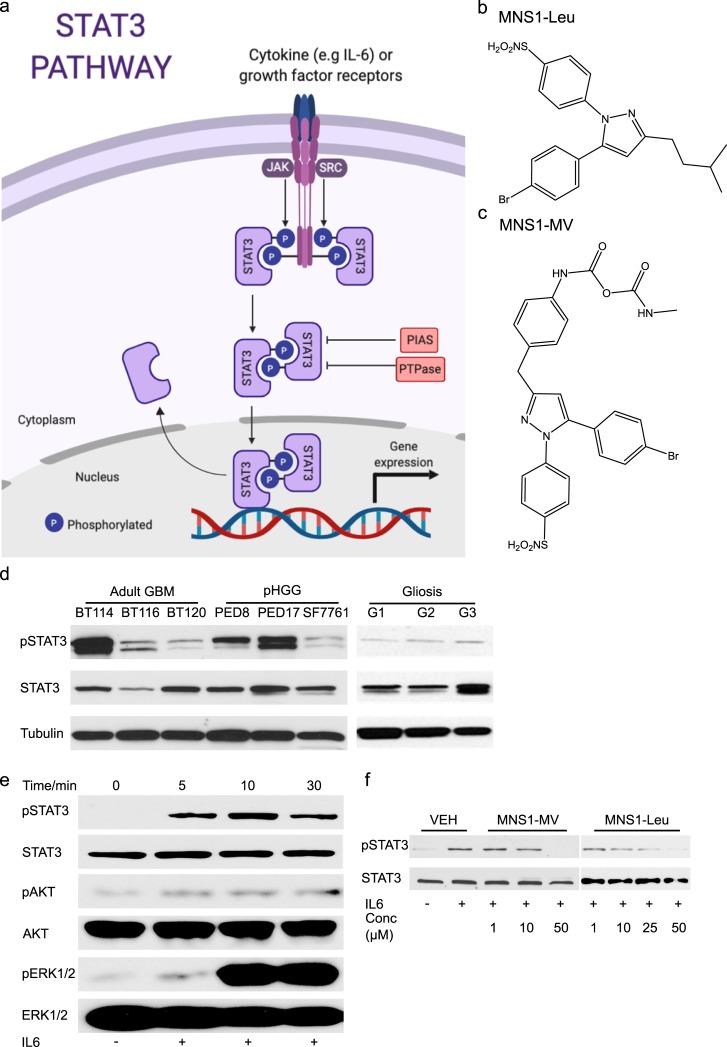
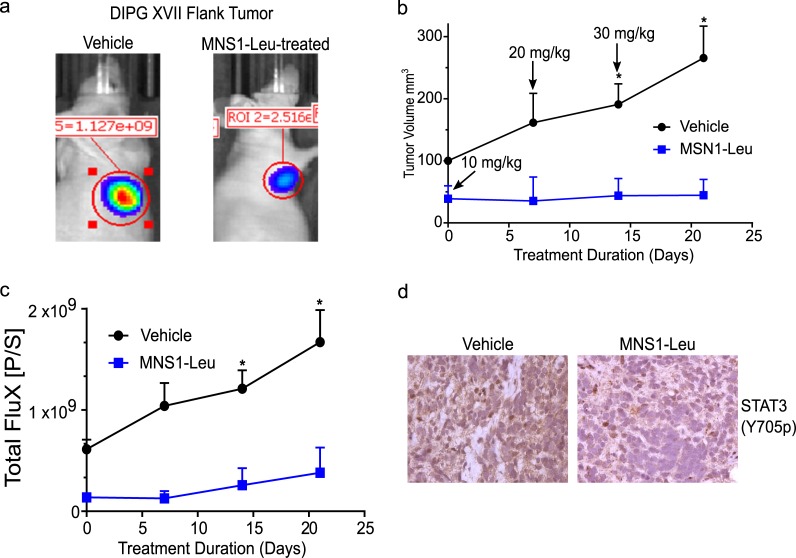
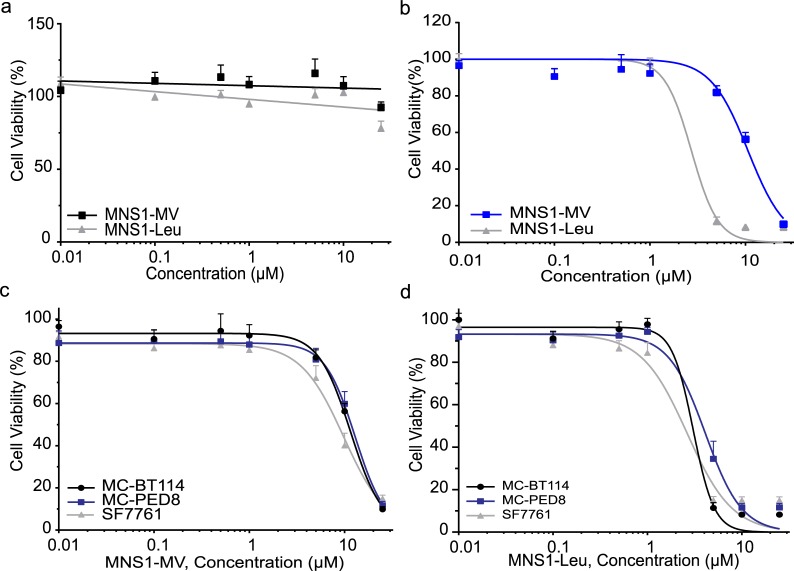
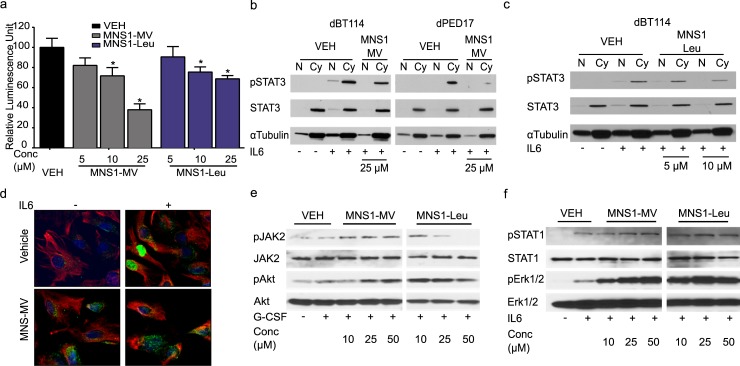
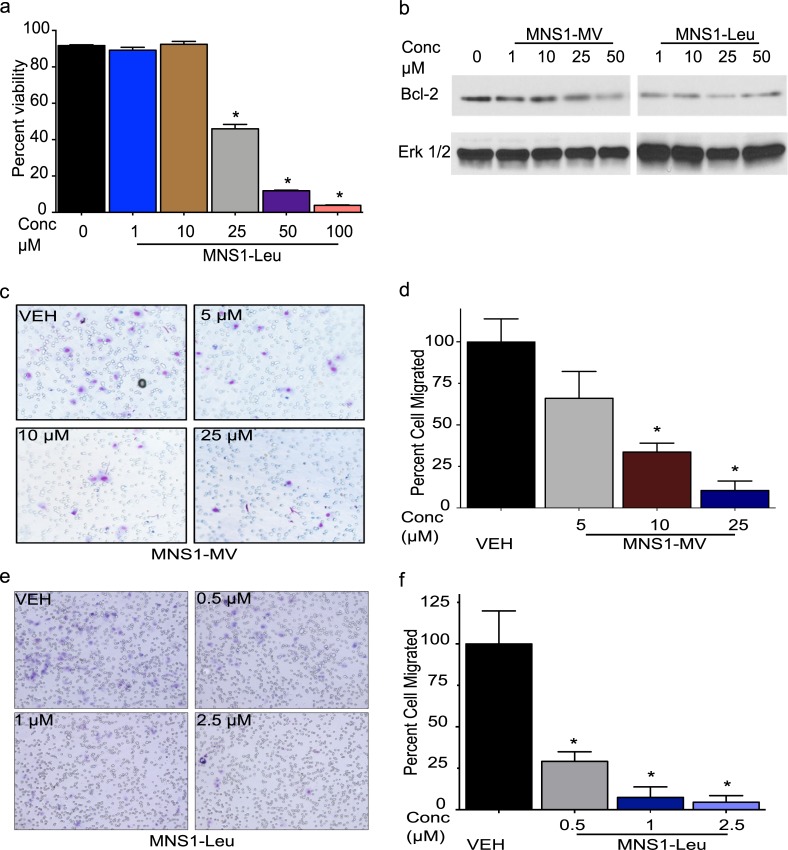
Abnormal activation of signal transducer and activator of transcription 3 (STAT3) transcription factor has been observed in many human cancers with roles in tumor initiation, progression, drug resistance, angiogenesis and immunosuppression. STAT3 is constitutively activated in a variety of cancers including adult high grade gliomas (aHGGs) such as glioblastoma (GBM), and pediatric high grade gliomas (pHGG). Inhibiting STAT3 is a promising target-specific chemotherapeutic strategy for tumors with aberrant STAT3 signaling. Here we investigated the antitumor effects of novel pyrazole-based STAT3 pathway inhibitors named MNS1 (Mayo Neurosurgery 1) in both pediatric and adult HGG tumor cells. MNS1 compounds selectively decreased cell viability and proliferation in patient-derived HGG cells with minimal toxicity on normal human astrocytes. These inhibitors selectively blocked IL-6-induced STAT3 phosphorylation and nuclear localization of pSTAT3 without affecting other signaling molecules including Akt, STAT1, JAK2 or ERK1/2 phosphorylation. Functional analysis showed that MNS1 compounds induced apoptosis and decrease tumor migration. The anti-tumor effects extended into a murine pHGG (diffuse intrinsic pontine glioma) patient derived xenograft, and systemic toxicity was not evident during dose escalation in mice. These results support further development of STAT3 inhibitors for both pediatric and adult HGG.
信号转导子和转录激活子 3(STAT3)转录因子的异常激活已在许多人类癌症中观察到,其在肿瘤起始、进展、耐药性、血管生成和免疫抑制中起作用。STAT3 在多种癌症中持续激活,包括成人高级别神经胶质瘤(aHGGs),如胶质母细胞瘤(GBM)和小儿高级别神经胶质瘤(pHGG)。抑制 STAT3 是一种针对具有异常 STAT3 信号的肿瘤的有前途的靶向特异性化疗策略。在这里,我们研究了新型基于吡唑的 STAT3 通路抑制剂 MNS1(Mayo 神经外科 1)在小儿和成人 HGG 肿瘤细胞中的抗肿瘤作用。MNS1 化合物选择性地降低了源自患者的 HGG 细胞的细胞活力和增殖,对正常人类星形胶质细胞的毒性最小。这些抑制剂选择性地阻断了 IL-6 诱导的 STAT3 磷酸化和 pSTAT3 的核定位,而不影响其他信号分子,包括 Akt、STAT1、JAK2 或 ERK1/2 磷酸化。功能分析表明,MNS1 化合物诱导细胞凋亡和减少肿瘤迁移。这些抗肿瘤作用扩展到了鼠 pHGG(弥漫性内在脑桥胶质瘤)患者来源的异种移植物中,并且在小鼠中进行剂量递增时没有明显的全身毒性。这些结果支持进一步开发用于小儿和成人 HGG 的 STAT3 抑制剂。