Department of Clinical and Experimental Medicine, Linköping University, Linköping, Sweden.
Division of Molecular Hematology, Lund University, Lund, Sweden.
PLoS Genet. 2019 Aug 5;15(8):e1008280. doi: 10.1371/journal.pgen.1008280. eCollection 2019 Aug.
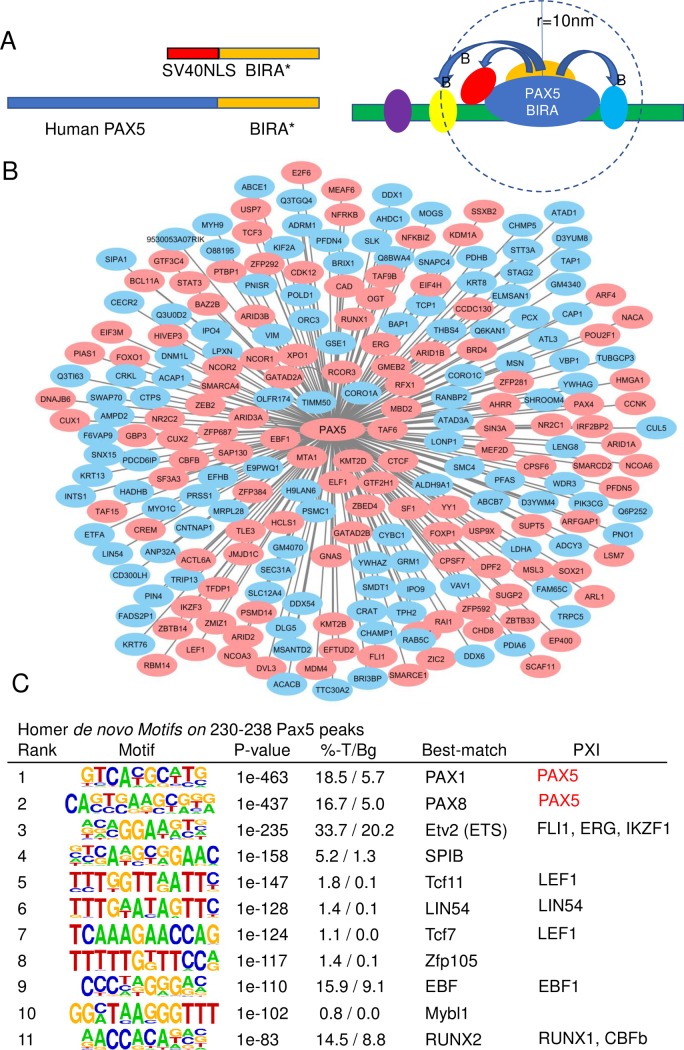
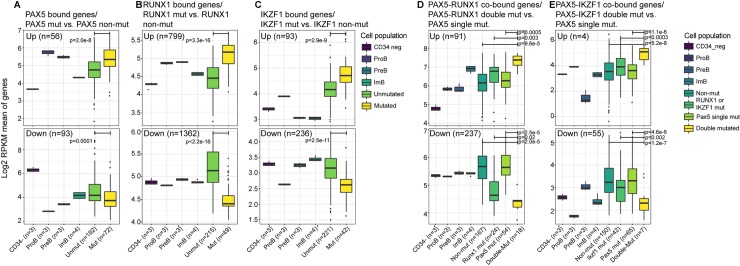
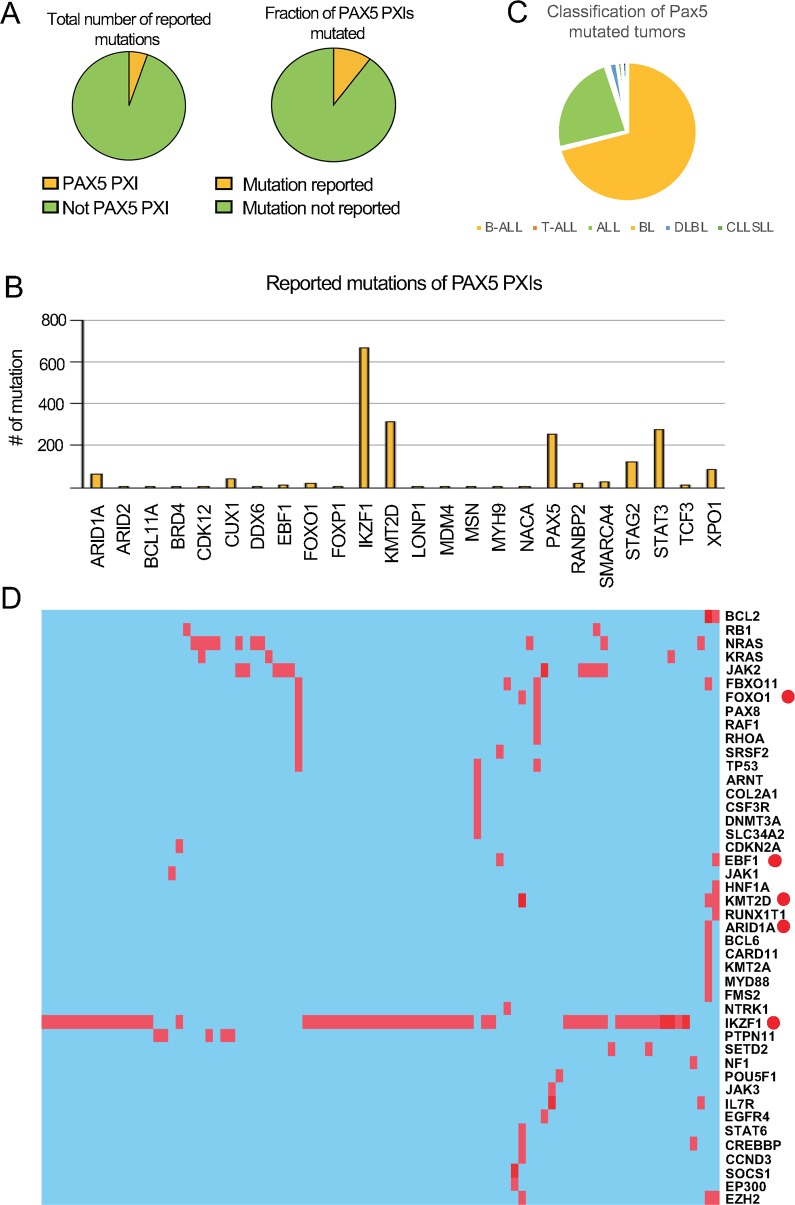
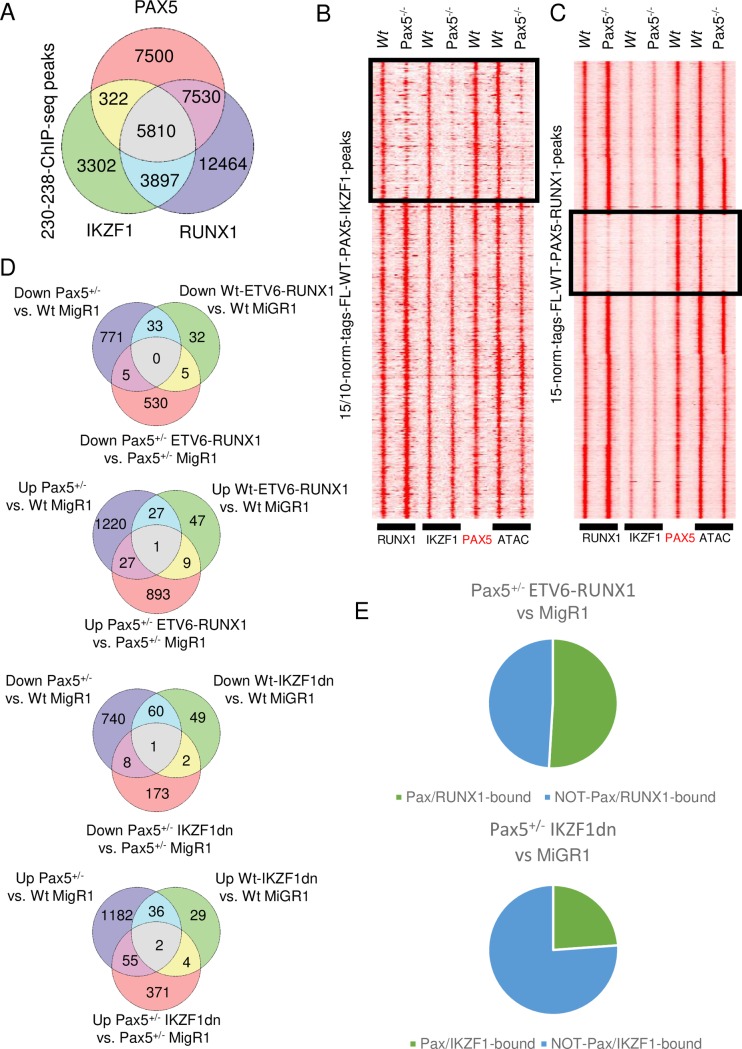
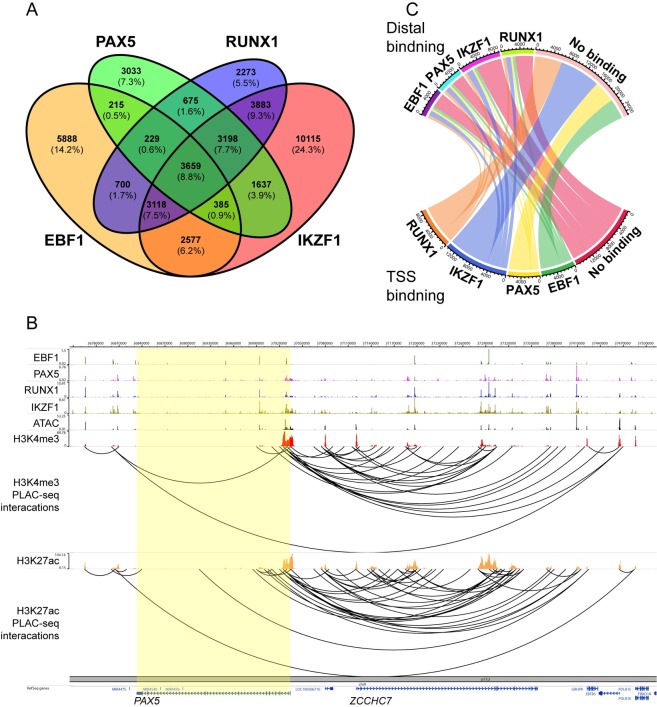
One of the most frequently mutated proteins in human B-lineage leukemia is the transcription factor PAX5. These mutations often result in partial rather than complete loss of function of the transcription factor. While the functional dose of PAX5 has a clear connection to human malignancy, there is limited evidence for that heterozygote loss of PAX5 have a dramatic effect on the development and function of B-cell progenitors. One possible explanation comes from the finding that PAX5 mutated B-ALL often display complex karyotypes and additional mutations. Thus, PAX5 might be one component of a larger transcription factor network targeted in B-ALL. To investigate the functional network associated with PAX5 we used BioID technology to isolate proteins associated with this transcription factor in the living cell. This identified 239 proteins out of which several could be found mutated in human B-ALL. Most prominently we identified the commonly mutated IKZF1 and RUNX1, involved in the formation of ETV6-AML1 fusion protein, among the interaction partners. ChIP- as well as PLAC-seq analysis supported the idea that these factors share a multitude of target genes in human B-ALL cells. Gene expression analysis of mouse models and primary human leukemia suggested that reduced function of PAX5 increased the ability of an oncogenic form of IKZF1 or ETV6-AML to modulate gene expression. Our data reveals that PAX5 belong to a regulatory network frequently targeted by multiple mutations in B-ALL shedding light on the molecular interplay in leukemia cells.
在人类 B 细胞白血病中,最常发生突变的蛋白之一是转录因子 PAX5。这些突变通常导致转录因子部分而非完全丧失功能。虽然 PAX5 的功能剂量与人类恶性肿瘤有明确的联系,但缺乏证据表明 PAX5 的杂合缺失会对 B 细胞前体细胞的发育和功能产生显著影响。一种可能的解释来自于这样的发现,即 PAX5 突变的 B-ALL 通常显示复杂的核型和额外的突变。因此,PAX5 可能是 B-ALL 中靶向的更大转录因子网络的一个组成部分。为了研究与 PAX5 相关的功能网络,我们使用 BioID 技术在活细胞中分离与该转录因子相关的蛋白质。这从 239 种蛋白质中鉴定出了几种在人类 B-ALL 中发生突变的蛋白质。最值得注意的是,我们鉴定出了共同突变的 IKZF1 和 RUNX1,它们参与了 ETV6-AML1 融合蛋白的形成,这些都是相互作用的伙伴。ChIP-和 PLAC-seq 分析支持了这样的观点,即这些因子在人类 B-ALL 细胞中共享许多靶基因。对小鼠模型和原发性人类白血病的基因表达分析表明,PAX5 功能降低会增加致癌形式的 IKZF1 或 ETV6-AML 调节基因表达的能力。我们的数据表明,PAX5 属于 B-ALL 中经常被多种突变靶向的调控网络,这揭示了白血病细胞中分子相互作用的机制。