Department of Clinical Laboratory, Hunan Provincial People's Hospital, The First Hospital of Hunan Normal University, No. 61 Jiefang West Road, Changsha 410000, Hunan, China.
Department of Orthopedics, Hunan Provincial People's Hospital, The First Hospital of Hunan Normal Universtiy, No. 61 Jiefang West Road, Changsha 410000, Hunan, China.
Biosci Rep. 2019 Aug 23;39(8). doi: 10.1042/BSR20190419. Print 2019 Aug 30.
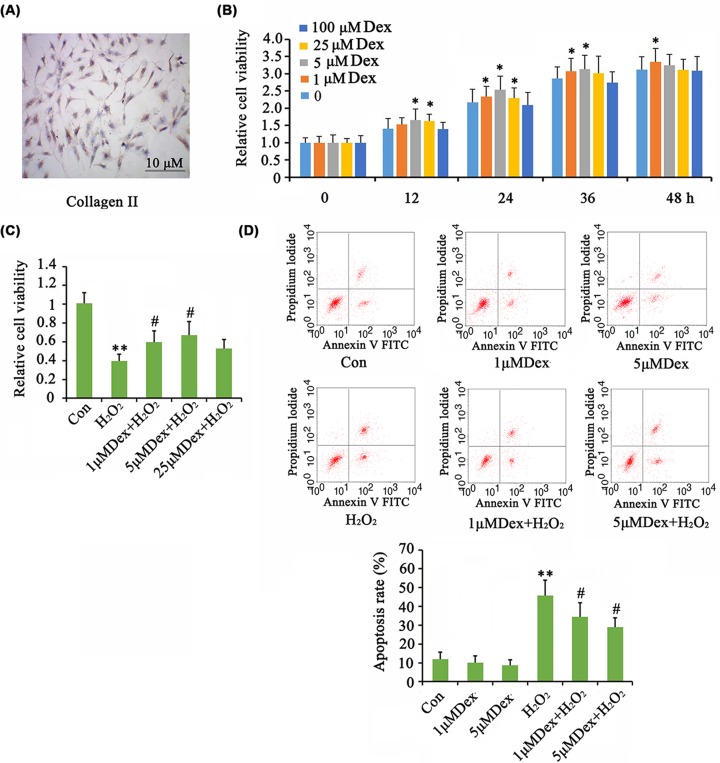
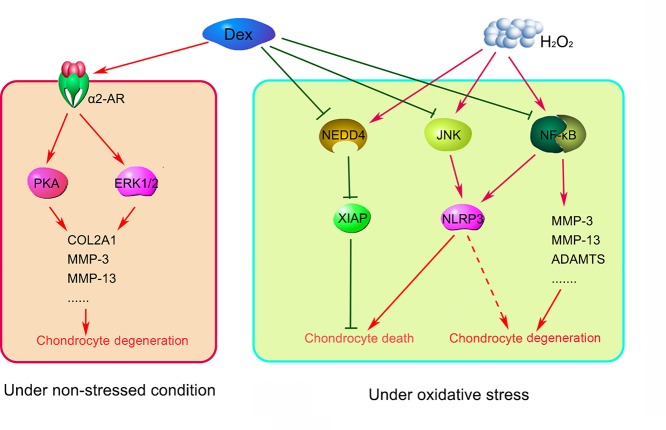
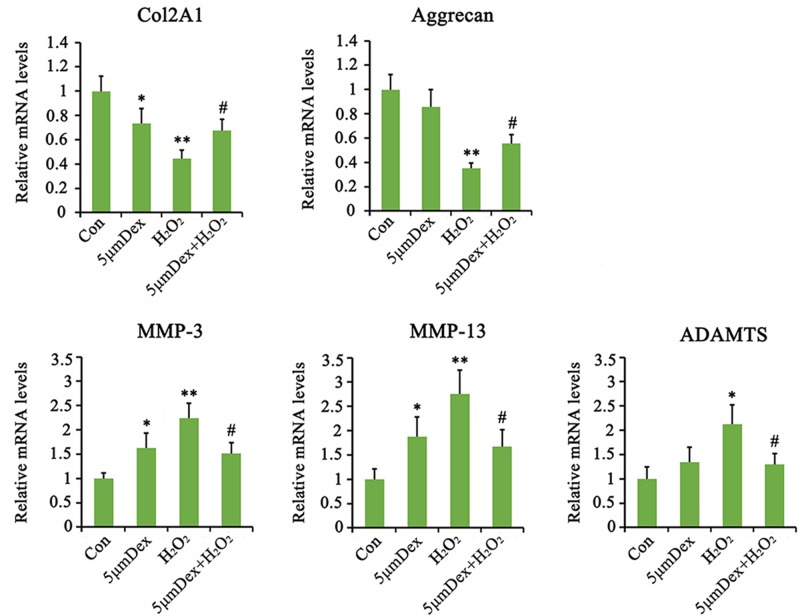
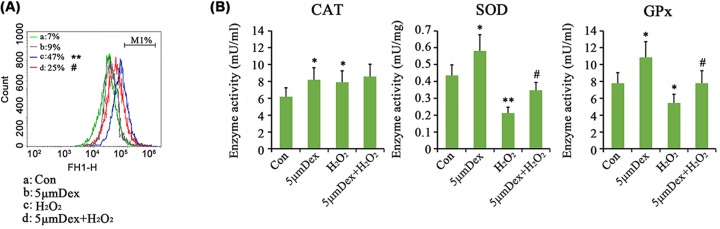
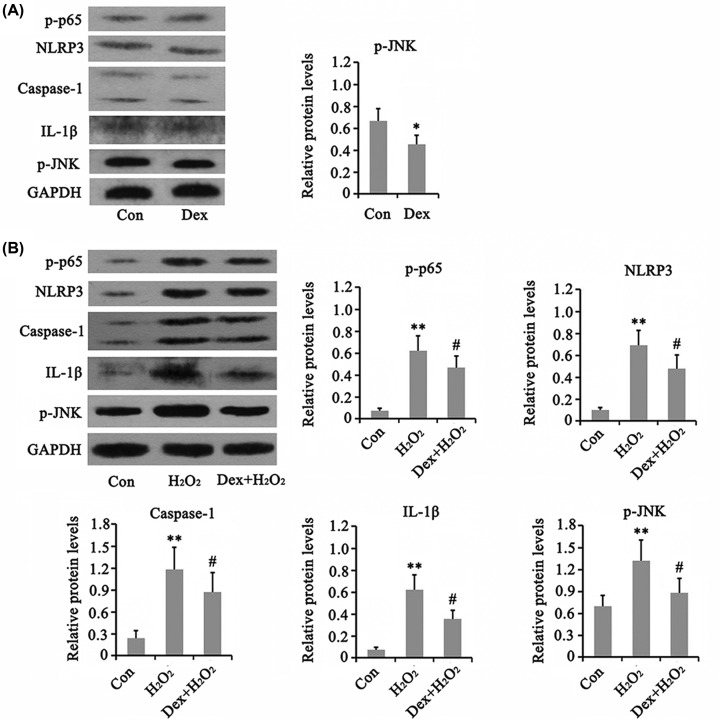
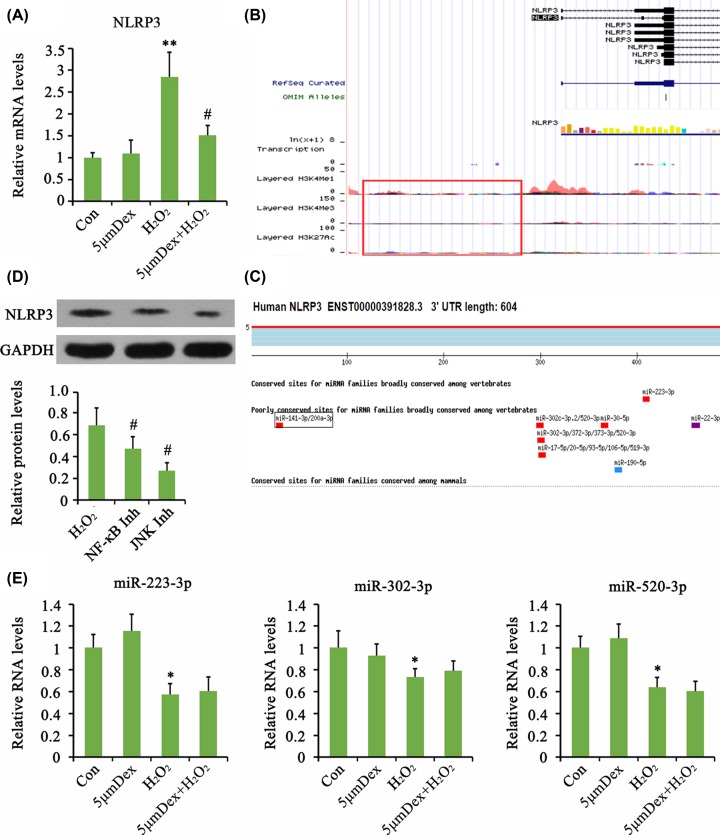
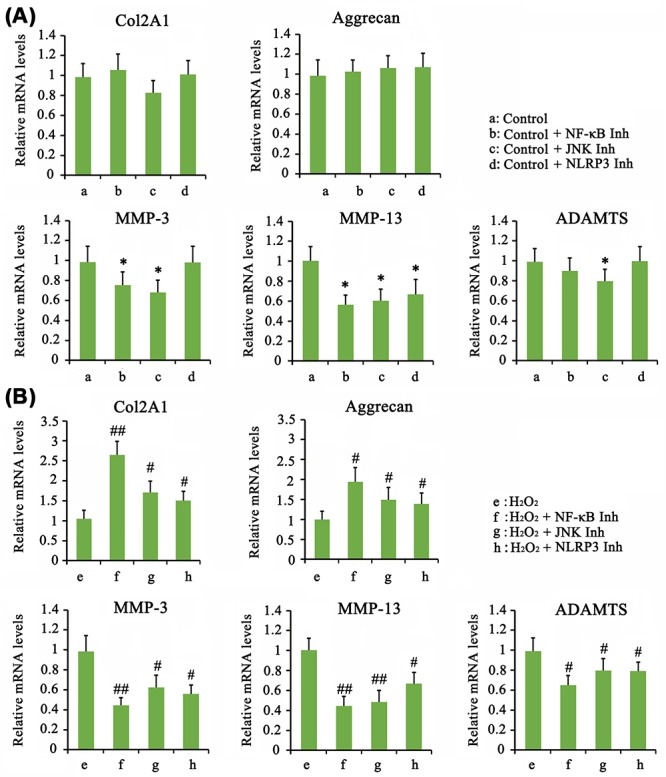
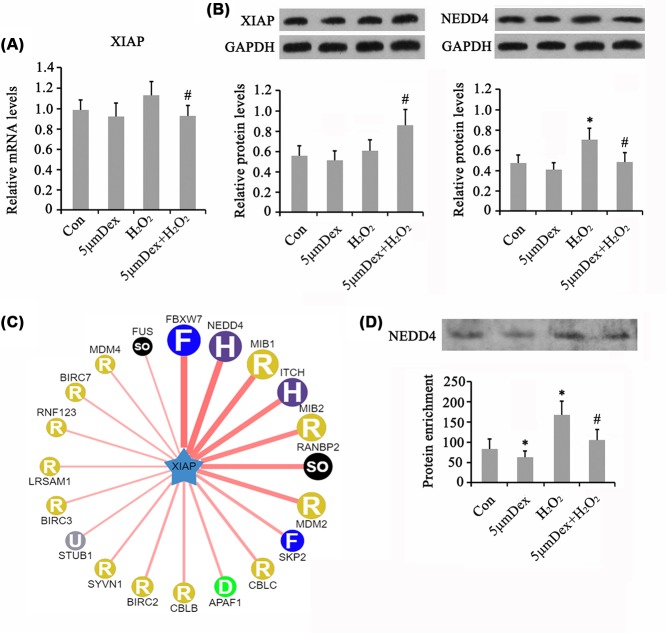
Dexmedetomidine (Dex) is an anesthetic widely used in lumbar discectomy, but its effect on chondrocytes remains unclear. Dex is speculated to promote cartilage degeneration by activating α-2 adrenergic receptor. However, the antioxidative and anti-inflammatory effects of Dex implied the potential chondrocyte protective effect under stress conditions. The present study aimed to determine the effect of Dex on chondrocytes under non-stress and stress conditions. Chondrocytes were isolated from human annulus fibrosus (AF) tissues and oxidative stress was induced by treatment with 1 mM hydrogen peroxide (HO). Chondrocytes were treated with Dex alone or in combination with HO Treatment with Dex alone decreased mRNA expression of and increased that of and , thus contributing to cartilage degeneration. However, Dex prevented HO-induced death and degeneration of chondrocytes partly by enhancing antioxidant capacity. Mechanistically, Dex attenuated HO-mediated activation of NF-κB and NACHT, LRR, and PYD domains-containing protein 3 (NLRP3), both of which play key roles in inflammation and inflammatory damage. Dex inactivated NLRP3 through the suppression of NF-κB and JNK signals. Co-treatment with Dex and HO increased protein level of XIAP (X-linked inhibitor-of-apoptosis, an anti-apoptosis protein), compared with HO treatment alone. HO treatment increased the expression of neural precursor cell expressed developmentally down-regulated protein 4 (NEDD4) that is a ubiquitin ligase targeting XIAP. However, Dex decreased the amount of NEDD4 adhering to XIAP, thus protecting XIAP protein from NEDD4-mediated ubiquitination and degradation. Given that surgery inevitably causes oxidative stress and inflammation, the protective effect of Dex on chondrocytes during oxidative stress is noteworthy and warrants further study.
右美托咪定(Dex)广泛用于腰椎间盘切除术的麻醉,但它对软骨细胞的作用尚不清楚。Dex 通过激活α-2 肾上腺素能受体被推测可促进软骨退化。然而,Dex 的抗氧化和抗炎作用暗示了其在应激条件下对软骨细胞的潜在保护作用。本研究旨在确定 Dex 在非应激和应激条件下对软骨细胞的影响。从人纤维环(AF)组织中分离软骨细胞,并通过用 1mM 过氧化氢(HO)处理诱导氧化应激。单独用 Dex 或 Dex 与 HO 联合处理,单独用 Dex 处理会降低 和 的 mRNA 表达,增加 和 的表达,从而促进软骨退化。然而,Dex 通过增强抗氧化能力部分预防了 HO 诱导的软骨细胞死亡和退化。在机制上,Dex 通过抑制 NF-κB 和 NACHT、LRR 和富含 PYD 结构域的蛋白 3(NLRP3)的激活来减轻 HO 介导的激活,这两者在炎症和炎症损伤中都起着关键作用。Dex 通过抑制 NF-κB 和 JNK 信号使 NLRP3 失活。与单独用 HO 处理相比,Dex 与 HO 共同处理增加了 X 连锁凋亡抑制剂(XIAP,一种抗凋亡蛋白)的蛋白水平。HO 处理增加了神经前体细胞表达发育下调蛋白 4(NEDD4)的表达,NEDD4 是一种靶向 XIAP 的泛素连接酶。然而,Dex 减少了与 XIAP 结合的 NEDD4 量,从而保护 XIAP 蛋白免受 NEDD4 介导的泛素化和降解。由于手术不可避免地会引起氧化应激和炎症,因此 Dex 在氧化应激期间对软骨细胞的保护作用值得关注,并需要进一步研究。