pharmazentrum Frankfurt/ZAFES, Institute of Pharmacology and Toxicology, Hospital of the Goethe University, Frankfurt am Main, Germany.
Project Group Translational Medicine and Pharmacology TMP, Fraunhofer Institute for Molecular Biology and Applied Ecology IME, Frankfurt am Main, Germany.
Front Immunol. 2019 Jul 24;10:1698. doi: 10.3389/fimmu.2019.01698. eCollection 2019.
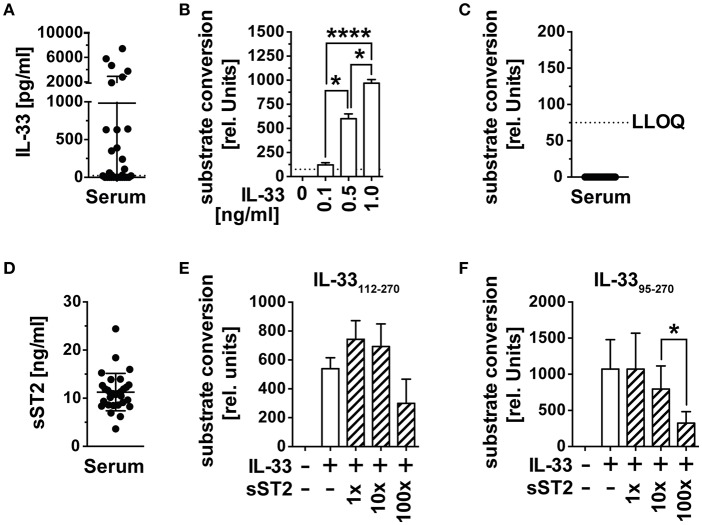
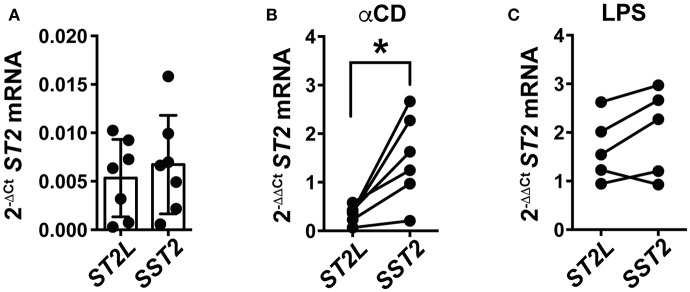
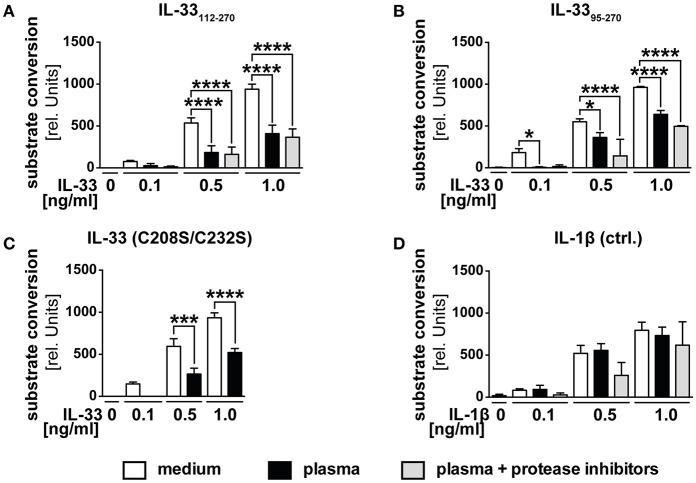
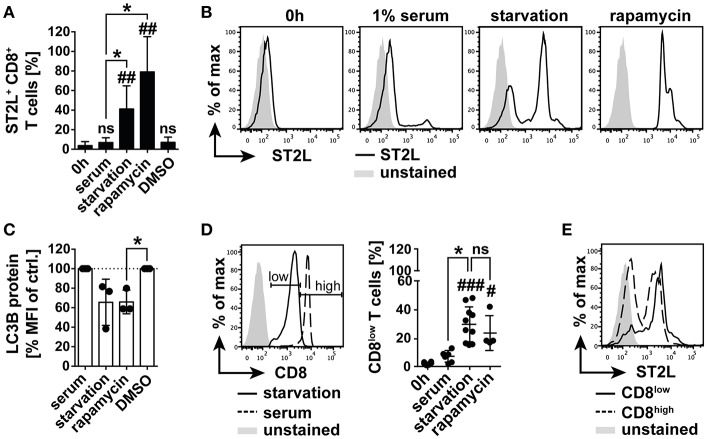
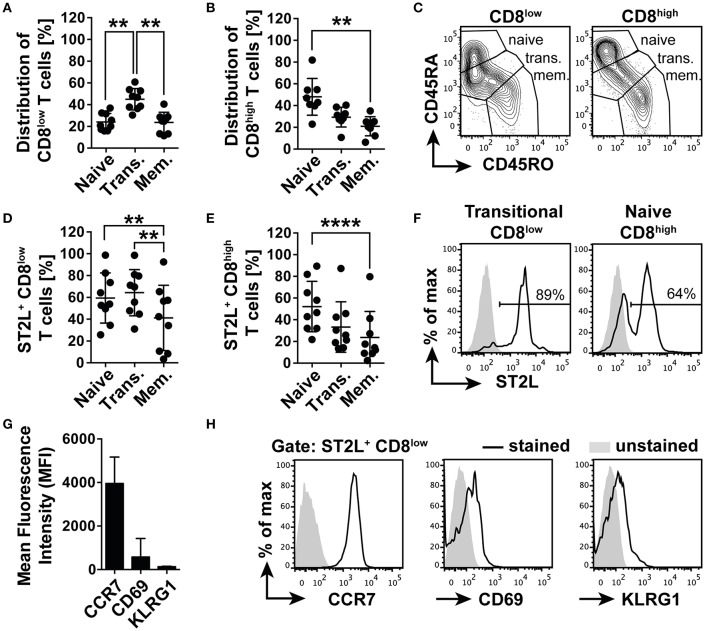
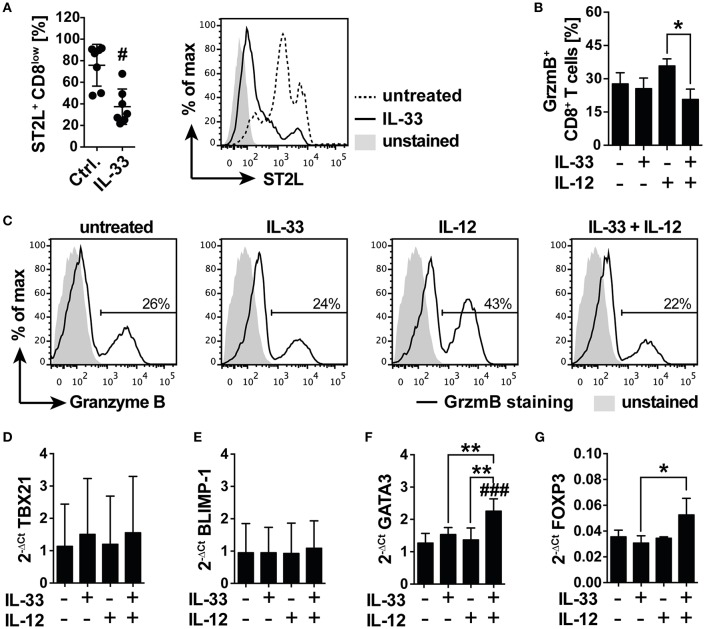
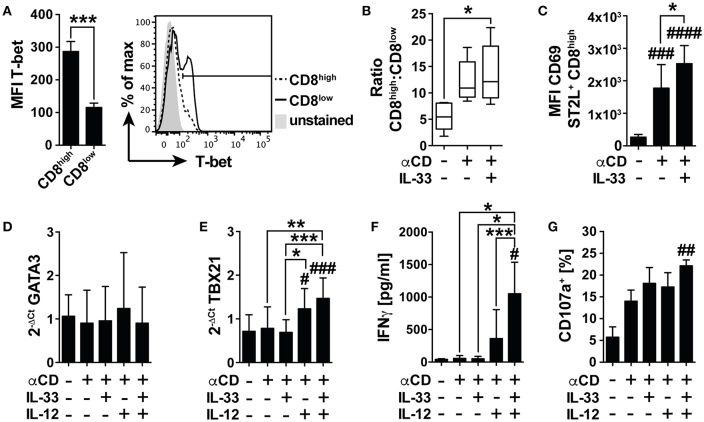
IL-1 family member IL-33 exerts a variety of immune activating and regulating properties and has recently been proposed as a prognostic biomarker for cancer diseases, although its precise role in tumor immunity is unclear. Here we analyzed conditions influencing the function of IL-33 as an alarmin and a co-factor for the activity of cytotoxic CD8 T cells in order to explain the widely discussed promiscuous behavior of IL-33 . Circulating IL-33 detected in the serum of healthy human volunteers was biologically inactive. Additionally, bioactivity of exogenous recombinant IL-33 was significantly reduced in plasma, suggesting local effects of IL-33, and inactivation in blood. Limited availability of nutrients in tissue causes necrosis and thus favors release of IL-33, which-as described before-leads to a locally high expression of the cytokine. The harsh conditions however influence T cell fitness and their responsiveness to stimuli. Nutrient deprivation and pharmacological inhibition of mTOR mediated a distinctive phenotype characterized by expression of IL-33 receptor ST2L on isolated CD8 T cells, downregulation of CD8, a transitional CD45RARO phenotype and high expression of secondary lymphoid organ chemokine receptor CCR7. Under nutrient deprivation, IL-33 inhibited an IL-12 induced increase in granzyme B protein expression and increased expression of and mRNA. IL-33 enhanced the TCR-dependent activation of CD8 T cells and co-stimulated the IL-12/TCR-dependent expression of IFNγ. Respectively, and mRNA were not regulated during TCR-dependent activation. TCR-dependent stimulation of PBMC, but not LPS, initiated mRNA expression of soluble IL-33 decoy receptor sST2, a control mechanism limiting IL-33 bioactivity to avoid uncontrolled inflammation. Our findings contribute to the understanding of the compartment-specific activity of IL-33. Furthermore, we newly describe conditions, which promote an IL-33-dependent induction of pro- or anti-inflammatory activity in CD8 T cells during nutrient deprivation.
白细胞介素-1 家族成员白细胞介素-33 发挥多种免疫激活和调节作用,最近被提议作为癌症疾病的预后生物标志物,尽管其在肿瘤免疫中的确切作用尚不清楚。在这里,我们分析了影响白细胞介素-33 作为警报素和细胞毒性 CD8 T 细胞活性辅助因子功能的条件,以解释白细胞介素-33 广泛讨论的混杂行为。在健康人类志愿者血清中检测到的循环白细胞介素-33 没有生物学活性。此外,外源性重组白细胞介素-33 的生物活性在血浆中显著降低,表明白细胞介素-33 具有局部作用,并在血液中失活。组织中有限的营养物质可用性导致坏死,从而有利于白细胞介素-33 的释放,如前所述,这导致细胞因子的局部高表达。恶劣的条件会影响 T 细胞的适应性及其对刺激的反应。营养物质的缺乏和 mTOR 介导的药理学抑制导致一个独特的表型,其特征是分离的 CD8 T 细胞上表达白细胞介素-33 受体 ST2L、下调 CD8、过渡性 CD45RARO 表型和高表达次级淋巴器官趋化因子受体 CCR7。在营养物质缺乏的情况下,白细胞介素-33 抑制了白细胞介素-12 诱导的颗粒酶 B 蛋白表达的增加,并增加了 和 mRNA 的表达。白细胞介素-33 增强了 TCR 依赖性的 CD8 T 细胞激活,并协同刺激了白细胞介素-12/TCR 依赖性的 IFNγ表达。分别地,在 TCR 依赖性激活过程中, 和 mRNA 不受调节。TCR 依赖性刺激 PBMC,但不是 LPS,启动可溶性白细胞介素-33 诱饵受体 sST2 的 mRNA 表达,这是一种控制机制,将白细胞介素-33 的生物活性限制在避免不受控制的炎症范围内。我们的研究结果有助于理解白细胞介素-33 的特定部位活性。此外,我们新描述了在营养物质缺乏的情况下促进 CD8 T 细胞中白细胞介素-33 依赖性诱导促炎或抗炎活性的条件。