Fernandes Jolyn, Chandler Joshua D, Lili Loukia N, Uppal Karan, Hu Xin, Hao Li, Go Young-Mi, Jones Dean P
Division of Pulmonary, Allergy, Critical Care and Sleep Medicine, Department of Medicine, Emory University, Atlanta, GA, United States.
Front Genet. 2019 Jul 24;10:676. doi: 10.3389/fgene.2019.00676. eCollection 2019.
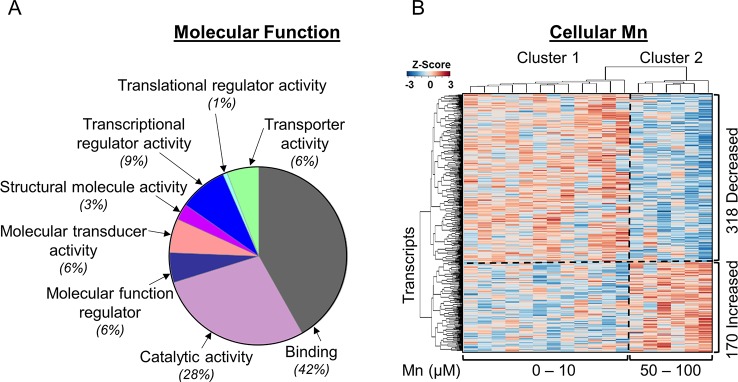
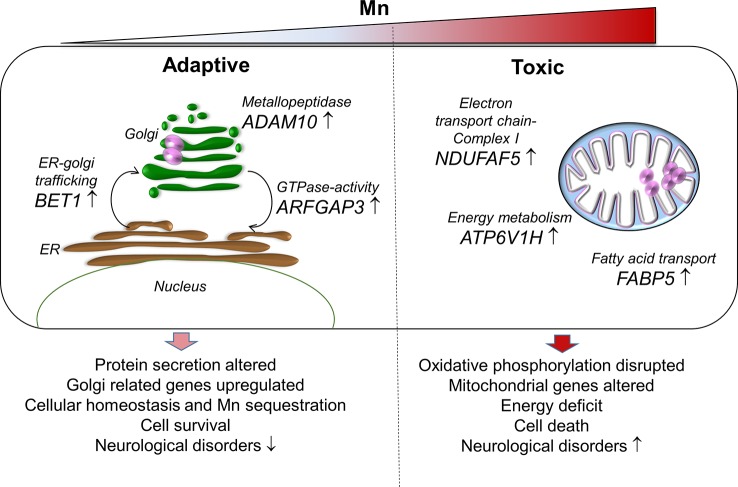
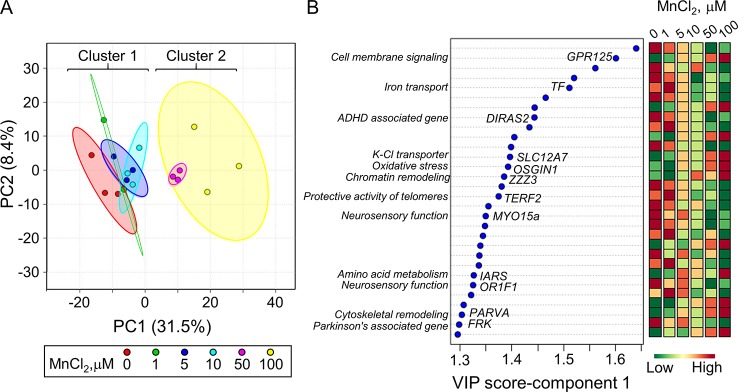
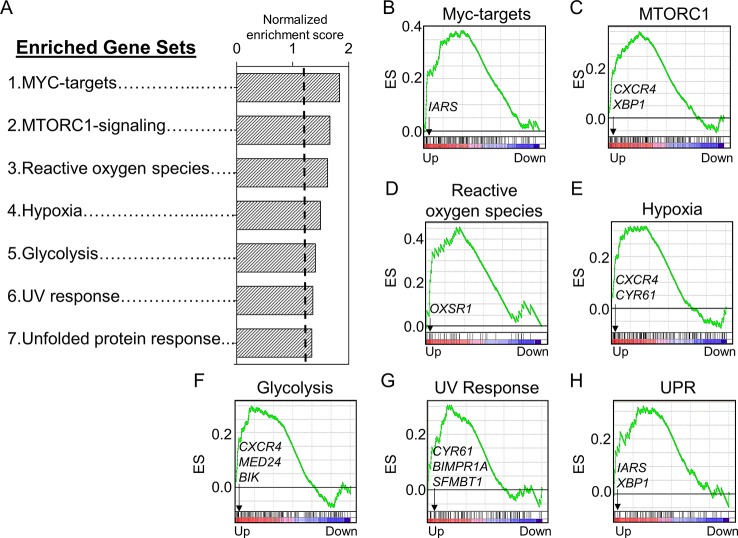
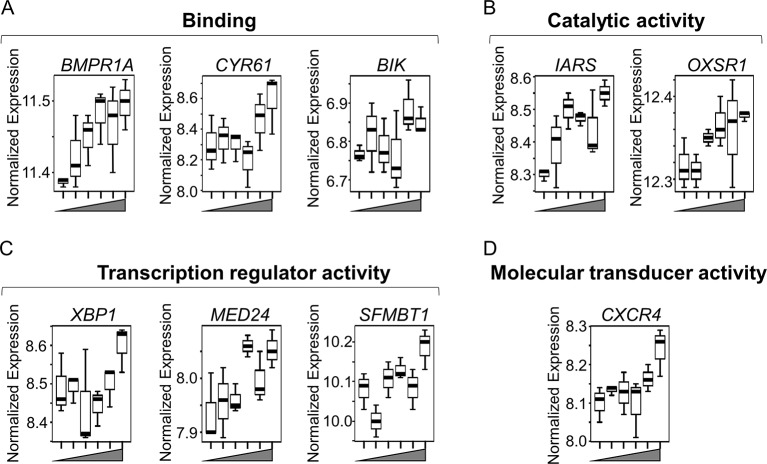
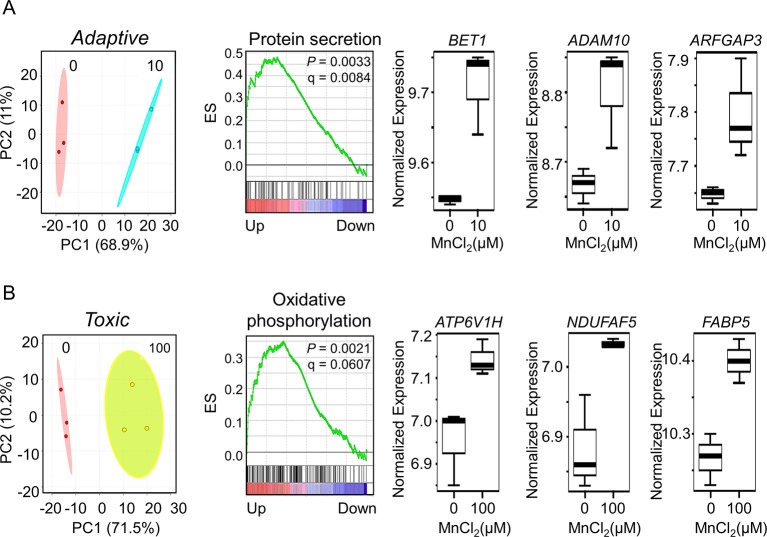
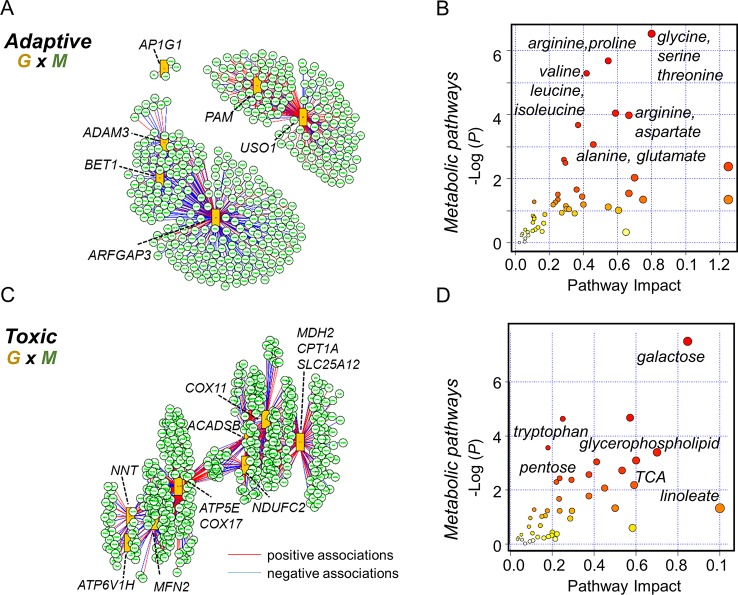
Manganese (Mn) is an essential trace element, which also causes neurotoxicity in exposed occupational workers. Mn causes mitochondrial toxicity; however, little is known about transcriptional responses discriminated by physiological and toxicological levels of Mn. Identification of such mechanisms could provide means to evaluate risk of Mn toxicity and also potential avenues to protect against adverse effects. To study the Mn dose-response effects on transcription, analyzed by RNA-Seq, we used human SH-SY5Y neuroblastoma cells exposed for 5 h to Mn (0 to 100 μM), a time point where no immediate cell death occurred at any of the doses. Results showed widespread effects on abundance of protein-coding genes for metabolism of reactive oxygen species, energy sensing, glycolysis, and protein homeostasis including the unfolded protein response and transcriptional regulation. Exposure to a concentration (10 μM Mn for 5 h) that did not result in cell death after 24-h increased abundance of differentially expressed genes (DEGs) in the protein secretion pathway that function in protein trafficking and cellular homeostasis. These include (Golgi vesicular membrane-trafficking protein), (ADAM metallopeptidase domain 10), and (ADP-ribosylation factor GTPase-activating protein 3). In contrast, 5-h exposure to 100 μM Mn, a concentration that caused cell death after 24 h, increased abundance of DEGs for components of the mitochondrial oxidative phosphorylation pathway. Integrated pathway analysis results showed that protein secretion gene set was associated with amino acid metabolites in response to 10 μM Mn, while oxidative phosphorylation gene set was associated with energy, lipid, and neurotransmitter metabolites at 100 μM Mn. These results show that differential effects of Mn occur at a concentration which does not cause subsequent cell death compared to a concentration that causes subsequent cell death. If these responses translate to effects on the secretory pathway and mitochondrial functions , differential activities of these systems could provide a sensitive basis to discriminate sub-toxic and toxic environmental and occupational Mn exposures.
锰(Mn)是一种必需的微量元素,但在接触它的职业工人中也会导致神经毒性。锰会引起线粒体毒性;然而,关于锰的生理和毒理学水平所区分的转录反应却知之甚少。确定此类机制可为评估锰毒性风险提供方法,也可为预防不良反应提供潜在途径。为了研究经RNA测序分析的锰对转录的剂量反应效应,我们使用了人源SH-SY5Y神经母细胞瘤细胞,使其暴露于锰(0至100μM)5小时,该时间点在任何剂量下均未发生即时细胞死亡。结果表明,锰对活性氧代谢、能量传感、糖酵解和蛋白质稳态(包括未折叠蛋白反应和转录调控)的蛋白质编码基因丰度具有广泛影响。暴露于24小时后未导致细胞死亡的浓度(10μM锰,5小时)会增加蛋白质分泌途径中差异表达基因(DEG)的丰度,这些基因在蛋白质运输和细胞稳态中发挥作用。这些基因包括(高尔基体囊泡膜运输蛋白)、(ADAM金属肽酶结构域10)和(ADP核糖基化因子GTP酶激活蛋白3)。相比之下,暴露于100μM锰5小时(该浓度在24小时后导致细胞死亡)会增加线粒体氧化磷酸化途径成分的DEG丰度。综合通路分析结果表明,蛋白质分泌基因集与10μM锰反应中的氨基酸代谢物相关,而氧化磷酸化基因集与100μM锰时的能量、脂质和神经递质代谢物相关。这些结果表明,与导致后续细胞死亡的浓度相比,锰在不引起后续细胞死亡的浓度下会产生不同的效应。如果这些反应转化为对分泌途径和线粒体功能的影响,这些系统的不同活性可为区分亚毒性和毒性环境及职业性锰暴露提供敏感依据。