Division of Pulmonology, University Hospital Zurich, Rämistrasse 100, CH-8091 Zurich, Switzerland.
Clinic of Immunology, University Hospital Zurich, Gloriastrasse 23, CH-8091 Zurich, Switzerland.
Cytokine. 2020 Jan;125:154794. doi: 10.1016/j.cyto.2019.154794. Epub 2019 Aug 7.
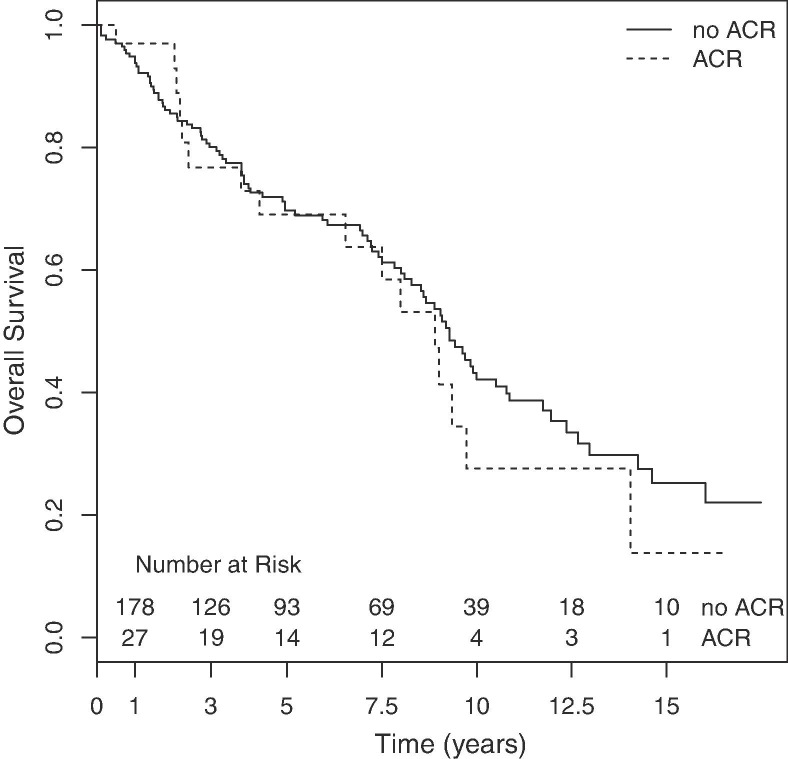
Early diagnosis and treatment of acute cellular rejection (ACR) may improve long-term outcome for lung transplant recipients (LTRs). Cytokines have become valuable diagnostic tools in many medical fields. The role of bronchoalveolar lavage (BAL) cytokines is of unknown value to diagnose ACR and distinguish rejection from infection. We hypothesized that distinct cytokine patterns obtained by surveillance bronchoscopies during the first year after transplantation are associated with ACR and microbiologic findings. We retrospectively analyzed data from 319 patients undergoing lung transplantation at University Hospital Zurich from 1998 to 2016. We compared levels of IL-6, IL-8, IFN-γ and TNF-α in 747 BAL samples with transbronchial biopsies (TBB) and microbiologic results from surveillance bronchoscopies. We aimed to define reference values that would allow distinction between four specific groups "ACR", "infection", "combined ACR and infection" and "no pathologic process". No definitive pattern was identified. Given the overlap between groups, these four cytokines are not suitable diagnostic markers for ACR or infection after lung transplantation.
早期诊断和治疗急性细胞排斥(ACR)可能改善肺移植受者(LTR)的长期预后。细胞因子已成为许多医学领域有价值的诊断工具。支气管肺泡灌洗(BAL)细胞因子在诊断 ACR 以及区分排斥反应与感染方面的作用尚不清楚。我们假设,在移植后第一年的监测性支气管镜检查中获得的不同细胞因子模式与 ACR 和微生物学发现有关。我们回顾性分析了 1998 年至 2016 年在苏黎世大学医院进行肺移植的 319 例患者的数据。我们比较了 747 例 BAL 样本与经支气管活检(TBB)以及监测性支气管镜检查的微生物学结果中 IL-6、IL-8、IFN-γ 和 TNF-α的水平。我们旨在确定参考值,以便区分“ACR”、“感染”、“ACR 和感染合并”和“无病理过程”四个特定组。没有确定明确的模式。鉴于各组之间存在重叠,这四种细胞因子不适合作为肺移植后 ACR 或感染的诊断标志物。