He Zaoke, Wang Shixiang, Shao Yuanyuan, Zhang Jing, Wu Xiaolin, Chen Yuxing, Hu Junhao, Zhang Feng, Liu Xue-Song
School of Life Science and Technology, ShanghaiTech University, Shanghai 201203, China; Shanghai Institute of Biochemistry and Cell Biology, Chinese Academy of Sciences, Shanghai, China; University of Chinese Academy of Sciences, Beijing, China.
School of Life Science and Technology, ShanghaiTech University, Shanghai 201203, China.
iScience. 2019 Sep 27;19:256-266. doi: 10.1016/j.isci.2019.07.036. Epub 2019 Jul 26.
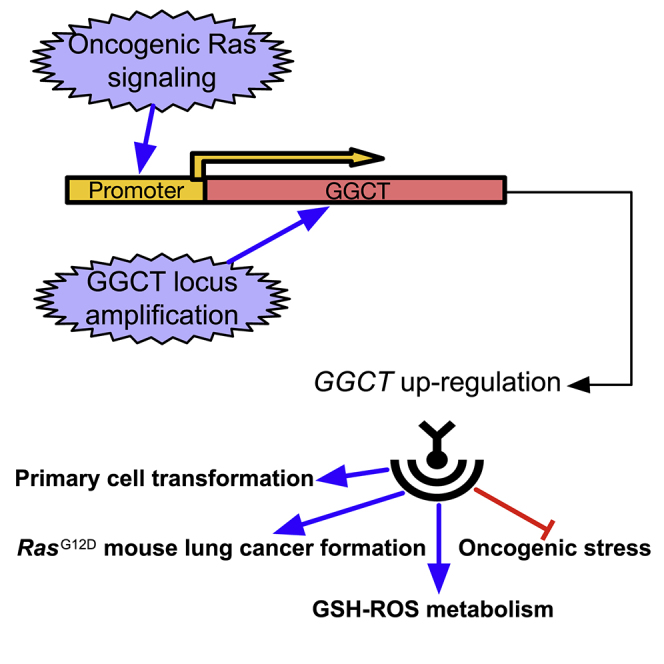
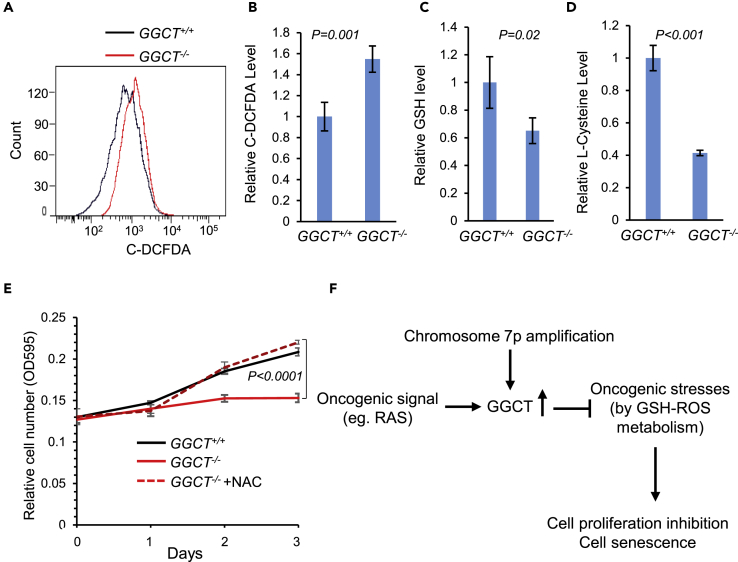
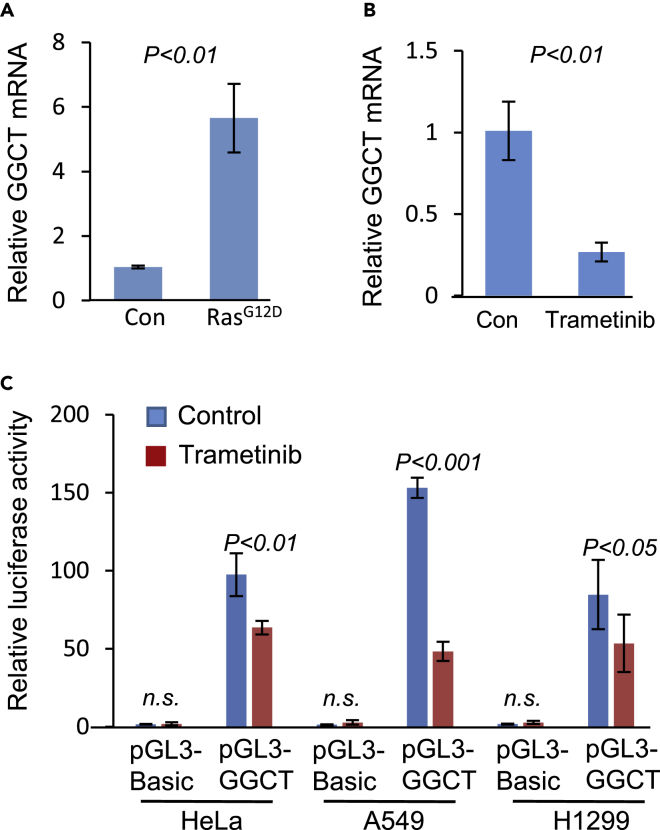
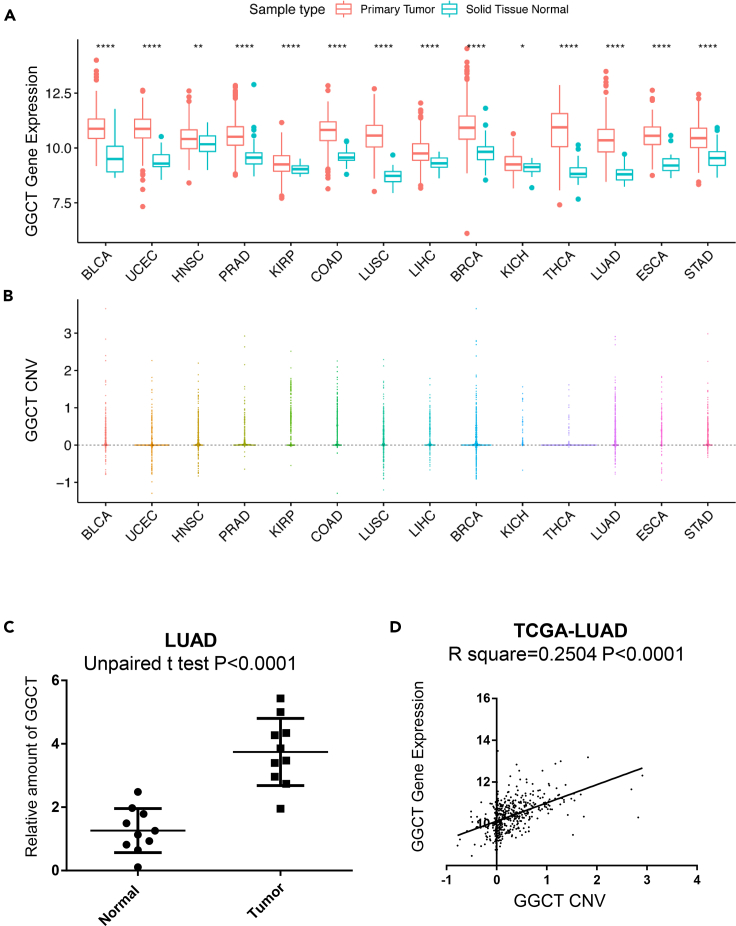
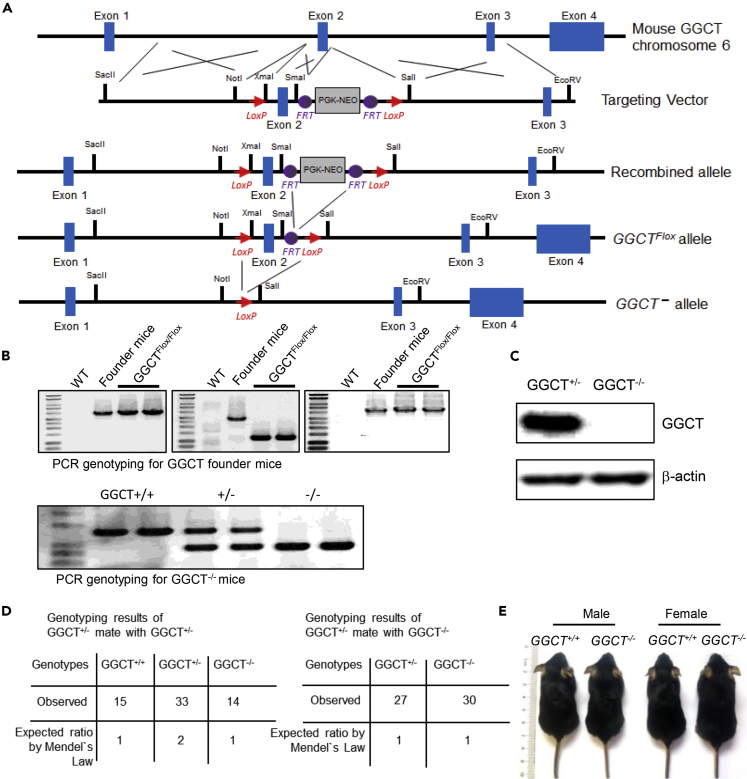
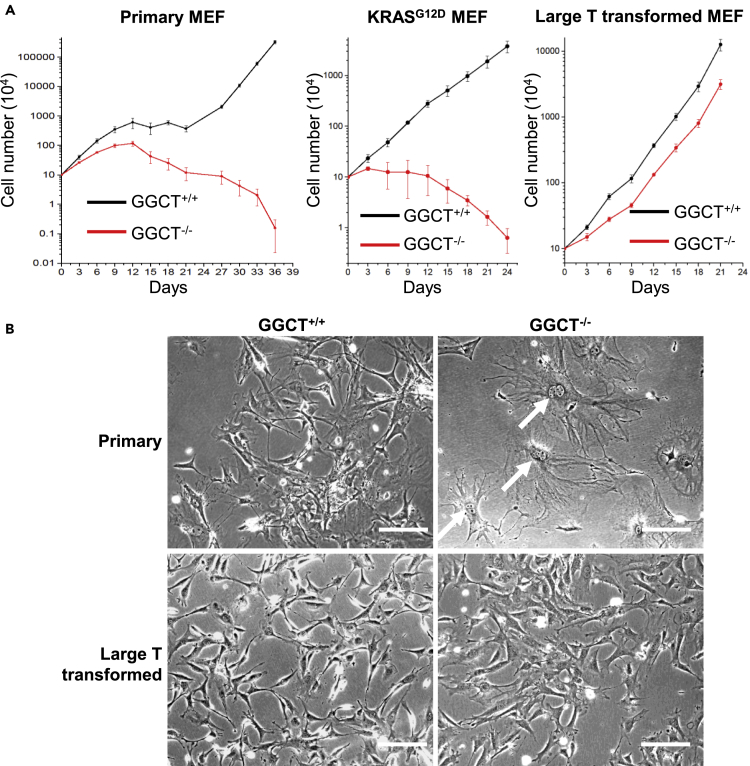
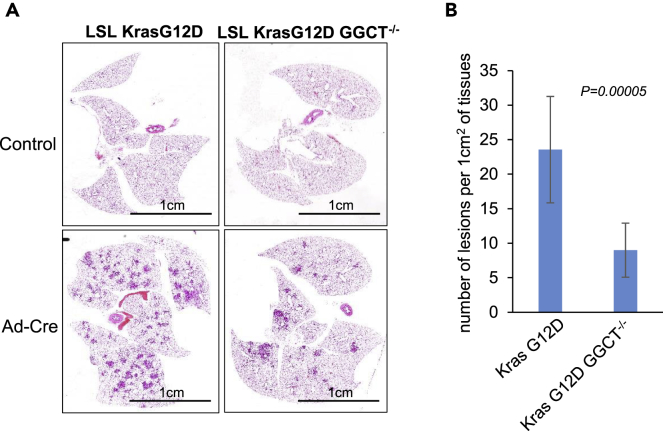
How cells adapt to oncogenic transformation-associated cellular stress and become fully transformed is still unknown. Here we identified a novel GGCT-regulated glutathione (GSH)-reactive oxygen species (ROS) metabolic pathway in oncogenic stress alleviation. We identified GGCT as a target of oncogenic Ras and that it is required for oncogenic Ras-induced primary mouse cell proliferation and transformation and in vivo lung cancer formation in the LSL-Kras G12D mouse model. However, GGCT deficiency is compatible with normal mouse development, suggesting that GGCT can be a cancer-specific therapeutic target. Genetically amplified GGCT locus further supports the oncogenic driving function of GGCT. In summary, our study not only identifies an oncogenic function of GGCT but also identifies a novel regulator of GSH metabolism, with implications for further understanding of oncogenic stress and cancer treatment.
细胞如何适应致癌转化相关的细胞应激并实现完全转化仍是未知的。在此,我们在致癌应激缓解过程中鉴定出一条由GGCT调节的谷胱甘肽(GSH)-活性氧(ROS)代谢新途径。我们确定GGCT是致癌性Ras的一个靶点,并且它是致癌性Ras诱导的原代小鼠细胞增殖和转化以及LSL-Kras G12D小鼠模型中体内肺癌形成所必需的。然而,GGCT缺陷与正常小鼠发育兼容,这表明GGCT可以成为癌症特异性治疗靶点。基因扩增的GGCT基因座进一步支持了GGCT的致癌驱动功能。总之,我们的研究不仅鉴定出GGCT的致癌功能,还鉴定出一种GSH代谢的新型调节因子,这对于进一步理解致癌应激和癌症治疗具有重要意义。