Liang Chaojie, Zhang Yongping, Zhang Yu, Li Ruihuan, Wang Zhimin, Wei Zhigang, Guo Jiansheng
Department of General Surgery, First Hospital/First Clinical College of Shanxi Medical University, Taiyuan, Shanxi 030001, People's Republic of China.
Onco Targets Ther. 2019 Jul 19;12:5861-5885. doi: 10.2147/OTT.S205853. eCollection 2019.
This study aimed to clarify the prognostic role of LINC01296 in various cancers, and to evaluate its effect on proliferation, metastasis, and the cell cycle in hepatocellular carcinoma (HCC) by data mining, bioinformatics, and in vitro validation.
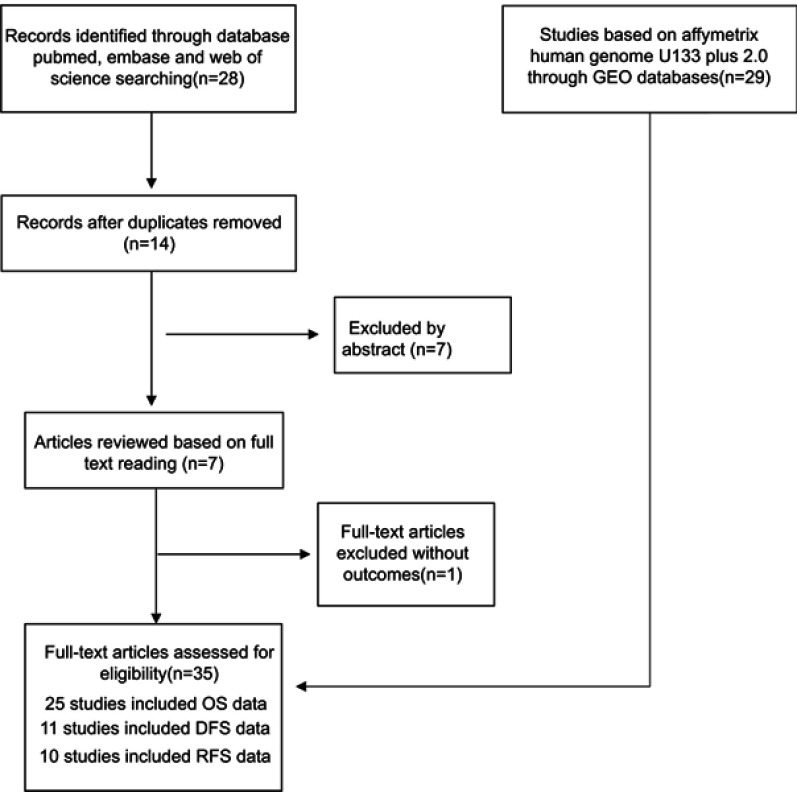
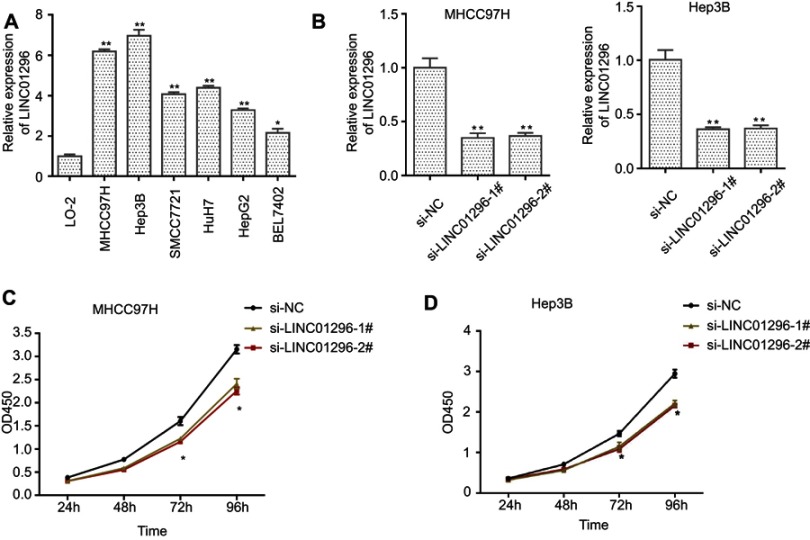
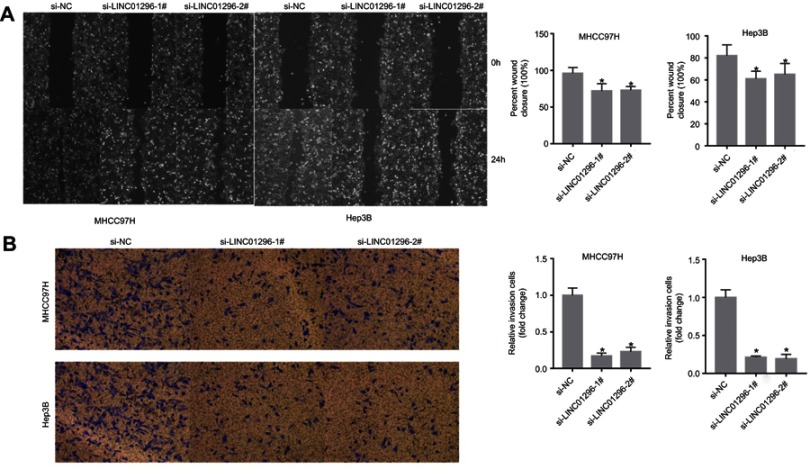
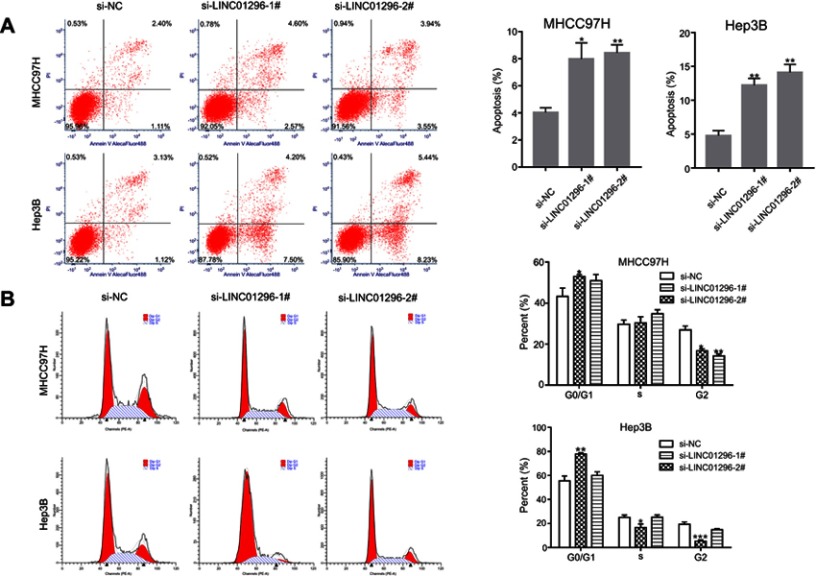
The prognostic role of LINC01296 in cancer patients was assessed by searching the PubMed, Embase, Web of Science, and Gene Expression Omnibus databases and calculating pooled hazard ratios (HRs) with 95% confidence intervals (CIs); this prognostic role was also evaluated using The Cancer Genome Atlas (TCGA). We detected LINC01296 expression in HCC cell lines, and lentivirus-mediated small interfering RNAs were used to silence LINC01296 in MHCC97H and Hep3B cells to explore the role of LINC01296 in cell proliferation, metastasis, and cell cycle progression with in vitro validation and bioinformatics.
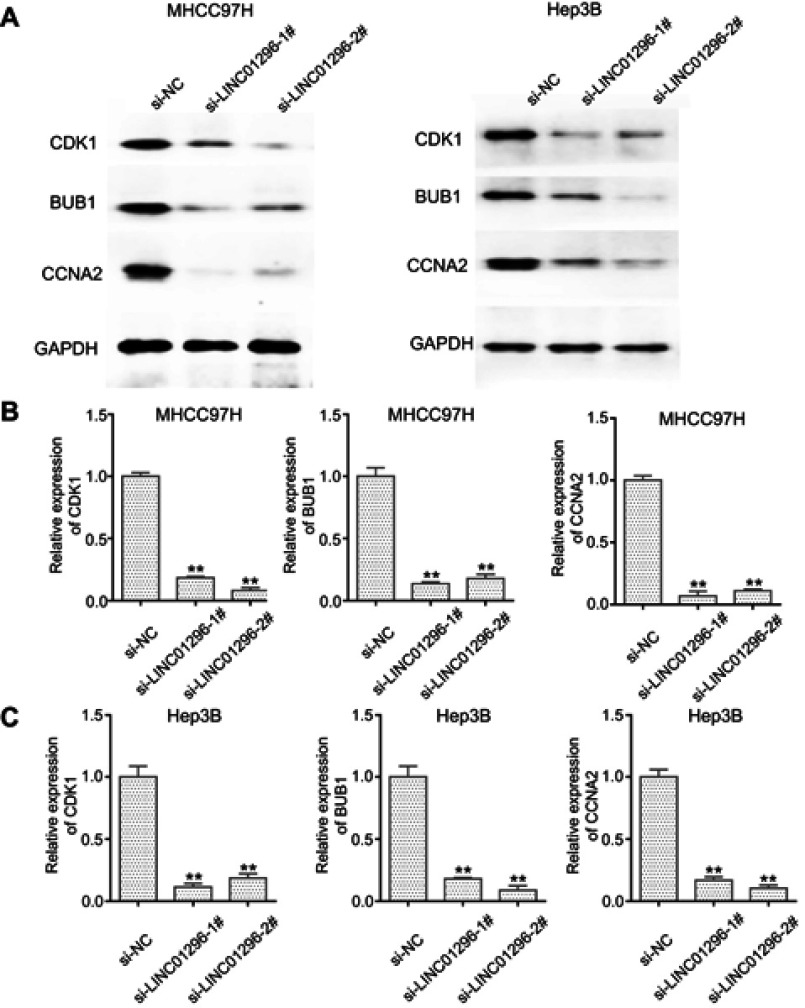
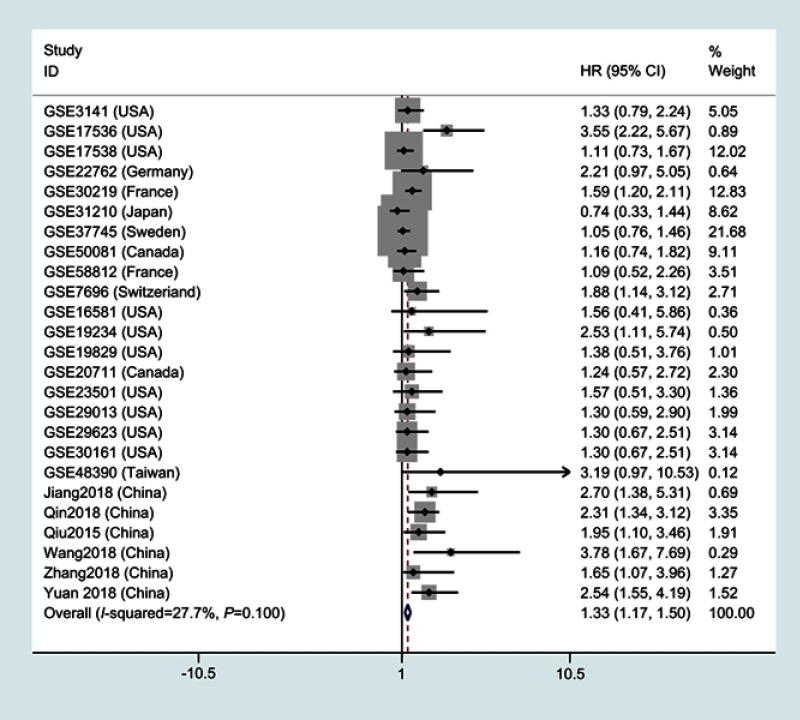
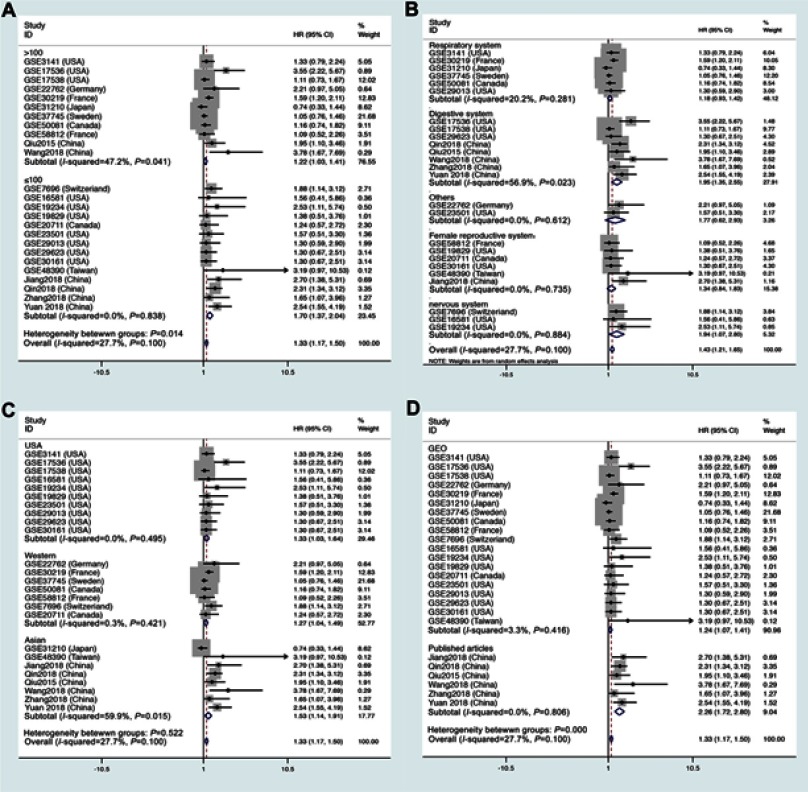
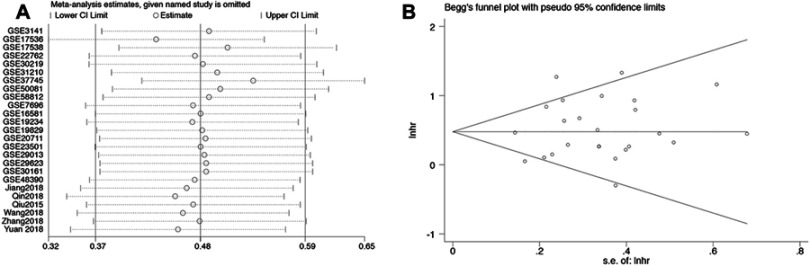
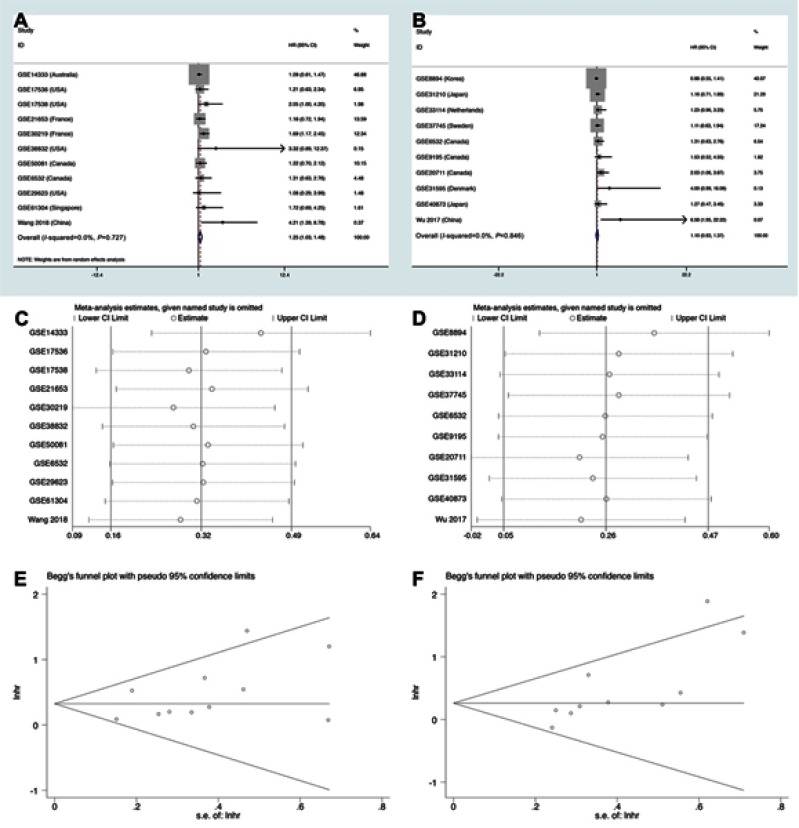
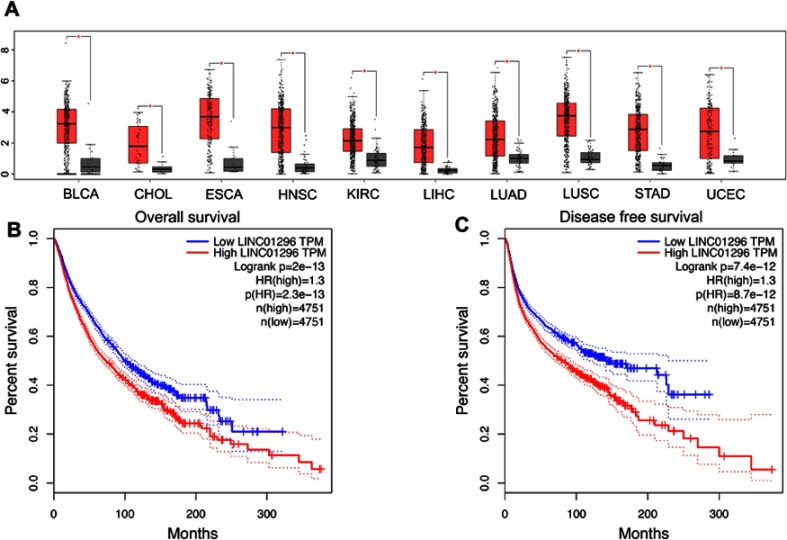
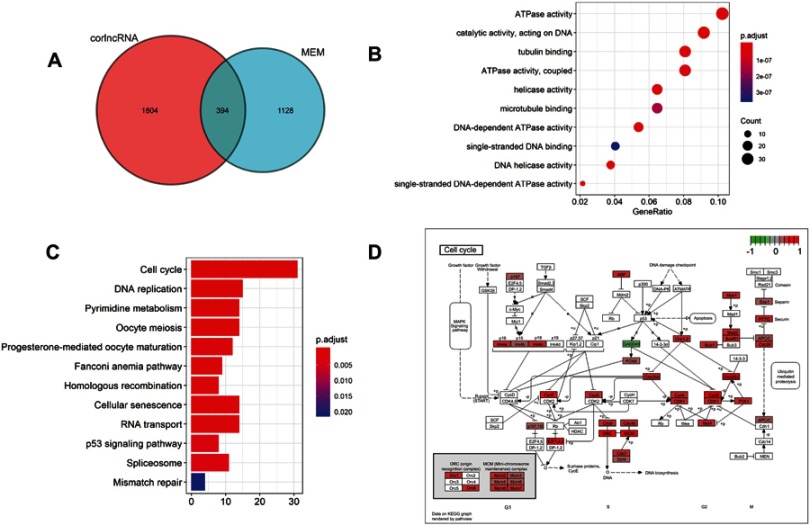
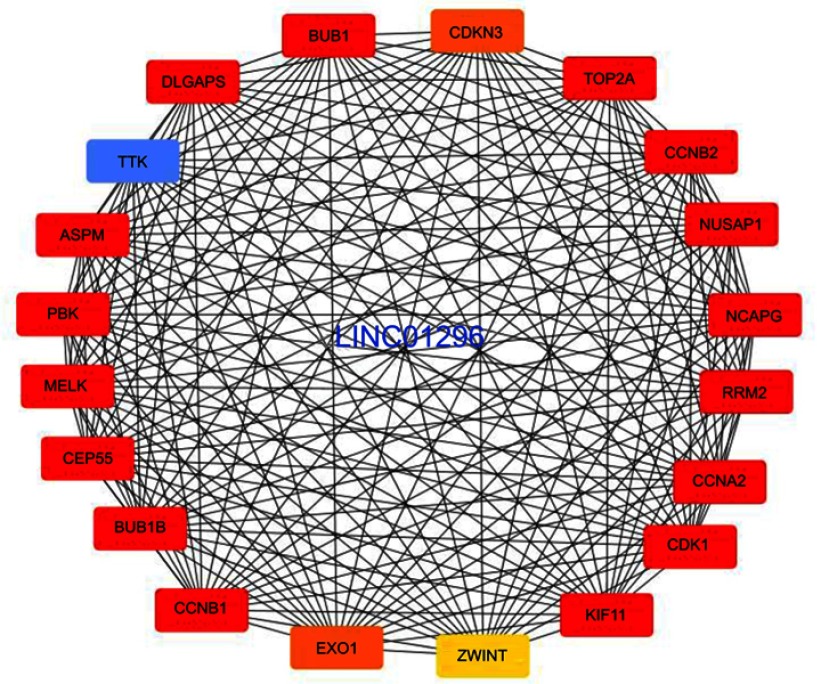
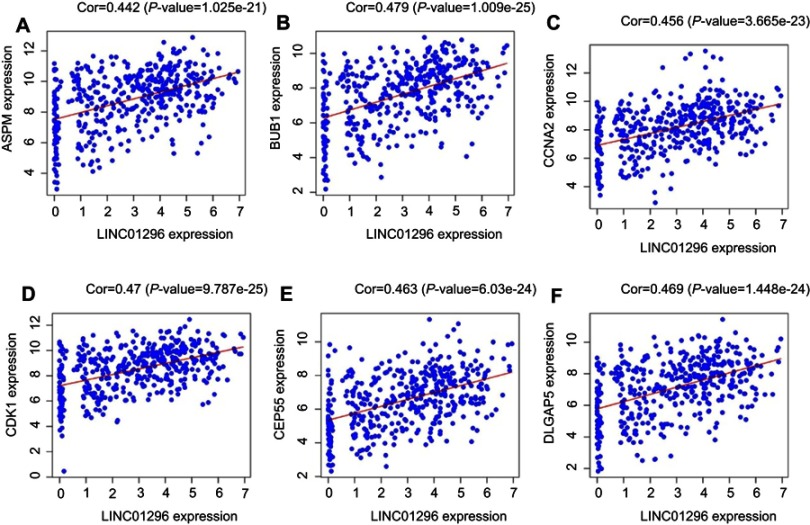
The results indicated that LINC01296 overexpression was associated with poor overall survival (OS) and disease-free survival (DFS) in various cancers; however, LINC01296 expression was not associated with recurrence-free survival (RFS). Similar results were found with TCGA, which showed that LINC01296 expression was associated with the pathologic stage, tumor size, and differentiation in Asian cancer patients. Additionally, bioinformatics analysis revealed expression of 394 related genes, which indicated that LINC01296 could be involved in the tumorigenesis and progression of HCC. In vitro gene silencing experiments indicated that LINC01296 downregulation repressed cell proliferation, cell cycle progression, and the metastatic potential of HCC through the regulation of BUB1, CCNA2, and CDK1 expression.
This study demonstrated that LINC01296 expression is related to poor OS and DFS in a variety of cancer types and that LINC01296 has an oncogenic role in HCC.
本研究旨在通过数据挖掘、生物信息学及体外验证,阐明LINC01296在多种癌症中的预后作用,并评估其对肝癌(HCC)增殖、转移及细胞周期的影响。
通过检索PubMed、Embase、Web of Science和基因表达综合数据库,评估LINC01296在癌症患者中的预后作用,并计算合并风险比(HR)及95%置信区间(CI);同时使用癌症基因组图谱(TCGA)评估该预后作用。我们检测了肝癌细胞系中LINC01296的表达,并使用慢病毒介导的小干扰RNA沉默MHCC97H和Hep3B细胞中的LINC01296,通过体外验证和生物信息学探索LINC01296在细胞增殖、转移及细胞周期进程中的作用。
结果表明,LINC01296过表达与多种癌症的总生存期(OS)和无病生存期(DFS)较差相关;然而,LINC01296表达与无复发生存期(RFS)无关。TCGA也得到了类似结果,表明LINC01296表达与亚洲癌症患者的病理分期、肿瘤大小及分化相关。此外,生物信息学分析揭示了394个相关基因的表达,表明LINC01296可能参与肝癌的发生和进展。体外基因沉默实验表明,LINC01296下调通过调节BUB1、CCNA2和CDK1的表达抑制肝癌细胞增殖、细胞周期进程及转移潜能。
本研究表明,LINC01296表达与多种癌症类型的OS和DFS较差相关,且LINC01296在肝癌中具有致癌作用。