Thomas Mathew, Robert Alex, Rajole Pavan, Robert Priya
Department of Breast Medical Oncology, Cleveland Clinic, Cleveland, USA.
Internal Medicine, Church of South India Holdsworth Memorial Hospital, Mysore, IND.
Cureus. 2019 Aug 5;11(8):e5323. doi: 10.7759/cureus.5323.
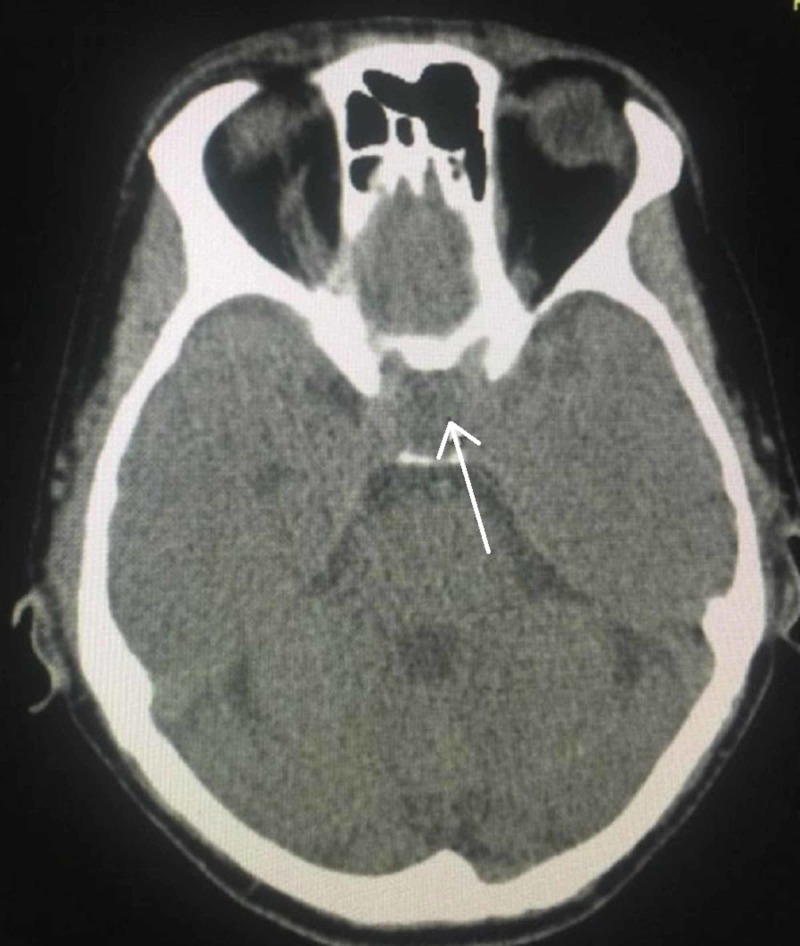
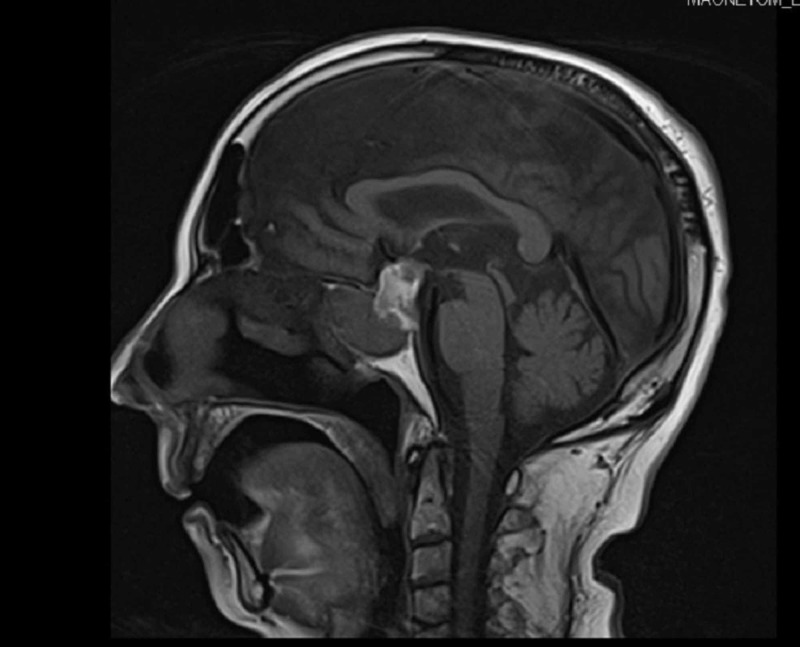
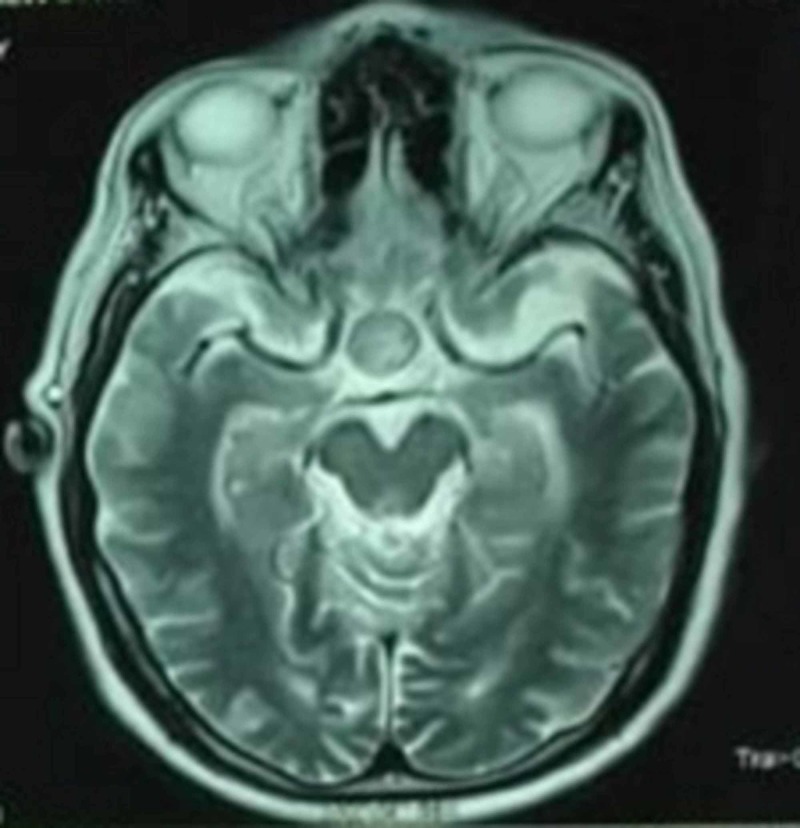
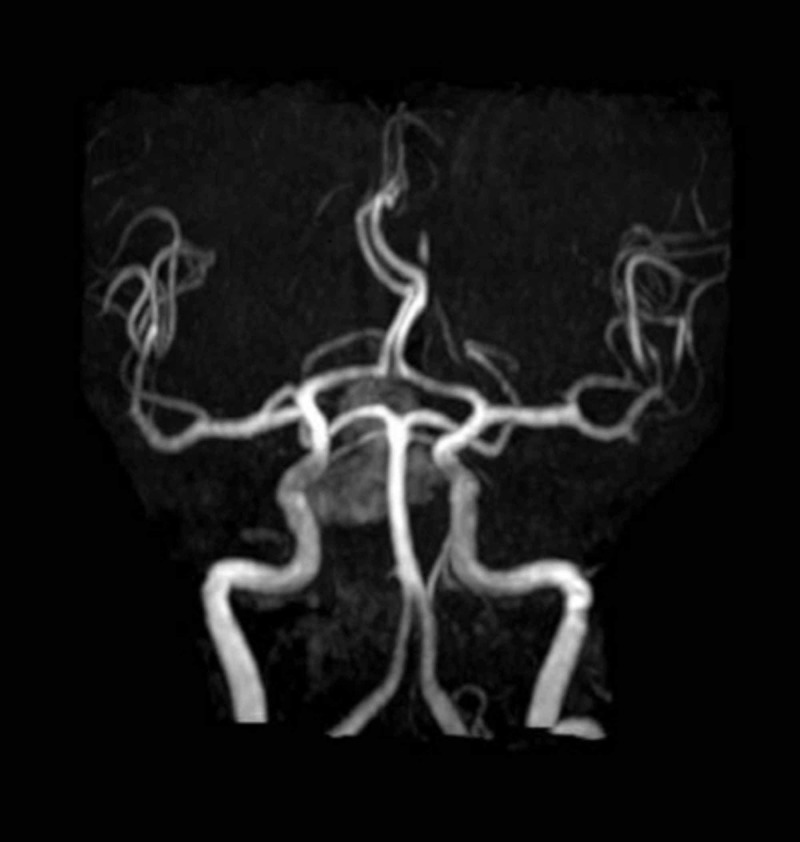
Pituitary apoplexy (PA) is an endocrine emergency resulting from hemorrhage or infarction within a pituitary tumor or non-tumorous pituitary gland. The most important predisposing factors for PA are cerebral angiographic procedures, systemic hypertension, surgeries, head injury, coagulopathies, and drugs. Thrombocytopenia is a risk factor for PA. Dengue fever causes thrombocytopenia and there are reported cases of dengue hemorrhagic fever predisposing to PA. But there are no reported cases of dengue fever per se predisposing to PA, and we report such a case in an 85-year-old elderly male who presented with features suggestive of a hypertensive emergency and, on evaluation, was found to have a pituitary incidentaloma and dengue fever. During the hospital course, he developed acute III nerve palsy and, when evaluated, was found to have PA. He responded well to medical management with steroids and thyroxine. Prompt initiation of treatment is of utmost importance in pituitary apoplexy, as it can result in adverse events, including loss of vision and even death from hemodynamic compromise.
垂体卒中(PA)是一种内分泌急症,由垂体肿瘤或非肿瘤性垂体腺内出血或梗死引起。PA最重要的诱发因素是脑血管造影术、系统性高血压、手术、头部损伤、凝血障碍和药物。血小板减少是PA的一个危险因素。登革热会导致血小板减少,有登革出血热易引发PA的病例报告。但尚无登革热本身易引发PA的病例报告,我们在此报告一例85岁老年男性病例,该患者表现出提示高血压急症的特征,经评估发现有垂体偶发瘤和登革热。在住院期间,他出现了急性动眼神经麻痹,经评估发现患有PA。他对使用类固醇和甲状腺素的药物治疗反应良好。在垂体卒中中,迅速开始治疗至关重要,因为它可能导致不良事件,包括视力丧失甚至因血流动力学不稳定而死亡。