Wang Fei-Fei, Zhang Hui-Mei, Wang Qian, Fang Cui-Cui, Zhang Rong, Wang Ping, Zhang Yan
National Engineering Laboratory for Modern Silk, College of Textile and Clothing Engineering, Soochow University, Suzhou, China.
Nanoscale Res Lett. 2019 Aug 20;14(1):290. doi: 10.1186/s11671-019-3059-y.
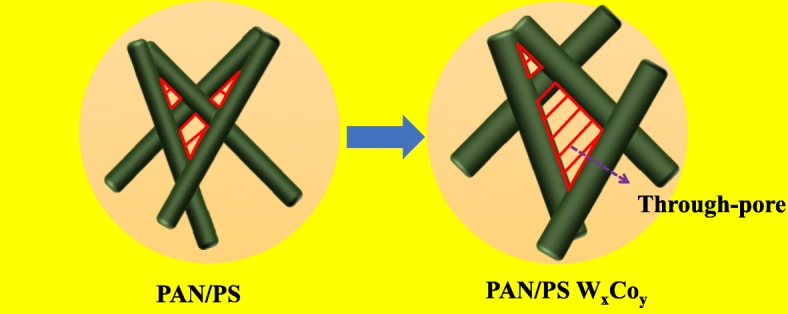
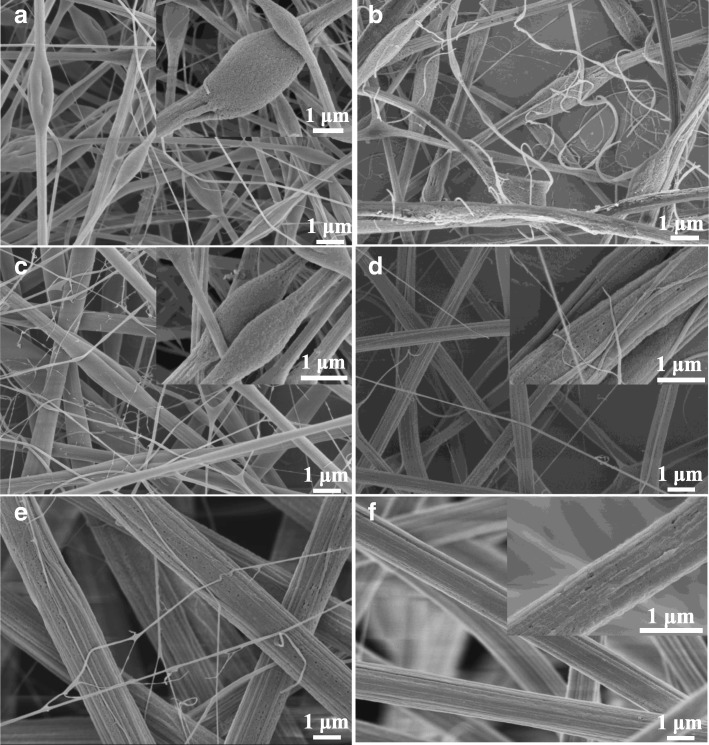
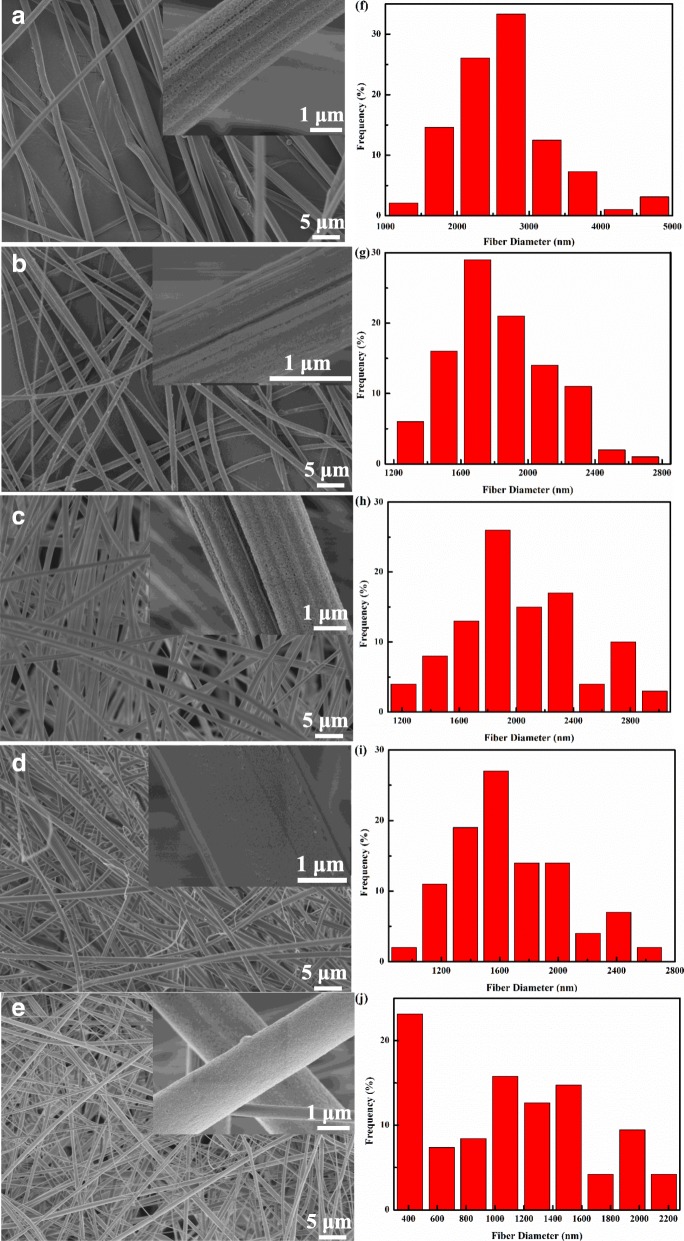
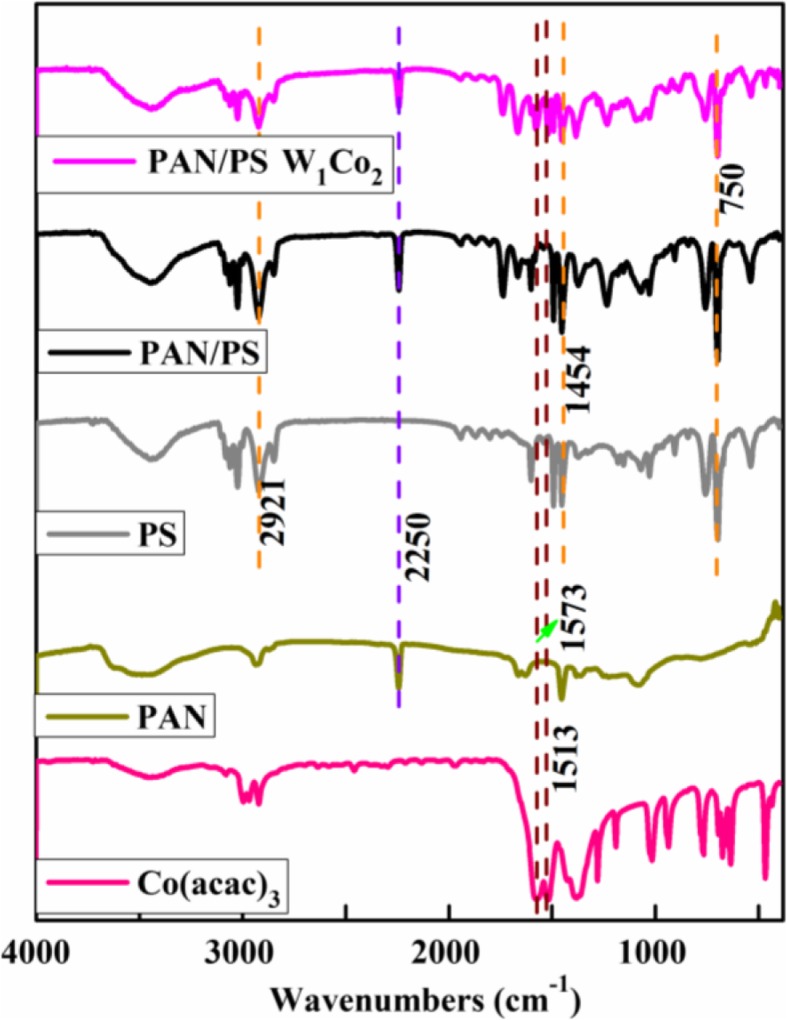
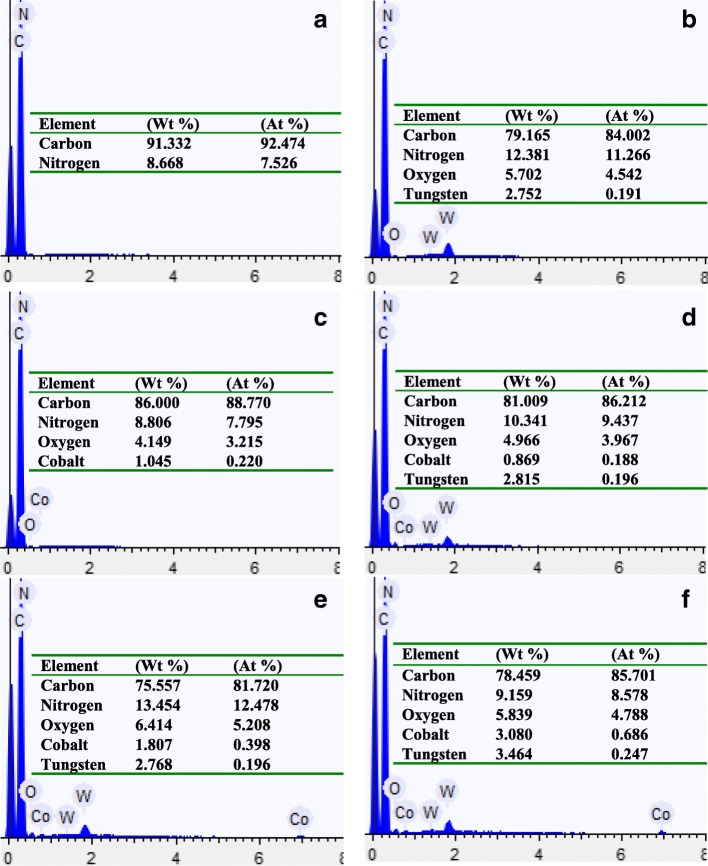
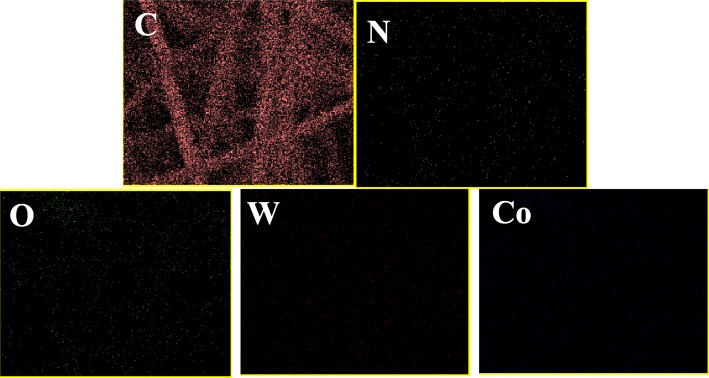
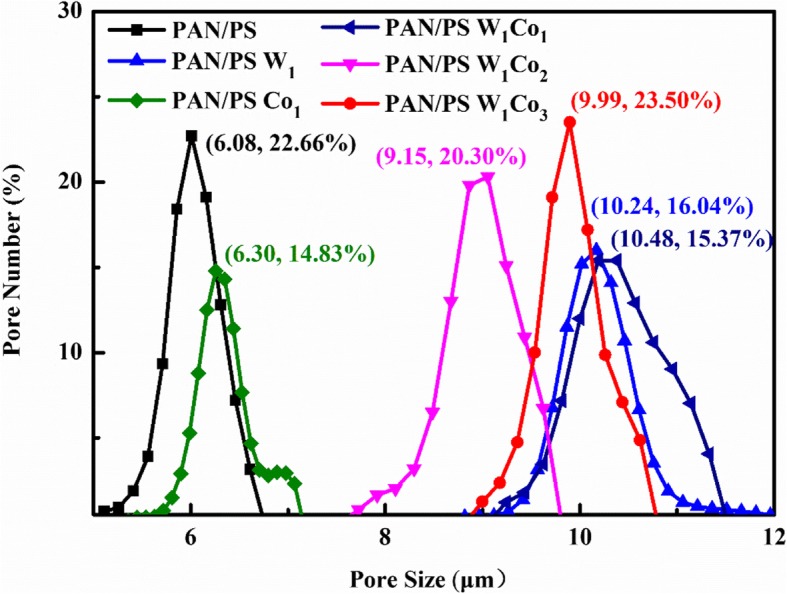
This study focused on the fabrication and characterization of ammonium metatungstate hydrate (AMT) combined with cobalt(III) acetylacetonate (Co(acac))-loaded electrospun micro-nanofibers. The morphologies, structures, element distribution, through-pore size, and through-pore size distribution of AMT/Co(acac)-loaded PAN/PS micro-nanofibers were investigated by a combination of field emission scanning electron microscopy (FESEM), flourier transformation infrared (FTIR) spectroscopy, energy disperse spectroscopy (EDS), through-pore size analyzer, and so on. These micro-nanofibers have many advantages in their potential application as electro-catalysts. The porous and large thorough-pore will benefit for effective electrolyte penetration, in addition to promoting gas bubbles evolving and releasing from catalyst surface timely.
本研究聚焦于水合偏钨酸铵(AMT)与负载乙酰丙酮钴(III)(Co(acac))的电纺微纳纤维的制备与表征。通过场发射扫描电子显微镜(FESEM)、傅里叶变换红外(FTIR)光谱、能谱分析(EDS)、通孔尺寸分析仪等相结合的方法,研究了负载AMT/Co(acac)的PAN/PS微纳纤维的形貌、结构、元素分布、通孔尺寸和通孔尺寸分布。这些微纳纤维在作为电催化剂的潜在应用中具有许多优势。多孔且大的通孔有利于有效电解质渗透,此外还能促进气泡及时从催化剂表面逸出和释放。