Schneider Maiko A, Spritzer Poli M, Minuzzi Luciano, Frey Benicio N, Syan Sabrina K, Fighera Tayane M, Schwarz Karine, Costa Ângelo B, da Silva Dhiordan C, Garcia Cláudia C G, Fontanari Anna M V, Real André G, Anes Maurício, Castan Juliana U, Cunegatto Fernanda R, Lobato Maria I R
Gender Identity Program (PROTIG), Psychiatric Service, Hospital de Clínicas de Porto Alegre, Porto Alegre, Brazil.
Mood Disorders Program, Women's Health Concerns Clinic, St. Joseph's Healthcare Hamilton, Hamilton, ON, Canada.
Front Neurosci. 2019 Aug 7;13:817. doi: 10.3389/fnins.2019.00817. eCollection 2019.
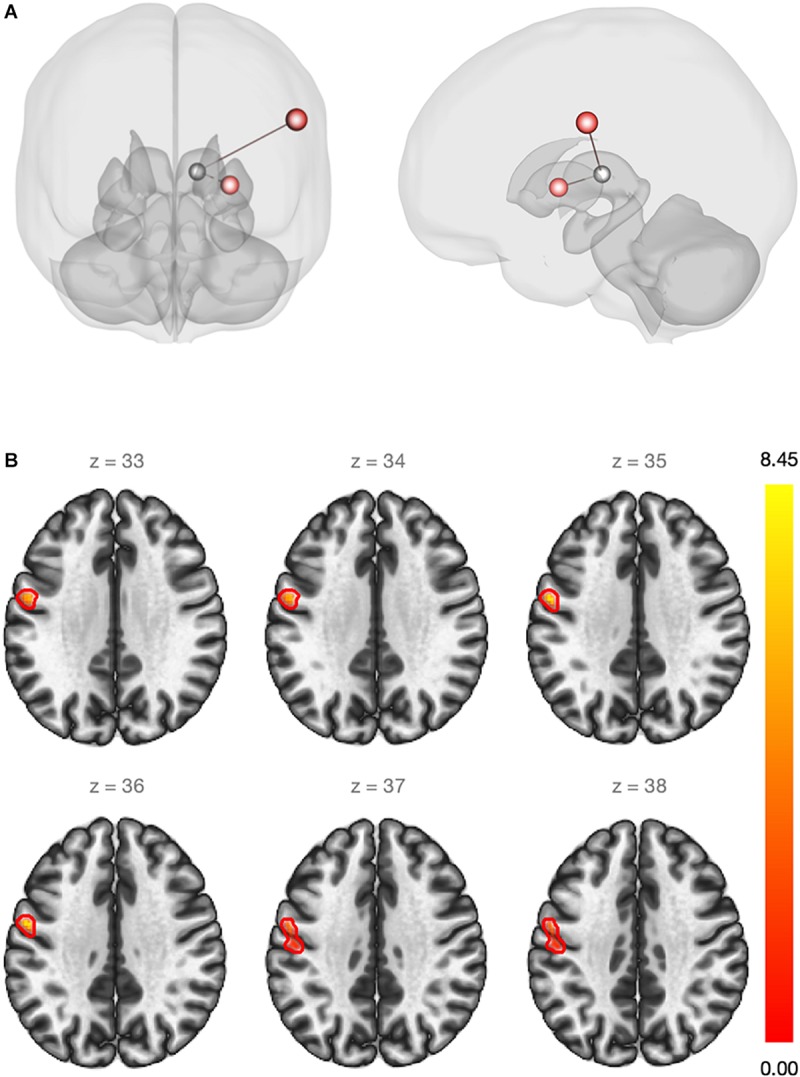
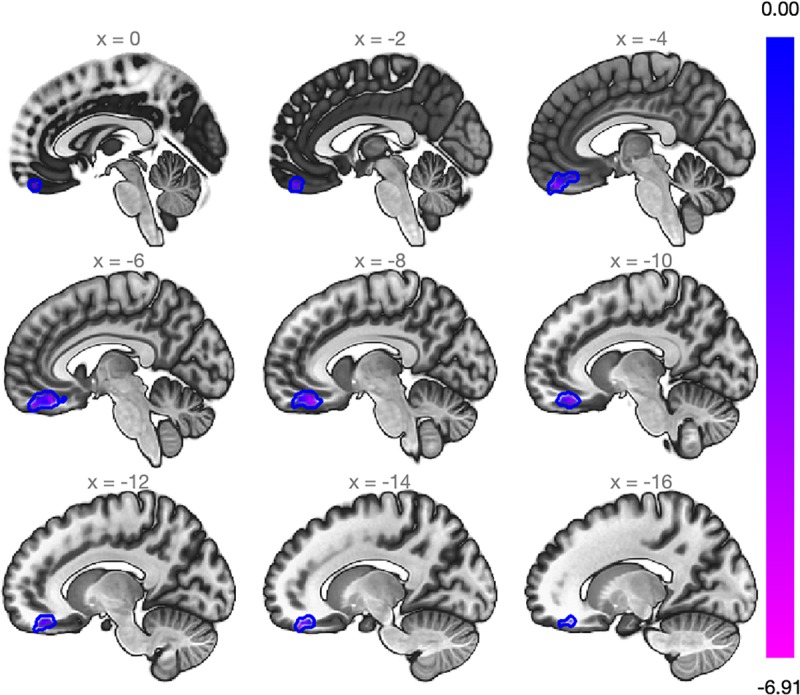
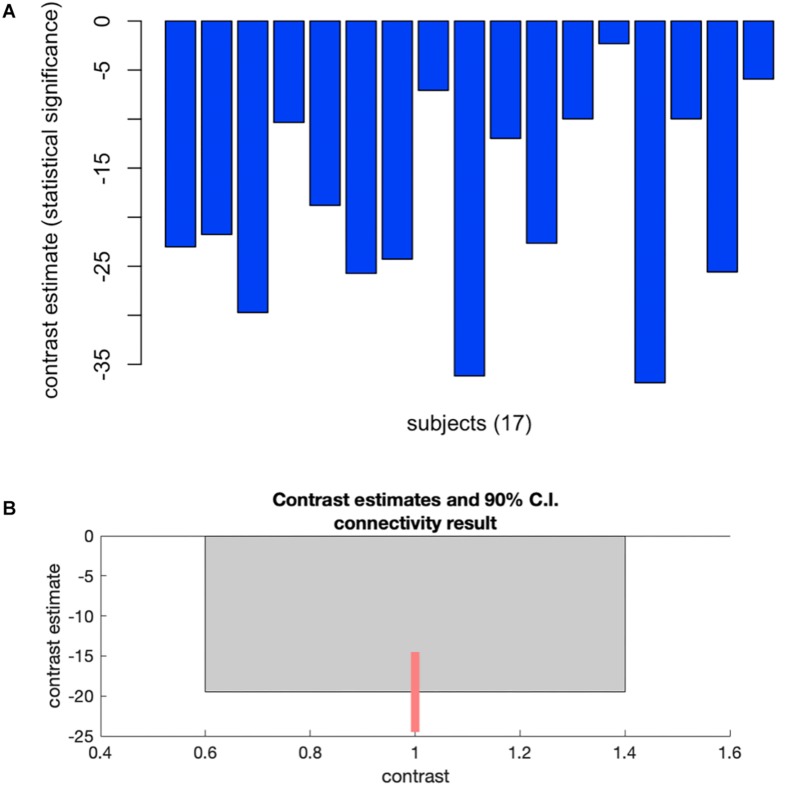
An extreme incongruence between sex and gender identity leads individuals with gender dysphoria (GD) to seek cross-sex hormone therapy (CSHT), and gender-affirming surgery (GAS). Although few studies have investigated the effects of CSHT on the brain prior to GAS, no studies in the extant literature have evaluated its impact during hypogonadism in post-GAS individuals. Here, we aimed to evaluate the effects of estradiol on resting-state functional connectivity (rs-FC) of the sensorimotor cortex (SMC) and basal ganglia following surgical hypogonadism. Eighteen post-GAS (male-to-female) participants underwent functional magnetic resonance imaging (fMRI) and neuropsychiatric and hormonal assessment at two time points (t1, hormonal washout; t2, CSHT reintroduction). Based on the literature, the thalamus was selected as a seed, while the SMC and the dorsolateral striatum were targets for seed-based functional connectivity (sbFC). A second sbFC investigation consisted of a whole-brain voxel exploratory analysis again using the thalamus as a seed. A final complementary data-driven approach using multivoxel pattern analysis (MVPA) was conducted to identify a potential seed for further sbFC analyses. An increase in the rs-FC between the left thalamus and the left SCM/putamen followed CSHT. MVPA identified a cluster within the subcallosal cortex (SubCalC) representing the highest variation in peak activation between time points. Setting the SubCalC as a seed, whole-brain analysis showed a decoupling between the SubCalC and the medial frontal cortex during CSHT. These results indicate that CSHT with estradiol post-GAS, modulates rs-FC in regions engaged in cognitive, emotional, and sensorimotor processes.
性别与性别认同之间的极度不一致,导致性别焦虑症(GD)患者寻求跨性别激素疗法(CSHT)和性别确认手术(GAS)。尽管很少有研究在进行GAS之前调查CSHT对大脑的影响,但现有文献中没有研究评估其对GAS术后性腺功能减退个体的影响。在这里,我们旨在评估手术导致性腺功能减退后,雌二醇对感觉运动皮层(SMC)和基底神经节静息态功能连接(rs-FC)的影响。1八位GAS术后(男变女)参与者在两个时间点(t1,激素洗脱期;t2,重新引入CSHT)接受了功能磁共振成像(fMRI)以及神经精神和激素评估。根据文献,选择丘脑作为种子区域,而SMC和背外侧纹状体作为基于种子的功能连接(sbFC)的目标区域。第二项sbFC研究包括再次以丘脑为种子区域进行全脑体素探索性分析。最后采用多体素模式分析(MVPA)这一补充性数据驱动方法,以确定一个潜在的种子区域用于进一步的sbFC分析。重新引入CSHT后,左侧丘脑与左侧SCM/壳核之间的rs-FC增加。MVPA在胼胝体下皮质(SubCalC)内识别出一个簇,该簇代表了两个时间点之间峰值激活的最大变化。将SubCalC设为种子区域,全脑分析显示在重新引入CSHT期间,SubCalC与内侧额叶皮质之间的连接解耦。这些结果表明,GAS术后使用雌二醇进行CSHT,可调节参与认知、情感和感觉运动过程区域的rs-FC。